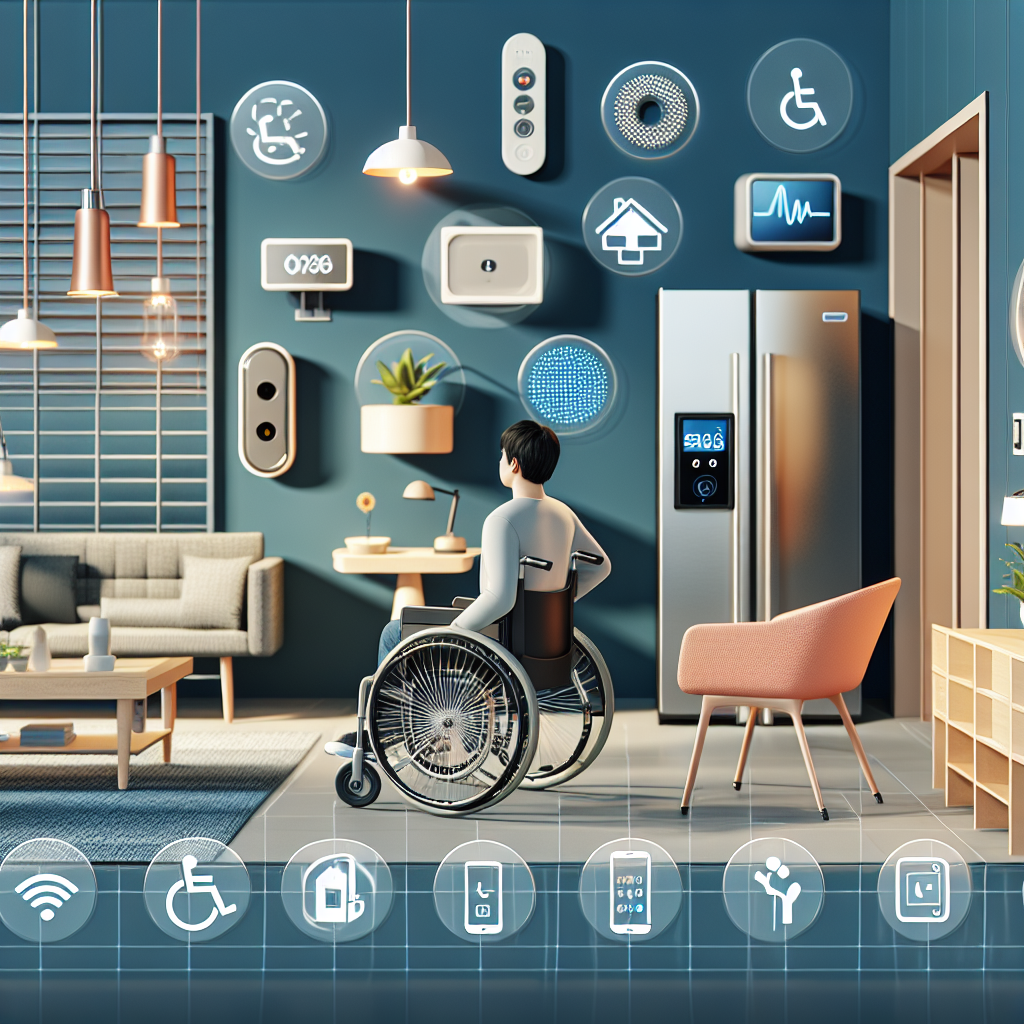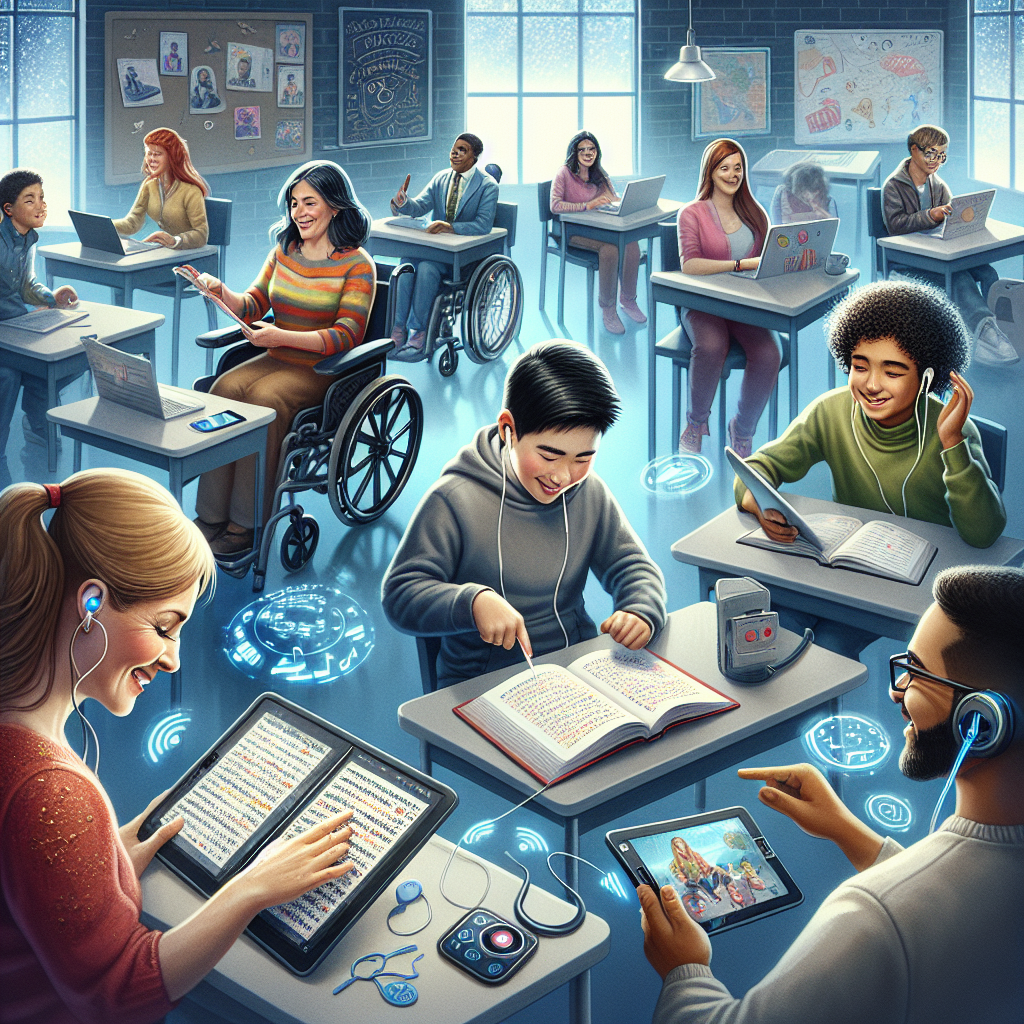
In recent years, the intersection of technology and education has grown increasingly important, especially in fostering accessibility for individuals with disabilities. The Americans with Disabilities Act (ADA), enacted in 1990, has been pivotal in ensuring equal access and opportunities in various sectors, including education. With the rapid advancement of digital tools and platforms, educational technology has seen significant breakthroughs that cater to diverse learning needs. These developments not only uphold the principles of the ADA but also empower students with disabilities to achieve their full potential.
Technological advancements have transformed traditional educational practices, enabling a more inclusive learning environment. Today, schools and educational institutions are embracing a wide range of tech-based solutions to accommodate students with varying disabilities. From assistive software and devices to innovative learning resources, technology has become the bedrock of contemporary education. It is shaping how students interact with educational content, instructors, and peers, thus facilitating an inclusive and accessible academic journey.
The continuous progress in this realm is not just a nod to legal mandates but a testament to the commitment of educators, technologists, and policymakers to create equitable education for all. As society advances, so does our understanding of accessibility, driving the development of tools that break barriers and expand educational horizons. This article delves into the latest ADA-compliant technological breakthroughs in education, examining how they enhance accessibility, support diverse learning needs, and foster an inclusive culture.
Technological Breakthroughs for Visual Disabilities
One of the most significant areas of development in educational technology pertains to visual disabilities. Students who are blind or have low vision can now access educational materials more easily than ever before, thanks to breakthroughs in digital accessibility features and assistive technologies. Screen readers have advanced significantly, allowing students to navigate websites and digital documents with ease. Tools like JAWS (Job Access With Speech) and NVDA (NonVisual Desktop Access) are leading the way in enabling visually impaired students to engage with digital content effectively.
Furthermore, the proliferation of braille displays and notetakers has significantly enhanced the learning experience for these students. Such devices convert digital information into braille, enabling students to read and interact with course materials independently. With the advent of refreshable braille displays, students can now access e-books, PDFs, and other digital resources, further contributing to an inclusive educational environment.
Visual conductivity tools such as audiobooks and text-to-speech applications are also playing a pivotal role. Platforms like Bookshare offer extensive libraries of accessible books, which can be utilized by schools and educators to ensure that students with visual impairments have equitable access to literature and learning materials. This array of technological innovations ensures that educational content remains accessible and engaging, adhering to ADA guidelines while promoting student independence and self-confidence.
Innovations for Auditory Disabilities
For students with auditory disabilities, technological advancements have paved the way for improved communication and engagement in educational settings. Captioning services for live lectures or recorded videos ensure that students who are deaf or hard of hearing can access the same information as their peers. Tools such as AI-based transcription services are improving in accuracy and accessibility, providing real-time captions for educational content across platforms.
Sign language interpretation software and applications such as AVA and InterpreterNow are also breaking new ground, facilitating more seamless communication between students and educators. These technologies enable real-time translation of spoken language into sign language, assisting students in following along with lectures and participating actively in classroom discussions.
Moreover, hearing assistive technology, including personal FM systems and hearing loops, has seen considerable advancements. These devices amplify sound and reduce background noise, benefiting students in both individual and group learning environments. Such technologies are vital in creating an accessible and inclusive educational setting, ensuring that auditory impairments do not hinder academic success. The continued development and integration of these tools underscore the importance of technological innovation in complying with the ADA and extending equitable educational opportunities to all students.
Emerging Tools for Cognitive Disabilities
Students with cognitive disabilities face unique challenges in educational environments; however, technological advancements have led to the development of tools that support these students in overcoming barriers to learning. Educational software and applications designed with cognitive accessibility in mind focus on features like simple user interfaces, clear navigation paths, and customizable learning experiences that cater to individual needs.
One exemplary initiative is the rise of learning management systems (LMS) that are ADA-compliant. These platforms incorporate features such as adjustable text sizes, alternate text for images, and simplified navigation cues to accommodate students with cognitive difficulties. Moreover, tools like graphic organizers and mind mapping software aid students in organizing their thoughts and ideas more effectively. These assistive technologies enhance cognitive processing capabilities and promote a more intuitive learning experience.
Gamification in education has also emerged as a significant breakthrough, providing interactive and engaging learning experiences for students with cognitive disabilities. Through game-like elements and visual storytelling, students can absorb information in a fun and engaging manner, making complex concepts easier to grasp. These technological solutions not only align with ADA regulations but also strive to create a more inclusive learning atmosphere for students of all capabilities.
Significance of Mobile and Online Learning
Mobile and online learning platforms have transformed the educational landscape, making it more accessible to students with disabilities. With the proliferation of smartphones and tablets, students have access to a plethora of educational resources at their fingertips. Applications designed with accessibility features enable students to partake in online courses with accommodations that cater to their specific needs.
Online learning platforms, such as Coursera, edX, and Khan Academy, have implemented features that align with ADA standards. These include closed captioning, screen magnification options, and adjustable interface settings that make learning more flexible and accessible to students with different abilities. Students can learn at their own pace, revisit materials, and customize their learning experiences based on their individual requirements.
The versatility and adaptability offered by mobile and online learning platforms signify a move towards a more inclusive education system. By adopting technology that mirrors the principles of accessibility outlined in the ADA, educators are embracing a forward-thinking approach that transforms the way education is delivered and received. The flexibility of online learning mobilizes students, providing learning opportunities that transcend traditional classroom boundaries.
Conclusion
In conclusion, the convergence of technology and the ADA has paved the way for revolutionary strides in accessibility within the educational sector. These technological breakthroughs have democratized education, making it accessible to all students regardless of their disabilities. From advanced tools that assist visually and auditory-impaired students to cognitive learning aids and inclusive online platforms, technology is continuously reshaping the educational landscape.
The persistent march towards greater accessibility holds immense promise for the future of education. By fostering an environment that champions inclusivity and adaptive learning, educational institutions are not only adhering to legal mandates but also empowering students to challenge adversities and achieve academic success. The ongoing enhancement of accessible educational technology reaffirms the commitment to breaking down barriers and opening doors to limitless possibilities for every learner.
Ultimately, as technology continues to evolve, and new tools and methodologies emerge, one thing is certain: the spirit of innovation and inclusivity will remain at the heart of educational progress. Amidst these advancements, the principles enshrined in the ADA will continue to guide our efforts, ensuring that education is inclusive, equitable, and accessible to all students, regardless of the challenges they may face.
Frequently Asked Questions
1. What are some recent advancements in accessible educational technologies?
In recent years, the landscape of accessible educational technologies has been transformed by numerous significant advancements. Key among these are tools that leverage artificial intelligence (AI) to personalize learning experiences for students with disabilities. AI-driven platforms can adjust content and provide recommendations based on individual learning paces and preferences, ensuring a more tailored educational experience. Additionally, augmented reality (AR) and virtual reality (VR) are being employed to create immersive learning environments that can be customized to meet various accessibility needs. These technologies allow students to engage in experiential learning that was previously difficult to achieve, especially for individuals with physical limitations. Furthermore, the development of intuitive and sophisticated text-to-speech and speech-to-text applications has broadened accessibility, enabling students with visual impairments or difficulties with traditional reading to access and produce content effortlessly. Speech recognition has improved considerably, making it easier for students with disabilities to participate actively in educational settings.
2. How are these technologies addressing the needs of students with disabilities?
There is a profound shift in how educational technologies are designed and implemented to address the specific needs of students with disabilities. Nowadays, many developers prioritize inclusivity right from the design phase by incorporating universal design principles. For instance, learning management systems now often include features such as adjustable text sizes, high-contrast modes, and keyboard navigation to accommodate students with visual or dexterity challenges. Captioning and transcription services have become standard in many online learning platforms, greatly assisting students who are deaf or hard of hearing. Furthermore, technologies like eye-tracking software provide means for students with limited mobility to interact with digital content independently. These tools not only enhance accessibility but also support diverse learning styles, ensuring that educational content is more accessible to everyone. Collaborative efforts between educators, technologists, and students with disabilities drive an agenda that is not only inclusive but also reflects the real-world experiences of the users.
3. How has the ADA impacted the development of accessible educational technologies?
The Americans with Disabilities Act (ADA) has been a critical piece of legislation driving the advancement of accessible educational technologies. By mandating equal access to education, the ADA has encouraged institutions and technology developers to prioritize accessibility in their digital offerings. This has led to an increased awareness and understanding of the barriers faced by individuals with disabilities, pushing forward the development of technologies that address these challenges effectively. Institutions are now more proactive in ensuring that their educational content complies with ADA standards, often adopting cutting-edge technologies to achieve this compliance. The ADA has also spurred investment in research and development, resulting in innovations that support the learning needs of students with disabilities. Through a legal framework, the ADA helps ensure that accessibility is not seen as an afterthought but as an integral component of educational technology design and implementation.
4. What role do educators play in the integration of these technologies?
Educators play a pivotal role in the successful integration of accessible educational technologies. They serve as both implementers and advocates in the use of these tools in the classroom. To effectively integrate technology, educators must first become familiar with the available tools and understand how they can be adapted to fit the diverse needs of their students. Professional development and training are crucial in this process, equipping educators with the skills and confidence to utilize technology effectively. Moreover, educators collaborate closely with technologists and students to provide feedback on the usability and accessibility of educational tools, helping to drive improvements and innovations. By incorporating these technologies into curricula and daily lessons, educators not only enhance learning outcomes but also foster a more inclusive classroom environment where all students feel valued and supported. Their insights and observations in real-world educational settings are invaluable for refining and enhancing accessible technology.
5. How do advancements in accessible educational technology affect students’ learning experiences?
Advancements in accessible educational technology have transformed the learning experiences of students, particularly those with disabilities. With these technologies, students have greater autonomy over their learning processes, allowing them to access and engage with content in ways that suit their individual needs and preferences. Personalized learning experiences make it possible for students to grasp complex concepts more effectively, often leading to improved educational outcomes. Furthermore, the wide availability of accessible tools has democratized learning, opening up opportunities to students who may have been marginalized by traditional educational systems. This can lead to increased participation, motivation, and a greater sense of inclusion within educational communities. Students are no longer passive recipients of information; instead, they are active participants in a dynamic, interactive learning journey. By accommodating various learning styles and abilities, these technologies contribute to creating a more equitable educational environment that benefits all learners, paving the way for academic success and personal growth.