
The intersection of technology and accessibility has seen tremendous changes over the past few decades, particularly with advancements that cater to the needs of individuals with disabilities. One significant piece of legislation that has been instrumental in driving this change is the Americans with Disabilities Act (ADA). Enacted in 1990, the ADA was designed to ensure that people with disabilities have the same rights and opportunities as everyone else. With the advent of digital transformation, there has been an increased focus on integrating accessibility features into technology. A burgeoning area of interest and development lies in biometric technologies. These technologies, ranging from fingerprint scanners to facial recognition software, promise to transform accessibility in profound ways. Yet, with these innovations come challenges and questions regarding their compatibility with ADA compliance.
Understanding Biometric Technologies
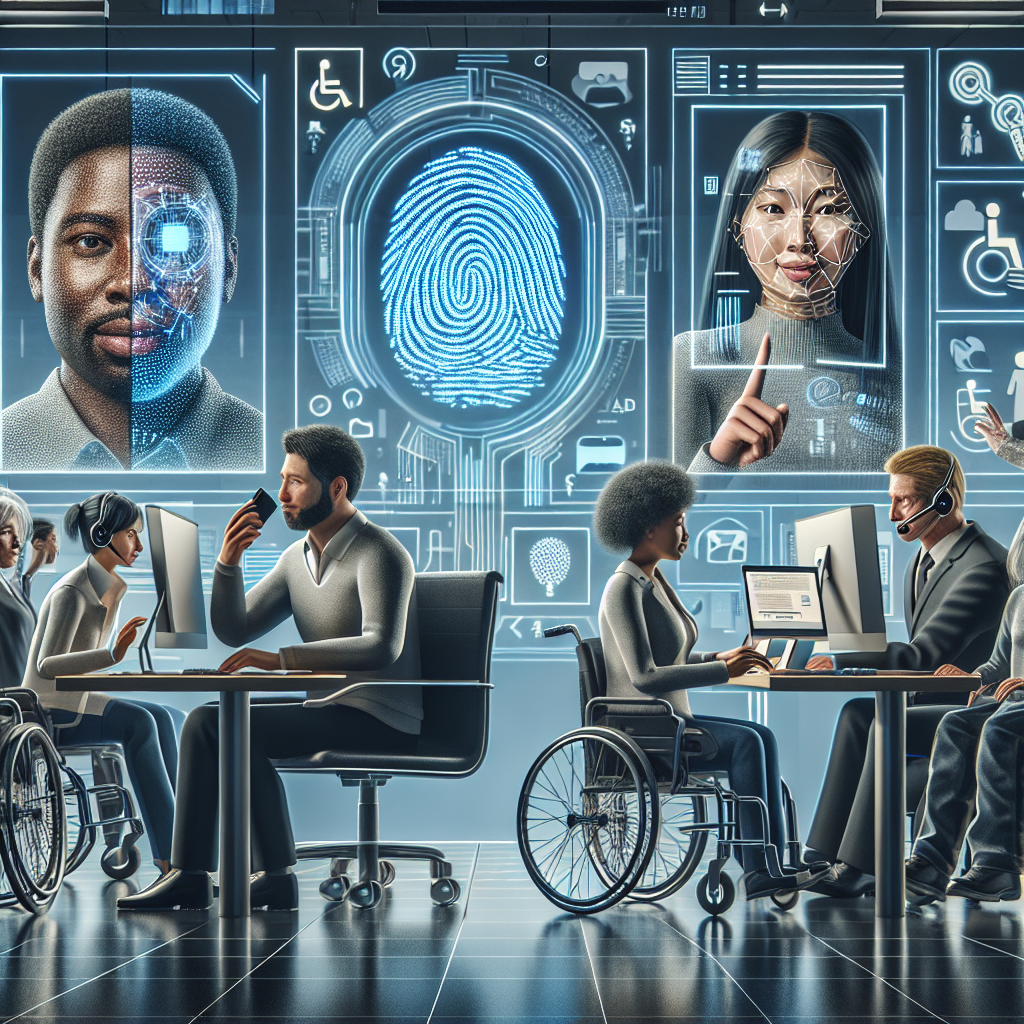
Biometric technologies refer to systems that use biological data for identification and authentication. Common examples include fingerprint readers, iris scanners, facial recognition, and voice recognition systems. These technologies have been integrated into several facets of daily life, ranging from securing smartphones to authentication at high-security facilities. The biometric market has experienced exponential growth, driven by the promise of heightened security and convenience. However, for individuals with disabilities, these systems can either enhance or impede accessibility. For instance, facial recognition technology can be transformative for individuals with mobility impairments, providing a hands-free mode of authentication. Conversely, those with visual impairments may struggle with technologies that rely on sight-based confirmation.
Biometric Advances and ADA Compliance
Integrating ADA compliance within biometric technologies necessitates a nuanced understanding of both the technology and the specific accessibility needs it addresses. The ADA requires that public and private entities ensure that individuals with disabilities have equal access to their offerings. In the context of biometrics, this commitment translates into designing inclusive authentication systems. For instance, when developing a fingerprint scanner, considerations must be made for individuals with prosthetic limbs or skin conditions that affect fingerprint recognition. Some advancements have been promising, such as voice recognition systems that cater to individuals who cannot use their hands. However, these developments pose new questions. How does one authenticate in an environment where voice commands might not be feasible due to ambient noise, privacy concerns, or speech impairments?
Challenges in the Integration of Biometrics
Despite the potential for promoting accessibility, the integration of biometric technologies is not without its challenges. One primary concern is the risk of exclusion for some individuals if the technology fails to account for a wide range of disabilities. For example, facial recognition systems may not recognize faces with unique characteristics, such as those affected by craniofacial differences. Additionally, there is the issue of data security and privacy. Biometric data is uniquely personal and sensitive, raising concerns about how it is stored and protected. This risk is exacerbated by the lack of comprehensive regulations specifically governing biometric data in many jurisdictions. Entities subject to the ADA must navigate these concerns carefully, ensuring that biometric systems do not inadvertently discriminate against or ostracize individuals with disabilities.
Regulatory Developments and Industry Responses
The legal landscape for biometric technologies is evolving. While the ADA does not explicitly address biometric technology, its general principles of equal access and non-discrimination are universally applicable. Some states have instituted specific regulations governing biometric data, influencing how companies design and implement these systems. Illinois, for instance, has the Biometric Information Privacy Act (BIPA), which mandates that companies obtain consent before collecting biometric data. These regulations aim to protect individuals, including those with disabilities, from potential misuse or breaches of their biometric information. In response, companies have started incorporating accessibility features by default, ensuring their technologies are usable by people with a variety of disabilities. Nonetheless, achieving full compliance and accessibility remains a work in progress, necessitating constant dialogue between technologists, policymakers, and advocacy groups.
Innovations Shaping the Future
The future of biometric technology promises to be even more intertwined with accessibility initiatives. Emerging technologies like brain-computer interfaces (BCIs) and emotion recognition systems offer groundbreaking possibilities for enhancing accessibility. BCIs, for instance, could provide a means of control and communication for individuals with severe mobility impairments, bypassing traditional biometric inputs. Similarly, emotion recognition systems can aid in tailoring interfaces to better suit the emotional and cognitive states of users, enhancing usability for individuals with cognitive disabilities. However, the integration of these technologies into day-to-day use brings to the fore critical questions about privacy and consent, especially concerning sensitive data such as mental states.
Path Forward: Collaboration and Continuous Development
The journey toward integrating biometric technologies with ADA compliance is ongoing and requires collaboration across sectors. Technological innovators, disability advocates, and regulatory bodies must work together to establish standards that ensure inclusive access. This dialogue must address not only the technological facets but also the ethical considerations surrounding biometric data. Engaging with individuals with disabilities in the design process is crucial, allowing for solutions that truly meet their needs. Furthermore, continuous education and advocacy will be vital to spread awareness about the importance of accessibility in technology. As society becomes increasingly reliant on biometric solutions, ensuring these systems are both inclusive and respectful of individual rights is not just desirable but essential.
Conclusion
The intersection of biometric technologies and ADA accessibility represents both a challenge and an opportunity. While biometrics offer significant advancements in terms of convenience and security, ensuring these innovations are accessible to everyone is crucial. The ADA provides a solid framework, but as technology evolves, so too must our approaches to accessibility. By recognizing the potential pitfalls and proactively addressing them through thoughtful design and regulation, we can create a future where technology enhances accessibility for all. As society moves forward, it is essential that the conversation around technology and disability rights continues, fostering environments that are not only technologically advanced but also universally accessible to ensure equal opportunities for all individuals.
“`htmlFrequently Asked Questions
1. What exactly are biometric technologies and how do they relate to ADA accessibility?
Biometric technologies refer to the use of biological data to identify and authenticate individuals. This includes fingerprints, facial recognition, iris scans, and voice recognition, among others. In the context of ADA accessibility, biometric technologies can play a pivotal role in creating more inclusive environments. By leveraging these technologies, devices and systems can be tailored to cater to the unique needs of individuals with disabilities, offering them a more accessible and personalized user experience. The ADA’s core mission is to prevent discrimination and ensure equal opportunities, and integrating biometric features into technological solutions helps achieve these goals by providing people with disabilities a seamless way to interact with both public and private facilities and digital content.
2. How have biometric technologies evolved to enhance accessibility for individuals with disabilities?
Over the years, biometric technologies have become more advanced, precise, and capable of serving broader accessibility purposes. Initially, biometric technology was primarily used for security and identification. However, as understanding of diverse user needs has improved, these technologies have been adapted to solve accessibility challenges. For example, voice recognition technology has seen significant enhancements, allowing individuals with mobility challenges to control devices through voice commands. Facial recognition technology now includes algorithms that consider diverse facial features and expressions to ensure it works effectively for everyone, including those with particular disabilities. Furthermore, haptic feedback and eye-tracking technologies have been paired with biometric data to assist those who are visually impaired or have limited motor skills, allowing these individuals to navigate digital spaces with ease.
3. Are there any specific ADA compliance guidelines for implementing biometric technologies?
The ADA does not specifically prescribe guidelines for biometric technologies. However, it does emphasize the importance of ensuring that any technology or tool introduced should not exclude people with disabilities. This means that when implementing biometric technologies, organizations must consider how these tools can be made inclusive. Products and systems using biometrics should be tested for accessibility, and feedback should be sought from disabled users during the development process. Additional measures may include providing alternative ways for users to authenticate or interact with systems, avoiding reliance on a single form of biometric data. Ensuring compliance with ADA typically involves following general principles related to accessibility, such as offering features that accommodate various disabilities and incorporating user-friendly designs.
4. What are the challenges and potential solutions in aligning biometric technologies with ADA accessibility standards?
One of the main challenges is the need for these technologies to accurately recognize and respond to diverse physical characteristics inherent in different disabilities. For instance, a facial recognition system must be able to accurately identify and authenticate users with facial variations due to disabilities. A potential solution is the continued refinement and testing of algorithms to ensure they are inclusive, effective for all users regardless of their physical differences. Another challenge is privacy concerns, as biometric data is particularly sensitive; safeguarding this data while ensuring the technology remains accessible is critical. Solutions include robust data encryption practices and transparent privacy policies, which inform users of how their data is being used and protected. Open dialogue, collaboration with advocacy groups, and direct input from users with disabilities are essential steps to overcoming challenges and fostering innovation in this area.
5. Can biometric technology inadvertently create new accessibility barriers, and how can these be mitigated?
Although biometric technologies hold great promise for improving accessibility, they can inadvertently introduce new challenges if not implemented thoughtfully. For example, certain biometric systems may not work as expected for individuals with physical characteristics that fall outside the ‘norm’ upon which these systems were initially trained. This could result in misidentification or a failure to provide access. To mitigate such issues, developers must ensure diverse datasets are used when training machine learning models, aiming for inclusive representation. It’s essential to involve individuals with disabilities throughout the design and testing processes, using their insights to refine technology. Furthermore, providing multiple modalities for access—such as pairing biometrics with password options or physical gestures—ensures users have alternative methods of interaction. By being proactive and inclusive in the design process, potential accessibility barriers can be minimized, allowing for more equitable use of powerful biometric systems.
“`


