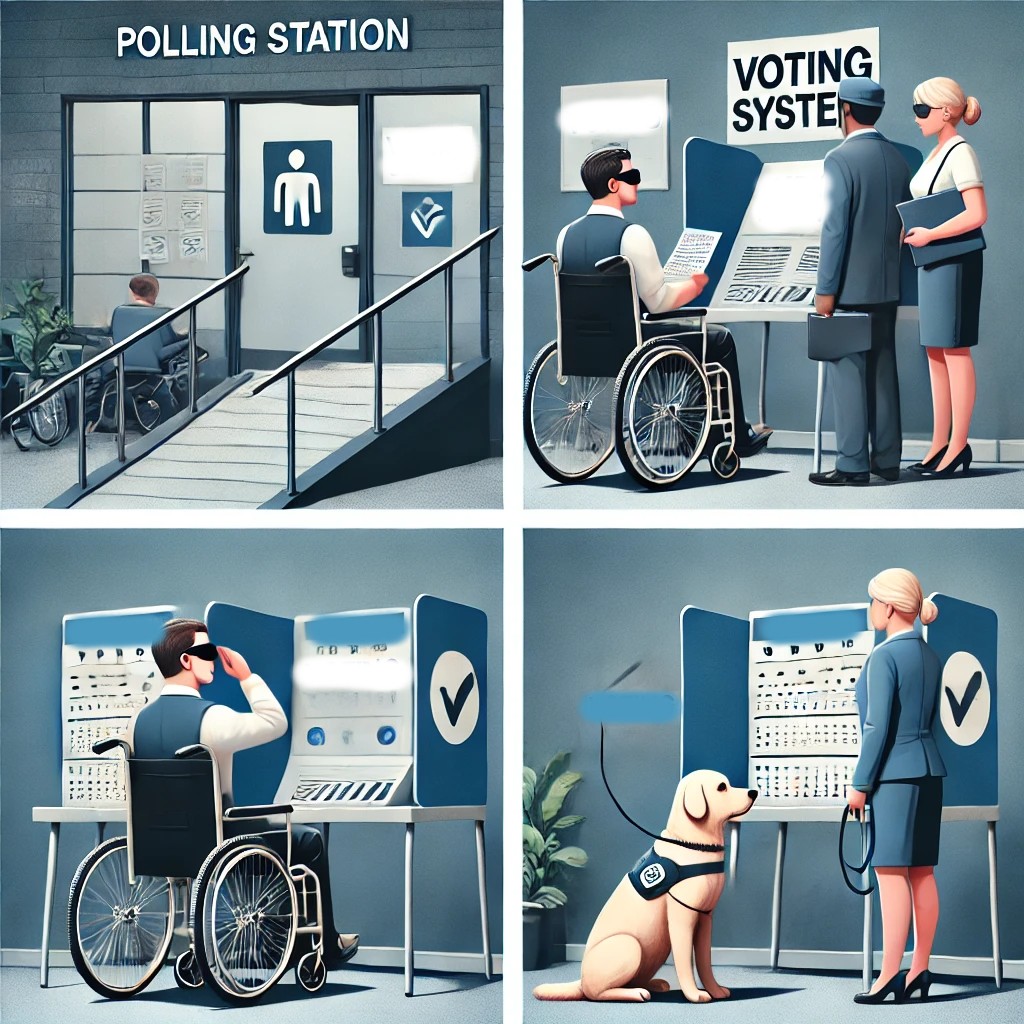
The Americans with Disabilities Act (ADA) has been a cornerstone in ensuring equal opportunity and access to individuals with disabilities in various realms of life, including public accommodations. As a commercial landlord, it is crucial to understand how to comply with ADA regulations, specifically those outlined in Title III.
ADA Title III prohibits discrimination based on disability in places of public accommodation such as restaurants, hotels, theaters, shopping centers, and other buildings open to the public. The aim is to ensure these facilities are accessible and usable by people with disabilities. Given the importance of compliance, this article will delve into the essentials of ADA Title III, its implications for landlords, common misconceptions, and practical steps for adherence.
Before we embark on the details, it’s pivotal to outline what public accommodations encompass. This term not only includes structures constructed post-ADA enactment but also mandates retrofitting for older buildings where it is readily achievable. The law upholds that an accessible environment is a shared benefit, enhancing usability for all individuals, regardless of disabilities.
For commercial landlords, ADA compliance is not just about the legal adherence but also about fostering inclusivity and broadening their client base. This piece will guide you through ADA Title III’s core components, practical requirements, common barriers, and actionable compliance steps to ensure that your property stands as a model of accessibility and inclusion.
Core Components of ADA Title III
ADA Title III is designed to ensure that every change made to public accommodation facilities is focused on accessibility. This encompasses a variety of areas and tasks that a landlord needs to be aware of to ensure compliance, including the following:
- Accessible Routes: These pathways must be available from storefronts, sidewalks, parking lots, and other areas, ensuring barrier-free access to all parts of the property.
- Parking: Accessible parking spaces must be provided and correctly marked to assist individuals with disabilities.
- Doors and Entrances: Entryways must have appropriate width, lever handles, and automatic door mechanisms where feasible.
- Bathrooms: Restrooms should have grab bars, lowered sinks, appropriate turning spaces, and accessible stalls.
- Signage: Signs within the property must be clear, with braille and raised text included where necessary.
Understanding these components is just the beginning. The specifics of each area will depend on the particular building and its use, highlighting the importance of regular assessments and adjustments.
Common Misconceptions about ADA Compliance
Despite the ADA being in place for several decades now, numerous myths and misconceptions still persist among commercial landlords. Clarifying these can prevent potential violations and enhance compliance efforts.
- Myth 1: Older Buildings Are Exempt
Contrary to popular belief, even buildings constructed before the ADA was enacted are required to comply. The term “readily achievable” modifications means that changes must be made if they are easily accomplishable without much difficulty or expense. - Myth 2: Only Accessible Entrances Are Needed
Mere entry accessibility does not suffice. All parts of the building that are open to the public need to be accessible. This includes bathrooms, seating areas, and pathways. - Myth 3: Full Compliance Is Immediate
While ADA compliance is mandatory, the law acknowledges practical constraints. There is leniency in terms of phased implementation, provided that a clear, actionable compliance plan is in place. - Myth 4: Compliance Is Extremely Expensive
Although some modifications might require financial outlay, many changes are low-cost or even cost-saving in the long run. For example, installing proper signage or simple ramp installations are relatively inexpensive tasks.
By dispelling these myths, landlords can better align their practices with ADA standards and avoid unnecessary legal challenges.

Practical Steps for ADA Compliance
Implementing ADA Title III standards can seem like a daunting task, but breaking it down into manageable steps can facilitate the process. Here are some practical steps to achieve compliance:
- Conduct an Accessibility Audit:
Begin with a comprehensive audit of your property to identify areas lacking accessibility. This can be done internally or with the help of a professional. - Create a Compliance Plan:
Based on your audit findings, develop a phased plan to address the gaps. Prioritize essential modifications that can be readily achieved. - Invest in Training:
Ensure that all personnel, including property managers and maintenance staff, understand ADA requirements and the importance of accessibility. - Work with Experts:
Consult with ADA compliance experts, architects, and contractors to get a clear understanding of the steps and avoid common mistakes. - Document and Review:
Keep meticulous records of any changes and continuously review compliance to ensure that new installations or modifications meet ADA standards.
Following these steps can ensure a structured approach to ADA compliance, promoting a more inclusive environment for all patrons.
Legal Considerations for Commercial Landlords
Compliance with ADA Title III is not merely about following set guidelines but also entails understanding the legal nuances and avoiding potential litigation. Landlords must be aware of their responsibilities to prevent discrimination lawsuits and costly penalties.
- Legal Counsel:
Engaging an attorney specializing in ADA compliance can help navigate complex legal requirements and ensure thorough compliance. - Lease Agreements:
Ensure that lease agreements clearly outline tenant and landlord responsibilities regarding accessibility features and modifications. - Regular Updates:
Stay informed on any changes to ADA regulations and ensure these are reflected in your property management practices promptly. - Prompt Response:
Attend to complaints or issues related to accessibility quickly to mitigate the risk of legal action and to foster a positive relationship with tenants and visitors.
Legal considerations are a critical aspect of ADA compliance. Paying attention to these details can save landlords from significant legal entanglements and promote a culture of accessibility.
Financial Benefits of ADA Compliance
While ADA compliance is legally mandatory, it also brings a host of financial benefits that can positively impact a landlord’s bottom line. Here’s how:
- Broader Customer Base:
Accessibility can attract more customers, including individuals with disabilities, their families, and friends, leading to increased foot traffic and revenue. - Tax Incentives:
The IRS offers tax credits and deductions to businesses that incur expenses related to ADA compliance, reducing the financial burden of modifications. - Increased Property Value:
ADA-compliant properties are often seen as more valuable and desirable, potentially leading to higher property valuations and rental rates. - Positive Reputation:
Businesses that prioritize accessibility can enhance their reputation and brand image, gaining loyalty from a diverse customer base.
Investing in ADA compliance is not just about meeting legal requirements but also about tapping into these financial gains for long-term success and sustainability.
Conclusion: Embracing ADA Compliance
ADA Title III plays a vital role in ensuring that public accommodations are accessible to all individuals, including those with disabilities. For commercial landlords, understanding and implementing these regulations is both a legal obligation and a strategic opportunity to foster inclusivity and tap into a broader customer base.
The journey to compliance begins with awareness and commitment. Conducting an accessibility audit, developing a compliance plan, investing in training, and consulting with experts are critical steps in ensuring that your property meets ADA standards. Additionally, staying informed on legal considerations, addressing misconceptions, and recognizing the financial benefits can further motivate landlords to prioritize accessibility.
Ultimately, ADA compliance is a reflection of societal values and a commitment to equality and dignity for all individuals. By embracing these principles, landlords not only mitigate legal risks but also contribute to a more inclusive and accessible community. This proactive approach can set your property apart and serve as a testament to your dedication to accessibility and inclusion.
As we move forward, let us remember that accessibility is not just a regulatory requirement but a fundamental right. By championing the cause of ADA compliance, landlords have the power to make a meaningful impact and ensure that their properties are welcoming and accommodating to everyone.