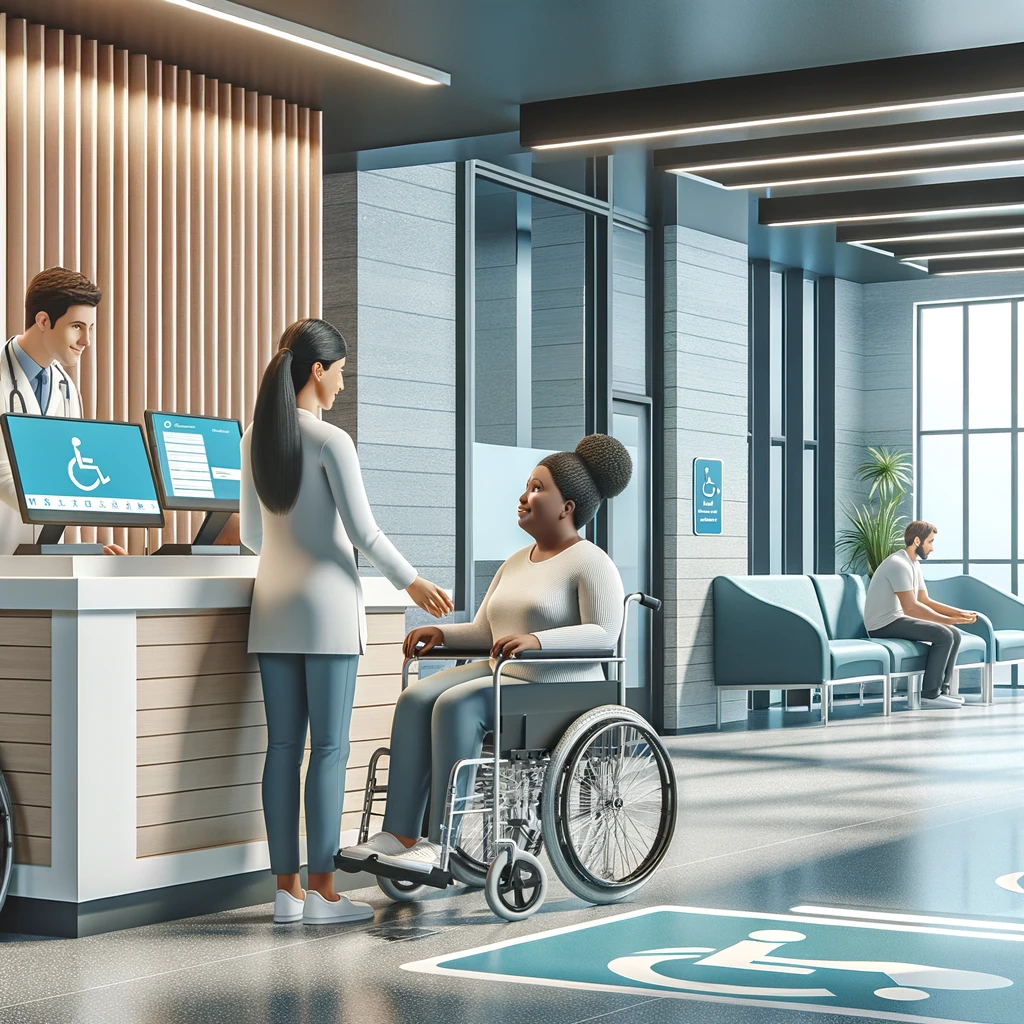
The Americans with Disabilities Act (ADA), enacted in 1990, is a pivotal civil rights legislation that promotes equal opportunities for individuals with disabilities. By mandating reasonable accommodations and enforcing accessibility standards, the ADA has revolutionized various sectors, ensuring inclusivity. While most are familiar with how the ADA affects traditional public accommodations like restaurants, movie theaters, and retail stores, the landscape of ADA compliance extends far beyond these conventional settings. In today’s world, it’s crucial to understand how ADA principles are applied to unconventional public accommodations, given the rise in diverse business models, unique public spaces, and innovative technological advancements.
This article delves into advanced topics in ADA rights, focusing on accessibility in unconventional public accommodations. We will explore the implications of ADA compliance in less traditional settings such as shared workspaces, online platforms, recreational facilities, and more. The goal is to provide a comprehensive understanding of how businesses and service providers can ensure all individuals, regardless of their abilities, have equitable access to their offerings.
Understanding the nuances of ADA compliance in these varied contexts is essential for business owners, operators, and developers to foster inclusivity and avoid potential legal pitfalls. From ensuring digital accessibility to considering unique structural modifications, this exploration aims to equip stakeholders with the knowledge necessary to navigate the complexities of ADA requirements in unconventional settings.
Shared Workspaces and Co-working Environments
The rise of shared workspaces and co-working environments is a testament to the evolving nature of work and business operations. These spaces offer flexibility, networking opportunities, and a collaborative atmosphere that attracts a diverse range of professionals. However, as these environments grow in popularity, the need for ADA compliance becomes increasingly important.
Shared workspaces must be designed and maintained with accessibility in mind. This includes ensuring that all areas, from communal lounges to private meeting rooms, are accessible to individuals with disabilities. Entrances should have ramps or lifts, and doorways must be wide enough to accommodate wheelchairs. Additionally, restrooms should be equipped with accessible features such as grab bars, lowered sinks, and widened stalls.
It’s not just the physical aspects that require attention. Policies and practices must also be inclusive. For example, booking systems should be accessible to individuals with visual impairments, and staff should be trained to assist individuals with diverse needs. Providing assistive technologies, such as screen readers and hearing aid-compatible devices, can also significantly enhance the accessibility of co-working spaces.
As shared workspaces continue to evolve, it’s crucial for operators to stay updated on ADA guidelines and ensure they are implementing necessary changes to foster an inclusive environment. By doing so, they not only comply with the law but also attract a wider range of clients and create a welcoming space for all professionals.
Online Platforms and Digital Accessibility
In the digital age, online platforms are considered public accommodations under the ADA. This means that websites, apps, and other digital tools must be accessible to individuals with disabilities. Unfortunately, digital accessibility often lags behind, leaving many users unable to fully engage with online services.
To comply with ADA standards, online platforms must be designed with accessibility features in mind from the outset. This includes ensuring that websites are navigable using screen readers, providing alternative text for images, and utilizing high-contrast color schemes for individuals with visual impairments. Additionally, video content should have captions and transcripts to assist those with hearing impairments.
Developers should familiarize themselves with the Web Content Accessibility Guidelines (WCAG), which outline best practices for making digital content accessible. Regular audits and user testing with individuals who have disabilities can also help identify and address potential barriers.
Implementing digital accessibility may require an initial investment in time and resources, but the benefits are substantial. Not only does it ensure compliance with ADA regulations, but it also enhances user experience for everyone, including those without disabilities. An accessible website can attract a broader audience and improve overall engagement, making it a worthy investment for any business or service provider.
Recreational Facilities and Sports Venues
Recreational facilities and sports venues are integral to community life, offering spaces for physical activity, entertainment, and social interaction. Ensuring these spaces are accessible to individuals with disabilities is vital for promoting inclusivity and equal participation.
Accessibility in recreational facilities and sports venues includes both physical and programmatic access. Physical access involves removing barriers that prevent individuals with disabilities from entering and navigating the space. This includes providing ramps, elevators, and accessible seating options. Locker rooms and restrooms should also be equipped with accessibility features to accommodate everyone.
Programmatic access, on the other hand, refers to ensuring that all activities and services offered are inclusive. For instance, fitness classes should offer modifications for individuals with mobility impairments, and staff should be trained to assist individuals with different needs. Additionally, assistive devices such as aquatic lifts for pools or adaptive sports equipment should be available.
Recreational facilities and sports venues should also consider the needs of individuals with sensory disabilities. Offering quiet spaces for those with sensory sensitivities and providing accessible signage and auditory announcements can make a significant difference.
By prioritizing accessibility, recreational facilities and sports venues can create an environment where everyone feels welcome and can participate fully. This not only complies with ADA regulations but also enhances the overall community experience.
Educational Institutions Beyond K-12
While much attention is often given to accessibility in K-12 educational settings, higher education institutions and adult learning centers also have a responsibility to comply with ADA standards. Ensuring that these environments are accessible is crucial for supporting the academic and professional growth of individuals with disabilities.
Higher education institutions must provide accessible facilities, including classrooms, laboratories, libraries, and dormitories. This involves ensuring that buildings are equipped with ramps, elevators, and accessible restrooms. Additionally, seating arrangements should accommodate individuals with mobility impairments, and accessible transportation options should be available.
In terms of academic accommodations, institutions must offer alternative formats for instructional materials, such as braille or large print. Assistive technologies, like screen readers and speech-to-text software, should also be made available to students who need them. Exams and assessments should be designed to allow accommodations such as extended time or alternative testing locations.
Training staff and faculty on ADA requirements and best practices for inclusivity is equally important. This helps create an environment where all students feel supported and can access the resources they need to succeed.
By embracing accessibility in higher education and adult learning centers, institutions can foster a more inclusive learning environment that empowers all students to reach their full potential.
Emergency Services and Disaster Preparedness
Emergency services and disaster preparedness plans must also take ADA compliance into account. Ensuring that individuals with disabilities can access emergency information and services is crucial for their safety and well-being.
Policymakers and emergency service providers should ensure that all emergency communication, including alerts and warnings, is accessible. This involves providing information in multiple formats, such as text, audio, and visual, to accommodate different needs. Websites and apps used for emergency communications should also adhere to digital accessibility standards.
Emergency shelters must be physically accessible and equipped with necessary accommodations. This includes providing ramps, accessible restrooms, and designated areas for service animals. Additionally, shelters should have plans in place for assisting individuals with disabilities during evacuations and providing necessary medical equipment and supplies.
Personnel involved in emergency response should receive training on how to assist individuals with disabilities effectively. This includes understanding how to operate assistive devices, communicating effectively with individuals with sensory disabilities, and being aware of any special needs.
By integrating ADA compliance into emergency services and disaster preparedness plans, communities can ensure that all residents, including those with disabilities, are protected and have access to essential services during emergencies.
Conclusion
The Americans with Disabilities Act (ADA) has undoubtedly transformed the landscape of public accommodations, ensuring greater accessibility and equality for individuals with disabilities. While much progress has been made in conventional settings, there is still work to be done in unconventional public accommodations. Shared workspaces, online platforms, recreational facilities, educational institutions, and emergency services all have unique challenges and opportunities when it comes to ADA compliance.
By understanding and addressing these challenges, businesses and service providers can create more inclusive environments that benefit everyone. Compliance with ADA standards not only avoids legal repercussions but also demonstrates a commitment to inclusivity and respect for diversity. Ensuring accessibility in unconventional public accommodations requires a proactive approach, involving regular evaluations, updates, and training.
As the world continues to evolve, so too must our efforts to accommodate the diverse needs of all individuals. Embracing the principles of the ADA in all aspects of public life is essential for promoting equality and improving the quality of life for individuals with disabilities.
In conclusion, the commitment to accessibility in unconventional public accommodations is not just about legal compliance; it is about fostering a society where everyone has the opportunity to participate fully and equally. By prioritizing accessibility and inclusivity, we can create a better, more equitable world for all.
Frequently Asked Questions
1. What are unconventional public accommodations under the ADA?
The term ‘unconventional public accommodations’ refers to facilities or services that might not fit the traditional image of public spaces, such as restaurants or shops, but are still required to comply with ADA regulations because they offer access to the general public. These can include online platforms and services, private clubs, certain transportation systems not covered by other parts of the ADA, and unique entertainment venues like escape rooms or interactive virtual reality experiences. Even things like pop-up events in more unconventional spaces or temporary structures might be scrutinized under ADA guidelines. The key is whether the space or service is open to the public, even if just for limited use. It’s crucial to realize that ADA compliance isn’t limited to the spaces themselves but extends to the services and experiences offered within them.
2. How does the ADA ensure that unconventional public venues are accessible?
The ADA mandates that businesses take steps to remove barriers to access unless doing so would fundamentally alter the nature of the business or result in undue burdens. For unconventional public venues, this can be less straightforward than for more established types of enterprises. Businesses must thoughtfully consider various factors, such as physical access—which often means ensuring wheelchair ramps, accessible restrooms, and adequate clearance throughout a venue. It also extends to sensory accessibility, ensuring that signage is appropriately visible and audible, and that digital interfaces can be used by people with visual or hearing impairments. The ADA includes a ‘readily achievable’ standard, which evaluates the removal of these barriers based on the size and resources of a business, thereby promoting accessibility while considering economic implications for smaller companies.
3. What role does technology play in ADA compliance for unconventional venues?
Technology plays a pivotal role in enhancing ADA compliance, particularly for unconventional public accommodations. As digital platforms expand, ensuring that websites, apps, and online services are accessible to individuals with disabilities is crucial. This includes using screen reader-friendly designs, providing text alternatives for visual content, ensuring keyboard navigability for those who cannot use a mouse, and offering video transcripts and captions. Moreover, technology can assist in physical spaces through the integration of devices that help visually or hearing-impaired individuals interact with their environment more independently. Advanced assistive devices and technologies, such as augmented reality or internet of things (IoT) applications, can further tailor experiences to meet the diverse needs of individuals with disabilities, enabling them to engage with even the most unconventional settings seamlessly.
4. How can businesses create an ADA-friendly environment in pop-up or temporary locations?
Creating an ADA-friendly environment in temporary or pop-up locations involves proactive planning and a commitment to inclusivity. Start by ensuring physical spaces are free from barriers—this includes providing temporary ramps, ensuring pathways are clear and wide, and making sure the entrances and exits are accessible. For restroom facilities, portable units should be wheelchair accessible. Additionally, clear signage that is easy to read and understand is essential. Businesses should also consider offering staff training to handle access needs appropriately and with sensitivity. Furthermore, for events or services offered at these locations, ensuring that all media content (like presentations, applications, or interactive displays) complies with ADA standards by including captions, audio descriptions, or other necessary aids is crucial. Inclusivity should be ingrained in the organization’s culture so that it naturally extends to pop-up and temporary settings.
5. What are the consequences of non-compliance with the ADA in unconventional public accommodations?
Failure to comply with the ADA can result in significant consequences for businesses operating unconventional public accommodations. Non-compliance can lead to costly legal actions, including lawsuits filed by individuals who feel their rights under the ADA were violated. Such lawsuits can result in obligatory modifications, monetary damages, and payment for plaintiff’s legal fees. Beyond the financial implications, non-compliance can seriously harm a business’s reputation, portraying it as exclusive or insensitive to the needs of individuals with disabilities, which can deter customers. Proactively adopting ADA standards not only helps avoid legal repercussions but also demonstrates a commitment to diversity, equity, and inclusion, enhancing a business’s reputation and expanding its customer base by welcoming all individuals, regardless of ability.