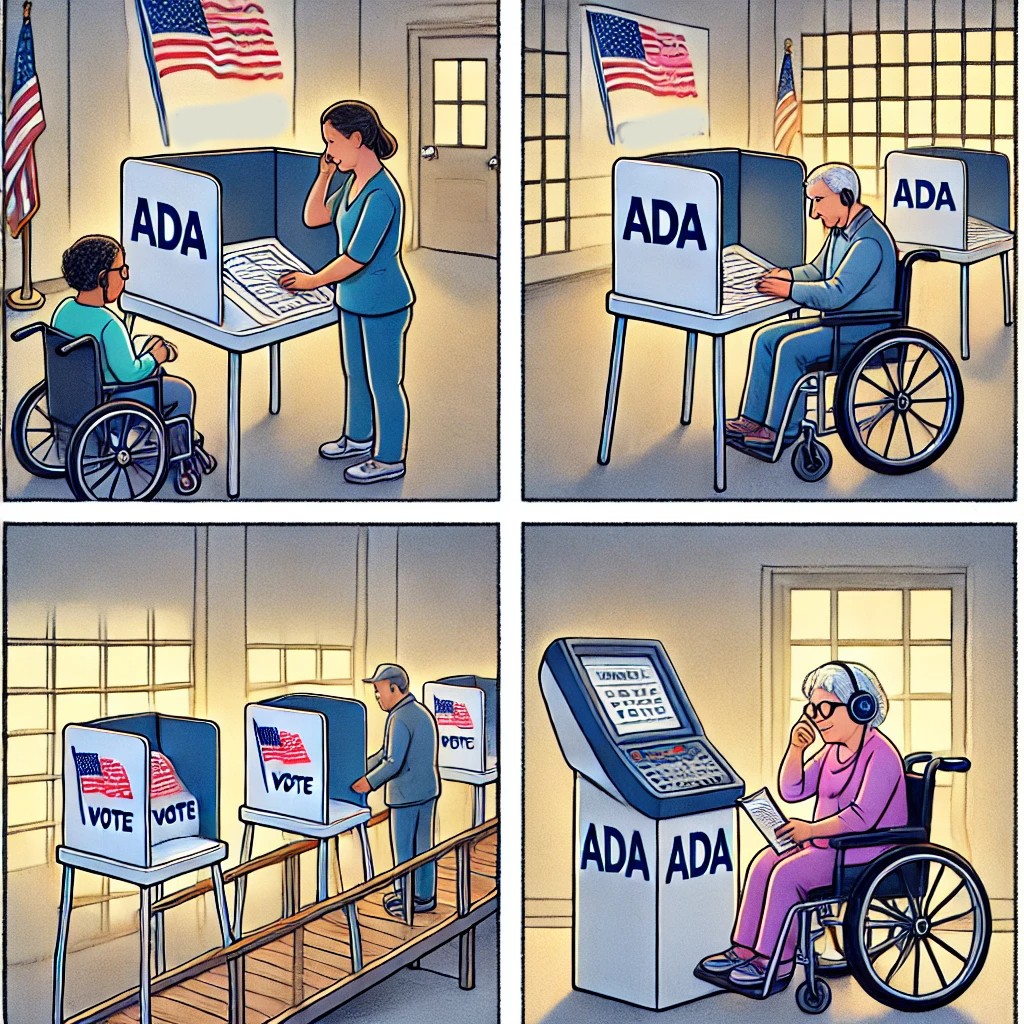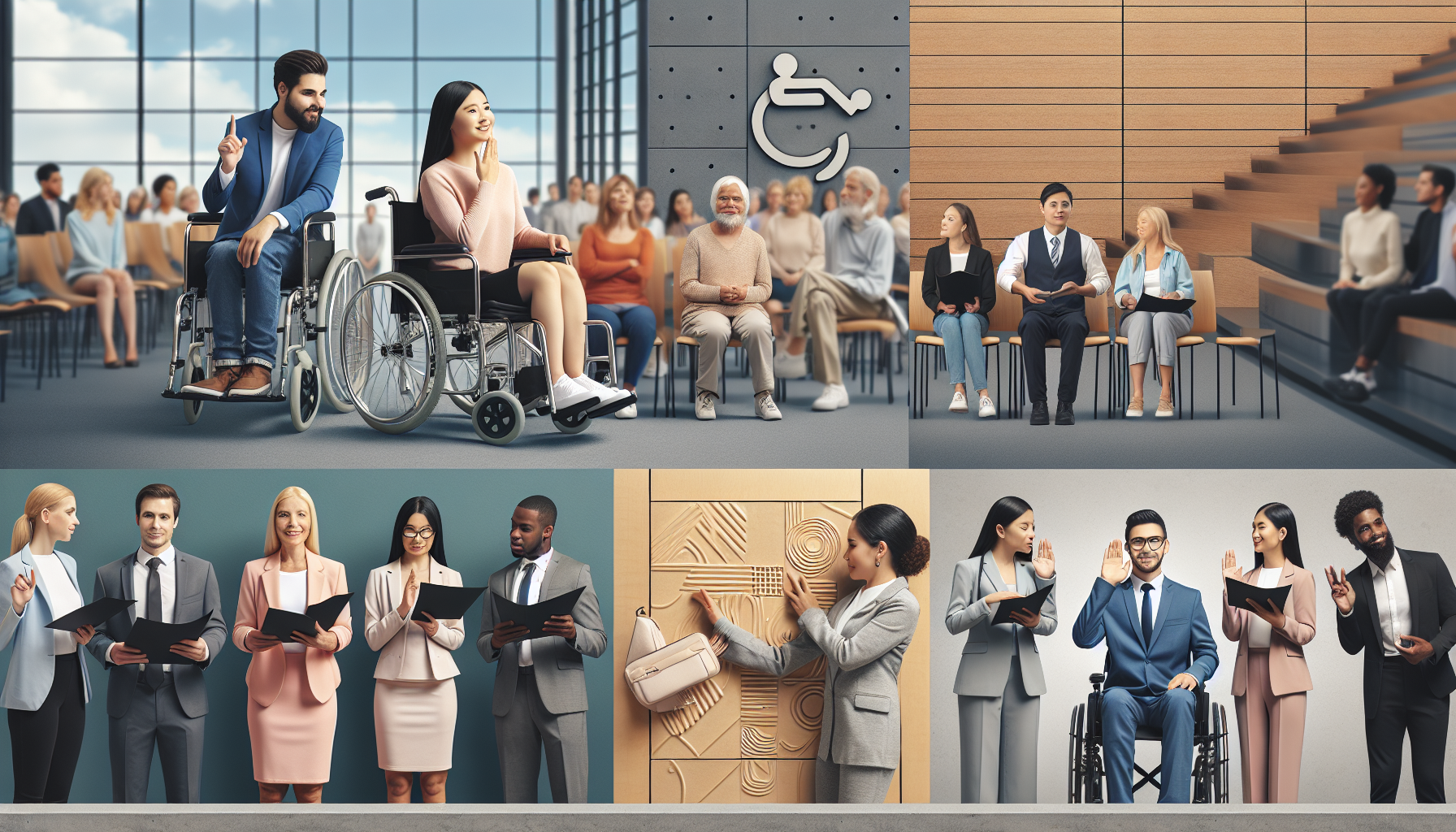
The Americans with Disabilities Act, or ADA, shapes how public events are planned, promoted, and experienced in the United States. When people ask what access at an event really means, the answer is straightforward: attendees with disabilities must have an equal opportunity to participate, communicate, move through the space, and enjoy the same benefits offered to everyone else. In practice, that includes wheelchair access, effective communication for people who are deaf or blind, fair ticketing policies, reasonable modifications to standard procedures, and staff who know how to respond appropriately. For event organizers, venue operators, exhibitors, sponsors, and security teams, ADA compliance is not a side issue. It is a core civil rights obligation.
Public events cover a wide range of settings: conferences, concerts, festivals, trade shows, lectures, sports events, civic meetings, fundraisers, and community celebrations. Some are hosted by government agencies, while others are run by private businesses or nonprofit organizations. The legal rules can vary slightly depending on who operates the event and where it takes place, but the baseline principle stays the same. Access must be built into the event experience, not improvised after a complaint. I have seen events succeed when accessibility was integrated into site selection, registration, transportation planning, stage design, restroom layout, signage, emergency procedures, and digital communications from the start. I have also seen preventable failures, such as inaccessible shuttle buses, captioning omitted from keynote sessions, or VIP areas reachable only by stairs.
This article serves as a hub for basic rights under the ADA as they apply to public events. It explains the major legal concepts, the practical standards event teams should know, and the common questions attendees ask before deciding whether to register. It also points toward the broader rights and protections framework that supports equal participation in public life. Whether you are an event planner building a compliance checklist, a venue manager reviewing your policies, or an attendee trying to understand your rights, the key message is clear: access is not a courtesy. It is a legal requirement and a measure of whether an event is truly open to the public.
What the ADA Requires at Public Events
The ADA is a federal civil rights law enacted in 1990 and later strengthened by the ADA Amendments Act of 2008. For public events, the most relevant parts are usually Title II, which applies to state and local government programs and services, and Title III, which applies to places of public accommodation operated by private entities. Public accommodations include hotels, convention centers, theaters, stadiums, restaurants, museums, retail spaces, private schools, and many other venues used for events. The Department of Justice enforces these rules, and the 2010 ADA Standards for Accessible Design provide technical requirements for many built-environment features.
At a basic level, the ADA prohibits discrimination on the basis of disability and requires equal access. That means an event cannot exclude a person because of disability, deny participation through inaccessible policies or physical barriers, or offer a lesser experience when a comparable accessible option can reasonably be provided. The law also requires reasonable modifications to policies, practices, and procedures when necessary to avoid discrimination, unless doing so would fundamentally alter the nature of the event. Effective communication must be provided to people with hearing, vision, or speech disabilities, and architectural barriers must be removed where required and readily achievable under the law.
Many organizers assume ADA compliance begins and ends with a ramp. That is incorrect. Access includes parking, route continuity, registration counters, seating dispersion, restroom access, service animal policies, wayfinding, websites, mobile apps, emergency evacuation procedures, concession lines, auxiliary aids, and post-event materials. If a conference app is unreadable by screen readers, a blind attendee may be shut out of schedules and room changes. If a comedy show uses only audio announcements for seating and emergencies, deaf attendees may miss essential information. Equal access is always about the full journey, not one isolated feature.
Basic Rights Under the ADA for Event Attendees
People attending public events have several foundational rights under the ADA. First, they have the right to enter and use the event space through an accessible route when one is required. Second, they have the right to participate in the main program rather than being segregated into inferior or separate areas unless no equal option is available. Third, they have the right to request reasonable modifications and appropriate auxiliary aids and services when needed for effective communication and participation. Fourth, they have the right to be accompanied by a service animal in areas where the public is normally allowed, subject to narrow exceptions. Fifth, they have the right not to be charged extra because access features or accommodations are needed.
These rights apply at multiple stages. Before the event, registration platforms should let attendees identify accommodation needs without unnecessary medical disclosure. During the event, staff should respond consistently and respectfully, using a process that solves access issues quickly. After the event, recordings, slides, and handouts should remain accessible when they are made available to the general audience. A common point of confusion is whether attendees must bring their own interpreter, captioning provider, or accessibility equipment. In most cases, if the organizer has a legal duty to provide effective communication, the organizer is responsible for arranging and funding the aid or service, absent a valid legal defense such as undue burden.
Attendees also have the right to dignity and privacy. Staff generally may not demand detailed proof of disability or ask intrusive questions unrelated to the accommodation request. For service animals, only two questions are usually allowed when the disability and task are not obvious: whether the animal is required because of a disability and what work or task the animal has been trained to perform. Staff may not require documentation, ask about the nature of the disability, or insist that the animal demonstrate the task. These details matter because many ADA disputes at events come from front-line staff making ad hoc decisions without training.
Physical Access, Seating, and Venue Design
Physical accessibility begins long before doors open. Site selection should review parking access aisles, passenger loading zones, curb ramps, door widths, vertical access, restroom configuration, stage or platform access, sales counters, and circulation routes. The 2010 ADA Standards set measurable requirements for many of these features, including clear floor space, turning radius, accessible toilet compartments, and assembly-area wheelchair spaces. In my experience, the most overlooked issue is route continuity. A venue may have an accessible entrance and restroom, yet a threshold, temporary cable cover, steep outdoor path, or blocked hallway can still make the event inaccessible in practice.
Assembly areas such as theaters, ballrooms, lecture halls, and arenas must provide wheelchair spaces and companion seating integrated into the seating plan. Accessible seating should offer lines of sight comparable to those for other attendees, including over standing spectators where required. It should be dispersed across different price levels and viewing angles when the venue layout supports that. Selling all accessible seats to the general public too early, or holding them back in a way that excludes disabled patrons from premium options, can create compliance problems. Ticketing policies should align with Department of Justice guidance and allow disabled patrons to purchase accessible seating during the same sales phases available to others.
Temporary events create special challenges because tents, portable toilets, fencing, food service stations, and pop-up stages are often installed quickly. Temporary does not mean exempt. An outdoor festival still needs accessible routes over stable surfaces, viewing areas that actually allow a wheelchair user to see the performance, and food or merchandise counters that can be reached and used. If shuttles connect parking to the venue, accessible transportation must be part of the fleet. If a speaker platform is central to the event, a presenter with a mobility disability must be able to get onto it. Planning for these conditions early is cheaper and more effective than retrofitting on event day.
Communication Access and Digital Accessibility
Effective communication is one of the most important ADA requirements at public events. Organizers must ensure that communication with people who have hearing, vision, or speech disabilities is as effective as communication with others. The proper aid or service depends on the context, the complexity of the communication, and the person’s usual method of communication. Examples include qualified sign language interpreters, Communication Access Realtime Translation captioning, assistive listening systems, large print materials, Braille in limited contexts, accessible electronic documents, tactile signage, and staff who know how to provide information in alternate formats.
Captioning deserves special attention because it supports multiple audiences at once. At conferences, I recommend live captioning for keynote sessions, breakout rooms with advance requests, and accurate captions on post-event recordings. Interpreters may be necessary for interactive sessions, networking events, or legal and educational programs where nuance matters. Assistive listening systems are often mandatory in assembly areas with audio amplification under ADA standards, yet many venues either do not maintain them or fail to advertise availability. An accessible event page should state what communication services are available, how to request additional accommodations, and the deadline for doing so, while still considering late requests in good faith.
Digital accessibility now affects nearly every public event. Registration websites, ticketing systems, mobile event apps, QR-code menus, presentation slides, livestream platforms, and downloadable agendas all shape whether attendees can participate independently. While the ADA does not contain a single web rule written into the statute, organizations widely rely on the Web Content Accessibility Guidelines, especially WCAG 2.1 AA, as the practical benchmark. Basic steps include keyboard navigation, alt text for meaningful images, sufficient color contrast, accessible PDFs, properly labeled form fields, and compatibility with screen readers such as JAWS, NVDA, and VoiceOver.
| Access area | Common barrier | Better event practice |
|---|---|---|
| Registration | Unlabeled online form fields | Use WCAG-aligned labels, error prompts, and keyboard support |
| Main stage | No live captions or interpreter feed | Provide CART, interpreters, and visible display placement |
| Seating | Wheelchair spaces only at the back | Disperse accessible seating across price and viewing options |
| Transportation | Standard shuttle buses only | Include accessible vehicles on the same schedule |
| Materials | Image-only PDFs and tiny print handouts | Offer accessible digital files and large-print versions |
Policies, Service Animals, and Reasonable Modifications
Event accessibility depends as much on policy as on architecture. A venue may be technically accessible and still violate the ADA if its rules prevent equal participation. Common examples include no-food policies that ignore medical needs, strict queueing systems that do not accommodate people who cannot stand for long periods, badge pickup processes available only at high counters, or emergency procedures that assume everyone can hear alarms or descend stairs without assistance. Reasonable modifications are the tool the ADA uses to address these situations. The request should be evaluated individually, and the answer should focus on enabling participation, not protecting routine habits.
Service animals are another area where poor policies create friction. Under the ADA, a service animal is generally a dog trained to do work or perform tasks for a person with a disability. Miniature horses may also need separate assessment under specific factors. Emotional support animals are not automatically covered as service animals under the ADA in public accommodations. Event staff should know where service animals are allowed, how to avoid improper questioning, and when removal is permitted, such as when the animal is out of control and the handler does not take effective action, or the animal is not housebroken. Fear of dogs or allergies usually does not justify exclusion by itself.
Staff training makes these rules real. Front-of-house teams need scripts for accommodation requests, ticketing teams need accessible seating procedures, security needs guidance on mobility devices and service animals, and speakers need reminders to describe visual content and use microphones consistently. The best event operations plans include an accessibility coordinator, escalation steps for unresolved issues, vendor requirements written into contracts, and post-event review of complaints and near misses. When accessibility is assigned clearly, problems are solved faster and with less conflict.
Enforcement, Complaints, and Building Better Events
If an attendee believes an event violated the ADA, several options may exist. The person can raise the issue directly with the organizer or venue, file a complaint with the U.S. Department of Justice in appropriate cases, pursue remedies through other agencies depending on the setting, or consult legal counsel about private enforcement. Government-hosted events may also have ADA coordinators and grievance procedures. Documentation matters. Keep registration confirmations, screenshots of inaccessible webpages, photos of barriers, names of staff involved, and written records of accommodation requests. Specific evidence helps show whether the issue was isolated, systemic, or a failure to provide timely modification.
For organizers, the best strategy is prevention. Conduct an accessibility audit before contracting a venue. Review physical conditions against the 2010 ADA Standards, test digital tools against WCAG criteria, inspect ticketing workflows, confirm assistive listening inventory, and run staff drills for communication access and evacuation. Include accessibility language in sponsor agreements, exhibitor manuals, and vendor scopes of work. Ask speakers for slides in advance, caption videos before presentation day, and budget for accommodations as a normal event cost rather than an exception. These steps reduce legal risk, but more importantly, they improve attendance, reputation, and trust.
ADA in public events is ultimately about equal participation in civic, cultural, educational, and commercial life. Basic rights under the ADA give attendees a framework for asking for access without apology and give organizers a framework for delivering events that welcome the full public. The practical standard is simple: if a disabled attendee cannot register, enter, navigate, communicate, or participate on terms comparable to others, the event design is incomplete. Use this hub as your starting point for rights and protections, then review your venues, policies, technology, and staff training with fresh eyes. Better access is achievable, measurable, and worth doing before the next event opens its doors.
Frequently Asked Questions
What does ADA compliance mean for public events?
ADA compliance at public events means attendees with disabilities must have an equal opportunity to access, participate in, and enjoy the event in the same meaningful way as other guests. That applies to the full event experience, not just the entrance. Organizers need to think about parking, drop-off areas, ticketing, registration, seating, stage viewing, restrooms, concessions, emergency procedures, and communication access. If a person uses a wheelchair, for example, access means more than having a ramp at the door; it also means there should be usable routes through the venue, accessible seating options integrated with general seating, and access to amenities such as food service and restrooms.
The ADA also covers effective communication for people who are deaf, hard of hearing, blind, or have low vision. Depending on the event, that may include sign language interpreters, real-time captioning, assistive listening systems, large-print or digital materials, Braille signage, or staff assistance. Just as important, event policies must be fair. Ticketing systems, seating assignments, companion seating, service animal policies, and accommodation request processes should not place unnecessary barriers on attendees with disabilities. In short, ADA compliance is about planning for equal access from the first promotional announcement to the final guest departure.
What accessibility features should event planners include from the start?
The best approach is to build accessibility into the event from the earliest planning stages rather than trying to add it later. Start with the venue itself. Look for accessible parking, step-free entrances, elevators where needed, wide pathways, accessible restrooms, and seating areas that work for people with mobility devices. Seating should be distributed in a way that gives attendees with disabilities choices comparable to those offered to others, including different price levels and sightlines when applicable. Routes between event areas should be clearly marked and easy to navigate.
Communication access should also be part of the initial plan. If the event includes speeches, performances, panels, or announcements, planners should evaluate whether captioning, interpreters, assistive listening devices, or accessible presentation materials are needed. Online information matters too. Event websites, registration forms, and digital tickets should be accessible to screen readers and easy to use for people with vision, mobility, or cognitive disabilities. It is also wise to include a clear point of contact for accommodation requests and to share accessibility details in advance, such as entrance options, restroom availability, seating arrangements, and any sensory considerations. When accessibility is included early, the event runs more smoothly and serves more people effectively.
How does the ADA affect ticketing and seating at public events?
The ADA requires ticketing and seating policies to give people with disabilities a fair chance to attend and enjoy the event. Accessible seating cannot be treated as an afterthought or offered only in limited, undesirable locations. It should be integrated into the venue and made available across a range of pricing and viewing options comparable to standard seating. In many cases, attendees who purchase accessible seating also need companion seating, and those arrangements should be handled in a practical, respectful way that allows people to attend with family members, friends, or aides.
Ticketing systems should also be accessible in how they function. That means people with disabilities should be able to buy tickets during the same sales periods, through the same general process, and without facing extra burdens that others do not face. If proof of disability is requested in limited circumstances, policies should be lawful, consistent, and not unnecessarily intrusive. Event staff should be trained to understand how accessible seating inventory works, how exchanges are handled if needs change, and how to respond when standard seating is sold out but accessible seating remains. Good ADA ticketing practices protect equal opportunity while helping organizers avoid confusion, complaints, and preventable access barriers.
What are effective communication requirements under the ADA for events?
Effective communication means providing people with disabilities the information they need in a format they can use, and doing so in a way that is timely and as equivalent as possible to the experience of other attendees. For people who are deaf or hard of hearing, this may involve qualified sign language interpreters, open or closed captioning, CART services, assistive listening systems, or written materials that support live content. For people who are blind or have low vision, it can include accessible digital documents, large-print programs, Braille materials in some situations, audio descriptions, and staff who can provide orientation or verbal guidance.
What is required depends on the nature of the event, the size and resources of the organizer, and the type of communication involved, but the goal remains the same: meaningful access. A fast-moving conference, a public meeting, a concert, and a street festival may each call for different solutions. Organizers should not guess at what people need. Instead, they should invite accommodation requests, respond promptly, and evaluate what aids or services are appropriate. Staff should also know how to communicate respectfully and directly with attendees with disabilities. Effective communication is not just about legal compliance; it is central to whether someone can fully understand, engage with, and benefit from the event.
How can event organizers make public events more inclusive beyond basic ADA compliance?
Meeting the minimum requirements of the ADA is essential, but the most successful public events go further by treating accessibility as part of overall event quality. That starts with inclusive planning. Organizers can consult people with disabilities, accessibility professionals, and community groups when designing the event experience. They can provide detailed accessibility information in promotional materials, including transportation options, venue layout, restroom access, quiet spaces, interpreter availability, and how to request accommodations. Clear, proactive communication helps attendees plan confidently and reduces last-minute challenges.
Inclusion also depends on staff preparation and event culture. Front-line staff, volunteers, ushers, and security personnel should understand accessibility features, know how to guide guests to them, and interact respectfully without making assumptions. Organizers can consider sensory-friendly spaces, flexible seating arrangements, lower counters for check-in, accessible food service lines, and emergency evacuation plans that include disabled attendees. They should also review temporary elements such as stages, tents, portable restrooms, and crowd-control barriers, since these can create access problems even at otherwise accessible venues. When accessibility is treated as a standard part of hospitality and operations, public events become more welcoming, legally stronger, and better for everyone.