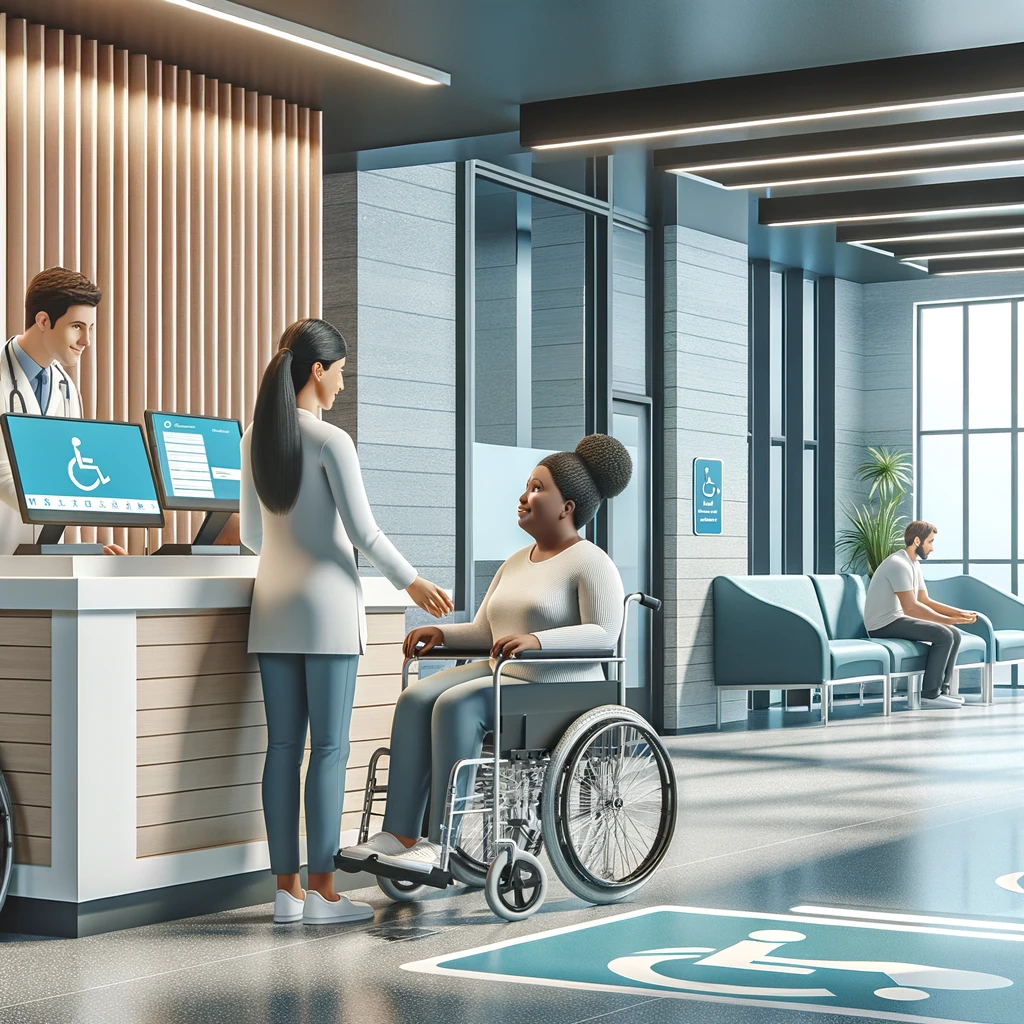
Aging populations rely on the Americans with Disabilities Act for practical, enforceable protections that support equal access to work, transportation, public services, housing-related interactions, digital information, and everyday community life. In this context, aging populations means older adults, including people who develop mobility, hearing, vision, cognitive, or chronic health limitations later in life. ADA rights are the legal guarantees that covered entities cannot exclude, segregate, or unfairly burden a qualified person with a disability when reasonable modifications, effective communication, or barrier removal can provide access. I have worked with older clients, caregivers, and service providers on ADA compliance questions, and the same pattern appears repeatedly: many people know the law exists, but far fewer understand what it actually protects, where it applies, and how to assert their rights without delay.
That knowledge gap matters because disability becomes more common with age, yet older adults are often told their access problems are just a normal part of getting older. The ADA does not treat preventable barriers as inevitable. It requires covered employers, state and local governments, and businesses open to the public to make access real, not theoretical. The law does not guarantee perfection, and it does not cover every age-related challenge. It also interacts with other laws, including the Rehabilitation Act, the Fair Housing Act, the Family and Medical Leave Act, state civil rights laws, and Medicare or Medicaid program rules. Still, as a rights-and-protections framework, the ADA is the central starting point for understanding basic legal protections for older adults with disabilities in the United States.
For aging populations, the most important question is usually simple: what can I ask for, and what must an organization do? The short answer is that the ADA protects equal opportunity. A person may request a reasonable accommodation at work, a reasonable modification to policies in a public-facing business, auxiliary aids and services for effective communication, or removal of architectural barriers where readily achievable. Public entities must ensure program access, and transportation providers have accessibility duties that are highly specific. These rights are strongest when people describe the functional limitation, the barrier, and the change needed to remove it. Understanding those basics helps older adults, family members, and advocates move from frustration to action.
Who Is Protected Under the ADA
The ADA protects people with a physical or mental impairment that substantially limits one or more major life activities, people with a record of such an impairment, and people regarded as having such an impairment. Major life activities include walking, seeing, hearing, standing, lifting, concentrating, communicating, and major bodily functions such as neurological, respiratory, and circulatory functions. For older adults, that can include arthritis that limits walking, macular degeneration affecting vision, hearing loss requiring captioning, Parkinson’s disease affecting balance and speech, diabetes affecting endocrine function, chronic obstructive pulmonary disease limiting breathing, or mild cognitive impairment that changes how instructions must be communicated. Age by itself is not a disability under the ADA, but age-related impairments often qualify.
The definition is intentionally broad. After the ADA Amendments Act of 2008, courts were directed to interpret disability coverage in favor of broad protection. In practice, that means the legal fight is usually not about whether an older person is disabled enough. It is about whether the organization involved met its duty to provide access. Episodic conditions and conditions in remission can still qualify if they would substantially limit a major life activity when active. The law also looks at a person without considering most mitigating measures, such as medication, hearing aids, prosthetics, or mobility devices, although ordinary eyeglasses are treated differently. That detail matters because many older adults manage their impairments effectively but still encounter barriers that require legal protection.
Basic Rights in Employment, Public Services, and Public Accommodations
ADA rights are organized by title, and understanding those buckets clarifies where to look when a barrier appears. Title I covers employment for employers with fifteen or more employees, along with employment agencies and labor organizations. Title II covers state and local government programs, services, and activities. Title III covers public accommodations and commercial facilities, including private businesses open to the public such as hospitals, doctor’s offices, grocery stores, pharmacies, banks, hotels, restaurants, theaters, senior centers run by private nonprofits, and retail stores. Telecommunications and relay obligations arise under another title, and digital accessibility often fits within the communication and equal access rules of these major sections.
For aging populations, these categories map directly onto daily life. An older worker with arthritis may need an ergonomic workstation under employment rules. A city-run senior transportation service must be accessible under public service rules. A private medical practice must communicate effectively with a patient who has hearing loss under public accommodation rules. A supermarket cannot refuse entry to a person using a wheelchair because aisles are cluttered. A courthouse must offer program access, even if the building is historic. These are not special favors. They are civil rights obligations designed to prevent exclusion caused by inaccessible design, rigid policies, or communication failures.
| Setting | Common Barrier for Older Adults | Typical ADA Protection |
|---|---|---|
| Workplace | Pain, fatigue, hearing loss, limited mobility | Reasonable accommodation and non-discrimination |
| City or county services | Inaccessible meetings, forms, transit, buildings | Program access, effective communication, policy modification |
| Hospitals and clinics | No interpreter, no captioning, inaccessible exam equipment | Auxiliary aids, accessible facilities, equal service |
| Retail and restaurants | Steps, narrow routes, refusal of service animal | Barrier removal and reasonable modification |
| Transportation | Boarding barriers, inadequate paratransit | Accessible vehicles and complementary paratransit duties |
Reasonable Accommodations and Modifications in Plain Terms
A reasonable accommodation is a change that helps a qualified employee perform a job or enjoy equal benefits of employment. A reasonable modification is a change in policy, practice, or procedure that allows access in government services or public-facing businesses. The terms differ by context, but the practical issue is the same: what adjustment removes the disability-related barrier without fundamentally altering the service or imposing undue hardship or undue burden? In my experience, older adults often frame requests too broadly, saying they need help in general. Strong requests are more specific: a stool at a service counter, extra time for forms, large-print notices, a quiet room for orientation, a flexible start time for morning stiffness, or permission to use a mobility scooter.
The law favors an interactive, problem-solving approach. In employment, that process is formal enough that documentation is often useful, especially when the disability or need is not obvious. Employers may ask for reasonable medical support related to the limitation and accommodation need, but they cannot demand unlimited records. In public services and public accommodations, organizations should respond promptly and consider alternatives if the initial request is not feasible. An example: an older adult with severe hearing loss attending a public benefits interview may ask for real-time captioning. If on-site captioning is unavailable on short notice, the agency still must provide an effective alternative, such as a qualified video remote interpreting setup or rescheduling with the correct aid, depending on what communication method is effective for that person.
Accessibility in Buildings, Transportation, and Digital Spaces
Physical access remains the issue older adults mention first because it is visible and immediate. Entrances without ramps, heavy doors without automatic operators, inaccessible parking, exam tables that do not lower, broken elevators, poor wayfinding, and restrooms without proper clearances can turn a routine errand into an exclusion. Under Title III, businesses must remove architectural barriers in existing facilities when removal is readily achievable, meaning easily accomplishable without much difficulty or expense. New construction and alterations must comply with the 2010 ADA Standards for Accessible Design. Under Title II, state and local governments must ensure program access, which may involve structural changes, relocation of services, or accessible routes. Transportation rules add requirements for lifts, securement areas, stop announcements, and complementary paratransit under U.S. Department of Transportation regulations.
Digital access now matters just as much. Older adults increasingly schedule medical appointments, apply for benefits, review transit alerts, sign leases, and attend telehealth visits online. If websites, apps, kiosks, or PDFs are unusable with screen readers, keyboard navigation, captions, color contrast, or resizable text, the barrier is no less real than a flight of stairs. The Department of Justice has repeatedly taken the position that covered entities must provide accessible digital services, and courts have often looked to WCAG standards as the technical benchmark. In practice, accessible design helps many aging users, including people with tremors, low vision, hearing loss, and reduced short-term memory. Good accessibility is not merely compliance; it is basic service usability.
Communication Rights, Service Animals, and Health Care Access
Effective communication is one of the most misunderstood ADA rights for aging populations. Organizations cannot simply provide any aid they prefer; they must provide communication that is actually effective for the individual. That may mean qualified sign language interpreters, video remote interpreting that meets performance standards, CART captioning, written exchange, assistive listening systems, large print, braille, accessible electronic documents, or staff who know how to communicate clearly with someone who has speech or cognitive limitations. Hospitals, clinics, pharmacies, and public agencies frequently fail here by relying on family members, speaking louder instead of providing the right aid, or handing out unreadable forms. Those shortcuts create legal risk and can cause serious medical or financial harm.
Service animal rights are also essential. Under the ADA, a service animal is generally a dog individually trained to do work or perform tasks for a person with a disability. For older adults, that can include balance support tasks, seizure response, medication retrieval, or alerts related to hearing loss. Businesses usually may ask only two questions when the need is not obvious: whether the dog is required because of a disability and what work or task the dog has been trained to perform. They cannot require certification papers. Emotional support animals are treated differently under the ADA, although other laws may apply in housing. In health care settings, equal access also includes accessible medical equipment and safe transfer practices. An accessible entrance means little if a patient cannot get onto an exam table or weight scale.
Limits, Enforcement, and How Older Adults Can Assert Their Rights
The ADA has real limits, and understanding them prevents wasted time. Employers are not required to remove essential job functions, create entirely new positions, or provide accommodations that cause undue hardship. Public accommodations do not have to make changes that would fundamentally alter the nature of the service. Existing facilities are not always required to become fully barrier free overnight if removal is not readily achievable, though alternatives still may be required. The ADA also does not usually govern private housing itself in the same way it governs stores, offices, or city programs; housing questions often trigger the Fair Housing Act instead. Because aging populations often interact with senior housing, assisted living, hospitals, and home care providers, it is important to identify which law applies before filing a complaint.
Enforcement paths vary by title. Employment complaints generally go first to the Equal Employment Opportunity Commission, which has filing deadlines that can be as short as 180 days, extended to 300 days in many states with a fair employment agency. Title II and Title III complaints may be filed with the U.S. Department of Justice, and transportation complaints may also involve the Federal Transit Administration or other agencies. Many disputes are resolved faster through direct written requests, internal grievance procedures, or counsel-supported negotiation. The strongest complaints are factual and specific: identify the disability-related limitation, the date and place, the barrier encountered, the request made, the response received, and the practical fix needed. Older adults and caregivers should document everything, act quickly, and seek legal help when access denials affect health, income, safety, or independence.
For aging populations, the ADA is not an abstract statute. It is the day-to-day rulebook for equal participation in work, government services, transportation, health care, commerce, and community life. The basic rights under the ADA are clear: covered entities cannot discriminate, must address avoidable barriers, must communicate effectively, and must consider reasonable accommodations or modifications that allow access. Those protections matter most when aging brings changes in mobility, hearing, vision, stamina, dexterity, or cognition that institutions fail to anticipate. The law recognizes that exclusion often comes from systems, not from the person seeking access.
The practical lesson is equally clear. Older adults should not assume an access problem is too minor to raise or too ordinary to matter. A broken accessible route, unreadable digital form, denied interpreter request, rigid attendance rule, or inaccessible exam table can all implicate enforceable rights. Start by naming the barrier and the needed change in plain language. Then put the request in writing, keep records, and follow the applicable complaint process if the response is delayed or denied. As the hub for basic rights under the ADA, this page provides the foundation for deeper topics across rights and protections. Use it to review your situation, identify the correct legal category, and take the next step toward equal access.
Frequently Asked Questions
What ADA rights and protections do aging populations have in everyday life?
Older adults who develop mobility, hearing, vision, cognitive, or chronic health limitations later in life may be protected by the Americans with Disabilities Act when those limitations substantially affect major life activities such as walking, seeing, hearing, communicating, concentrating, caring for oneself, or working. In practical terms, ADA rights help ensure that covered employers, state and local government agencies, transportation providers, and businesses open to the public do not exclude, deny service to, or unfairly separate older adults because of disability. These protections apply to many day-to-day situations, including visiting a doctor’s office, using public transit, accessing government services, shopping in stores, attending community events, and using websites or digital tools offered by covered entities.
The ADA does not guarantee every service in every setting, and it does not apply in exactly the same way to all housing situations, but it does create enforceable standards against disability-based discrimination. That can include the right to effective communication, reasonable policy modifications, accessible routes and entrances, auxiliary aids and services where required, and equal opportunity to participate in programs and services. For aging populations, this often means being able to ask for practical changes that make participation possible without changing the essential nature of the program or creating an undue burden. The law is especially important because many older adults encounter barriers that are not always obvious, such as confusing digital forms, poor captioning, inflexible appointment systems, or service policies that fail to account for disability-related needs.
How does the ADA protect older adults in the workplace?
In employment, the ADA generally applies to private employers with 15 or more employees, as well as state and local government employers, and it prohibits discrimination against qualified individuals with disabilities. For aging workers, this may matter when age-related impairments affect stamina, mobility, dexterity, hearing, vision, or other functions needed on the job. A worker does not lose ADA protection simply because a condition developed later in life. If the person is qualified to perform the essential functions of the job, with or without a reasonable accommodation, the employer generally must evaluate accommodation requests in good faith and may not make decisions based on stereotypes about age, retirement, productivity, or disability.
Reasonable accommodations for older workers can include modified schedules, reassignment to a vacant position when appropriate, ergonomic equipment, screen readers or larger monitors, assistive listening devices, changes in workplace policies, remote-work adjustments where suitable, or additional unpaid leave if it does not create an undue hardship. The ADA also limits disability-related inquiries and medical examinations, and it requires confidentiality for medical information. Importantly, the law focuses on function and job requirements, not assumptions. An employer cannot lawfully sideline an older employee just because it believes the employee may struggle in the future. Instead, the employer must assess the actual situation and engage in an interactive process to determine whether a workable accommodation exists.
Does the ADA cover transportation, public services, and community access for older adults?
Yes. The ADA includes strong protections involving state and local government services and public transportation, both of which are central to independent living for older adults. Public entities must provide people with disabilities an equal opportunity to benefit from programs, services, and activities. That can affect senior centers, voting locations, public libraries, parks, municipal offices, and emergency preparedness systems. If an older adult cannot access a service because of stairs, inaccessible service counters, lack of captioning, unreadable materials, or communication barriers, the ADA may require changes that provide meaningful access. Public transportation systems also have obligations involving accessible buses, paratransit service for eligible riders, stop announcements, lift maintenance, and non-discriminatory policies.
These protections matter because access problems often arise in routine community life rather than dramatic one-time events. An older adult may need clear signage, an accessible entrance, a policy exception for disability-related assistance, or communications in an alternate format such as large print, audio, or qualified interpretation. The ADA is designed to prevent exactly the kind of exclusion that happens when a service technically exists but is not realistically usable by a person with a disability. While not every inconvenience is a legal violation, covered entities must take reasonable steps to remove barriers and provide access unless doing so would fundamentally alter the service or create an undue financial or administrative burden under the law.
How does the ADA apply to digital access, communication, and information for aging populations?
Digital access is an increasingly important ADA issue for older adults because so many essential services now depend on websites, mobile apps, online forms, patient portals, appointment systems, transit updates, and electronic documents. When a covered business or public entity provides information or services digitally, those systems should be accessible to people with disabilities, including older adults with low vision, hearing loss, limited manual dexterity, speech limitations, or cognitive impairments. In practice, accessibility may include compatibility with screen readers, keyboard navigation, readable text contrast, captions for video content, transcripts for audio, properly labeled forms, and clear, predictable navigation. If online access is unusable, equal access may be denied even if a service is theoretically available.
The ADA also protects effective communication more broadly, not just online. Older adults may need communication supports in healthcare-adjacent public settings, government offices, transportation systems, and public accommodations. Depending on the situation, that could mean qualified sign language interpreters, assistive listening systems, written materials in alternative formats, or staff procedures that allow more effective interaction. Covered entities generally cannot rely on one-size-fits-all communication methods when they know a person’s disability requires a different approach. For aging populations, this is especially significant because communication barriers can lead to missed appointments, misunderstandings about benefits or services, and reduced independence. The ADA helps ensure that access to information is real, not merely formal.
What should an older adult do if they believe their ADA rights have been violated?
If an older adult believes a covered employer, public entity, transportation provider, or business open to the public has denied access or failed to provide a legally required accommodation, the first step is often to document what happened as clearly as possible. Helpful details include dates, times, names, what service or program was involved, what barrier existed, what accommodation or modification was requested, and how the entity responded. In many situations, especially in public accommodations and services, raising the issue directly with a manager, ADA coordinator, human resources department, or customer service office can lead to a quicker resolution. A calm, specific request that explains the disability-related barrier and identifies a workable solution is often effective.
If the problem is not resolved, formal complaint options may be available depending on the setting. Employment complaints under the ADA are commonly filed with the Equal Employment Opportunity Commission within applicable deadlines. Complaints involving state or local government services or public accommodations may be directed to the U.S. Department of Justice, relevant federal agencies, local grievance procedures, or the courts. Some transportation issues may also involve the U.S. Department of Transportation or transit-specific complaint systems. Because deadlines and procedures differ, it is wise to act promptly and, when possible, consult a disability rights organization, legal aid office, or attorney familiar with ADA enforcement. The ADA is not just a policy statement; it is an enforceable civil rights law, and older adults have the right to challenge exclusion, segregation, inaccessible communication, and denial of equal participation.