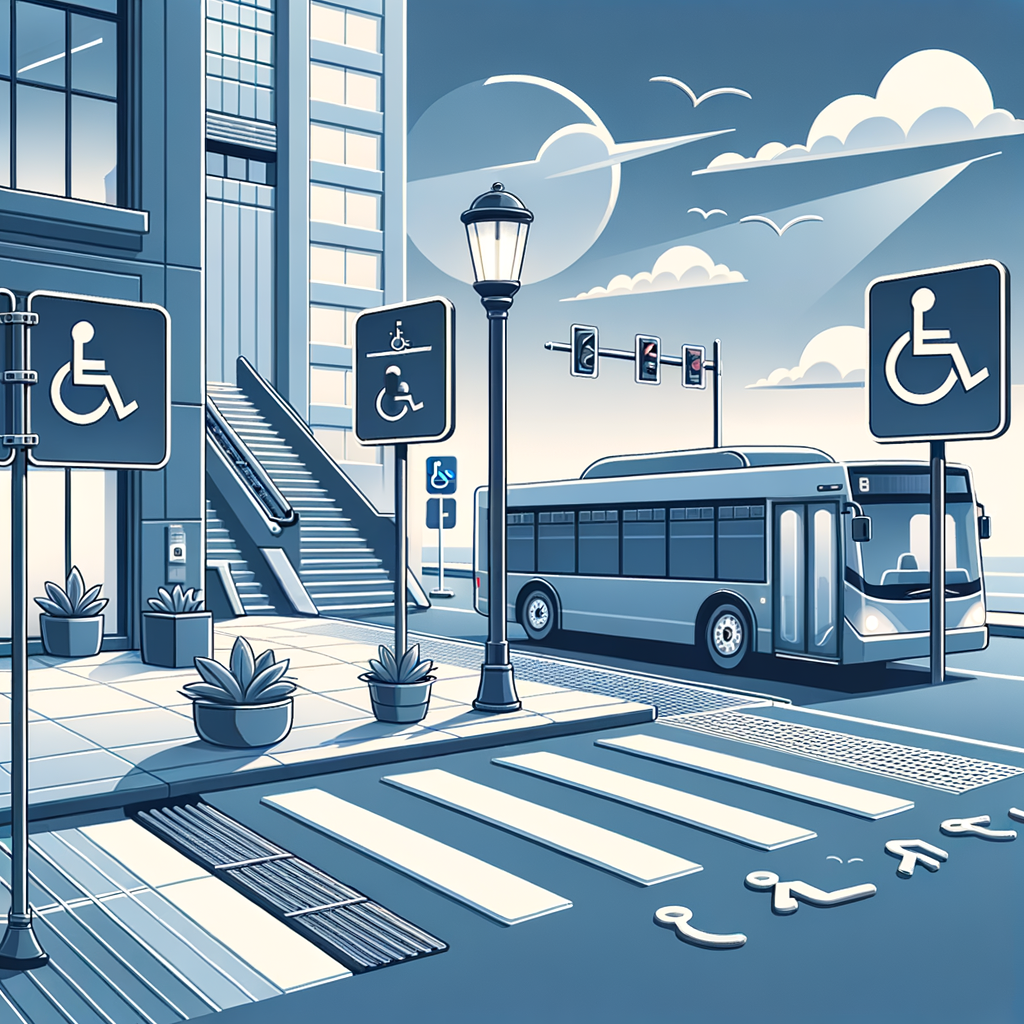
The heart of the Americans with Disabilities Act (ADA) lies in its mission to eliminate discrimination and ensure equal access for individuals with disabilities. Yet, achieving this ideal, particularly in public events, necessitates more than just awareness—it calls for deliberate action and consistent application of ADA principles. Public events vary broadly in nature, ranging from bustling festivals and informative conventions to somber ceremonies and community gatherings, each offering unique challenges and opportunities in accessibility. The determining factor for an event’s success lies in its ability to accommodate the diverse needs of its attendees, regardless of any physical or cognitive disabilities they may have. Understanding and implementing ADA guidelines in public events is crucial not only to promote inclusivity but also to demonstrate a commitment to social equity and diversity. Through analyzing real-world situations and practical case studies, this article aims to illuminate both common pitfalls and commendable successes in making public events accessible for all. Let’s embark on this journey, drawing inspiration and guidance from real-life instances, and explore how ADA compliance can transform spectator experiences, opening up public spaces to everyone with no exceptions.
The Importance of Accessible Public Events
Public events are potent expressions of community spirit and togetherness, acting as social glue that binds people through shared experiences. However, these events can often inadvertently exclude individuals with disabilities because of inadequate planning or a lack of understanding of accessibility requirements. The legal framework set by the ADA is designed to bridge this gap, mandating that public events must be accessible to all attendees, irrespective of their abilities. Accessibility in public events encompasses various facets including physical accessibility, communication needs, and sensory considerations. Having wheelchair-accessible paths, for instance, is essential, but equally important is ensuring audio-visual presentations cater to those with hearing or visual impairments. Moreover, inclusive events demonstrate an organization’s commitment to its larger role in the community, serving as an exemplar of equity and respect for diversity. As society continues to strive towards more equitable outcomes, the significance of universally accessible public events only amplifies. They represent an opportunity for hosts—be it local governments, private organizations, or individuals—to align themselves with values of inclusivity, turning compliance challenges into proactive planning processes that do not just meet but exceed ADA standards.
Case Study: Success in Accessibility Implementation
A prominent example that highlights successful ADA implementation in public events is the Chicago Jazz Festival. Held annually, this festival attracts jazz aficionados from all over, including individuals with disabilities. The organizers have gone beyond mere compliance by addressing a broad spectrum of accessibility concerns. They implemented physical access features like designated wheelchair-accessible seating areas and convenient ramps. In terms of communications, the festival provides printed materials in braille and employs American Sign Language (ASL) interpreters during performances for the hearing impaired. Additionally, the event offers sensory-friendly zones, catering to those with sensory sensitivities who might otherwise find such a bustling atmosphere overwhelming. This conscientious effort to create an inclusive environment has significantly improved the festival experience for all attendees, setting a standard for other events to follow. The Chicago Jazz Festival demonstrates that with thoughtful planning, accessibility can be seamlessly integrated, enriching the event experience for everyone while respecting the diversity of its audience.
Case Study: Learning from Oversights
Conversely, there have been instances where a failure to adequately plan for ADA compliance has resulted in exclusion and backlash, as seen with a well-intentioned but poorly executed art fair in New York City. The organizers, eager to promote cultural inclusivity, did not sufficiently consider the logistics involved in accessibility. Critical failures included insufficient wheelchair access—ramps were either missing or inadequately spaced, and accessible restrooms were sparse and not well-marked. This oversight led to frustration among attendees who relied on those features, casting a shadow over the event’s intended message of cultural inclusivity. The backlash served as a stark reminder for organizers that inclusivity begins long before the start of an event; it starts at the planning stages, requiring robust insight and foresight into the needs of disabled individuals. This event underscores the key lesson that ADA compliance isn’t just a legal obligation but a core component of effective event planning and community engagement.
Practical Strategies for ADA Compliance
Preparations for ADA compliance in public events should be marked by proactive engagement and meticulous planning rather than reactive adjustments. Here are some practical strategies that can assist event organizers in ensuring ADA compliance and promoting accessibility for all:
- Conducting Assessments: Prior to the event, organizers can perform an accessibility audit to spot potential issues. This includes evaluating entry and exit points, seating arrangements, restrooms, and navigation pathways.
- Training Staff and Volunteers: Empowering staff with knowledge about ADA demands and how to support attendees with disabilities is pivotal. Training should cover etiquette, communication techniques, and the use of equipment like portable ramps or hearing amplification systems.
- Incorporating Technology: Technology offers numerous solutions, from mobile apps that provide navigation assistance within the event venue to virtual attendance options for those unable to attend physically.
- Soliciting Feedback: Direct input from individuals with disabilities who have attended previous events can offer invaluable insights for enhancement.
The Broader Impact of Accessibility in Events
Ensuring ADA compliance in public events does more than uphold legal standards; it enriches the social fabric by encouraging interaction and engagement among diverse groups. Such efforts foster a culture of inclusion, turning public spaces into universally welcoming environments. Moreover, accessible events contribute significantly to community health and cohesion, providing opportunities for all community members to participate and interact meaningfully. By promoting equitable access, event planners reinforce the essential truth that disability doesn’t equate to lesser value, ability, or rights. Consequently, these efforts extend beyond the immediate goal of accessibility—they challenge stereotypes and reshape societal perceptions about individuals with disabilities, gradually but effectively promoting a more inclusive society. This holistic consideration of accessibility needs, therefore, not only enhances the immediate participant experience but also positively influences societal attitudes in the long-term.
Conclusion
In conclusion, ADA compliance in public events is not merely about adhering to regulations; it is a progressive step towards an inclusive society where everyone can participate in cultural, social, and communal activities equally. The case studies explored demonstrate both the successes and challenges in this ongoing journey. Public events serve as microcosms of society, reflecting our collective values and priorities. Thus, making these events accessible to all isn’t just a logistical challenge; it’s a moral imperative. Event organizers, stakeholders, and communities must work hand-in-hand, leveraging insights from past experiences and emerging technologies to ensure that public gatherings do not exclude but rather embrace the wealth of diversity present in our communities. As we look forward, the question is not whether we can afford to make events accessible, but whether we can afford not to, acknowledging that the richness of shared human experiences depends fundamentally on the ability of all to participate and engage in the dynamic life of their communities.
Frequently Asked Questions
1. What is the ADA and why is it important for public events?
The Americans with Disabilities Act (ADA) is a comprehensive civil rights law that prohibits discrimination against individuals with disabilities in all areas of public life. This includes jobs, schools, transportation, and all public and private places that are open to the general public. It’s crucial for public events because it ensures that venues and activities are accessible to everyone, enabling people with disabilities to participate fully in cultural, recreational, and community events. Achieving ADA compliance at events supports both the spirit and the letter of the law, fostering an inclusive environment.
2. What are some common barriers to ADA compliance at public events?
Some common barriers include:
- Physical barriers such as stairs without ramps or elevators, inaccessible seating, or cramped spaces that do not accommodate wheelchairs.
- Communication barriers, like events without sign language interpreters, closed captioning, or assistive listening devices for the hearing impaired.
- Lack of accessible signage or guides that cater to individuals with vision impairments.
- Inadequate training for staff and volunteers on how to assist guests with disabilities effectively.
3. How can event organizers ensure their event is ADA compliant?
Event organizers can start by familiarizing themselves with ADA requirements and best practices for accessibility. Here are some steps to ensure an event is ADA compliant:
- Conduct an accessibility audit of the venue to identify potential barriers and work to eliminate them.
- Ensure pathways, seating, restrooms, and exits are accessible to everyone.
- Provide information about accessibility options when promoting the event, so attendees know what to expect and request additional accommodations if necessary.
- Train staff and volunteers on how to interact with and support individuals with disabilities.
- Solicit feedback from past attendees who have disabilities to identify areas for improvement.
4. What is the role of technology in enhancing ADA accessibility at public events?
Technology can play a significant role in enhancing accessibility for individuals with disabilities at public events. Here are some ways technology can be utilized:
- Offer virtual participation options for those who cannot physically attend the event.
- Use apps or devices that provide real-time captioning and translations or that assist with communication among attendees and staff.
- Implement digital signage and navigation tools that support voice commands or textual instructions for those with visual impairments.
- Develop event websites and registration processes that are compatible with screen readers and other assistive technology.
5. What are some repercussions for failing to comply with ADA regulations at public events?
Failing to comply with ADA regulations can have several negative repercussions including:
- Legal consequences: Organizations may face lawsuits or fines if found non-compliant with ADA standards.
- Reputational damage: Negative publicity can arise if attendees with disabilities share their experiences of exclusion, potentially impacting future attendance and support.
- Reduced inclusivity and participation: A lack of accessibility can prevent individuals with disabilities from attending and fully participating in events, diminishing community engagement and diversity.