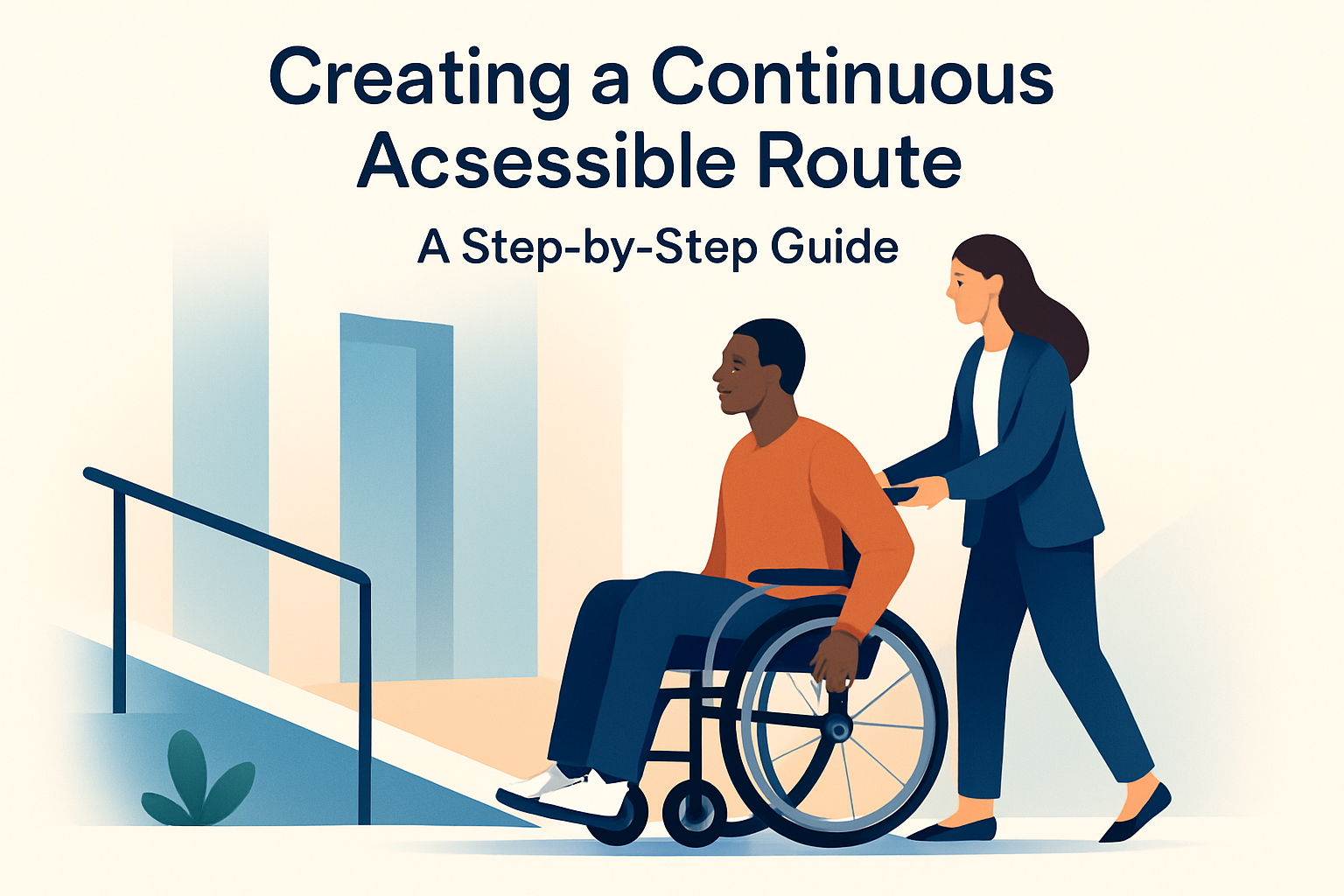
The Americans with Disabilities Act (ADA) is a cornerstone of ensuring accessibility within public spaces across the United States. A significant component of this act relates to the design and implementation of handrails, which are essential for individuals with mobility challenges, ensuring their safe navigation in environments. These handrails are not merely functional elements but are instrumental in promoting inclusivity. This article delves into the intricacies of ADA-compliant handrails, focusing on their placement and design, and why adhering to these standards is crucial for both public accessibility and legal compliance.
Handrails serve a dual purpose: they provide physical support and enhance the safety of individuals using ramps and stairs. When properly designed and placed, they make environments accessible to people of all abilities, including the elderly and those with disabilities. ADA compliance in handrails ensures that they are not only robust and secure but also thoughtfully integrated into the architecture of buildings. This compliance is not just about ticking boxes; it is about fostering an inclusive society that values equal access for all its members.
The Importance of ADA Compliance
Following ADA guidelines is not just a legal obligation but a moral one as well. Compliance with these guidelines ensures that facilities are welcoming and accessible to everyone, including individuals with disabilities. For instance, a shopping mall in New York redesigned its entrance to include ADA-compliant handrails and ramps. This change dramatically increased foot traffic, as patrons who previously found the entrance inaccessible could now visit comfortably and safely.
ADA compliance mitigates potential legal challenges. Non-compliance can result in significant fines and lawsuits, which can be both financially and reputationally damaging. Ensuring facilities meet ADA standards is a proactive step that supports both business interests and community values.
Placement of Handrails
Proper placement of handrails is crucial to their function. According to ADA standards, handrails must be continuous on both sides of stairs and ramps, extending horizontally at least 12 inches beyond the top and bottom risers, and should not obstruct pedestrian traffic.
For example, consider a university campus where the main lecture halls are located on elevated platforms. The administration undertakes a project to install ADA-compliant handrails along all staircases and ramps, ensuring that students with disabilities can freely navigate between classes without assistance. This initiative not only enhances accessibility but also ensures compliance with federal regulations.
Design Specifications
Handrails must meet specific design criteria to be compliant. The diameter of the handrail should be between 1.25 and 2 inches for optimal grip. The gripping surface should be continuous, and projections into the path of travel should be minimized to avoid safety hazards.
- The height of handrails should be between 34 and 38 inches above the surface of the ramp or stair tread.
- They must be mounted securely to withstand a minimum load of 250 pounds.
- Handrails should have a smooth surface with rounded edges to prevent injury.
- Endings should be rounded or returned smoothly to the floor, wall, or post to avoid sharp protrusions.
A public library in Chicago serves as a case study, illustrating effective handrail design. Post-renovation, the library installed sleek, modern handrails meeting ADA standards, while complementing its contemporary aesthetic. The update resulted in increased community engagement, as visitors of all mobility levels felt welcomed and accommodated.
Real-World Application
Successfully implementing ADA-compliant handrails requires thoughtful planning and execution. A hospital in Seattle serves as a prime example. The facility undertook a comprehensive renovation to ensure that all handrails in their newly constructed wings met ADA requirements. Their approach involved multiple iterations of design and placement, consulting with accessibility experts to optimize functionality and compliance.
Visualizing ADA Compliance
| Specification | Description |
|---|---|
| Height | 34-38 inches above ramp/stair tread |
| Diameter | 1.25 – 2 inches |
| Grip Surface | Continuous, smooth, with no sharp edges |
| Load Capacity | Minimum withstand of 250 pounds |
This table provides a clear overview of the design specifications necessary to achieve ADA compliance. A commercial office complex in Los Angeles recently implemented these guidelines while redesigning their outdoor staircases and ramps, enhancing accessibility and compliance with ADA standards.
Economic and Social Impact
Implementing ADA-compliant handrails not only supports individuals with disabilities but also has positive economic ramifications. Businesses often experience an uptick in patronage by becoming more accessible. By fostering inclusion, businesses also bolster customer loyalty and garner a reputation for being socially responsible.
A retail store in Portland experienced firsthand the benefits of improving accessibility. After installing ADA-compliant handrails in their facility, they noted a 20% increase in customer visits from individuals who had previously been unable to access their store independently. This adjustment not only improved overall sales but also enhanced the store’s community reputation.
Challenges and Solutions
Although the benefits are clear, achieving ADA compliance in handrails can present challenges. Structural limitations in older buildings often pose significant hurdles. Retrofitting such structures to accommodate compliant handrails requires creative solutions and often, additional investment.
One effective approach is engaging with professionals who specialize in accessibility design. A historical courthouse in Boston faced similar challenges but partnered with accessibility experts to seamlessly integrate compliant handrails without compromising the building’s architectural heritage.
Summary and Next Steps
The implementation of ADA-compliant handrails is essential for ensuring accessibility and inclusion within public spaces. These handrails serve as crucial aids for individuals with mobility challenges and contribute significantly to creating a more equitable society. Proper design and strategic placement are vital for compliance, enhancing both safety and usability. By observing case studies and adopting specified guidelines, businesses and public facilities can successfully enhance accessibility.
As demonstrated, improving accessibility is not solely an act of compliance but a commitment to inclusivity. Facility managers and business owners should regularly review the ADA guidelines to ensure their infrastructures meet or exceed the standards. Engaging with accessibility consultants and experts can streamline this process, ensuring that the integration of compliant handrails is both effective and aesthetically pleasing.
For those interested in moving forward, the first step is conducting an accessibility audit of current facilities. From there, developing a plan that includes budget considerations and expert consultations will align your commitment to accessibility with actionable, compliant solutions. Embrace the opportunity to make a difference, elevating both the accessibility of your environment and the quality of life for those who benefit from these crucial modifications.
Frequently Asked Questions
1. What are the key requirements for ADA-compliant handrails?
ADA-compliant handrails are designed to make public spaces accessible for everyone, including individuals with mobility challenges. The key requirements for these handrails focus on aspects such as location, height, diameter, and extensions. Handrails need to be placed on both sides of a stairway or ramp, ensuring they are consistent throughout the travel path. The height must be between 34 and 38 inches from the walking surface to the top of the gripping surface, providing an appropriate level of support for individuals of varying heights. Additionally, the diameter of the handrail should be between 1.25 inches and 2 inches, offering a comfortable and secure grip for users. Furthermore, the handrails need to be continuous along their length and should extend a minimum of 12 inches beyond the top and bottom of a ramp or stair, providing stability as users transition from inclines to flat surfaces.
2. Are there specific materials required for ADA-compliant handrails?
While the ADA does not prescribe specific materials for handrails, it emphasizes durability and safety. Handrails should be constructed from materials that are sturdy and able to support the weight and pressure applied by users, ensuring long-term reliability. Commonly used materials include stainless steel, aluminum, and wood, each offering its advantages in terms of aesthetics, maintenance, and structural integrity. Stainless steel and powder-coated metals often stand out due to their resistance to weather and ease of maintenance, making them ideal for outdoor installations. Choosing the right material often involves balancing these factors with budget considerations, ensuring that the handrails not only comply with ADA standards but also complement the design of the space in which they are installed.
3. How do ADA requirements influence the design of handrail brackets and supports?
Handrail brackets and supports play a crucial role in the overall functionality and safety of ADA-compliant handrails. According to ADA guidelines, the brackets must position the handrail to provide an adequate grip without obstructing the user’s hand. The space between the handrail and the wall or guard to which it is affixed must be at least 1.5 inches, ensuring sufficient hand clearance and preventing knuckle injuries. Furthermore, brackets should be strong enough to support the handrail against significant force and robust enough to withstand repeated use over time. Incorporating well-designed brackets not only supports compliance with ADA standards but also enhances the stability and longevity of the handrail system.
4. How is the placement of ADA-compliant handrails determined for staircases?
The placement of ADA-compliant handrails for staircases involves a strategic approach to ensure safety and accessibility. Handrails must be installed on both sides of the staircase, allowing all users to have reliable support throughout their ascent or descent. This dual-placement is critical for those who may need support on either side due to physical limitations or personal preference. Additionally, the handrails should be continuous without any breaks until they reach a landing. If a staircase incorporates switchbacks or doglegs, the handrails must navigate these changes seamlessly. Extensions are required at the top and bottom of the staircases to offer additional stability when entering or leaving the stairs. Proper placement and seamless design adaptations are key to meeting ADA requirements and providing comprehensive support where it is most needed.
5. What role do ADA-compliant handrails play in emergency situations within public buildings?
In emergency situations, ADA-compliant handrails are vital for facilitating safe and efficient evacuations from buildings. They provide vital support for individuals who may be navigating staircases or ramps at a hurried pace or under stress, including those with mobility challenges. Handrails offer a secure grip that can help prevent falls and accidents as people move quickly through potentially crowded or smoky conditions. Additionally, the continuity and clear marking of handrails as prescribed by ADA standards help individuals maintain orientation and direction toward exits during an emergency, further enhancing safety. By ensuring that handrails in public buildings are ADA-compliant, facility managers can significantly improve the chances of a safe evacuation for all individuals, regardless of their physical abilities.