In an era where technology permeates every aspect of daily life, the provisions of the Americans with Disabilities Act (ADA) play an increasingly significant role. Introduced in 1990, the ADA has been instrumental in ensuring that individuals with disabilities have equal opportunities and access to public facilities, services, and employment. Over the past three decades, its scope has grown to encompass the digital world, demanding advancements in technology that cater to every individual’s needs. A vital area of development is health monitoring devices, which are becoming more sophisticated and, importantly, more accessible for all users.
Health monitoring devices have made remarkable strides in ensuring people can manage their health with precision and ease. These developments are crucial for people with disabilities, for whom the usability and accessibility of such technology can dramatically affect health outcomes. For these individuals, the right devices can mean greater independence, improved health management, and a significant enhancement in life quality. As technology continues to break boundaries, recent innovations in accessibility features have ensured that no group is left behind. The ADA’s influence ensures that technology evolves in a direction that continues to embrace and support all members of society, regardless of their abilities.
Emergence of User-Friendly Interfaces
In the realm of health monitoring devices, user-friendly interfaces have become a cornerstone of accessibility. Manufacturers are increasingly acknowledging that intuitive designs are critical to ensuring their devices are accessible to people with all kinds of disabilities. Whether it’s a glucose monitor, a heart rate tracker, or a fitness band, simplicity in design can make these tools practical and usable by a broader audience.
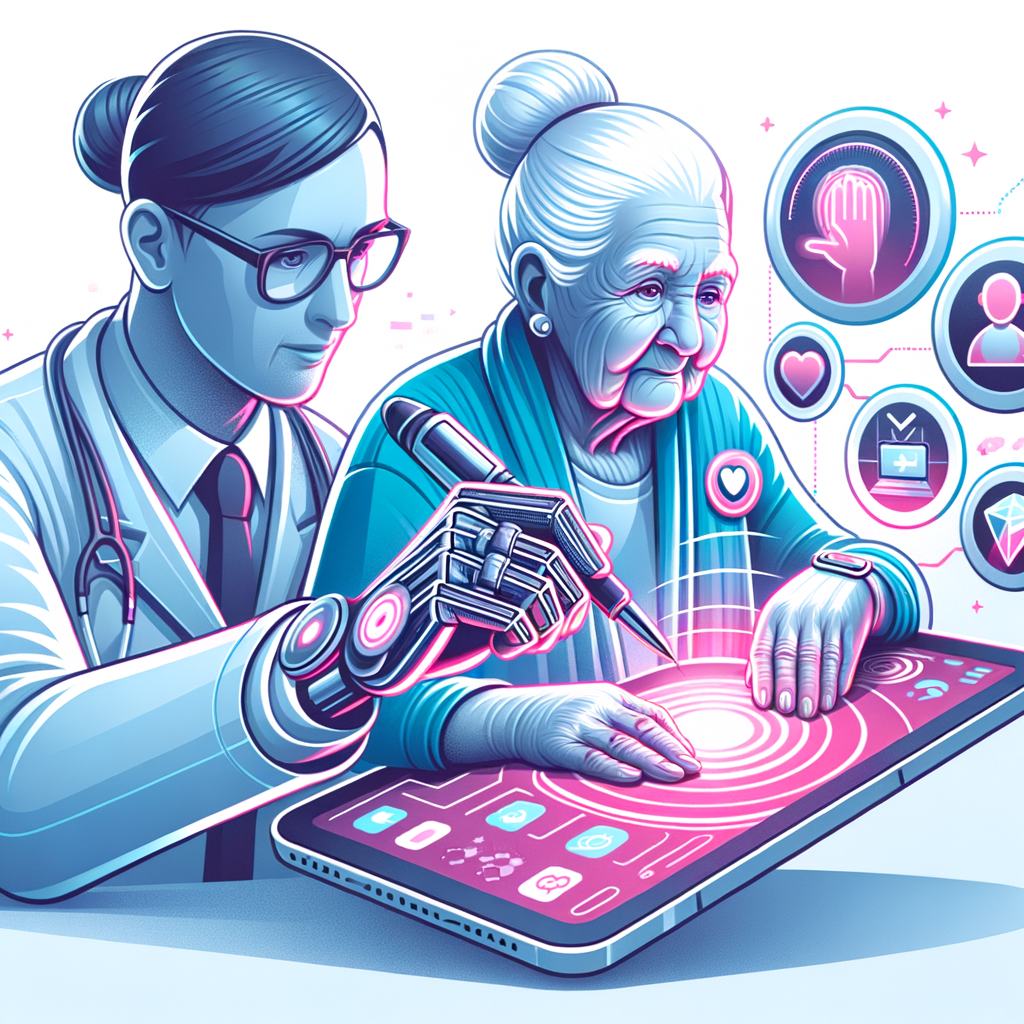
Recent advancements have seen the introduction of voice-activated controls, large tactile buttons, and high-contrast displays. These features cater to users with visual impairments, dexterity limitations, or cognitive disabilities, allowing them to engage with the technology without unnecessary hurdles. Voice assistants and smart AI integration have further simplified the process, enabling users to set reminders, receive feedback, and understand their health metrics through auditory cues.
Companies are also investing in research that involves extensive user testing with diverse groups to ensure that these products are not only theoretically accessible but genuinely functional for people with disabilities. This participatory approach ensures that every element of the device – from its hardware to its software – is designed with accessibility in mind, providing a seamless experience for every user.
Enhanced Connectivity and Integration
Connectivity is a major driver of modern health monitoring technology, with wireless communication and device interoperability standing out as essential advancements in accessibility. The ability to connect devices with smartphones, tablets, and computers through Bluetooth or Wi-Fi dramatically extends the functionality of health monitors.
Through mobile apps, users can now sync data collected by their health monitoring devices, such as step counters, sleep trackers, and blood pressure monitors, to their personal health dashboards. This seamless integration provides users with comprehensive insights into their health, which can be easily shared with healthcare providers, caregivers, or family members. For people with disabilities, this means they can coordinate their care more effectively without having to constantly visit healthcare facilities to receive or share health data.
Moreover, APIs (Application Programming Interfaces) are now more inclusive, allowing health monitoring devices to integrate with a wider array of third-party apps and systems designed to cater to various disabilities. These technologies ensure that the information is not only accessible but also presented in formats that are usable and beneficial to the user, regardless of their specific needs or preferences.
Wearable Technology Innovations
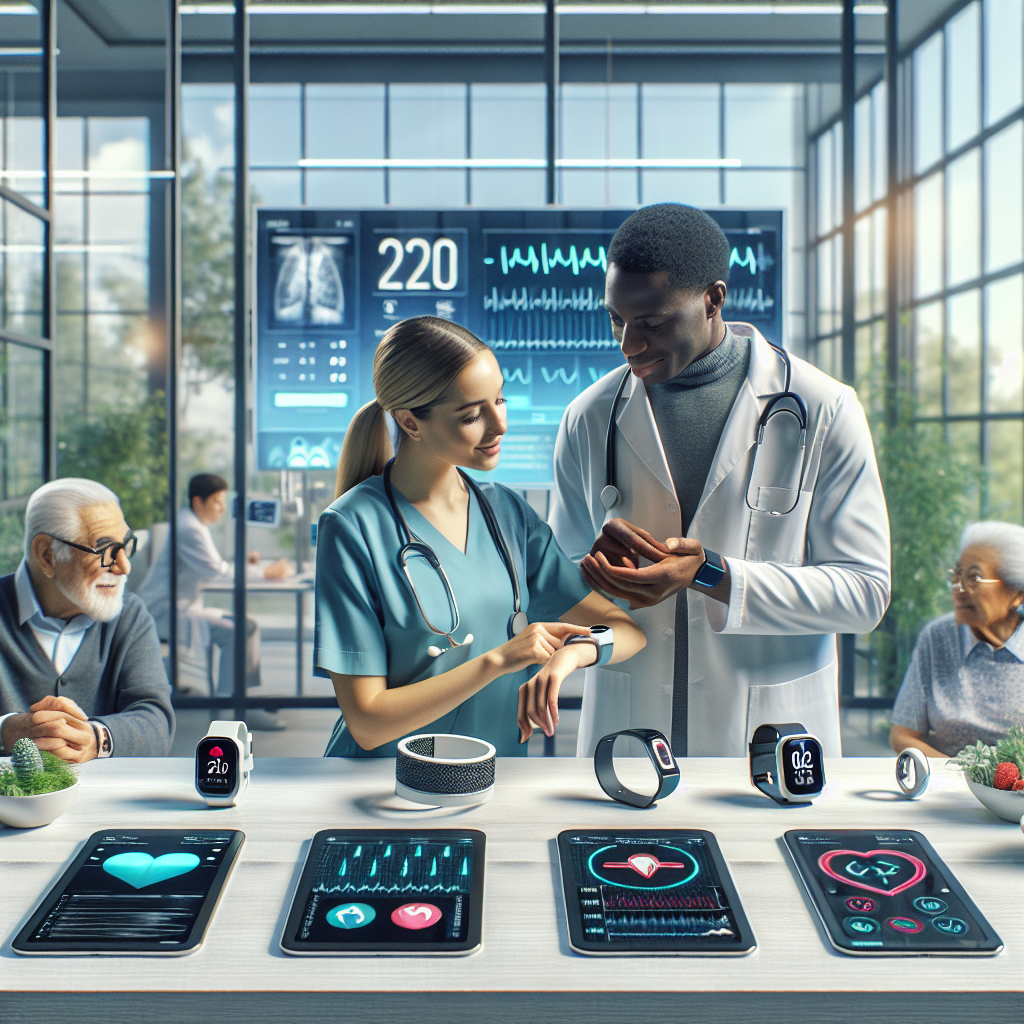
Wearable health devices have brought a new level of convenience and personalization to health monitoring, particularly for individuals with disabilities. Recent innovations are focused on making these wearables not just functional, but also more inclusive, adapting to the diverse range of users’ needs.
Devices of today are lighter, more ergonomic, and equipped with sensors that can detect various physiological parameters with high accuracy. For example, smartwatches now feature fall detection and emergency alert systems, which are vital for seniors and people with mobility challenges. Such features automatically notify emergency contacts when a fall is detected, providing peace of mind and enhancing user safety.
Furthermore, the customization of these devices, in terms of both physical fit and software settings, ensures that users can tailor them explicitly to suit their unique needs. This kind of progressive design considers weight, material, and flexibility, crucial factors for users who might wear these devices throughout the day. The focus is on reducing discomfort while maximizing usability and utility.
Accessibility Through Artificial Intelligence
Artificial Intelligence (AI) has paved the way for greater accessibility in health monitoring devices. AI is transforming how individuals interact with technology by making it more intuitive and responsive to individual user needs. With AI, devices can learn and adapt to a user’s behavior over time, providing personalized feedback and suggestions that are relevant to their health goals and conditions.
For people with disabilities, AI-enabled devices offer unprecedented levels of autonomy and efficiency. The ability of devices to analyze data in real-time and predict health trends is particularly valuable. For example, AI algorithms can detect anomalies in heart rhythms or blood glucose levels, predicting potential health complications before they become severe issues.
Moreover, AI-driven virtual assistants can help manage appointments, medication schedules, and offer cognitive support, all of which are crucial for individuals with disabilities that affect memory or executive function. This constant evolution in technology, guided by AI, means health monitoring devices are more than just data collectors; they are comprehensive wellness companions.
Regulatory Considerations and Future Directions
As health monitoring devices continue to evolve, rigorous regulation is essential to ensure these advancements genuinely meet the needs of all users, particularly those with disabilities. The ADA provides a robust framework, but technological advancements often outpace legal developments, requiring continuous updates to legislation.
Regulatory bodies, technology developers, and disability advocates must work together to ensure that new products align with ADA standards, keeping user safety and accessibility at the forefront. Transparent guidelines and certifications for accessibility can help consumers make informed decisions about which devices best suit their needs.
Looking to the future, ongoing advancements are expected to further integrate healthcare into everyday life, making health management more intuitive and less burdensome. The trend towards increasingly sophisticated wearables and smart home integrations will continue, providing new opportunities for living well independently. As technology continues to adapt and change, commitment to accessibility will ensure that all users can thrive in a digitally-driven world.
Conclusion
The advancements in health monitoring devices represent a significant leap forward in healthcare technology, offering unprecedented levels of accessibility for individuals with disabilities. As we reflect on these developments, it is clear that adhering to the principles of the ADA has not only fostered inclusivity but also driven innovation across the technology landscape.
The future promises continued evolution, with devices becoming even smarter, more adaptable, and deeply integrated into daily living. As society embraces these technological advances, it is imperative that the focus on accessibility remains unwavering. This will require collaboration among engineers, healthcare professionals, policymakers, and end-users to ensure that all devices are genuinely usable and provide value to every individual.
By championing accessibility in health monitoring technologies, we are not just crafting more usable devices; we are committing to a vision of a society where equality of opportunity transcends all boundaries, enabling every person to live a healthier, more empowered life.