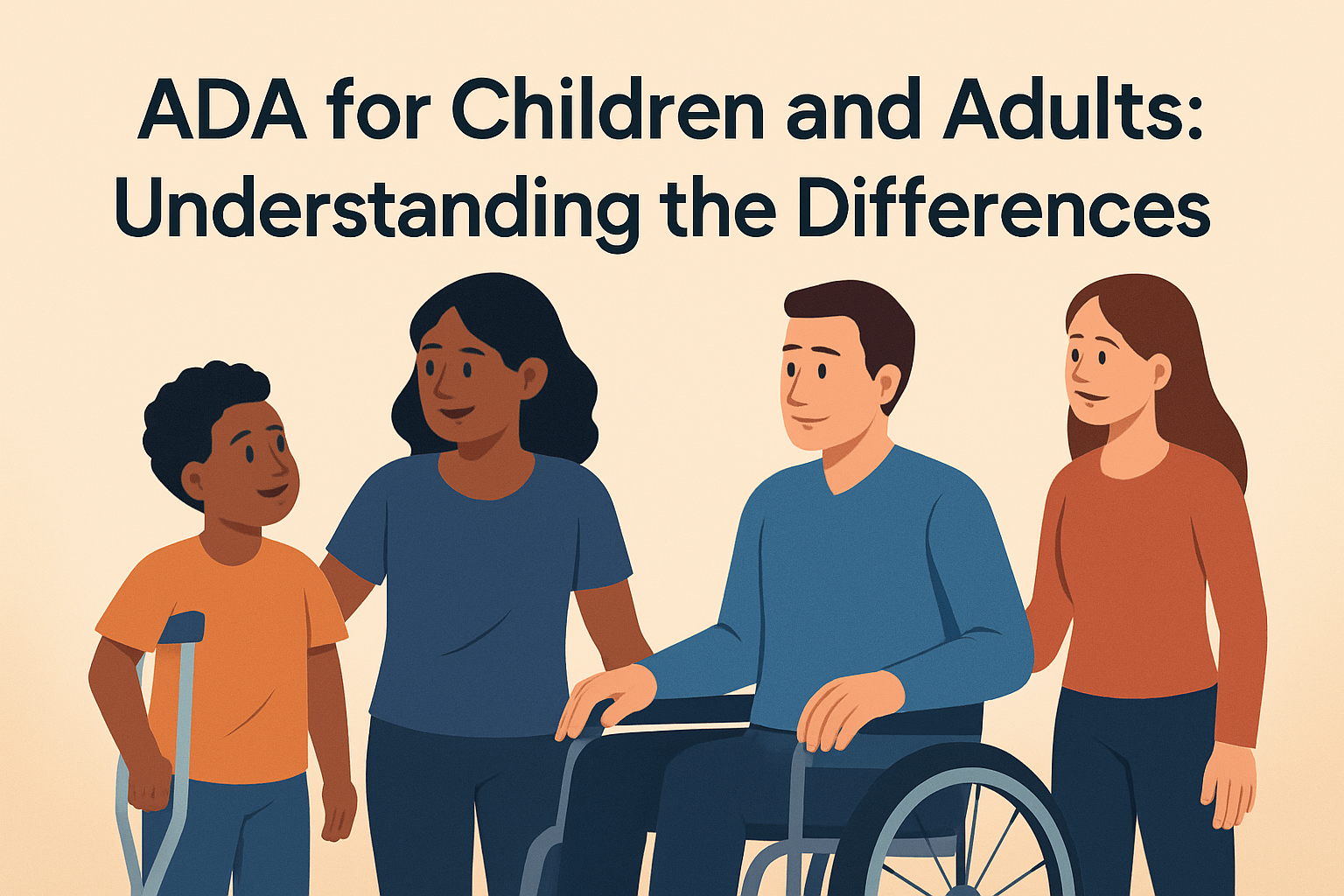
Introduction to Accessible Walking Surfaces
Accessibility in public spaces is essential to ensuring that every individual, regardless of their physical capabilities, has equal access to navigate and use those spaces. One critical component in creating such inclusive environments is the concept of accessible walking surfaces. But what exactly does this term mean? Simply put, accessible walking surfaces are pathways, sidewalks, and flooring designed in a way that accommodates people with disabilities. This includes those using wheelchairs, walkers, canes, or other mobility aids, as well as individuals with visual impairments who rely on tactile surfaces. By adhering to specific guidelines and standards, these surfaces aid in providing a barrier-free experience.
These standards are largely dictated by the Americans with Disabilities Act (ADA), a landmark law that prohibits discrimination based on disability. Compliance with the ADA’s stipulations is not only legally mandated for public and commercial spaces, but it is also a critical step in fostering inclusivity and accessibility in our communities. Accessibility matters because it greatly impacts the quality of life for millions of people. It allows everyone to engage fully with their environments, whether it’s in shopping districts, workplaces, parks, or residential areas.
This guide aims to illuminate the ADA requirements regarding accessible walking surfaces, providing a comprehensive overview of what is needed to create truly welcoming environments for all individuals. We will cover various subtopics, including surface texture and material, slope and gradient considerations, and maintenance practices, while also offering real-world examples and actionable insights.
Surface Texture and Material
One of the foundational elements of designing accessible walking surfaces lies in the tactile properties and materials used. The ADA specifies that surfaces should be stable, firm, and slip-resistant. These criteria help ensure that all individuals, including those with mobility challenges, can safely traverse pathways without the risk of slipping or tripping. The use of non-slip materials such as rubber or specially treated concrete can greatly enhance surface safety.
Consider a busy urban plaza as a real-world illustration. In such a setting, designers might select materials like treated concrete or premium non-slip tiles to form walkways. These surfaces not only align with ADA requirements but also blend seamlessly with the aesthetic of the environment, providing both functionality and design cohesion. It’s crucial to avoid loose surface materials such as gravel, which can become unstable and cause hazards.
Moreover, detectable warning surfaces become important, especially for people with visual impairments. These are textured surfaces, generally with a series of truncated domes, that signal to pedestrians a transition between street or vehicular areas and pedestrian-only zones. This crucial feature can often be spotted at the edge of train station platforms or where sidewalks meet street crossings.
Slope and Gradient Considerations
The slope and gradient of a walking surface are vital factors in making pathways accessible. The ADA requires that the slope of walking surfaces should not be steeper than 1:20, meaning there is no more than a 1-inch rise for every 20 inches of horizontal distance. This is particularly important for ramps, which must be designed to help those in wheelchairs or with mobility aids navigate comfortably.
Here’s an important real-world example: think about the design of a pedestrian bridge over a busy roadway. By maintaining an ADA-compliant slope, the bridge becomes accessible to all users, not just those who can navigate stairs easily. The bridge thereby serves its purpose as a connector for all segments of the community, without discrimination based on physical capability.
To further illustrate how these standards are applied across different scenarios, consider the case of a local community park installing a network of pathways. By ensuring each path adheres to the 1:20 slope standard, everyone—including parents pushing strollers, elderly individuals, and disabled veterans—can share and enjoy the park freely. The goal is to create an all-inclusive atmosphere where the environment serves people instead of limiting them.
| Surface Type | Compliance | Comment |
|---|---|---|
| Treated Concrete | Yes | Stable and slip-resistant |
| Gravel | No | Prone to shifting and instability |
| Rubber Tiles | Yes | Non-slip and cushioning |
| Polished Marble | No | Slippery when wet |
Regular Maintenance and Repair
Another critical aspect of ensuring walking surfaces remain accessible is through regular maintenance and prompt repair. No matter how well a surface adheres to ADA standards when newly installed, wear and tear over time can create barriers. A neglected crack in the pavement or a loose tile can form significant obstacles for wheelchair users or those who are visually impaired.
Consider an example of a historic downtown area undergoing revitalization. Regular maintenance checks can identify wear and damage, ensuring walking surfaces continue to meet ADA standards. This effort enhances the area’s charm while making it a welcoming place for tourists and locals alike. Repairing minor issues promptly prevents them from evolving into major accessibility concerns.
Additionally, the role of property and facility managers is significant here. They are tasked with not just reactive responses but also proactive strategies—ranging from routine inspections to scheduled upgrades that address emerging needs for accessibility. Their efforts are crucial in making public spaces uniquely accessible, continuously fostering inclusion and equality within the community.
Understanding Real-World Implications
While ADA compliance might sound straightforward, its real-world implications are far-reaching and profound. Accessible walking surfaces enable individuals with disabilities to participate fully in their communities. By removing physical barriers, we empower people to engage with life on their own terms, broadening opportunities for employment, education, and social interaction.
Fundamentally, accessible design enriches society as a whole. An inclusive atmosphere fosters a sense of belonging and respect, encouraging diverse communities to thrive. When we prioritize accessibility, we are crafting environments that value differences, and ultimately, contribute to a more equitable and just society.
The economic benefits are noteworthy as well. Accessibility fosters customer loyalty and attracts a broader demographic base, thereby supporting local businesses and economies. When marketplaces and shopping districts embrace ADA principles, they’re not just being altruistic; they’re investing into a sustainable, future-proof business model that accommodates all patrons.
Conclusion and Call to Action
In conclusion, designing accessible walking surfaces in alignment with ADA requirements is not a mere regulatory obligation; it is a fundamental principle of creating an inclusive and welcoming environment for everyone. We’ve explored the importance of material choice, slope and gradient guidelines, and the necessity of maintenance in ensuring continuous accessibility. The benefits are profound: from fostering social inclusion and cohesion to driving economic growth and enhancing community well-being.
The next step for stakeholders and policymakers, as well as businesses and community planners, is to actively implement these ADA guidelines in their projects. Each person involved in the planning and construction of public spaces carries the responsibility of creating environments that do not exclude people but rather embrace their unique needs. And for individuals wanting to make a difference, becoming informed about local policies and developments can be a decisive first step. Advocating for accessible design principles will invoke not only change but equitable progress.
Let’s pledge to transform our thinking around walking surfaces and strive for inclusivity, making every pathway a journey of equality and respect. By promoting understanding and engagement, we have the potential to change paradigms—moving towards an accessible future for everyone, today.
Frequently Asked Questions
What Are Accessible Walking Surfaces?
Accessible walking surfaces are essentially pathways, sidewalks, and flooring that are designed to be navigable for individuals with disabilities. These surfaces should be constructed with materials and methods that minimize obstacles and accommodate mobility aids like wheelchairs and walkers. The goal is to remove barriers and provide a seamless, safe, and independent travel experience for everyone, regardless of their physical abilities. This includes ensuring that surfaces are slip-resistant, stable, and level, with no abrupt changes in height or slope that might impede movement.
Why Are Accessible Walking Surfaces Important?
Accessible walking surfaces play a crucial role in creating inclusive environments that cater to all individuals. They ensure equal access to public spaces, allowing those with disabilities to navigate freely and safely. This not only enhances the quality of life for the individuals who rely on such accessibility but also promotes social integration and equal opportunities. Additionally, designing walkways that adhere to the Americans with Disabilities Act (ADA) standards can protect businesses and public entities from legal liabilities while significantly improving the overall aesthetics and functionality of spaces.
What Are the Key ADA Requirements for Accessible Walking Surfaces?
The ADA provides several strict guidelines to ensure that walking surfaces are accessible. These include specifications on surface texture, width, slope, and changes in level, to name a few. For instance, surfaces must have a slope no greater than 1:48 measured perpendicular to the direction of travel to prevent excessive steepness. Any vertical changes in level must be 1/4 inch or less to facilitate wheelchairs’ navigation, and those between 1/4-1/2 inch must be beveled at a slope no greater than 1:2. Also, surfaces must be firm, stable, and slip-resistant to prevent slips and falls, particularly critical during adverse weather conditions. Adhering to these requirements guarantees that all individuals can move freely and with confidence.
How Can Public Spaces Be Made More Accessible with Walking Surfaces?
Enhancing public spaces to be more accessible involves a comprehensive approach to planning and design. This can include conducting accessibility audits to identify existing barriers, planning for wide walkways that exceed the minimum ADA width requirements, and using high-quality paving materials that are durable and slip-resistant. Thoughtful consideration should be given to lighting to improve visibility, especially at night, and to including tactile cues that aid individuals with visual impairments. Providing regular maintenance to ensure pathways remain clear of debris, snow, or any potential hazards is equally important. These efforts collectively ensure safe and unhindered access for everyone.
What Should Be Considered When Designing Accessible Walking Surfaces?
When designing accessible walking surfaces, it’s essential to consider both the current and future needs of diverse populations. Besides meeting ADA requirements, designers should factor in the local climate, potential environmental impacts, and long-term durability of the materials being chosen. Incorporating features like curb ramps and designated crossing points can enhance ease of use, while the use of color contrast and tactile surfaces can assist those with visual impairments. Furthermore, considering feedback from the community, especially from individuals with disabilities, can provide valuable insights and ensure that spaces truly reflect inclusive design principles. These considerations lead to spaces that empower individuals and encourage participation from all communities.