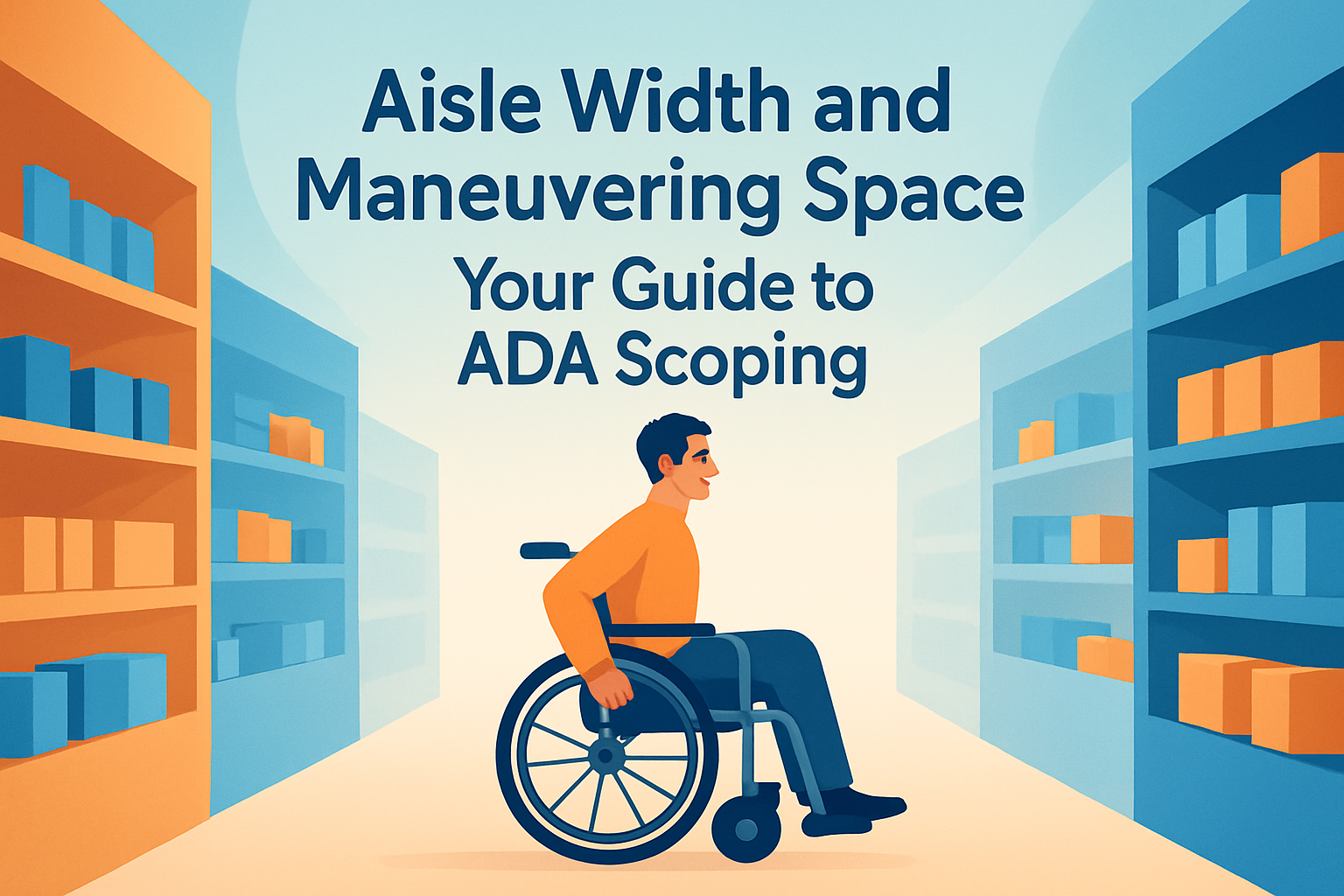
When it comes to creating environments that are accessible and welcoming for everyone, aisle width and maneuvering space play crucial roles in ensuring compliance with the Americans with Disabilities Act (ADA). ADA scoping sets guidelines for accessible design features, with a particular focus on facilitating easy navigation for individuals who use wheelchairs or other mobility devices. Aisle width refers to the horizontal space available in any passageway, while maneuvering space pertains to the clear areas that allow for turning and navigating around obstacles. This article delves into these essential aspects of ADA compliance, explaining why they matter and how they impact both public and private spaces.
Understanding the implications of aisle width and maneuvering spaces within the framework of ADA scoping is important for architects, business owners, and facility managers. It underscores the need for facilities to be truly inclusive, ensuring that people of all abilities can safely and conveniently navigate environments. Properly assessing these spaces involves adhering to detailed specifications that help prevent bottlenecks, accidents, and accessibility issues, thus contributing to both the functionality and legal compliance of a given space.
Basics of Aisle Width: Why It Matters
Aisle width is a fundamental aspect in creating accessible spaces. According to ADA guidelines, the minimum width for a single wheelchair passage is typically 36 inches. This ensures that individuals using wheelchairs can comfortably travel down aisles without obstruction. However, there are situations where a more significant width is necessary, such as in retail stores where shelving or displays are prominently featured. In high-traffic areas or corridors providing egress, the width may need to exceed the minimum standard to accommodate simultaneous passage in opposite directions or for emergency situations.
Consider a grocery store with narrow aisles where customers struggle to maneuver around one another. If a person in a wheelchair were to enter, the ability to turn or move without causing congestion becomes compromised. Retail spaces can face challenges if they fail to maintain sufficient aisle width, potentially leading to customer dissatisfaction and legal non-compliance. Implementing appropriate widths facilitates ease of navigation and highlights a business’s dedication to inclusivity.
Understanding Maneuvering Space: Key Variations
Maneuvering space is about accommodating the turning needs of individuals using mobility aids. The ADA stipulates various minimum dimensions for spaces that require turning motions, such as entrances and restrooms. Typically, a clear area with a 60-inch diameter is mandated to allow for a smooth 180-degree turn of a wheelchair. This is crucial in situations where users might need to change direction entirely or access newly-arrived areas, such as elevators or service counters.
Take public transportation stations as an example. A station with efficient maneuvering spaces facilitates easy and safe transitions from outdoor areas to platforms and trains. Conversely, a station lacking these spaces might see incidents involving wheelchairs being caught against barriers or users having to back out of confined areas, leading to potential injuries and increased liability for the station operators.
Implementing Aisle Width and Maneuvering Space in Real-World Settings
In order to apply the principles of aisle width and maneuvering space effectively, it’s helpful to categorize different settings and approaches, which can include retail environments, hospitality venues, and office spaces. Here’s a detailed breakdown:
- Retail Environments: Maximizing chest-level shelving to ensure that floor spaces remain unobstructed and accessible, and creating aisles with adequate width adjustments around promotional displays to handle fluctuating customer volumes.
- Hospitality Venues: Hotels often have to address accessibility well beyond bedroom layouts, extending to dining room arrangements and accessible paths to guest amenities. ADA guidelines help in crafting spaces that showcase flexibility with portable furniture and sufficient clearance.
- Office Spaces: Dynamic office environments with easily adjustable floor plans can enhance efficiency. Implementation of ADA guidelines creates environments where circulation paths are broad enough for wheelchair access, ensuring comfort and confidence for all staff.
Examples and Illustrations
Below is a simplified illustration via a table that breaks down recommended dimensions and spacing based on different environments:
| Environment | Minimum Aisle Width (inches) | Minimum Maneuvering Space (inches) |
|---|---|---|
| Single store aisle | 36 | 60 (diameter for turn) |
| Check-out lanes | 42 | In place for approach |
| Office corridors | 44 | 60 (diameter for turn) |
| Public restrooms | 60 for door opening | 60 outside of stall |
These examples highlight the variety of needs across different spaces, showcasing the importance of adhering to standards that support ease of access for everyone. Tailoring space according to these recommendations empowers environments to cater to diverse needs effectively, promoting equal access and safety.
The Importance of Regular Compliance Checks
Consistent evaluation of aisle widths and maneuvering spaces is vital for maintaining compliance. Spaces may become inadequate over time due to wear and changes or new installations that can disrupt established clearances. Periodic oversight ensures that facilities remain aligned with ADA standards and continue to deliver inclusive environments as intended.
An example is seen in airports where continuous expansion and modernization projects can challenge initial design intentions. By scheduling regular audits and updates, airports can prevent accessibility from being compromised, safeguarding customer experiences and minimizing the risk of legal challenges due to non-compliance.
Summarizing Key Takeaways
To effectively create ADA-compliant spaces, it’s critical to understand and implement standards for aisle width and maneuvering space. These elements are foundational to fostering an inclusive environment, making locations accessible to everyone, and ensuring legal compliance. From retail stores to transport hubs, every single space benefits from adhering to the guidelines, leading to smoother navigation and improved user experiences.
The core benefit of maintaining proper aisle width and maneuvering spaces lies in embracing inclusivity, which fundamentally enhances user satisfaction and reduces the risk of accidents or legal repercussions. By ensuring thoughtful design and maintenance, businesses and institutions can affirm their commitment to accessibility and equality, offering a welcoming space for all. Consequently, I encourage you to take the next step by reviewing your own environments and considering professional consultation if necessary, enabling change that fosters accessibility.
By ensuring ADA compliance, you not only create a positive environment for all visitors but also solidify your role and reputation as a socially responsible and conscientious entity.
For further assistance with ADA compliance and solutions that fit your specific setting, consider reaching out to a certified accessibility specialist and begin implementing changes that make a difference today.
Frequently Asked Questions
What is the importance of aisle width and maneuvering space in ADA compliance?
When it comes to ensuring inclusivity and accessibility in our built environments, understanding the significance of aisle width and maneuvering space is pivotal. Under the Americans with Disabilities Act (ADA), these elements play essential roles in making spaces navigable for everyone, particularly individuals who use wheelchairs or other mobility devices. Let’s break it down: aisle width refers to the horizontal space in passageways that allows people to move with ease. It’s not just about the passage but also encompasses the facility’s entire layout, making sure that tight corners or narrow passageways aren’t a hindrance. Imagine trying to shop in a cramped store or navigate a crowded hallway – for those with mobility challenges, these spaces become almost impassable without proper design. Similarly, maneuvering space is all about providing adequate room for turning and moving freely. For example, a person using a wheelchair might need enough space to make a 180-degree turn or to approach a door head-on before pivoting to open it. The ADA scoping guidelines ensure these elements are not just afterthoughts but are central to architectural planning, fostering environments that are open and welcoming to everyone.
How do ADA guidelines determine the required aisle width in public spaces?
The ADA guidelines are quite methodical when it comes to determining aisle width to ensure accessibility for all. Generally speaking, the standard minimum aisle width for an accessible passageway is 36 inches. However, this measurement isn’t just a random figure – it’s actually rooted in practical usability, ensuring that individuals using wheelchairs have sufficient space to move comfortably without impediments. But it’s not a one-size-fits-all situation; there are certain scenarios where wider aisles might be required. For instance, in areas where children or larger mobility devices such as scooters are present, or where the degree of pedestrian traffic is especially high, increasing the aisle width to 42 inches or more might be more appropriate. Aisles must be designed free of obstacles like protruding shelves or furniture, allowing a smooth path and making navigation seamless. It’s all about accommodating the needs of diverse users and maintaining a balance between accessibility and functional design.
What are the consequences of not adhering to ADA scoping requirements for maneuvering space?
Adhering to ADA scoping requirements is not just about compliance; it’s fundamentally about inclusivity and equity. Failing to meet these guidelines can have significant repercussions, both legally and socially. On the legal front, non-compliance with ADA can lead to lawsuits, fines, and even mandates to redesign non-compliant features – which often proves to be far more costly than implementing compliant designs from the outset. On a social level, businesses and public spaces that ignore these requirements risk alienating a significant portion of the population, namely those with disabilities. When maneuvering space is inadequate, it can be incredibly frustrating and even unsafe for individuals trying to navigate these environments, potentially keeping them from accessing services and opportunities others might take for granted. Moreover, businesses that embrace ADA guidelines often report not only increased customer satisfaction but also a broadened customer base, showcasing that accessibility is beneficial for everyone involved. It’s worth noting that designing with inclusivity in mind also enhances the reputation of a company or institution, portraying it as conscientious and forward-thinking. Therefore, the consequences of non-compliance are multifaceted, extending beyond penalties to affect a brand’s image and ability to serve all members of the community effectively.
How can designers ensure that both aisle width and maneuvering space are optimally designed in a new project?
Designing with accessibility in mind demands intentionality and a thorough understanding of ADA guidelines right from the project’s inception. First and foremost, it’s crucial for designers to familiarize themselves with the specific ADA standards applicable to their project, as these will highlight the minimum requirements for aisle widths and maneuvering spaces. An effective approach is to integrate these requirements into the initial design blueprint rather than retrofitting them later. Collaboration with accessibility consultants or specialists can offer valuable insights and innovative solutions to potential challenges. Simulating the use of spaces through virtual reality tools or mockups can help design teams visualize and adjust layouts to meet accessibility standards effectively. Designers should consider not just the width of aisles but also how interior elements like furniture or displays can be arranged without encroaching on these areas. Ensuring thoughtful transitions between different sections of a space—like doorways, elevators, and seating areas—align with maneuverability standards is vital. It’s about gaining a comprehensive view of how design choices influence navigation and access. When all elements of design work in harmony to meet ADA guidelines, the resulting space is one where all individuals, regardless of their abilities, feel comfortable and welcome.
What are some common misconceptions about ADA-compliant spacing, and how can they be addressed?
There’s a surprising amount of misunderstanding surrounding ADA compliance, particularly regarding aisle width and maneuvering space, and addressing these misconceptions is crucial for ensuring inclusivity. One common myth is that compliance is too costly or restrictive, limiting the aesthetic or practical choices of a design. However, this isn’t entirely true. In reality, integrating ADA standards can be cost-effective when planned from the beginning and often leads to designs that are better for everyone. Moreover, ADA compliance is seen by some as a one-time task, completed during the initial design or renovation. In truth, it’s an ongoing process that requires regular reviews and adjustments to adapt to new guidelines or user needs. Another frequent misconception is that meeting the minimum guidelines is sufficient. While following the law is crucial, striving to exceed these standards ensures greater accessibility and user satisfaction. Education and awareness programs can play a pivotal role in debunking these myths, empowering stakeholders with the knowledge and tools to create spaces that truly serve all needs without compromise. Another helpful strategy is sharing successful case studies and examples of how ADA-compliant designs enhance functionality and aesthetics, proving that inclusivity and creativity can go hand in hand.