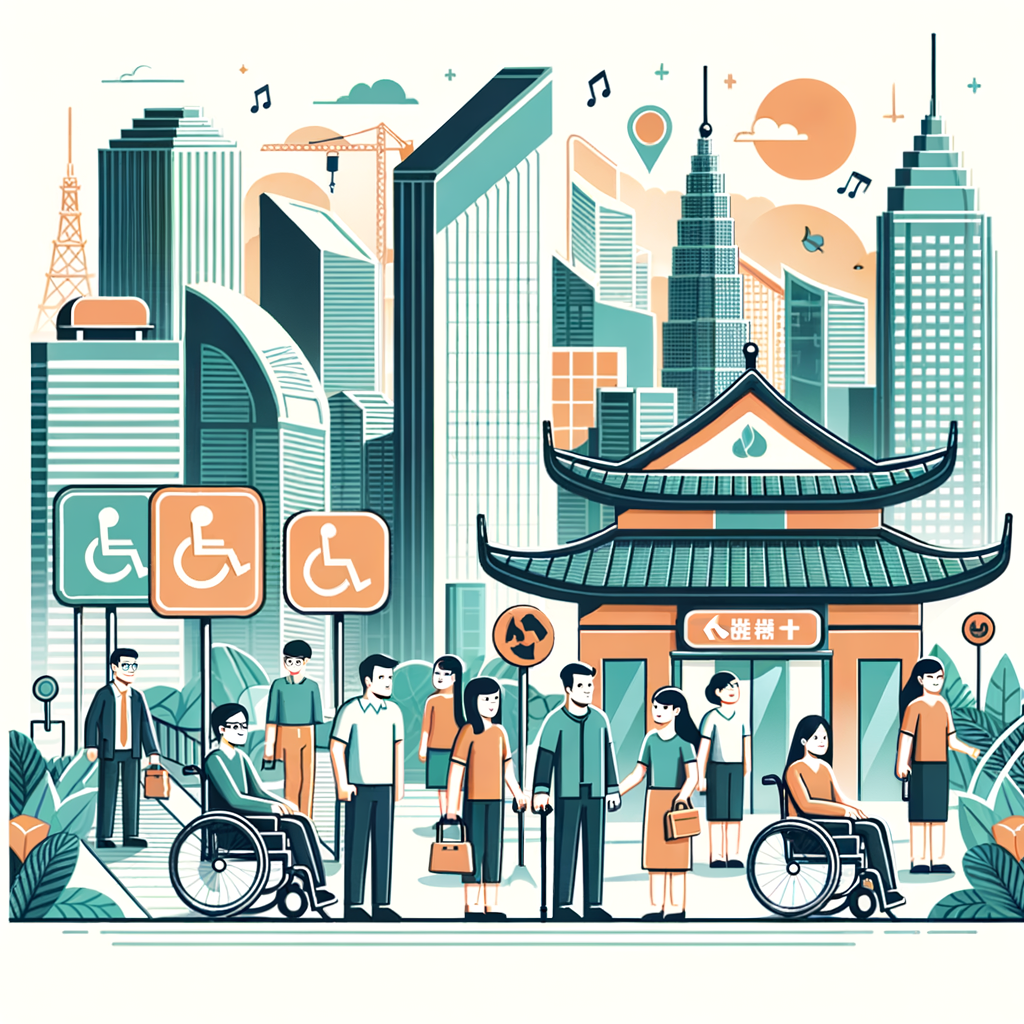
Introduction to Accessible Public Transit
Transportation is critical for enabling people to move around cities efficiently. Whether it’s commuting to work, visiting loved ones, or accessing essential services, public transit forms the backbone of urban mobility for millions worldwide. Without effective transit systems, cities risk paralysis, with residents unable to commute efficiently or inclusively. For years, cities worldwide have designed their public transit systems primarily with the average passenger in mind. However, a growing awareness emphasizes accessibility, ensuring that everyone — regardless of their physical abilities or impairments — can navigate public transportation efficiently and autonomously.
But what exactly is meant by accessible public transit? It refers to transit systems designed, modified, or enhanced to accommodate those with a diverse set of mobility needs. Whether it’s implementing wheelchair-friendly buses, introducing tactile guides for the visually impaired, or offering audio signals for those with hearing challenges, accessible transit is about inclusivity. It’s about ensuring no one is left behind because of a physical or sensory challenge. This heightened focus on accessibility matters because a city is only as strong as its accessibility. By making transit systems more inclusive, cities can improve the quality of life for all residents, reduce dependency on cars, alleviate congestion, and enhance urban living. It showcases a city’s commitment to equality and meets its legal obligations to provide equal access to services for persons with disabilities.
Universal Design Beyond Compliance
The concept of universal design in urban transit emphasizes creating environments that can be accessed, understood, and used to the greatest extent possible by all people regardless of their age, size, ability, or disability. It’s more than just meeting compliance; it’s about exceeding expectations and pioneering innovations.
Take Tokyo, for example. While famed for its punctual train services, the city has also made significant strides in accessible design. On Tokyo’s subway platforms, one can see tactile paving, also known as Tenji blocks. These are yellow tiles with raised studs or bars that direct and alert visually impaired passengers to potential hazards or directions. Elevators are strategically located across the city’s bustling stations, providing easy access to different platform levels. Additionally, train announcements come in multiple languages, catering not only to the visually impaired but also to foreign travelers.
Integrating Technology for Better Accessibility
Technological advancements are proving to be game-changers in the realm of accessible public transportation. Cities are harnessing the power of technology to remove barriers that may have previously existed for persons with disabilities.
Consider London’s city with its celebrated black cabs. London has introduced a digital solution called **”Citymapper”**. While not solely for the disabled, this app provides real-time updates on elevator operations, bus schedules, and potential accessibility issues. It ensures users are informed of their routes’ accessibility options before they even begin their journey.
Moreover, several cities are rolling out contactless payment systems combined with apps that offer detailed onboard information for disabled passengers. Barcelona, another global city, provides an innovative app that warns the user if the bus lacks the required platform for wheelchair users, enabling informed travel decisions at any given moment.
Community-Driven Accessibility Initiatives
Beyond governmental bodies and tech firms, the importance of community-driven initiatives cannot be overstated. These organizations, often rooted in local communities, provide a wealth of knowledge and firsthand insights into accessibility challenges and solutions.
In Toronto, a proactive community initiative called “AccessNow” allows residents to map accessibility features and obstacles in real-time across Toronto. With over 34,000 pinned locations in 35 countries, this initiative facilitates the identification and reporting of barriers and fosters an inclusive urban environment by enabling improvements based on real-world data.
Emerging Design Changes in Infrastructure
Infrastructure plays a pivotal role in advancing the goals of accessible transportation, with cities exploring various design options to accommodate all commuters. The integration of accessible designs can transform ordinary public environments into inclusive spaces.
Stockholm, for example, has developed bus designs with low floors, allowing wheelchair users and stroller-pushers seamless access without requiring steps or ramps. The city’s metro stations have vivid color codes and signs for various routes. These clear, color-coded pathways facilitate easier navigation for persons with cognitive disabilities or tourists unfamiliar with the metro system.
Furthermore, Paris is implementing new subway carriage designs that enhance mobility through spacious interiors and pivoting seats, which allow for wheelchair accommodation and ensure a pleasant journey for everyone.
| City | Innovation | Impact |
|---|---|---|
| Tokyo | Tactile paving, multi-language announcements | Improved navigation for visually impaired and travelers |
| London | Citymapper app | Enhanced real-time travel accessibility data |
| Toronto | “AccessNow” mapping initiative | Community-informed barrier identification |
| Stockholm | Low-floor buses, color-coded metro | Easy navigation and access for all users |
| Paris | Flexible subway carriages | Enhanced comfort and accessibility |
Public Engagement and Feedback in Design
Public input isn’t just valuable—it’s essential. Engaging with users of all abilities lays the foundation for transit systems that genuinely serve the community’s needs. Cities are increasingly leveraging public feedback to tailor their transit designs efficiently and effectively.
In Melbourne, Australia, public forums were instituted as part of a broader consultation strategy to inform the design of the city’s new railway infrastructure. Input from these forums led to various initiatives, including improvements in tactile guidance across platforms, installation of improved audio/visual communication aids, and wider ticketing barriers. As a result, residents express heightened satisfaction and inclusivity while commuting.
Concluding Thoughts on Accessible Public Transit Innovation
Enhanced and inclusive public transit systems symbolize cities’ commitment to fostering vibrant, egalitarian environments. The noteworthy global examples—Tokyo’s tactile platforms, London’s digital accessibility tools, Barcelona’s innovative apps, Toronto’s community-driven solutions, and the thoughtful designs of Stockholm, Paris, and Melbourne—each underscore the potential unique to accessible innovation. These advances offer an adaptable, convenient roadmap for cities worldwide striving to bolster accessibility in their public transportation systems. Moreover, they reinforce how technology, community engagement, and forward-thinking infrastructure convert visionary ideas into reality.
As cities continue their journey toward comprehensive accessibility, every stakeholder has a role to play—be it urban planners, policymakers, local communities, or commuters themselves. By championing accessible transit, you support a future where mobility is uninhibited, where every journey is seamless, and where accessibility is a defining quality of urban life. Next time you board public transport, reflect on how inclusivity helps everyone enjoy the benefits of city life. Perhaps engage with local initiatives, share your insights, or advocate for further enhancements. Together, we usher in an age where urban exploration is universally accessible and enriching.
Frequently Asked Questions
1. What are global cities doing to improve accessibility in public transit?
Global cities are implementing a variety of innovative strategies to improve accessibility in public transit. Cities such as New York, London, and Tokyo are installing elevators, ramps, and tactile paving at stations to assist those with mobility challenges. These physical modifications are crucial for wheelchair users, the elderly, and parents with strollers. Additionally, many cities are enhancing their digital infrastructure by deploying apps that provide real-time transit information, including the availability of accessible routes and facilities. Some urban areas are also experimenting with shared micromobility options, like e-bikes and scooters, that have designs accommodating different disabilities.
Another significant area of innovation is improving the training of transit staff to better assist passengers with disabilities. Regular sensitivity and accessibility training ensure that staff can effectively offer help, identify issues, and make the transit experience seamless for all users. Moreover, cities are collaborating with disability advocacy groups to continually assess and redesign services to meet the diverse needs of their residents. By focusing on universal design principles, global cities are striving to create transit systems that are usable by everyone, regardless of their physical abilities.
2. How does accessible public transit benefit the entire community, not just those with disabilities?
Accessible public transit offers manifold benefits that extend beyond individuals with disabilities, enhancing the quality of life for the entire community. Firstly, making transit systems accessible ensures that all community members, regardless of age or physical ability, can move around the city efficiently. This inclusivity fosters economic vitality by enabling broader participation in the workforce and facilitating access to essential services, such as healthcare and education.
Moreover, accessible public transit enhances safety for everyone. Features like non-slip surfaces, audible signals, and clear signage lower the risk of accidents, making transit safer for all users. Accessible infrastructure, such as ramps and elevators, not only aids those with disabilities but also benefits parents with strollers, travelers with luggage, and those recovering from injuries.
In a broader sense, an accessible public transit system can promote social cohesion by integrating marginalized groups, thus fostering a more inclusive society. By valuing and implementing accessibility, cities demonstrate their commitment to equality and inclusiveness, ultimately enriching urban living for all residents and visitors.
3. What challenges do cities face when trying to make public transit systems more accessible?
Cities encounter several challenges when working to make public transit more accessible. A significant barrier is the cost and logistics of retrofitting existing infrastructure, especially in older cities where stations and transit lines were not initially designed with accessibility in mind. Implementing modifications such as installing elevators, updating signage, or expanding accessibility features can be both expensive and time-consuming, often requiring extensive renovations or rebuilding.
Budget constraints can also limit the scope and speed of accessibility enhancements. With finite resources, cities must prioritize certain projects, which can delay broader implementation efforts. Additionally, legal and bureaucratic hurdles, such as obtaining the necessary permits or coordinating with multiple governmental bodies, can further complicate these initiatives.
Resistance to change and lack of awareness can also impede progress. Educating the public and stakeholders about the importance of accessibility and gaining their support are crucial steps in driving momentum for these projects. Lastly, cities must continue to engage with diverse user groups to fully understand the different accessibility needs that exist within the community, ensuring that solutions are comprehensive and effective.
4. How are technologies being used to enhance accessibility in public transit?
Technology plays a pivotal role in advancing accessibility in public transit systems. Digital innovations have facilitated the creation of user-friendly environments for all commuters. For example, mobile apps providing real-time information on accessible routes, station facilities, and service disruptions allow individuals to plan their journeys more effectively. These apps can offer features like voice guidance and customizable interface options to further enhance usability for those with different needs.
Artificial intelligence (AI) and machine learning are being integrated into transit systems to improve service efficiency and accessibility. Predictive analytics can optimize service schedules and frequencies, minimizing wait times and ensuring smooth operations. Some cities employ AI-driven technologies to assist with navigation and wayfinding within transit facilities, using tools like beacons and digital mapping services to aid passengers.
Furthermore, advancements in autonomous vehicle technology hold the potential to significantly boost accessibility by offering on-demand, door-to-door service that caters particularly to individuals with mobility challenges. Cities are also exploring smart ticketing solutions, such as contactless and digital payment options, to reduce barriers and streamline user access to transit systems.
5. In what ways can the community get involved in improving public transit accessibility?
Community involvement is essential in enhancing public transit accessibility, and there are several ways for individuals and groups to contribute to these efforts. One important avenue is participating in public consultations and feedback sessions organized by transit authorities. By voicing their needs and suggestions, community members can help shape transit policies and improvements that are truly inclusive and reflective of diverse perspectives.
Citizens can join or support disability advocacy organizations that collaborate with government bodies to push for legislative changes and resource allocation toward accessibility projects. Volunteering with these groups or participating in awareness campaigns helps increase the visibility of accessibility issues and can drive political action and funding priorities.
Additionally, engaging in grassroots initiatives or local improvement projects can make a tangible impact. For example, organizing or taking part in community audits of transit facilities can identify accessibility shortcomings, leading to the proposal of targeted improvements. Lastly, individuals can educate themselves and others, fostering a culture of accessibility awareness and encouraging communities to champion inclusive changes in public transit.