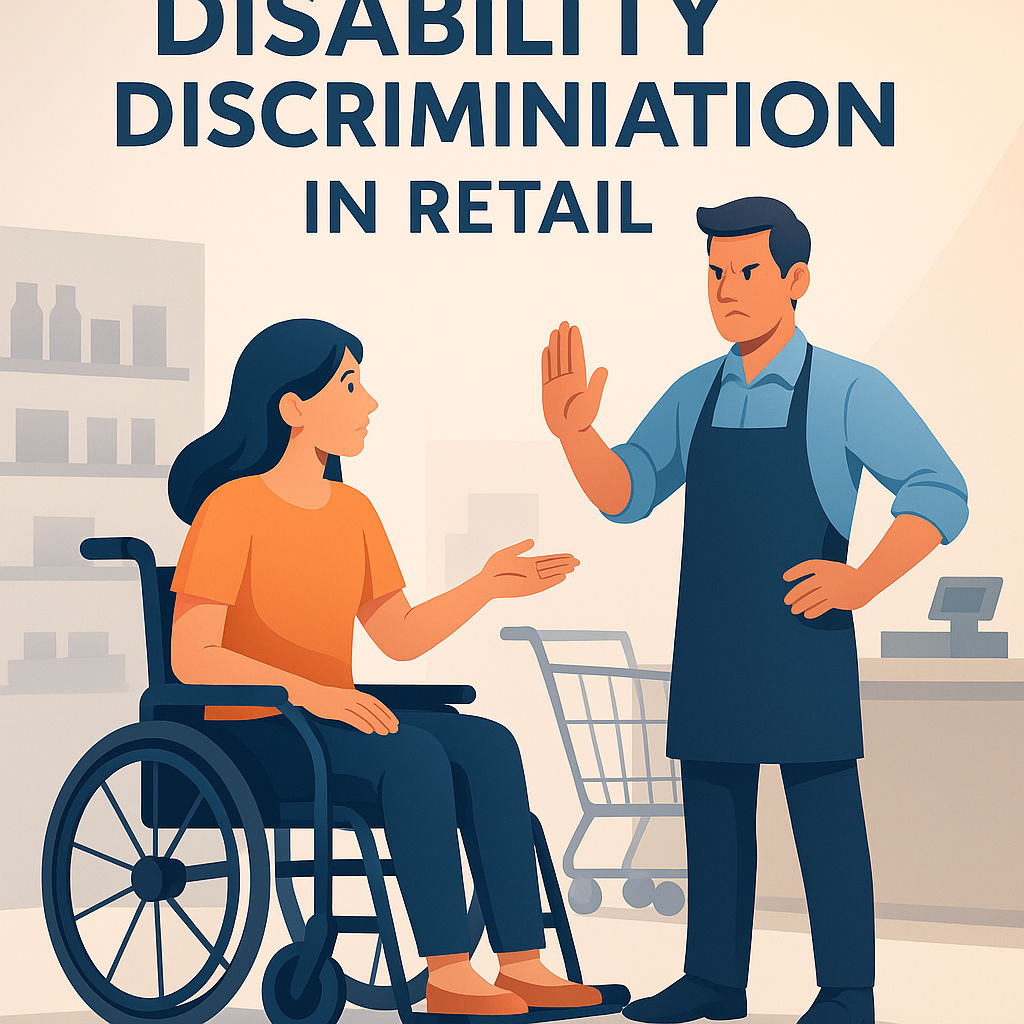
Disability discrimination has been a pervasive issue within the workplace, possessing significant implications for both employees and employers. At the heart of many of these discussions is the enforcement and interpretation of the Americans with Disabilities Act (ADA). One particular case that has exemplified these challenges is the legal battle between the U.S. Equal Employment Opportunity Commission (EEOC) and Walmart, one of the largest retail corporations globally. This case underscores the critical importance of recognizing and addressing disability discrimination in retail settings.
The ADA, enacted in 1990, aims to prevent discrimination against individuals with disabilities, ensuring equal opportunities across employment, public services, and more. Disability discrimination in employment entails unfair treatment due to a disability, including failure to provide reasonable accommodations. The EEOC, a federal agency, oversees the enforcement of federal laws against employment discrimination. The case against Walmart exemplifies these principles and their real-world implications. Understanding this case is crucial for businesses and advocates, offering insights into the complexities of compliance and the dire consequences of failing to uphold disability rights.
The EEOC’s Role in Enforcing Disability Rights
The EEOC serves a vital role in upholding the rights of employees with disabilities. It ensures that employers comply with the ADA by investigating complaints, mediating disputes, and filing lawsuits when necessary. This federal agency acts as a watchdog, safeguarding against discriminatory practices in the workplace. The case of EEOC v. Walmart highlights the agency’s commitment to justice and equal treatment for individuals with disabilities.
In 2017, the EEOC filed a lawsuit against Walmart in a Wisconsin federal court, alleging that the retail giant had refused to accommodate a longtime employee with a disability. The employee, a deaf individual, faced significant communication barriers at work. Despite requests for sign language interpreters and other accommodations, Walmart reportedly failed to provide adequate support, severely impacting the employee’s ability to perform their job. This case represents a clear example of the type of advocacy work the EEOC undertakes, addressing systemic issues and holding corporations accountable for discriminatory practices.
Walmart’s Alleged Discriminatory Practices
The case against Walmart is centered on the company’s alleged failure to provide reasonable accommodations for employees with disabilities, a violation of the ADA. Reasonable accommodations refer to modifications or adjustments to a job or work environment that allow an employee with a disability to perform essential job functions. In the case with the EEOC, Walmart’s alleged failure to accommodate a deaf employee highlighted systemic issues within the company’s employment practices.
According to the lawsuit, Walmart had refused to provide necessary accommodations, such as a qualified sign language interpreter for workplace meetings and training sessions. This failure to communicate effectively with an employee not only violated ADA guidelines but underscored a lack of inclusion within the workplace culture. The impact on the employee was profound, limiting their ability to engage meaningfully in their work tasks and career development.
The Impact on Employees with Disabilities
The implications of such discriminatory practices are far-reaching, affecting not only the direct victims but also the broader workforce and community perception of the company. Employees with disabilities who encounter discrimination may experience decreased job satisfaction, hindered performance, and diminished career advancement opportunities. Furthermore, the lack of necessary accommodations can lead to increased stress and isolation among employees, affecting their overall well-being.
Beyond the individual experiences of affected employees, these practices contribute to a culture that may inadvertently marginalize those with disabilities. Failing to provide adequate accommodations fosters an unwelcoming environment, where diversity and inclusion are not prioritized. This can result in a damaging reputation for the company, affecting employee morale and potentially leading to a loss of talent as individuals seek out more inclusive workplaces.
- Job Satisfaction: Ongoing discrimination decreases morale.
- Career Advancement: Lack of accommodations limits growth.
- Well-being: Increased stress from inadequate support.
- Company Culture: Reputation for poor inclusion and diversity.
Legal Outcomes and Corporate Accountability
The legal proceedings surrounding EEOC v. Walmart resulted in a significant settlement. In January 2020, Walmart agreed to pay $80,000 to the affected employee as part of a settlement agreement. The settlement also required Walmart to implement changes to its policies and practices concerning accommodations for employees with disabilities. This legal outcome emphasized the importance of corporate accountability and the potential financial implications of non-compliance with the ADA.
For Walmart, the resolution of this case included a commitment to ensure better training for managers and human resource personnel regarding disabilities and accommodations. It required the implementation of an anonymous complaint process to handle future concerns effectively. These measures represent a meaningful step towards improving workplace inclusivity and compliance with federal regulations, demonstrating that addressing discrimination issues proactively is not only ethical but also financially prudent.
Real-World Lessons for the Retail Industry
The case of EEOC v. Walmart provides critical insights for other businesses within the retail sector, highlighting the importance of adhering to ADA guidelines and fostering inclusive cultures. Retail businesses, which often employ diverse workforces, must prioritize reasonable accommodations for employees with disabilities to ensure compliance and promote an equitable work environment.
Key lessons from this case include the necessity of ongoing training for employees and managers on ADA compliance and the importance of fostering open lines of communication. Retailers can benefit from instituting clear policies and resources that support employees with disabilities, emphasizing the company’s commitment to diversity, equity, and inclusion.
| Lesson | Actionable Step |
|---|---|
| Ongoing Training | Regular ADA workshops for staff |
| Open Communication | Establish feedback channels |
| Policy Implementation | Draft clear accommodation guidelines |
| Diversity Commitment | Publicly commit to inclusion efforts |
The Broader Implications for Employment Law
The implications of this case extend beyond Walmart and the retail sector, serving as a critical benchmark for employment law as it pertains to disabilities. EEOC v. Walmart highlights the importance of rigorous enforcement of ADA provisions, especially in protecting the rights of workers with disabilities. As cases like this continue to emerge, they set precedents that influence how courts interpret disability discrimination laws. They also serve as a catalyst for legislative changes, reinforcing the need for periodic review and amendment of existing policies to address evolving societal needs.
For employers in all industries, this case illustrates the importance of compliance with federal laws designed to protect employees with disabilities. It encourages corporations to be proactive in reviewing and revising their policies to prevent potential legal disputes and to mitigate any adverse impacts on employees. Ultimately, consistent vigilance in upholding these standards fosters workplaces that are not only compliant but also genuinely inclusive and equitable.
Moving Forward: Steps to Foster Inclusivity
As businesses reflect on the lessons from the EEOC v. Walmart case, there are several actionable steps that can be taken to enhance inclusivity for individuals with disabilities. Companies should prioritize regular training on ADA compliance, ensuring all employees understand their rights and responsibilities. Additionally, fostering a culture of open dialogue and feedback can help identify and address potential issues before they escalate into larger challenges.
Investing in a robust diversity and inclusion strategy, with specific emphasis on disability inclusion, represents a meaningful commitment to creating equitable workplaces. Companies should conduct regular audits of their policies and practices, seeking input from employees with disabilities to ensure these policies are effectively addressing their needs. Implementing such strategies is not only vital for legal compliance but also foundational for building a positive and inclusive corporate culture.
Finally, businesses must recognize that fostering inclusivity is an ongoing process, requiring continuous reflection and adaptation. As the workforce becomes increasingly diverse, companies that proactively embrace inclusivity stand to benefit from the diverse perspectives and innovations that such diversity fosters, enhancing their overall success and sustainability.
Conclusion: The Path Towards Compliance and Inclusivity in Retail
The legal battle between the EEOC and Walmart serves as a pivotal reminder of the importance of compliance with disability discrimination laws and the broader implications for the retail industry and beyond. Key takeaways from this case underscore the need for employers to prioritize reasonable accommodations, foster inclusive work environments, and stay vigilant in their efforts to uphold federal regulations.
Through this case, businesses across various sectors have the opportunity to reflect on their own practices, ensuring they are not only legally compliant but also genuinely committed to fostering inclusivity. As companies strive to improve their corporate cultures, emphasizing diversity and inclusion enhances not only their reputations but also their success and sustainability.
Readers are encouraged to review their own workplace policies, consider the lessons from the EEOC v. Walmart case, and take proactive steps towards fostering inclusive environments. By prioritizing these efforts, businesses can create equitable opportunities for all employees, ultimately leading to more innovative, dynamic, and successful enterprises.
Frequently Asked Questions
What is the EEOC v. Walmart case about?
The EEOC v. Walmart case is a significant legal showdown rooted in allegations of disability discrimination in a retail environment. The U.S. Equal Employment Opportunity Commission (EEOC), which is responsible for enforcing federal laws prohibiting employment discrimination, brought this case against Walmart, one of the world’s largest retail giants. The crux of the case revolves around Walmart’s alleged violations of the Americans with Disabilities Act (ADA), a federal law that prohibits discrimination against individuals with disabilities in all areas of public life, including jobs. In this case, the EEOC claims that Walmart failed to provide reasonable accommodations to disabled employees and applicants, which is a requisite under the ADA. This case highlights the complexities and legal obligations retailers face when balancing operational needs with employees’ rights to a discrimination-free workplace.
What are the implications of the EEOC v. Walmart case for other employers?
This case holds several implications for employers beyond Walmart. First, it underscores the importance of understanding and correctly implementing the ADA requirements regarding reasonable accommodations for disabled employees. Employers must actively create an inclusive workplace and ensure that any policies or practices do not inadvertently discriminate against individuals with disabilities. The case also acts as a cautionary tale that non-compliance with ADA standards can result in legal action, which can be both costly and damaging to a company’s reputation. Additionally, this case serves as a reminder of the necessity for ongoing training for HR professionals and management about disability rights to foster a company culture where discrimination is actively prevented.
How does this case affect employees with disabilities in the retail sector?
For employees with disabilities, the EEOC v. Walmart case is significant because it reinforces the legal protections afforded to them under the ADA. It highlights their right to seek reasonable accommodations and work in an environment free from discrimination. In a broader sense, the case may empower more disabled employees to come forward and assert their rights, knowing that regulatory bodies like the EEOC are willing to take on large employers to enforce disability rights. The case also serves as an educational milestone, informing employees about the types of accommodations that might be available to them and the process of requesting such adjustments. This legal battle, heavily publicized, draws more attention to the ongoing issues faced by disabled employees in retail and other sectors.
What role does the Americans with Disabilities Act (ADA) play in this case?
The ADA is central to the EEOC v. Walmart case as it establishes the legal framework governing the case’s claims. The ADA mandates that employers provide reasonable accommodations to qualified employees with disabilities unless doing so would cause undue hardship. In this case, the ADA is being used to assess whether Walmart’s practices and policies were compliant with federal requirements. The ADA serves as the measuring stick against which Walmart’s actions are being evaluated, particularly regarding their failure to offer accommodations. This legal context is crucial as it shapes the arguments from both parties and helps determine the outcome of the case. It also exemplifies the ADA’s role in shaping equitable workplace standards and ensuring that disabled individuals can participate fully in their professional lives.
How does the outcome of this case potentially impact future disability discrimination lawsuits?
The outcome of the EEOC v. Walmart case could set a precedent for future disability discrimination lawsuits by either reinforcing or redefining the boundaries of ADA compliance. If the court sides with the EEOC, it might encourage stricter enforcement of ADA provisions across industries, signaling to employers the necessity of rigorous compliance and thorough accommodation practices. Conversely, if Walmart prevails, it could spur discussions on the ADA’s limitations or the scope of “reasonable accommodations,” potentially leading to new interpretations or legislative adjustments. The case outcome could also influence how future plaintiffs and defendants strategize their legal approaches concerning disability discrimination, possibly altering the landscape of employment law and affecting how employers structure their accommodation policies to withstand legal scrutiny. Overall, this case embodies the ongoing dialogue between regulatory frameworks, employers, and employees about the ever-evolving standards of workplace equality and accessibility.


