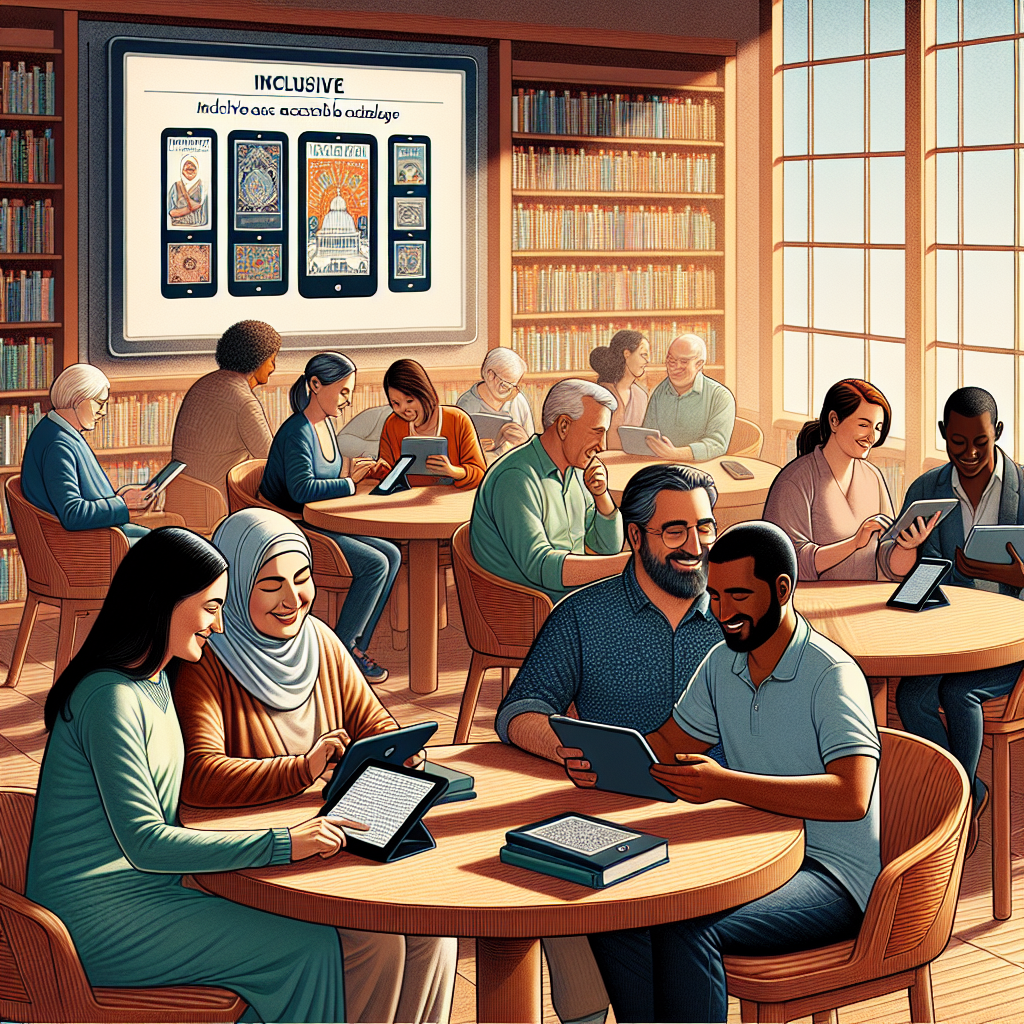
Customizable technology is rapidly paving the way for a future in which accessible technology is not just standardized, but deeply personalized. As an increasing number of devices and applications cater to more diverse users, the focus has shifted towards creating experiences that can be tailored to fit individual needs and preferences. This shift represents a significant evolution from the traditional one-size-fits-all approach that long dominated the tech industry. Instead of static solutions, we’re witnessing a surge in technologies that anticipate, understand, and adapt to user-specific requirements across various domains. This ability to customize technology for personalized accessibility promises not only to improve usability but also to enhance user satisfaction, engagement, and efficiency. The implications of this trend stretch far and wide, impacting everything from smartphones and computers to smart home devices and vehicles, thereby contributing to inclusivity and equality in access to technology. In a world where digital interaction is increasingly integral to daily life, ensuring that everyone can use technology comfortably and effectively is crucial. Hence, customizable tech marks a transformative shift towards a more inclusive digital future, offering individuals the freedom to navigate technology in a way that best suits their unique abilities and lifestyle.
The Growing Need for Personalized Accessibility
In today’s digital age, the demand for accessibility in technological applications and devices has never been more relevant. As the global population ages and the presence of disabilities becomes more prevalent, designing for accessibility is not merely an added bonus—it’s a necessity. However, conventional accessibility features often fall short by offering generalized solutions that do not account for the nuanced needs of users. That’s where customizable tech steps in.
Customizable tech allows for personal adjustments to accessibility settings, enabling each user to modify and arrange their experiences to fit their specific capabilities. This could mean enhancing visual or auditory elements for users with impairments, or even tailoring the user interface to accommodate cognitive requirements. Such capability is essential not only for enhancing accessibility but also for ensuring that technology serves all users equally, breaking barriers that stand between individuals and full participation in the digital world.
Technologies Enabling Customization
Several technological advancements have facilitated the rise of customizable accessibility. Artificial Intelligence (AI) and Machine Learning (ML) play crucial roles by allowing systems to learn and adapt to user preferences and needs, creating a personalized experience over time. For instance, AI can analyze user interaction patterns to suggest optimal accessibility configurations or even auto-adjust settings based on contextual indicators such as time of day or recent user behavior.
Moreover, Internet of Things (IoT) devices are becoming more prevalent within homes, providing integrated systems that users can personalize for better accessibility. Smart speakers, lighting, and appliances can all be tailored through apps that adjust usability settings such as voice assistance speed or text-to-speech output volume, making daily routines easier for those with disabilities. These interconnected devices, working in harmony, extend the adaptability of living environments, offering more profound levels of comfort and independence.
Customizable Software Solutions
Beyond hardware, the software industry is fully immersed in enhancing personal accessibility through customization. Operating systems, for instance, now offer extensive accessibility suites. Consider how recent updates in platforms like Windows or macOS provide a plethora of personalization options. From altering display settings with high-contrast themes and screen magnifiers to enabling voice commands and eye-tracking, users have greater control over how they interact with their devices. These systems are designed to accommodate a wide spectrum of needs, further broadening the user base irrespective of physical or cognitive limitations.
In addition, mobile applications are stepping up by incorporating accessibility APIs that allow third-party developers to create apps that meet various user needs. This development environment has drastically changed the landscape of app accessibility, making it possible for users to customize apps in ways that adhere to their individual requirements. Mobile apps are now more intuitive and enriched with features like font size adjustments, voice navigation, and gesture controls, making them adaptable to preferences no matter how specific they are.
Advancing User-Centric Design
The movement toward customizable tech also fosters an important transition towards user-centric design principles. User-centric design emphasizes building solutions based on the human perspective. It requires direct input from users about what they need, leading to products that are more intuitive and aligned with user requirements. By actively involving users in the design process, developers can identify and integrate specific features that enhance accessibility.
In this context, customizability is a critical component. It ensures that digital environments can reflect the unique ways in which users prefer or need to engage with content. When systems offer flexible settings, users can have a sense of agency, personal comfort, and greater satisfaction in their interactions. This not only improves individual experiences but also encourages more user engagement, leading to better overall product adoption.
The Economic Impact of Personalized Accessibility
From an economic perspective, embracing customizable accessibility offers tangible benefits. Companies investing in adaptable technologies can tap into larger markets, expanding their customer base significantly. By offering personalized accessibility features, businesses demonstrate inclusivity, thereby attracting loyalty from diverse user demographics.
Moreover, creating tech products that are adaptable and accessible to all users can drive innovation, fostering a competitive edge in the market. Companies that prioritize personalized accessibility are likely to stand out, setting trends that elevate industry standards. Furthermore, regulatory bodies are increasingly recognizing the importance of accessibility, and technology that meets or exceeds these standards can offer legal advantages, reducing the risk of non-compliance penalties.
Challenges and Considerations
Despite the overwhelming benefits, deploying customizable tech for personalized accessibility comes with its set of challenges. One significant hurdle is the complexity involved in ensuring that technology remains intuitive even as it becomes more customizable. Balancing simplicity of use with extensive customization options can be tricky. It requires a refined understanding of various accessibility needs without making interfaces overwhelming.
Additionally, privacy and security are pivotal concerns. When technology learns from user interactions to offer personalization, it inevitably involves data collection and processing. Ensuring that such sensitive data is handled with confidentiality is crucial. Developers and companies must emphasize transparent privacy policies and reliable security mechanisms to maintain user trust.
Future Directions
The future of customizable tech is poised to be even more expansive and inclusive. As we continue to explore deeper integrations of AI and adaptive learning, devices may preemptively adjust to user needs without explicit direction. Emerging technologies like augmented reality (AR) and virtual reality (VR) can further redefine customizable accessibility by offering immersive environments that cater to individual preferences.
Moreover, societal awareness and activism around disability rights and digital accessibility continue to grow, prompting increased demand for innovation in this space. The growing push for universal design principles grounded in inclusivity ensures that future technologies will be developed with accessibility as a core focus rather than an afterthought.
Conclusion
In conclusion, customizable tech is reshaping our approach to accessibility by shifting the focus from uniform solutions to personalized experiences that resonate with individual users. This evolution towards personal adaptation in technology signifies a significant step forward in inclusivity, empowering users by catering to their unique needs and enhancing their interaction with digital environments. As AI, IoT, and modular software advance, we can expect further strides in technology’s capacity to accommodate and anticipate diverse user requirements.
Ultimately, embracing customizable tech is a crucial component of building a world where technology serves everyone equitably. For both users and developers, the path towards improved accessibility is paved with opportunities for innovation and growth. By fostering environments where technology dynamically adapts to individual circumstances, we not only enrich user experiences but foster a culture of inclusivity and empowerment. The momentum towards customizable tech reflects a wider societal commitment to breaking down barriers, ensuring that all individuals, regardless of ability, can efficiently navigate and enjoy the benefits of our rapidly evolving digital world.
Frequently Asked Questions
1. What does customizable technology for accessibility mean?
Customizable technology for accessibility refers to tech that can be tailored to meet the unique needs and preferences of each user, especially those with disabilities. Unlike the traditional approach, where technology is developed with a one-size-fits-all mentality, customizable tech adapts and changes based on specific user requirements. This can include adjusting font sizes and colors for individuals with visual impairments, modifying sound alerts for those with hearing difficulties, or even creating custom interfaces for different cognitive or physical needs. Ultimately, this personalization supports a more inclusive experience, enhancing the usability and effectiveness of tech for everyone.
2. How is personalized accessibility different from traditional accessibility solutions?
Traditional accessibility solutions often adhere to a standard set of features meant to broadly accommodate people with disabilities, such as screen readers or closed captioning. While beneficial, these solutions can be limiting because they are created with a generic user in mind. Personalized accessibility, on the other hand, focuses on individual user needs, offering a bespoke experience that considers factors such as specific disabilities, preferences, and contexts of use. For instance, a customizable tech device might allow a user to set up their interface exactly how they need it, tweaking aspects like speech rate for screen readers or activating gesture controls for physical navigation, thus making technology more responsive and empathetic to personal differences.
3. What technologies are driving the future of personalized accessibility?
Several cutting-edge technologies are propelling the movement towards personalized accessibility. Artificial Intelligence (AI) plays a huge role as it can analyze user behavior and automatically adjust settings to better suit an individual’s specific needs. Machine learning enhances this by learning over time to become even more tailored. Additionally, Internet of Things (IoT) devices enable a seamless and interconnected experience across different gadgets and environments, adapting in real-time to the user’s circumstances. Augmented Reality (AR) helps provide real-world navigational aids, customizing visual information to suit personalized accessibility requirements. Together, these technologies transform static accessibility solutions into dynamic, flexible offerings that reflect the user’s evolving needs.
4. What are some real-world examples of customizable tech for accessibility?
There are numerous examples of customizable tech already making a difference in personal accessibility. Smart home devices, like voice-activated assistants, can be programmed to perform specific tasks tailored to an individual’s routine, such as turning on lights or setting alarms when they detect the user is awake. Smartphones now come loaded with features like custom voice commands, haptic feedback adjustments, and display settings that accommodate various disabilities. Video conferencing tools have introduced automatic and customizable captioning settings for clearer communication. Furthermore, specialized software for computer operating systems allows custom keyboard shortcuts and inputs, which can be configured to make interaction more intuitive for those with physical and cognitive disabilities. These advancements illustrate the tangible impact of customization in accessibility tech.
5. Why is investing in customizable accessibility technology important for businesses?
Investing in customizable accessibility technology is crucial for businesses for several reasons. Firstly, it reflects a commitment to diversity and inclusion, aligning with modern societal values and enhancing the company’s reputation. Businesses that prioritize accessibility can tap into a wider market, as millions of potential customers or employees with disabilities greatly benefit from these personalized technologies. This leads to increased user satisfaction, loyalty, and a competitive advantage. Additionally, adopting these technologies can improve workplace productivity, as accessible tools allow employees to perform at their best, irrespective of their disabilities. Furthermore, with laws and regulations around accessibility becoming stricter, ensuring technology is both customizable and compliant helps mitigate risks of legal repercussions. In these ways, businesses can flourish financially and ethically by incorporating customizable accessibility solutions.