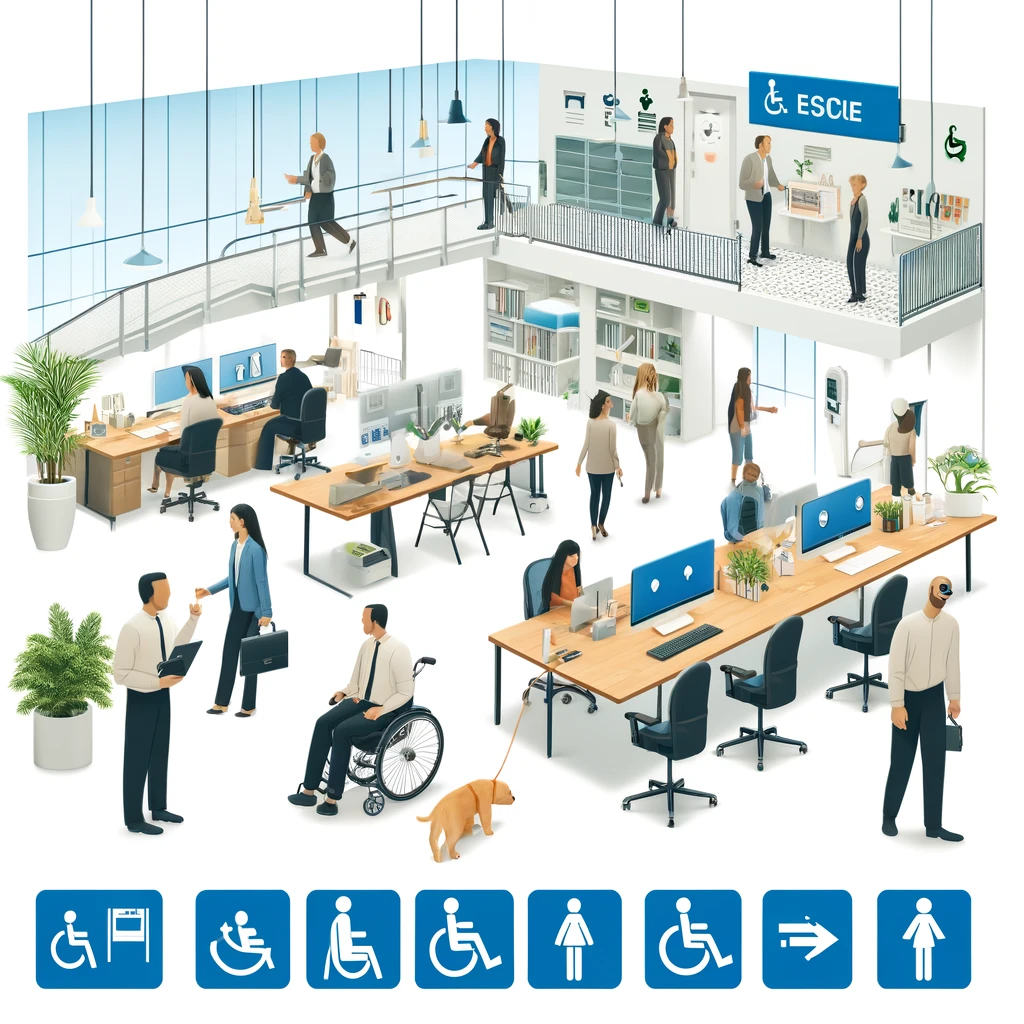
The Americans with Disabilities Act (ADA) was enacted to prevent discrimination against individuals with disabilities and ensure equal opportunities in employment and other areas of public life. Compliance with the ADA is not only a legal obligation for employers but also a commitment to creating an inclusive and accessible workplace for all employees. To foster such environments, organizations must invest in advanced training techniques tailored to meet ADA compliance requirements. With technological advancements and changing workplace dynamics, it’s crucial for businesses to stay abreast of innovative training methods. This article explores the significance of ADA compliance and the advanced training techniques organizations can employ to meet these regulatory requirements effectively.
Ensuring ADA compliance involves both understanding the law and implementing practices that accommodate employees with varying needs. While traditional training methods have their benefits, they might not address the nuances of ADA regulations or adapt to the diverse ways adults learn. Therefore, advanced training techniques are essential in equipping employees, managers, and HR personnel with the knowledge and skills needed for ADA compliance. As workplace diversity continues to evolve, so too must our training strategies, to reflect the changes in regulations and the demands of a modern workforce.
Advanced training goes beyond the basics to dive deeper into practical applications, empathy building, and problem-solving strategies. It facilitates a dynamic learning environment where participants can explore case studies, engage in simulations, and utilize digital tools to better understand and implement ADA standards. This approach not only helps in meeting legal obligations but also enhances organizational culture, employee satisfaction, and productivity by creating an inclusive work environment. In the sections that follow, we’ll delve into the specific advanced training techniques that can be employed to ensure ADA compliance in today’s ever-evolving workplace.
Understanding ADA Compliance
The foundation of any training program aimed at ADA compliance begins with a thorough understanding of the legislation itself. The ADA prohibits discrimination against individuals with disabilities in all areas of public life, including jobs, schools, transportation, and all public and private places open to the general public. In the workplace, this translates to ensuring reasonable accommodations are made for employees with disabilities and that these individuals have the same rights and opportunities as those without disabilities.
Initial training should cover the essential aspects of the ADA, explaining its objectives, scope, and key terminologies. Participants must understand the definition of ‘disability’ under the ADA, which includes physical or mental impairments that substantially limit one or more major life activities. Beyond definitions, training should also focus on prohibited practices, such as unlawful termination, failure to provide reasonable accommodations, and any form of harassment or retaliation against employees with disabilities.
Adopting Technology-Enhanced Learning
One effective strategy for advanced ADA training is the adoption of technology-enhanced learning tools. Modern software and platforms offer a captivating and flexible learning experience that caters to diverse learning needs. For instance, virtual reality (VR) simulations can immerse employees in scenarios where they must navigate the challenges faced by individuals with disabilities, providing a deeper understanding through empathy.
Webinars and online modules allow employees to engage with course materials at their own pace and on their schedules, ensuring that all participants have the opportunity to digest information thoroughly. These platforms often include interactive elements, such as quizzes, discussion boards, and real-time feedback, which help reinforce learning.
Moreover, organizations can use Learning Management Systems (LMS) to track progress, manage training schedules, and assess the effectiveness of ADA training programs. By leveraging technology, companies can offer a personalized learning experience that meets the unique needs of each employee while ensuring comprehensive coverage of ADA compliance issues.
Interactive Workshops and Role-Playing
While technology offers significant advantages, in-person workshops and role-playing exercises provide invaluable hands-on experience and peer interaction. These methods encourage participants to engage in discussions, ask questions, and explore ADA-related challenges in real-life contexts. During interactive workshops, employees can collaborate in small groups to solve problems, share insights, and learn from each other’s experiences.
Role-playing exercises can effectively demonstrate the importance of empathy and understanding when interacting with employees and customers with disabilities. By stepping into another person’s shoes, employees can gain insights into the experiences and challenges faced by individuals with disabilities and the importance of making accommodations.
Such experiential learning techniques are crucial in developing not only a theoretical understanding but also practical skills necessary for implementing ADA standards in daily operations. They foster a workplace culture rooted in respect and inclusivity.
Customized Training Programs
Each workplace has unique needs depending on its industry, workforce, and operational structure. Therefore, a one-size-fits-all training approach may not be sufficient. Advanced ADA training should be customized to address the specific context and requirements of individual organizations. This can involve tailoring case studies and scenarios to reflect the organization’s industry, developing specific accommodations and accessibility practices relevant to their line of work, and identifying key areas where ADA compliance may require particular attention.
Customization also means aligning training modules with an organization’s values and goals, ensuring that ADA objectives integrate seamlessly into the company’s broader mission and operational strategy. It allows for the identification of gaps and areas in need of improvement, thereby creating a focused approach to ADA compliance.
Ongoing Training and Evaluation
ADA compliance training should not be limited to a single session or annual requirement. Advanced training techniques emphasize the importance of ongoing education and continuous improvement. Regular refreshers, updates on new regulations, and emerging best practices ensure that employees stay informed and any gaps in knowledge are addressed promptly.
To gauge the effectiveness of ADA training programs, organizations should incorporate regular evaluations and assessments. These evaluations can take the form of quizzes, surveys, and practical assessments that measure employee understanding and application of ADA compliance in their roles. Feedback from participants can guide program adjustments and improvements, ensuring that the training remains relevant and effective.
Promoting a Culture of Inclusivity
A truly ADA-compliant workplace requires more than just knowledge of legal obligations; it necessitates the promotion of a culture of inclusivity and respect. Training sessions should encourage employees to embrace diversity and advocate for accessibility and equal opportunities for all. This can be achieved by embedding ADA values into all aspects of the organization, from recruitment processes to day-to-day operations and company-wide initiatives.
Leadership plays a critical role in this process, setting the tone for a respectful and inclusive workplace. Advanced training for leadership and management should include components on fostering inclusivity, recognizing the benefits of a diverse workforce, and the proactive steps they can take to model ADA-compliant behaviors.
The Role of ADA Coordinators
An often-overlooked aspect of ADA compliance is the role of ADA coordinators within organizations. ADA coordinators are responsible for overseeing compliance efforts, addressing grievances, and serving as a resource for both employees and management on ADA-related issues.
To support ADA coordinators in their roles, organizations should provide specialized training that equips them with the knowledge and tools necessary to manage compliance effectively. This includes understanding the legal and regulatory framework, developing policies and procedures, and implementing initiatives to enhance accessibility across the workplace. Coordinators should be empowered to lead ADA efforts, be visible advocates for change, and play a key role in shaping an organization’s approach to disability inclusion.
Advanced Communication Strategies
Effective communication is a crucial component of ADA compliance and can often be a complex area requiring nuanced understanding. Advanced training should cover communication strategies to effectively interact with employees and clients with disabilities. This can include training on body language, tone of voice, and non-verbal communication, which are often crucial in creating a welcoming and respectful atmosphere.
Employees should be trained to avoid assumptions about the limitations or capabilities of an individual with disabilities and instead, approach each interaction with openness and a willingness to adapt communication styles as needed. Training might also include the use of assistive communication tools and technologies designed to facilitate clearer and more accessible interactions in the workplace.
Conclusion
In summary, achieving ADA compliance in the workplace involves a multifaceted approach that goes beyond understanding legal obligations. It requires a commitment to inclusive practices, continuous learning, and the implementation of advanced training techniques that cater to diverse learning needs and organizational contexts. By leveraging technology, promoting interactive and experiential learning, customizing training programs, and fostering a culture of inclusivity, organizations can create a thriving, accessible work environment for everyone.
Advanced training methods enable organizations to address the complexities of ADA compliance more effectively, ensuring that employees are not only informed but also equipped to put this knowledge into practice. As workplaces continue to evolve, staying ahead of ADA requirements through innovative training approaches will be essential in promoting accessibility, preventing discrimination, and enhancing the overall well-being and productivity of employees with disabilities.
Ultimately, ADA compliance is not merely about adhering to regulations; it’s about demonstrating a genuine commitment to equity, accessibility, and respect for all individuals. By adopting advanced training techniques, organizations can lead the way in creating comprehensive and inclusive work environments that reflect these values, paving the way for a future where disability inclusion is the norm rather than the exception.