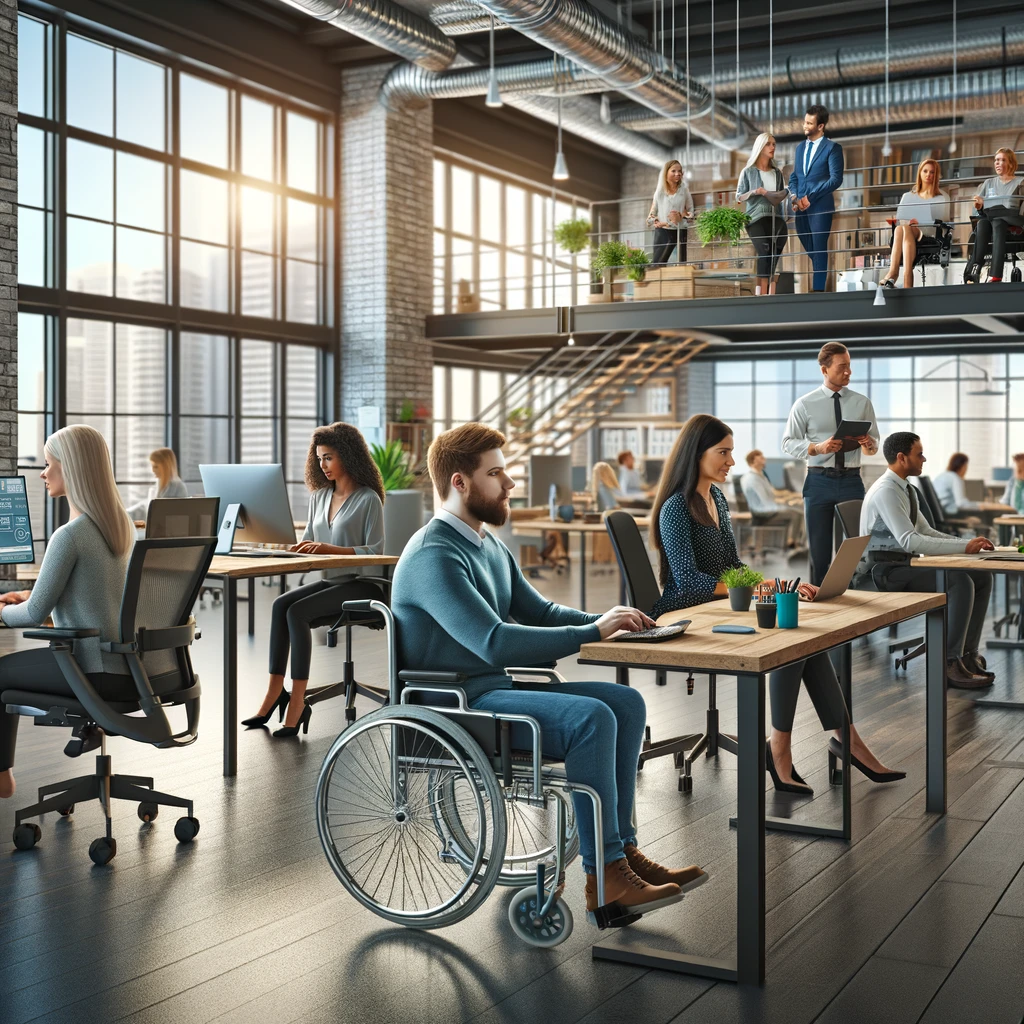
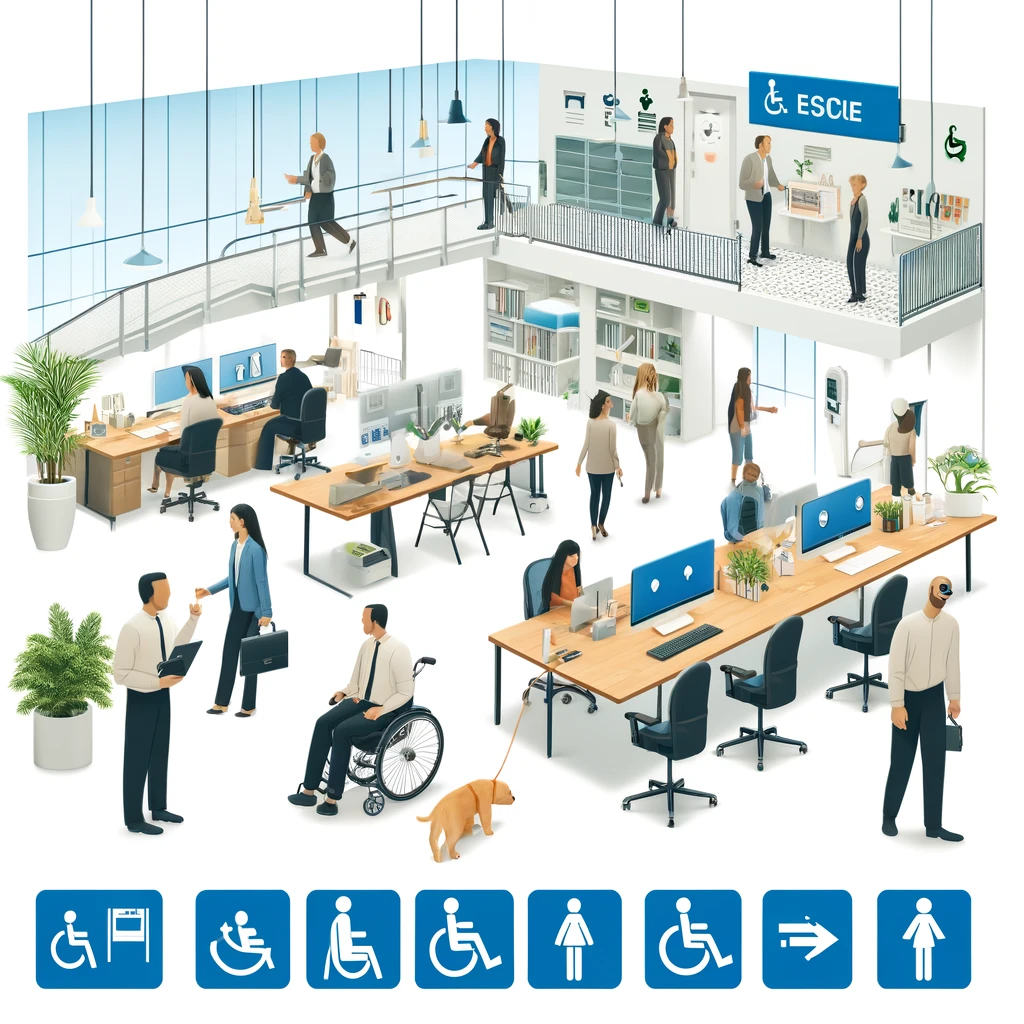
Advancements in technology have drastically transformed the landscape of the modern workplace. A significant part of this transformation is the emergence and implementation of adaptive technologies, designed specifically to enhance accessibility for employees with disabilities. Adaptive technologies include a wide range of tools and software solutions that enable people with disabilities to participate fully in the workforce, breaking down the barriers that might have previously limited their opportunities. The importance of these technologies cannot be overstated, as they not only empower individuals but also contribute significantly to a more inclusive, diverse, and productive work environment. Such technologies range from simple software applications to more complex devices, each playing a crucial role in leveling the playing field for employees with different needs.
Companies that embrace adaptive technologies set themselves apart by fostering an inclusive culture that values all workers’ contributions, regardless of physical or cognitive limitations. By doing so, they not only comply with legal mandates but often exceed them, securing a reputation as leaders in corporate social responsibility. This approach not only benefits employees but also serves as an asset to the organization through enhanced workforce morale, retention, and productivity. As the world heads towards a future where inclusivity is a central theme, understanding and implementing adaptive technologies have become indispensable for businesses seeking long-term success. In this article, we will explore various adaptive technologies that enhance accessibility, outline their benefits, and discuss how they are reshaping workplaces around the globe. We’ll delve into the specific technologies that are helping individuals overcome challenges, enabling them to excel in their roles.
Types of Adaptive Technologies
Adaptive technologies are incredibly diverse, catering to a broad spectrum of accessibility needs. One prominent example is screen readers, which convert text to speech or Braille, allowing visually impaired individuals to interact with digital content effectively. Screen readers such as JAWS (Job Access With Speech) and NVDA (NonVisual Desktop Access) have become indispensable, transforming the way individuals with visual impairments navigate their work tasks, from reading emails to accessing employee portals. These technologies bridge a critical gap by enabling seamless communication and interaction with digital interfaces.
Speech recognition software is another essential adaptive technology, instrumental for employees with mobility issues or those who have difficulty using traditional input devices such as keyboards and mice. Applications like Dragon NaturallySpeaking allow users to control their computers using only their voice, executing commands, dictating documents, or browsing the web. This technology not only empowers users to perform tasks independently but also significantly enhances productivity by enabling fast and efficient interaction with digital systems.
For individuals with hearing impairments, advancements such as real-time captioning and transcription services have made significant strides. These technologies transcribe spoken words into written text promptly, allowing individuals to participate in meetings and live events without missing out on crucial information. Systems like Otter.ai and Google Live Transcribe utilize sophisticated algorithms to deliver reliable and accurate transcripts, ensuring inclusivity in communication. Additionally, video conferencing platforms like Zoom have integrated automatic captioning features, thereby improving accessibility in remote work settings.
Adaptive hardware, such as ergonomic keyboards and mouse alternatives, cater to individuals with physical disabilities or repetitive strain injuries. These devices are designed to prevent fatigue and discomfort, promoting better posture and reducing the risk of further injury. Ergonomic solutions often feature customizable layouts and sensitivity adjustments, meeting the unique needs of every user. Furthermore, devices like eye-tracking systems enable complete computer control through eye movement, offering individuals with severe mobility limitations a powerful tool to navigate digital environments autonomously.
The Role of Employers in Implementing Adaptive Technologies
Employers play a pivotal role in the successful deployment and utilization of adaptive technologies. It is crucial for organizations to cultivate an environment that prioritizes accessibility from the outset, integrating adaptive technologies into their overarching operational strategies. This begins with conducting accessibility audits to identify existing barriers within the workplace and garnering feedback from employees to understand their specific needs and challenges. By doing so, businesses can make informed decisions on which technologies to implement and tailor their accessibility strategies according to the diverse requirements of their workforce.
Training and support are equally important when introducing adaptive technologies. Ensuring that employees are adequately trained to use these technologies not only empowers individuals but also maximizes the organization’s return on investment. Providing regular workshops and creating accessible resources are effective approaches to equipping employees with the necessary knowledge and skills to integrate these technologies into their workflows. Moreover, offering ongoing technical support ensures that any issues or challenges encountered are swiftly addressed, maintaining a smooth operational flow and minimizing disruptions.
Employers must also be proactive in promoting a culture of inclusivity and acceptance. This involves educating all employees about adaptive technologies and their importance, fostering a supportive atmosphere where diversity is celebrated, and encouraging open dialogue around accessibility issues. By nurturing an inclusive workplace culture, organizations can enhance team cohesion and collaboration, bridging gaps and fostering mutual respect among all employees.
Benefits of Adaptive Technologies in the Workplace
The integration of adaptive technologies in the workplace yields numerous benefits that extend beyond providing individuals with disabilities the means to perform their jobs efficiently. One of the most significant advantages is the enhancement of employee productivity. When employees are equipped with the tools they need to succeed, regardless of their physical or cognitive limitations, they can perform tasks more effectively, often achieving outcomes that exceed expectations. This productivity boost has a direct positive impact on the organization’s bottom line, as the efficiency of operations is optimized.
Additionally, adaptive technologies contribute to higher employee satisfaction and retention. By creating an inclusive environment where all employees feel valued and supported, organizations typically experience improved morale and job satisfaction. Employees are more likely to remain with a company that recognizes their unique contributions and provides the necessary accommodations to aid their success. This, in turn, reduces turnover rates and the associated costs of hiring and training new staff, offering considerable long-term financial benefits.
From a broader perspective, embracing adaptive technologies and fostering inclusivity can enhance an organization’s brand image and reputation. Companies that prioritize accessibility not only comply with legal requirements but also demonstrate their commitment to corporate social responsibility, aligning their values with those of many modern consumers and clients. This can lead to stronger customer loyalty, attracting new business opportunities and opening doors to a wider market segment.
Challenges in Implementing Adaptive Technologies
Despite the numerous benefits, implementing adaptive technologies does come with its set of challenges. One primary obstacle is the potential cost associated with acquiring and maintaining these technologies. For some organizations, especially small businesses with limited budgets, the initial investment might seem daunting. However, it’s essential to view these technologies as long-term investments that can result in significant time and cost savings.
Another challenge is ensuring compatibility and integration with existing systems. Organizations need to assess their current technology infrastructure to determine what modifications are necessary to accommodate new adaptive tools without disrupting current operations. This might require additional investment in software updates or new hardware purchases, which must be carefully planned and budgeted.
Additionally, there may be a resistance to change within the workforce. Some employees may initially be wary or skeptical about utilizing new tools, particularly if they are unfamiliar with the technology. Overcoming this resistance requires effective change management strategies, involving clear communication about the benefits, hands-on training sessions, and leadership from the top down to emphasize the importance of adaptability and continuous improvement.
The Future of Adaptive Technologies in the Workplace
Looking forward, the role of adaptive technologies in the workplace will likely continue to expand, driven by rapid technological advancements and an increased emphasis on workplace diversity and inclusion. Emerging technologies, such as artificial intelligence and machine learning, offer exciting possibilities for further improving accessibility. AI-powered tools could, for instance, provide personalized recommendations for accessibility settings based on user behavior, significantly enhancing user experiences for people with disabilities.
Moreover, as remote work becomes more prevalent, the importance of adaptive technologies in creating virtual work environments that accommodate all employees’ needs will only grow. Companies must remain vigilant, routinely reviewing and updating their accessibility strategies to keep pace with technological developments and emerging workplace trends. By doing so, organizations can ensure that they continue to harness the full potential of their diverse workforce, driving business success well into the future.
Conclusion
Adaptive technologies are revolutionizing the workplace by making it more accessible and inclusive for individuals with disabilities. These technologies provide the necessary tools for individuals to overcome various challenges, allowing them to contribute effectively and meaningfully to their organizations. From screen readers to speech recognition software and real-time captioning services, adaptive technologies span a wide array of solutions, each tailored to meet specific accessibility needs. Their benefits far outweigh the costs, enhancing productivity, job satisfaction, and retention while promoting an inclusive corporate image.
For organizations, the successful implementation of adaptive technologies requires a commitment to fostering an inclusive culture, conducting thorough accessibility audits, and providing continuous training and support. While challenges such as cost and compatibility exist, they can be managed through strategic planning and investment in long-term solutions. As technology continues to evolve, so too will the opportunities for enhancing accessibility within the workplace, enabling businesses to harness the creative and intellectual potential of a diverse workforce.
The future of adaptive technologies in the workplace is a promising one, underscored by technological advancements and evolving organizational values. Companies that proactively embrace these technologies and prioritize accessibility stand to benefit from an empowered, diverse, and productive workforce. In doing so, they not only align themselves with legal and ethical expectations but also position themselves as leaders in an increasingly inclusive global market, securing a competitive advantage for years to come.