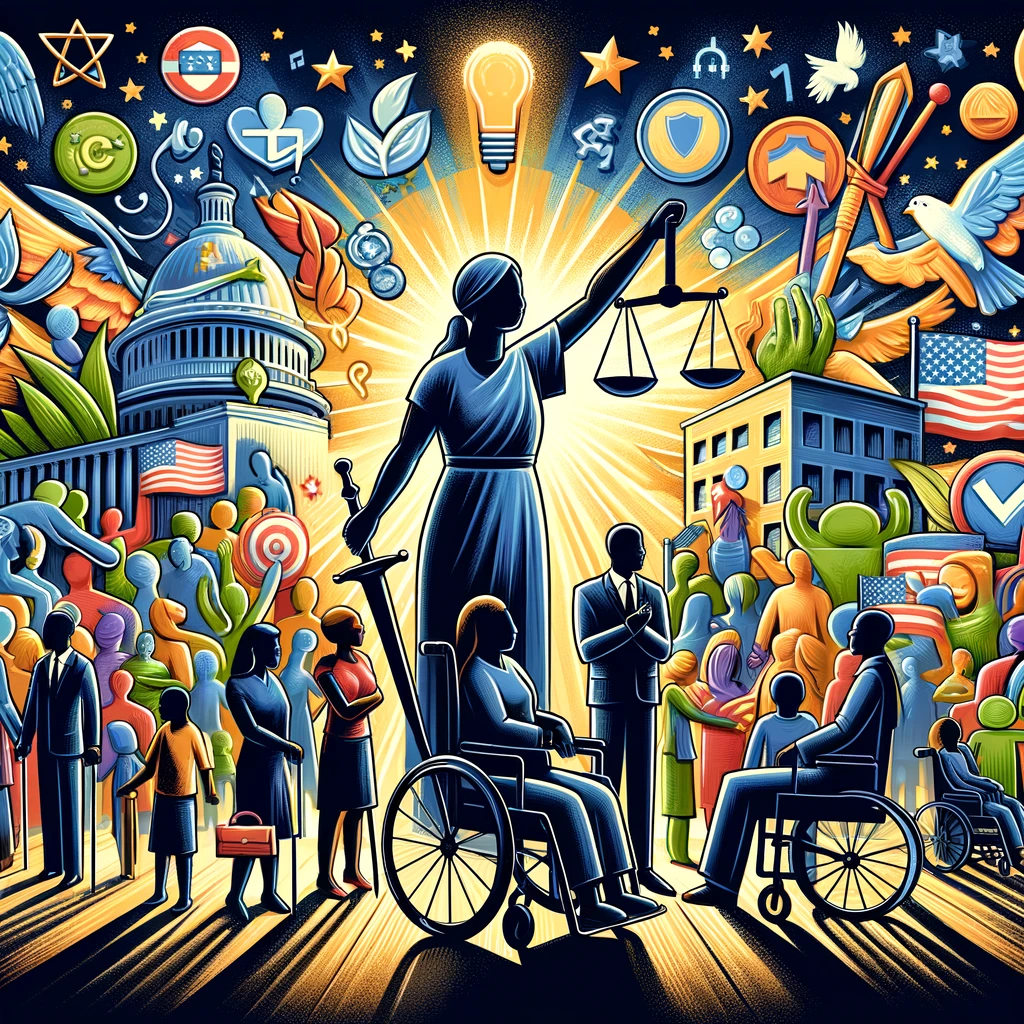
The modern library has evolved far beyond its traditional role as a repository of books and knowledge. In the digital age, libraries are not just spaces to store information but also centers of community interaction, learning, and innovation. With the increasing emphasis on inclusivity and equality, the concepts of rights and accessibility in library services have become more vital than ever. This evolution is essential in ensuring that everyone, regardless of status or ability, can access knowledge and resources. Libraries across the globe are tackling barriers related to various aspects such as physical access, digital technologies, and inclusive policies. These enhancements in library services underscore a commitment to preserving the rights of all patrons while ensuring equal access. This article delves into the significance of rights and accessibility in modern library services, examining how libraries are adapting to meet the diverse needs of their users in today’s fast-changing world.
Understanding Library Patrons’ Rights
Patrons’ rights are a cornerstone in the structure of library services. These rights ensure users can freely access library resources without fear of discrimination or additional barriers. A pivotal aspect of patrons’ rights involves intellectual freedom, which allows individuals to seek and receive information from all points of view without restriction. Libraries as champions of intellectual freedom must curate diverse collections that reflect a wide range of ideas and perspectives to uphold this principle. Another critical element is the right to privacy. Patrons often engage with sensitive materials or participate in activities where confidentiality is crucial. Libraries must implement robust policies to protect users’ personal information and circulation records against unauthorized access.
In addition to intellectual freedom and privacy, the right to information is also instrumental. Libraries are institutions designed to democratize knowledge access. By offering a wealth of information resources, libraries empower individuals with the knowledge needed for self-improvement and informed civic engagement. Legal frameworks, such as the Freedom of Information Act in the United States, bolster these rights by allowing public access to information held by government bodies, which libraries facilitate by providing necessary resources and assistance in finding such data.
Promoting Accessibility in Libraries
Ensuring accessibility in libraries is about creating environments that are welcoming and usable by everyone, regardless of physical or cognitive barriers. This accessibility begins with the physical layout of library buildings. Many libraries have been modified or newly designed to include features such as ramps, elevators, and wide aisles that accommodate wheelchair users, as well as suitable signage for those with visual impairments. Seating arrangements and workspaces in libraries are also adapted to suit patrons who may need special accommodations, with adjustable tables and ergonomic seating options becoming more common.
Besides physical adaptations, technological advancements play a crucial role in accessibility. Libraries are investing in technologies that cater to individuals with disabilities. This includes screen readers and text-to-speech software for visually impaired patrons, as well as hearing loop systems and real-time captioning for the hard of hearing. Online catalogs and websites are being redesigned in accordance with Web Content Accessibility Guidelines (WCAG) to ensure digital resources are accessible to all users. Moreover, libraries are expanding their collections by providing materials in various formats such as audiobooks, large print books, and braille, ensuring that everyone has access to the information they require.
The Role of Digital Libraries and Services
The development of digital libraries and services represents a significant stride in enhancing accessibility for all users. Digital libraries offer a host of resources that can be accessed from anywhere, at any time, removing geographic and physical barriers. Through digital platforms, users can explore e-books, academic journals, multimedia content, online databases, and more, providing unprecedented scope for learning and research. Since the internet and technology are crucial to the existence of digital libraries, librarians are trained to assist patrons who may be unfamiliar with or intimidated by digital devices and services, further emphasizing inclusivity.
The evolution of digital services has also accelerated during recent global challenges such as the COVID-19 pandemic. Libraries have developed robust online engagement strategies, holding virtual events like book clubs, classes, and workshops to ensure continued community engagement. This move to digital platforms has highlighted the importance of digital literacy, leading libraries to prioritize teaching digital skills as part of their services to bridge the digital divide for patrons who might lack these qualifications.
Policy Development for Diversity and Inclusion
Modern libraries are deeply invested in developing policies that foster diversity and inclusion, ensuring every patron feels valued and respected. This involves creating collections that reflect the cultural, ethnic, and linguistic diversity of the communities they serve. By actively seeking materials that represent underrepresented voices and histories, libraries contribute to a more inclusive narrative in the shared intellectual and cultural space. Furthermore, libraries implement programs and services that cater to specific community needs, including language classes, multicultural events, and workshops addressing social issues such as racial equality and gender rights.
Libraries also focus on staff training to uphold diversity and inclusion policies effectively. Librarians and staff members are educated on cultural competence, unconscious bias, and inclusive communication methods. Such training equips them to serve a diverse community more effectively, ensuring that interactions within libraries are positive and welcoming. Policies are reviewed and updated continuously to reflect changing societal norms and to accommodate emerging needs. By committing to a dynamic approach to diversity and inclusion policies, libraries can remain at the forefront of equitable service provision.
Libraries as Community Hubs
Libraries have transformed into dynamic community hubs, positioned to address and support various community needs. By offering resources and spaces for meeting and interaction, libraries encourage civic participation and foster community bonds. Libraries host forums, discussions, social events, and maker spaces that allow patrons to engage actively with one another and participate in community-led initiatives. These spaces act as incubators for ideas, fostering innovation and collective problem-solving.
Additionally, libraries offer vital support to underserved populations such as immigrants, refugees, and low-income families. Through tailored programs, libraries provide these groups with essential resources and services, such as language learning support, job search assistance, and financial literacy workshops. Libraries also partner with local agencies, schools, and organizations to align community services and create a more interconnected support network. By acting as facilitators and bridges within the community, modern libraries play a crucial role in strengthening the social fabric and enhancing overall quality of life.
Conclusion
The role of libraries today surpasses the traditional functions they have historically performed. As central pillars of modern communities, they are redefining accessibility and rights by evolving to meet the diverse needs of their users. They work tirelessly to uphold patrons’ rights, ensuring free access to information while safeguarding privacy and personal freedoms. Libraries are at the forefront of promoting accessibility both physically and digitally, insisting on innovations that break down barriers that once limited people’s ability to utilize library resources and services fully.
Through policies that embrace diversity and inclusion, libraries also advocate for equity, ensuring that all voices are heard and represented in their collections and services. By serving as community hubs, libraries bring people together, offering not only resources but also spaces for meaningful interaction, learning, and development. As society continues to change, libraries will remain vital by consistently reassessing and adapting their services to ensure they are accessible to every member of the community they serve. Embracing this future-oriented mindset guarantees that libraries keep evolving to meet the emergent challenges and opportunities they face in the ever-changing world.