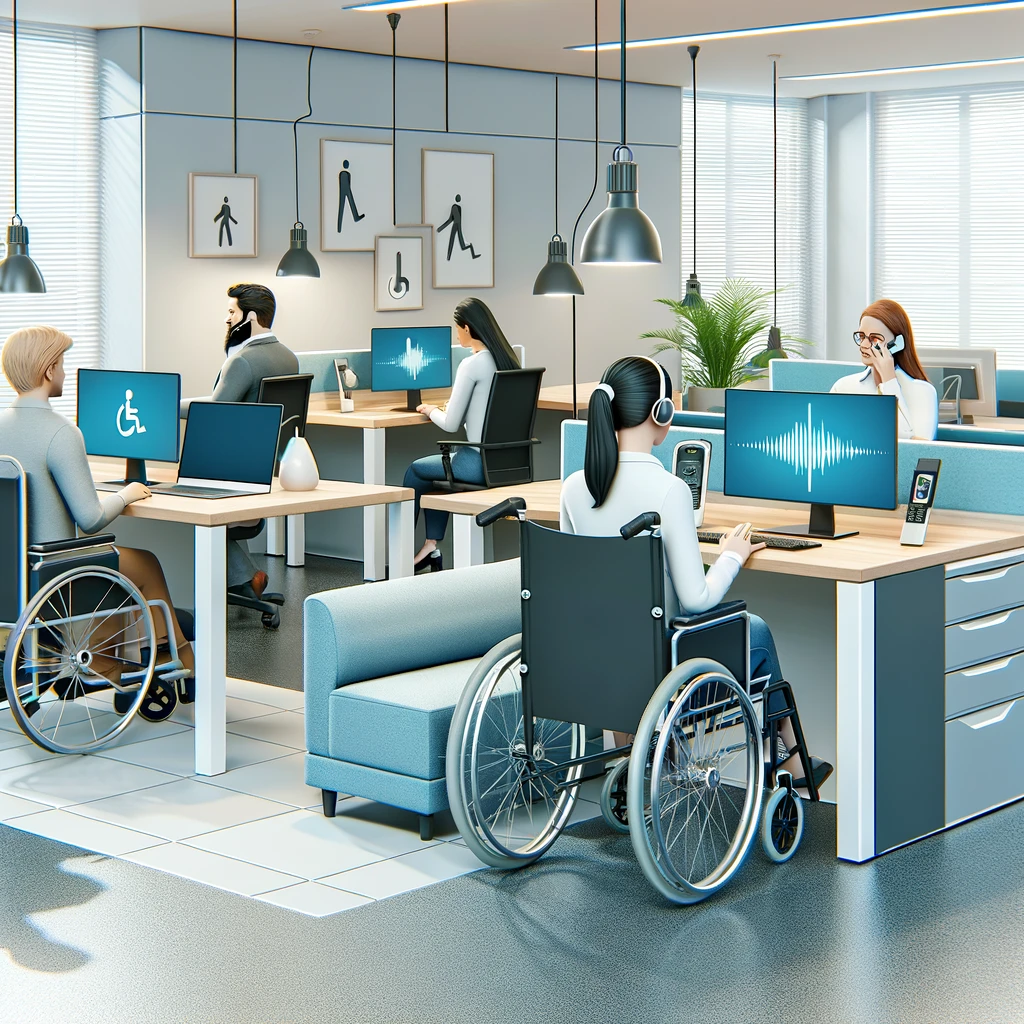
The Americans with Disabilities Act (ADA), signed into law on July 26, 1990, is a landmark civil rights law that prohibits discrimination based on disability. Among its many provisions, the ADA ensures equal opportunity for individuals with disabilities in public accommodations, employment, transportation, state and local government services, and telecommunications. One critical area that often demands attention is the role of the ADA in emergency and disaster preparedness.
Emergency situations require swift actions, clear communication, and accessible services to ensure the safety and well-being of all individuals, including those with disabilities. The ADA provides guidelines and mandates that help in planning, executing, and evaluating emergency preparedness protocols to ensure inclusivity and accessibility. In this comprehensive article, we will dive into the ADA’s role in emergency and disaster preparedness, exploring special focus areas, challenges, and best practices.
Understanding the intrinsic link between the ADA and emergency preparedness is essential for organizations, emergency responders, policymakers, and the general public. As natural disasters, health crises, and unforeseen emergencies become increasingly common, having an inclusive plan that accommodates people with disabilities is not just legally mandated but also morally imperative. We will begin by exploring the fundamentals of ADA compliance in emergency situations.
Fundamentals of ADA Compliance in Emergencies
Compliance with the ADA during an emergency involves ensuring that people with disabilities have equal access to emergency services and are able to participate in the planning, response, and recovery phases of disaster management. Several key areas must be addressed to accomplish this goal effectively:
- Communication: Emergency communication must be accessible to everyone. This includes employing techniques such as text messages, sign language interpreters, and accessible websites to disseminate critical information.
- Evacuation Plans: Facilities should have evacuation plans that account for people with various disabilities, ensuring safe and swift evacuation routes and assistance when necessary.
- Shelter Accessibility: Emergency shelters must be accessible to persons with disabilities, including structural features, communication aids, and support services.
- Training and Drills: Regular training and drills for emergency responders, staff, and the public should include scenarios involving people with disabilities.
Understanding these fundamentals forms the backbone of effective ADA compliance in emergency preparedness. However, achieving this requires a multi-faceted approach that incorporates different agencies, community involvement, and innovative solutions.
Integrating Inclusive Practices into Emergency Planning
Integrating inclusive practices involves proactively planning for the needs of individuals with disabilities during emergencies. For instance, emergency planners should work with disability advocates and community organizations to identify potential gaps in current plans and develop strategies to address them. Here are some practical steps to achieve this:
- Community Involvement: Engage with local disability organizations to understand the specific needs within the community and include their input in planning and decision-making processes.
- Accessible Communication Platforms: Utilize multiple communication platforms that cater to different disabilities, ensuring that everyone receives the necessary information promptly.
- Resource Allocation: Dedicate resources for accessible transportation, medical equipment, and support services in shelters and evacuation centers.
- Collaboration with Experts: Collaborate with experts in disability services to train emergency responders and staff on best practices for assisting individuals with disabilities.
By integrating these inclusive practices, communities and organizations can create robust emergency plans that safeguard the rights and well-being of people with disabilities. Moreover, inclusive planning helps build trust within the community, fostering a sense of security and preparedness.
The Role of Technology in Enhancing Accessibility
Technology plays a critical role in enhancing accessibility during emergencies. From real-time communication tools to advanced alert systems, leveraging technology can significantly improve emergency responses for people with disabilities. Several technological advancements and tools include:
- Real-Time Alert Systems: Develop and implement real-time alert systems that can send notifications via text, email, social media, and other accessible formats.
- Mobile Applications: Use mobile applications that provide emergency information in multiple accessible formats, including voice-activated commands and text-to-speech options.
- Remote Assistance Tools: Equip emergency responders with remote assistance tools, such as video conferencing with sign language interpreters, to enhance communication with individuals with hearing impairments.
- Geolocation Services: Use geolocation services to track and assist individuals with mobility impairments or those who may need additional support during evacuations.
The integration of these technological solutions can bridge gaps in accessibility and ensure that everyone receives the timely and accurate information they need during emergencies. Furthermore, continuously updating and testing these technologies helps identify areas for improvement and keeps the system responsive to evolving needs.
Addressing Common Challenges
Despite best efforts, several challenges persist in ensuring full ADA compliance in emergency preparedness. Addressing these challenges is crucial for creating a genuinely inclusive and effective emergency response system. Some of the common challenges include:
- Limited Resources: Allocation of funds and resources for accessible emergency services often falls short of the necessary levels, hindering comprehensive preparedness.
- Lack of Training: Emergency responders and staff may lack sufficient training to address the needs of people with disabilities effectively, leading to inadequate responses during crises.
- Communication Barriers: Ensuring that communication is accessible to everyone, including those with sensory or cognitive disabilities, remains a significant challenge.
- Infrastructure Limitations: Many existing infrastructures, such as older buildings and shelters, may not fully comply with ADA standards, posing physical barriers for individuals with disabilities.
Addressing these challenges requires concerted effort and collaboration among various stakeholders. This includes government agencies, non-profit organizations, disability advocates, and the community at large. By identifying and tackling these barriers, we can move closer to achieving a fully inclusive emergency preparedness framework.
Best Practices and Success Stories
Implementing best practices and learning from success stories can provide valuable insights and inspiration for enhancing emergency preparedness. Across the country, several communities have successfully integrated ADA-compliant practices into their emergency plans:
- Community Collaboration: In Seattle, Washington, the Office of Emergency Management partners with local disability organizations to conduct outreach and educational programs, ensuring that emergency plans are inclusive and effective.
- Innovative Training Programs: The City of Los Angeles has developed specialized training programs for first responders, focusing on assisting individuals with disabilities during emergencies, improving response efficiency and inclusivity.
- Technology Integration: In Austin, Texas, the emergency management team uses advanced communication technologies to provide real-time alerts and updates in accessible formats, ensuring timely information reaches everyone in the community.
- Resource Allocation: New York City has implemented a resource allocation strategy that includes accessible transportation and shelters, dedicated medical support, and robust coordination with disability services organizations.
These success stories highlight the importance of community involvement, continuous training, technological integration, and strategic resource allocation in creating an inclusive emergency preparedness plan. By adopting these best practices, other communities can enhance their own emergency response systems.
Conclusion
The Americans with Disabilities Act plays a pivotal role in ensuring that individuals with disabilities receive equal access and consideration during emergencies. With a focus on communication, planning, technological innovation, and community collaboration, we can create robust and inclusive emergency preparedness plans. Addressing common challenges and learning from successful initiatives further strengthens our ability to respond to crises effectively and compassionately.
As emergencies and disasters can occur unexpectedly, proactive planning and continuous evaluation of emergency systems are vital. By integrating ADA principles into every aspect of emergency preparedness, we uphold the spirit of the ADA and affirm our commitment to protecting the rights and well-being of all individuals, regardless of their abilities.
In conclusion, the journey towards fully inclusive emergency preparedness is ongoing, but with dedicated efforts and collaboration, we can ensure that no one is left behind in times of crisis. The ADA provides the framework, and it is up to us to implement and uphold its principles, making inclusivity a cornerstone of our emergency response strategies.
Frequently Asked Questions
1. What is the ADA, and how does it relate to emergency and disaster preparedness?
The Americans with Disabilities Act (ADA) is a crucial piece of civil rights legislation signed into law on July 26, 1990. Its primary aim is to prevent discrimination against individuals with disabilities, ensuring equal opportunities across various domains, including public accommodations, employment, transportation, state and local government services, and telecommunications. In the context of emergency and disaster preparedness, the ADA plays an instrumental role in guaranteeing that individuals with disabilities receive equal access to emergency communications, shelter, evacuation, and other critical services during disasters. This means that all emergency plans and responses must accommodate and consider the needs of people with disabilities fully. For instance, evacuation procedures should be accessible, shelters must meet specific ADA standards, and communication during emergencies should be clear and understandable to individuals with different types of disabilities. This integration of the ADA principles in emergency preparedness seeks to provide equitable safety and protection for everyone, regardless of their abilities, ensuring no one is left behind in times of crisis.
2. How does the ADA ensure that emergency communication is accessible to individuals with disabilities?
The ADA mandates that communication during emergencies must be accessible to individuals with disabilities, ensuring that everyone receives timely and understandable information. For hearing-impaired individuals, this can include the use of captioning on emergency broadcasts, sign language interpreters during press conferences, or text-based notifications. Visually impaired individuals might benefit from alerts and information being delivered through accessible audio formats. Moreover, the ADA encourages the adoption of communication technologies, such as TTY or relay services, that cater to individuals with speech or hearing impairments. The overarching goal is to provide equal access to critical information, enabling disabled individuals to promptly and accurately understand the nature of the crisis and respond accordingly. This level of inclusion ensures that emergency communication is not just available, but is actively accessible and usable for everyone, reinforcing the ADA’s commitment to equitable treatment for all citizens.
3. How does the ADA affect the design and operation of emergency shelters?
Under the ADA, emergency shelters must be accessible to individuals with disabilities, both in terms of physical access and the services provided. This means that shelters need to have ramps or elevators for wheelchair access, accessible restrooms, and appropriate accommodations for service animals. Beyond physical accessibility, the ADA also ensures that the services within the shelters, such as medical care, food distribution, and sleeping arrangements, are inclusive. This might include providing beds at accessible heights, availability of additional space for personal care assistants or service animals, and communication aids for disable individuals with sensory impairments. In cases where existing shelters cannot immediately fulfill these requirements, temporary modifications or reasonable accommodations should be made to prevent exclusion. The ultimate aim is to ensure that during disasters, individuals with disabilities have access to the same level of safety, comfort, and aid as any other person, aligning with the ADA’s central objective of preventing discrimination and encouraging equal participation in community life regardless of one’s abilities.
4. What are some common challenges faced in implementing ADA guidelines during emergencies, and how can they be addressed?
One of the primary challenges in implementing ADA guidelines during emergencies is the lack of preparedness and awareness among emergency planners and responders who might not fully understand the needs and accommodations required for individuals with disabilities. This can lead to inadequate accessibility measures, insufficient communication methods, and logistical oversights. To address these challenges, ongoing training and educational initiatives are essential. Emergency service providers should engage with disability advocates and organizations to develop more inclusive strategies and protocols. Moreover, involving people with disabilities in the planning process itself ensures that plans are grounded in real-world needs and practical solutions. Funding and resource limitations can also pose obstacles, however, by prioritizing inclusivity in budget allocations, communities can leverage technology and innovative practices to overcome these challenges. Proper implementation requires a proactive approach, anticipating the needs of people with different disabilities and having solutions ready before a disaster strikes.
5. How can individuals with disabilities prepare themselves for emergencies in compliance with the ADA?
While the ADA provides a framework ensuring that emergency services accommodate individuals with disabilities, personal preparedness is also crucial. Individuals should familiarize themselves with local emergency services and response plans to understand their options. Creating a personal emergency plan tailored to one’s specific needs is important; this should include contacts for local disability support organizations, a supply kit with essential items (such as medications, adaptive equipment, or accessible communication devices), and a strategy for quick evacuation if necessary. Learning about ADA requirements can empower individuals to assert their rights and request accommodations proactively. Moreover, participating in community drills and planning discussions helps individuals to stay informed about available resources and gives them the opportunity to provide valuable input on how emergency services can improve. By combining personal preparedness with the support offered by the ADA, individuals with disabilities can better protect themselves while reinforcing the importance of accessibility and inclusivity in broader emergency planning and response efforts.