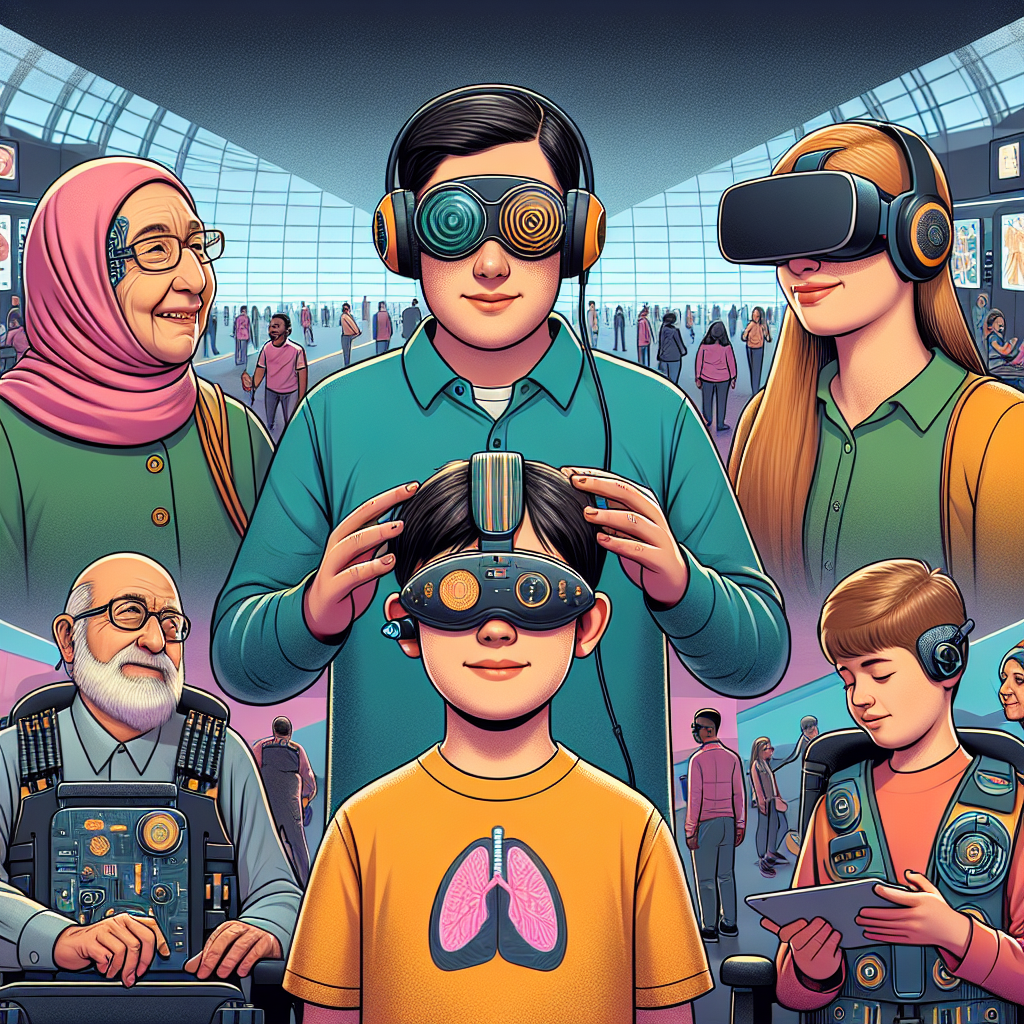
The Americans with Disabilities Act (ADA) has been a pillar in ensuring accessibility for individuals with disabilities since its inception in 1990. As technology evolves, it brings along promising innovations that can significantly enhance the lives of those with cognitive and learning disabilities. Wearable technology, in particular, is playing a revolutionary role in making the world more inclusive and accessible. This article dives into some cutting-edge wearable tech advancements designed to support cognitive and learning disabilities, showcasing their profound impact.
Introduction: Breaking Down Barriers with Technology
Accessibility has long been a challenge for individuals with cognitive and learning disabilities. Simple daily tasks can often become daunting when the right accommodations are not available. However, the landscape is changing rapidly, with wearable technology emerging as a game-changer.
Wearable technology refers to intelligent electronic devices that can be worn on the body, like smartwatches, fitness trackers, and even smart glasses. These gadgets are equipped with sensors and software that can monitor, assist, and enhance various physical and cognitive functions. For individuals with cognitive and learning disabilities, these wearables can provide assistance, increase independence, and significantly improve the overall quality of life.
In this section, we will explore how wearable technology is helping to break down barriers and create a more inclusive world. From facilitating better communication to enhancing memory and learning capabilities, the potential is boundless. It’s also essential to understand that these advances align with the goals of the Americans with Disabilities Act (ADA) – ensuring equal opportunities and accessibility for everyone.
With the rise of technology, it’s paramount that we leverage these innovations to meet the needs of all individuals, particularly those who need it most. This brings us to examine some of the key wearables that are currently making waves in the realm of cognitive and learning disabilities.
Assisting Communication: Smart Glasses
One of the most significant obstacles for individuals with cognitive and learning disabilities is effective communication. Smart glasses, such as Google Glass, have emerged as a valuable tool in addressing this issue. These devices can display text and images directly in the user’s line of sight, facilitating easier communication and interaction.
For individuals with autism or other communication challenges, smart glasses can provide visual prompts and cues. For example, they can display words or pictures to help the user understand and respond to questions or social cues. This can be particularly beneficial in educational settings, where communication barriers can hinder learning progress.
Speech-to-text and text-to-speech features in smart glasses also play a crucial role in bridging communication gaps. These functionalities enable users to convert spoken words into text they can read, or text into spoken words they can hear, making it easier for them to engage in conversations and comprehend information.
Moreover, smart glasses are not only enhancing communication but are also offering a form of independence. With built-in GPS and navigation systems, they can help users move around more confidently and independently. This blend of communication assistance and autonomy aligns seamlessly with the ADA’s goal of promoting equal opportunities.

Memory Aids: Wearable Reminder Devices
Memory impairments are another major challenge for individuals with cognitive disabilities. Forgetting important tasks, appointments, or even daily routines can be a source of frustration and stress. Wearable reminder devices like the Memorable Bracelet are designed to address these challenges.
The Memorable Bracelet is a simple yet effective tool that delivers gentle vibrations and visual cues as reminders for various tasks. Whether it’s taking medication, attending appointments, or completing schoolwork, this device ensures that important tasks are not forgotten.
What sets wearable reminder devices apart is their personalization. Users and caregivers can customize reminders based on individual needs and preferences. This level of customization makes these devices incredibly versatile and applicable to a wide range of cognitive disabilities.
These devices are also discreet and non-intrusive, ensuring that users do not feel singled out or self-conscious about using them. They seamlessly integrate into the daily lives of users, offering support without drawing undue attention. This balance of functionality and subtlety makes wearable reminder devices a valuable asset in enhancing independence and quality of life.
Learning Enhancement: Smartwatches and Apps
Smartwatches have become ubiquitous, but their role in supporting learning disabilities is particularly noteworthy. Equipped with various applications, smartwatches can offer tailored learning experiences that cater to individual needs and preferences.
For students with learning disabilities, specific apps on smartwatches can aid in developing reading, writing, and arithmetic skills. These apps provide interactive exercises and games that make learning engaging and enjoyable. They can also track progress and adjust the difficulty level to match the learner’s pace, ensuring that they remain challenged without being overwhelmed.
Beyond academics, smartwatches can promote self-regulation and organization. For instance, they can help users manage their time effectively by setting timers for specific tasks, reminding them to take breaks, and monitoring their overall activity levels. This is particularly beneficial for individuals with Attention Deficit Hyperactivity Disorder (ADHD), who often struggle with time management and focus.
Additionally, the haptic feedback feature in smartwatches can offer gentle reminders and cues, helping users stay on track without being disruptive. This combination of educational support and self-regulation aligns well with ADA’s objectives of promoting accessibility and equal opportunities in education.
Emotional Support: Wearable Sensors
Managing emotions and stress is a significant challenge for many individuals with cognitive and learning disabilities. Wearable sensors that track physiological signals like heart rate, skin temperature, and electrodermal activity are proving to be valuable tools in this regard.
These sensors can detect signs of stress or anxiety and provide real-time feedback to the user. This feedback can come in the form of vibrations, visual cues, or even sounds, prompting the user to employ coping strategies to manage their emotions. For example, if a sensor detects elevated heart rate and sweating (common indicators of anxiety), it can prompt the user to engage in deep breathing exercises or another calming activity.
The benefits of wearable sensors extend beyond real-time feedback. The data collected by these devices can be invaluable in understanding patterns and triggers of stress or anxiety. This information can help caregivers, educators, and healthcare providers develop personalized support plans and interventions, leading to better emotional management and well-being.
The ability of wearable sensors to provide both immediate and long-term support makes them a critical asset in managing cognitive and learning disabilities. By helping users manage their emotions and reduce stress, these devices contribute to a higher quality of life and support the ADA’s mission of ensuring comprehensive accessibility.
Physical Activity: Smart Clothing
Engaging in regular physical activity is essential for overall health and well-being, but it can be particularly challenging for individuals with cognitive and learning disabilities. Smart clothing, equipped with embedded sensors, is revolutionizing how users can monitor and manage their physical activity levels.
Smart clothing can track various metrics such as steps taken, calories burned, and even posture. For individuals with cognitive disabilities, these clothes can provide real-time feedback and gentle prompts to encourage movement and physical activity. For example, they can vibrate or light up to remind the user to stand up and walk after prolonged periods of inactivity.
Additionally, smart clothing can integrate with other wearable devices and apps to create a comprehensive physical activity plan. Caregivers and healthcare providers can use the data collected by smart clothing to monitor physical activity levels and make informed decisions about exercise routines and interventions.
By promoting regular physical activity, smart clothing contributes to overall health and well-being, enhancing the quality of life for individuals with cognitive and learning disabilities. This aligns with the ADA’s goal of ensuring that everyone has equal opportunities to participate in various aspects of life, including physical activities.
Conclusion: The Future of Wearable Tech and Accessibility
Wearable technology is at the forefront of creating a more inclusive and accessible world for individuals with cognitive and learning disabilities. From enhancing communication to managing emotions and promoting physical activity, these devices are making significant strides in improving the quality of life and independence for users.
The Americans with Disabilities Act (ADA) continues to serve as a vital framework in promoting accessibility and equal opportunities. As technology evolves, it is crucial to leverage these advancements to support the ADA’s mission and ensure that everyone can benefit from these innovations.
The potential of wearable technology is boundless, and as more devices and applications emerge, the possibilities for enhancing accessibility and inclusivity only grow. By staying informed and embracing these innovations, we can create a world where everyone, regardless of their abilities, can thrive and achieve their full potential.
Frequently Asked Questions
1. What is wearable technology, and how can it assist individuals with cognitive and learning disabilities?
Wearable technology refers to electronic devices that are designed to be worn on or close to the skin, seamlessly integrating into our daily lives. For individuals with cognitive and learning disabilities, this kind of technology can be transformative. Think of it like having a personal assistant on the go. For example, smartwatches and fitness trackers can remind users to perform tasks, provide location-based alerts, and even monitor vital signs. Additionally, they can assist with navigation, keep track of schedules, and set reminders for medication or upcoming appointments.
More advanced devices are equipped with artificial intelligence that can learn behavioral patterns and offer suggestions for smoother day-to-day living. These tools can mitigate symptoms such as forgetfulness or disorientation, helping users live more independently and engage more fully with the world around them.
2. How does wearable tech promote independence in people with cognitive and learning disabilities?
Wearable tech promotes independence by allowing individuals to manage their daily tasks without the constant need for supervision or assistance from caregivers. Devices like smart glasses proliferate visual aids by providing real-time translations of written text into spoken word, or by recognizing faces and objects. This can reassure users in unfamiliar environments or situations. Moreover, wearable devices equipped with GPS tracking can promote personal safety by allowing caregivers and family members to locate the wearer or receive alerts if they stray beyond a designated area.
The independence effect goes beyond convenience, fostering confidence and self-reliance. Such tech fosters self-assuredness in social interactions, work environments, and public spaces, enabling users to handle their own schedules, navigate new areas, and handle educational tasks with reduced anxiety and more confidence.
3. Are there specific wearables designed for enhancing communication for individuals with learning disabilities?
Absolutely, there are wearables specifically tailored to enhance communication. Devices like smartwatches and specialized communication devices integrate speech-to-text and text-to-speech functionalities. They can aid individuals who face difficulties with traditional verbal communication methods. These wearables can convert spoken words into text quickly and accurately for those who understand better through reading or writing, or convert text into speech for those who have trouble speaking.
A prime example is the use of high-tech augmentative and alternative communication (AAC) devices, which offer personalized vocabulary to cater to individual preferences and needs. These systems are customizable, supporting both symbolic and literal interpretations, making communication interactive, engaging, and perfectly attuned to each user’s personal style.
4. In what ways can wearable tech enhance the learning experience for individuals with learning disabilities?
Wearable tech can significantly enhance the learning experience by providing multi-sensory learning environments that cater to diverse needs. For instance, smart wearables can track students’ engagement and automatically adjust the difficulty of learning activities based on their performance. Haptic feedback and virtual reality headsets can create immersive educational experiences, allowing users to learn through touch and simulation, which are particularly beneficial in subjects like science and geography.
In classrooms, smart glasses can display information directly within the user’s field of vision, aiding students in note-taking and comprehension without having to shift focus away from a teacher or speaker. Moreover, wearable tech can facilitate individualized education plans, offering software that dynamically adjusts content delivery to best suit a student’s unique learning style and pace.
5. What are some challenges faced in implementing wearable tech for cognitive and learning disabilities, and how can they be addressed?
Despite its promise, the adoption of wearable tech in aiding cognitive and learning disabilities comes with several challenges. First, there is the cost factor; advanced technology can be prohibitively expensive, making it inaccessible for many who could benefit from it. Organizations and policymakers need to work towards subsidizing costs or offering grants to ensure equitable access.
Another notable challenge is the stigma associated with wearing assistive devices. Some individuals may feel self-conscious or resistant to appearing different, which wearables can exacerbate if not designed discreetly. Creating wearables that are stylish, subtle, and customizable can mitigate this issue significantly.
Finally, privacy concerns cannot be understated as wearables often collect personal data. Ensuring robust data protection, user consent, and transparent privacy policies are essential to building trust and encouraging broader acceptance. Overcoming these challenges requires collaboration across technology developers, educators, healthcare providers, and disability advocates to ensure that wearable tech realizes its full potential to improve lives sustainably and ethically.