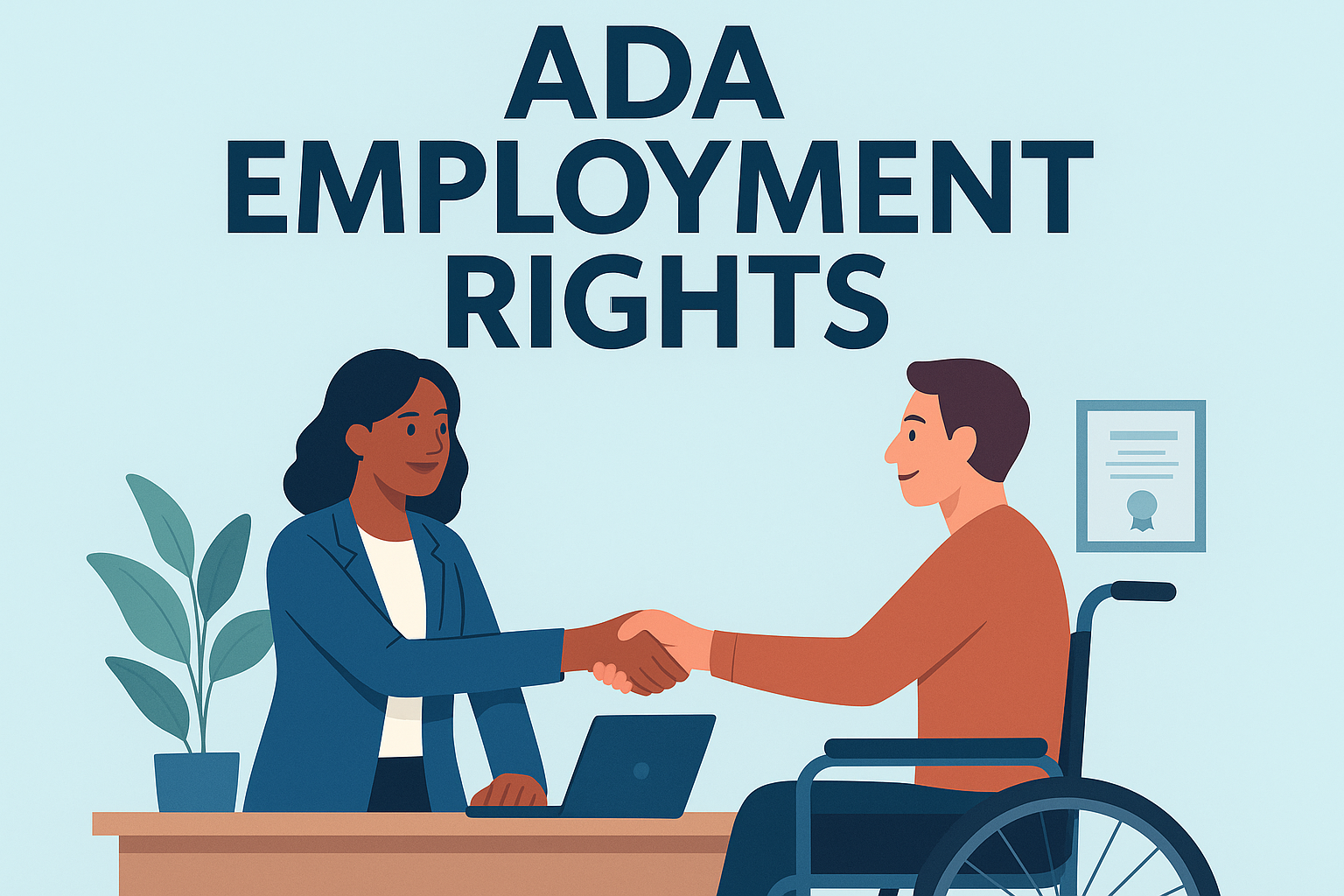
Introduction to Tennessee v. Lane and Its Significance
The landmark case of Tennessee v. Lane holds a significant place in the history of public accessibility and civil rights. This Supreme Court decision addressed the crucial issue of accessibility for individuals with disabilities in public facilities, focusing on whether the Americans with Disabilities Act (ADA) of 1990 was being appropriately enforced in facilitating such access. Understanding this case is paramount as it reinforces the legal protections for individuals with disabilities and mandates equal access to government buildings, shaping the broader landscape of accessibility rights.
In Tennessee v. Lane, the Supreme Court was faced with the challenge of determining whether state courthouses were required to be accessible under the ADA, specifically Title II, which pertains to state and local government services. The case arose when George Lane, a paraplegic man, sued the state of Tennessee, arguing that he was denied access to public courtrooms. This context illustrates the core issue—whether states could claim immunity against private lawsuits under the ADA.
Key terms pivotal to understanding this case are ‘Title II of the ADA’ and ‘state sovereign immunity.’ Title II mandates that public entities provide equal access to their services, while state sovereign immunity is a constitutional doctrine that often shields states from lawsuits unless they consent to be sued. This case matters because it tested the balance between ensuring equal rights for disabled individuals and respecting state sovereignty. The Court’s ruling upheld the ADA’s requirement for accessibility in public buildings, marking a significant victory for disability rights advocates and setting a precedent for future cases.
Core Aspects of Tennessee v. Lane
Legality of State Sovereign Immunity
One of the most critical aspects of Tennessee v. Lane is the examination of state sovereign immunity. Under the Eleventh Amendment, states generally enjoy immunity from lawsuits by private individuals in federal court. However, Congress can abrogate this immunity if it acts within its constitutional authority. This case questioned whether Congress had this power when it enacted Title II of the ADA.
In its decision, the Supreme Court held that, in the context of ensuring access to the courts, Congress acted within its authority to enforce the Fourteenth Amendment, which guarantees equal protection under the law. The ruling emphasized that the right to access judicial proceedings without discrimination was fundamental and supported the ADA’s requirements as a legitimate exercise of congressional power.
Impact of Accessibility Positions
The decision underscored the importance of making courthouses accessible to individuals with disabilities, highlighting that justice should be accessible to all, regardless of physical limitations. This ruling significantly influenced how state agencies approached public accessibility, ensuring that individuals like George Lane could participate in legal processes equitably. It set a clear precedent that the burden of accessibility cannot be outweighed by claims of sovereign immunity, prompting states to reassess and improve their facilities in compliance with ADA standards.
- Example: Following this ruling, many courthouses nationwide initiated renovations to include ramps, elevators, and other accessibility features.
- Example: States developed comprehensive plans to train court personnel on ADA compliance, ensuring that there are informed ambassadors of accessibility within the legal system.
Real-World Implications of the Case
Integration into State Policies
The implications of Tennessee v. Lane reach beyond courtrooms, prompting states to reevaluate policies and facilities across various public sectors. Educational institutions, government buildings, and transportation systems reviewed their accessibility measures in light of this ruling. By enforcing the ADA’s mandates, states have been encouraged to create inclusive environments across the board, ensuring individuals with disabilities can access an array of public services and facilities.
Real-World Example: The case led to the creation of statewide accessibility task forces. These bodies were tasked with overseeing the implementation of ADA compliance measures, recommending structural changes, and advising departments on necessary policy reforms within specified timeframes.
Encouragement of Broader Legislative Action
Tennessee v. Lane also influenced broader legislative and policy actions. Recognizing the court’s support for ADA enforcement, lawmakers have been emboldened to propose and pass additional legislation aimed at protecting the rights of people with disabilities. These efforts include expanded regulation on public transport, communication systems, and private sector compliance with ADA mandates.
Overall, the ruling encouraged more proactive legal strategies to advocate for greater accessibility. Disability rights organizations have leveraged this precedent to challenge non-compliant facilities, spurring continued advancements in accessibility and equality.
Table: Key Outcomes of Tennessee v. Lane Ruling
| Outcome | Description |
|---|---|
| Reaffirmation of ADA Title II | The ruling confirmed the applicability of Title II to state-run facilities, ensuring equal access to all public services. |
| Sovereign Immunity Limitations | Clarified that sovereign immunity did not protect states from ADA-related accessibility lawsuits. |
| State Compliance Initiatives | Prompted states to initiate accessibility programs and renovate public facilities, improving access for people with disabilities. |
| Policy and Legislative Impact | Encouraged laws and policies promoting greater inclusivity beyond the courtroom, affecting transportation, education, and employment sectors. |
Conclusion: Embracing the Future of Accessibility
Tennessee v. Lane represents a significant milestone in the pursuit of equality and accessibility for individuals with disabilities. The decision not only reinforced the rights of disabled persons to access public services but also clarified the limits of state sovereign immunity concerning civil rights legislation. This verdict propelled a wave of necessary changes, prompting states to align their facilities and policies with ADA standards.
Key takeaways from this case underscore the importance of ensuring that public spaces and services are accessible to everyone, irrespective of physical ability. Individuals are now better equipped to support and demand compliance with ADA requirements, having reinforced backing from this Supreme Court decision. By understanding the significance of this case, stakeholders can better appreciate their roles and responsibilities in fostering inclusive environments.
For individuals interested in advocating for wider accessibility, a proactive approach could involve engaging with local government representatives, supporting disability rights organizations, and raising awareness about the importance of compliance with accessibility laws. In doing so, we continue to advance the imperative of full equality for all citizens.
Frequently Asked Questions
1. What was the Tennessee v. Lane case about?
The Tennessee v. Lane case, decided by the U.S. Supreme Court in 2004, tackled a pivotal issue concerning the right of disabled individuals to have meaningful access to public facilities under the Americans with Disabilities Act (ADA) of 1990. The case arose when two Tennessee residents with disabilities, George Lane and Beverly Jones, faced repeated accessibility barriers in state courthouses. Lane, who used a wheelchair, was unable to access the second floor of a courthouse for a required court appearance due to the lack of an elevator, leading to arrest for failure to appear. Jones, a court reporter, faced similar obstacles. The crux of the case was whether Congress, in enacting the ADA, had the authority under the Fourteenth Amendment to mandate that states provide accessible courtrooms, challenging the principle of state sovereign immunity.
2. How did the Supreme Court rule in Tennessee v. Lane?
The Supreme Court, in a narrow 5-4 decision, ruled in favor of Lane and Jones. The Court held that Title II of the ADA, which prohibits disability discrimination by public entities, constituted a valid exercise of Congress’s power under the Fourteenth Amendment. The Court emphasized that the enforcement of accessible courthouses was a critical aspect of ensuring equal protection and due process, which are fundamental rights under the Amendment. Justice John Paul Stevens, writing for the majority, underscored that the sorry history of discrimination against individuals with disabilities justified the legal remedy provided by the ADA. This decision was significant because it affirmed that the ADA’s requirements could validly apply to state governments, thereby reinforcing the commitment to accessible public services.
3. Why is the Tennessee v. Lane decision significant for public accessibility?
The significance of Tennessee v. Lane lies in its reinforcement of the ADA’s role in ensuring that individuals with disabilities have equal access to public facilities and services. This ruling underscored the federal government’s authority to impose accessibility standards on state-run services, effectively validating legal protections for the disabled within the judicial realm. Furthermore, the decision bolstered the broader application of ADA Title II across various public sectors, not just courthouses, ensuring that individuals with disabilities could exercise their rights to participate fully in civic life. The case serves as a landmark precedent for accessibility advocacy, reminding state governments of their duty to dismantle architectural and systemic barriers faced by disabled citizens.
4. How did Tennessee v. Lane impact the enforcement of the ADA?
Tennessee v. Lane had a profound impact on the enforcement of the ADA by reinforcing the statute’s authority over state governments regarding disability discrimination in public services. By affirming the constitutionality of the ADA’s application to states, the ruling enhanced the law’s viability and encouraged more robust enforcement efforts. For advocacy groups and legal practitioners, the decision provided a significant judicial affirmation that could be used to support new lawsuits and policy efforts aimed at improving accessibility in public settings. Additionally, it motivated state agencies to proactively address accessibility shortfalls to avoid potential litigation, thus promoting more inclusive environments and public facilities.
5. What does Tennessee v. Lane teach us about the intersection of accessibility and civil rights?
Tennessee v. Lane teaches us that accessibility is intrinsically linked to civil rights, demonstrating that access to public spaces and services is an essential component of equal citizenship. The case highlights the persistent challenges faced by individuals with disabilities and the essential role of legal frameworks in dismantling those barriers. It underscores the importance of judicial interpretations in expanding and enforcing federal disability rights laws, particularly the recognition that accessibility is not merely a convenience but a right deeply rooted in the principles of equality and justice. This intersectionality reminds us that the fight for disability rights is an integral part of the broader civil rights movement, aiming to ensure that everyone, regardless of physical ability, has the opportunity to participate equally in the societal fabric.