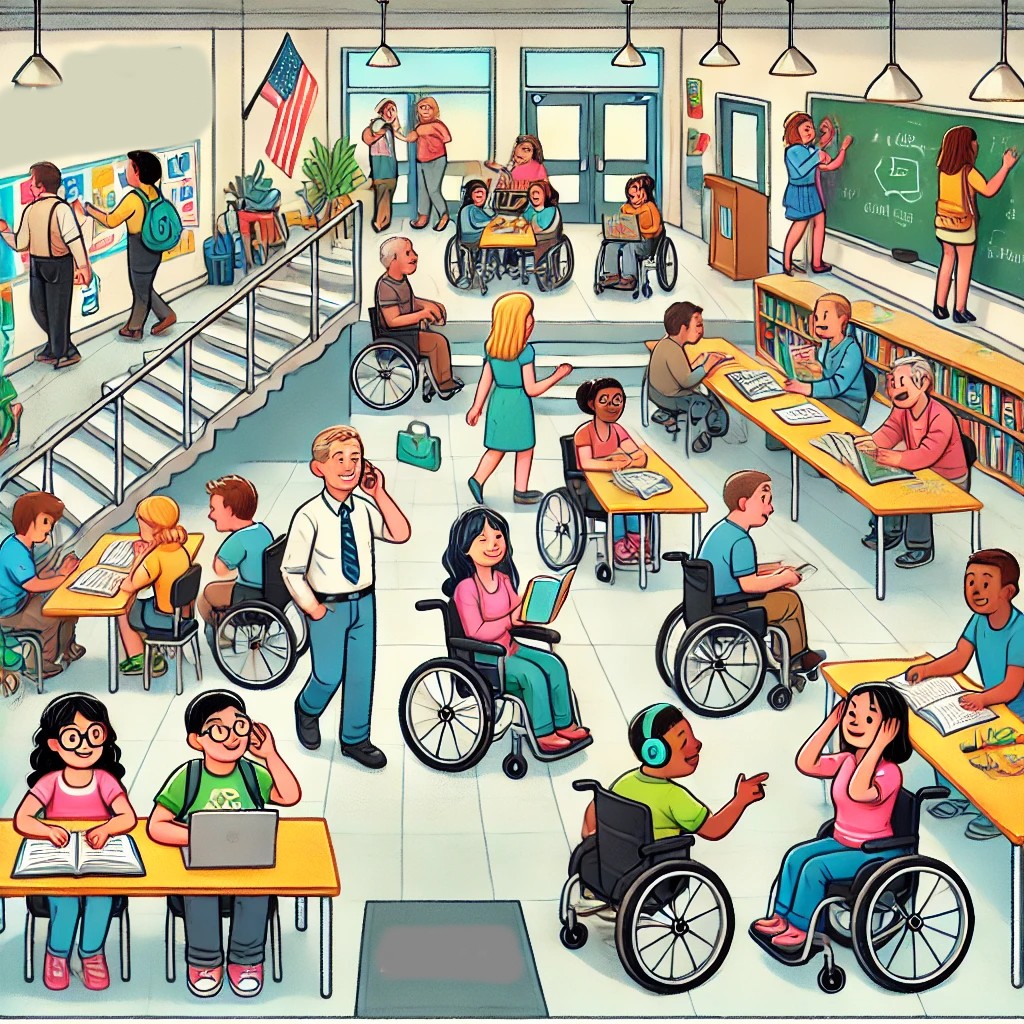
The Americans with Disabilities Act (ADA) is a landmark civil rights law enacted in 1990 to prohibit discrimination based on disability. The ADA is divided into five titles, each addressing different areas of public life. Title III specifically focuses on public accommodations, including educational institutions, and mandates that private entities that provide public accommodations comply with basic nondiscrimination requirements that prohibit exclusion, segregation, and unequal treatment. Understanding the impact of ADA Title III on educational institutions is crucial because it ensures that students with disabilities have access to the same educational opportunities as their non-disabled peers.
Educational institutions, ranging from K-12 schools to universities, must adhere to specific regulations under Title III to ensure accessibility for all students. This encompasses physical accessibility, the provision of auxiliary aids and services, and implementing policies to accommodate students with disabilities. These provisions are not just legal obligations but also moral imperatives that support the educational advancement of all students.
The introduction of ADA Title III has led to significant changes in how educational institutions plan their infrastructure and deliver educational services. Over the years, numerous cases have highlighted the importance of ADA compliance and the consequences of non-compliance. As society becomes more inclusive, the role of ADA Title III in shaping educational policies continues to grow.
This article delves deeper into the various aspects of ADA Title III’s impact on educational institutions, exploring the legal requirements, challenges, and best practices for compliance. Additionally, we will discuss the benefits of ADA compliance for both students and educational institutions, providing a comprehensive overview of this crucial aspect of educational law.
Legal Requirements Under ADA Title III
ADA Title III sets forth specific legal requirements for public accommodations, including educational institutions. These requirements are designed to ensure that individuals with disabilities can access and participate in programs and services on an equal basis with others. Key aspects include:
Physical Accessibility: Educational institutions must ensure that their facilities are physically accessible to individuals with disabilities. This includes providing ramps, elevators, accessible restrooms, and signage in Braille. Existing facilities that underwent new construction or significant alterations after January 26, 1992, must comply with the ADA Standards for Accessible Design.
Auxiliary Aids and Services: Institutions are required to provide appropriate auxiliary aids and services, such as sign language interpreters, note-takers, or assistive listening devices, to ensure effective communication with individuals with disabilities. This obligation extends to all programs and services offered by the institution.
Policy Modifications: Institutions must make reasonable modifications to policies, practices, and procedures when necessary to avoid discrimination. For example, a university may need to adjust its attendance policy to accommodate a student with a disability who requires frequent medical treatment.
Effective Communication: Educational institutions must ensure that communication with individuals with disabilities is as effective as communication with others. This may involve providing materials in accessible formats, using captioning for videos, or ensuring website accessibility.
Failure to comply with these legal requirements can result in complaints to the Department of Justice (DOJ), lawsuits, and potential penalties. More importantly, non-compliance can lead to the exclusion and marginalization of students with disabilities, undermining the institution’s mission of providing equal educational opportunities.
Challenges in Implementing ADA Title III
While the ADA Title III requirements are clear, educational institutions often face several challenges in implementing them effectively. These challenges can arise from various factors, including budget constraints, lack of awareness, and the complexity of individual disabilities.
Budget Constraints: Budget limitations are a significant challenge for many educational institutions, particularly public schools and community colleges. Making physical modifications, such as installing elevators or ramps, can be expensive. Similarly, providing auxiliary aids and services, such as hiring sign language interpreters, can strain financial resources.
Lack of Awareness: Awareness and understanding of ADA Title III requirements vary among institutions. Some schools may lack the knowledge or expertise needed to identify and implement necessary accommodations. Regular training and professional development for staff and faculty are essential to bridge this knowledge gap.
Complexity of Disabilities: Disabilities come in many forms, each with unique needs and challenges. An institution’s ability to provide appropriate accommodations requires a nuanced understanding of these complexities. Collaborating with disability services experts and involving students with disabilities in the planning process can improve the quality of accommodations provided.
Balancing Competing Interests: Institutions must balance the needs of students with disabilities with other priorities, such as academic standards and resource allocation. For example, modifying attendance policies for students with disabilities must be carefully managed to maintain academic integrity.
Despite these challenges, many educational institutions successfully comply with ADA Title III by adopting innovative solutions and fostering a culture of inclusion. Sharing best practices and success stories can inspire other institutions to overcome similar hurdles.
Best Practices for ADA Compliance
Educational institutions that excel in ADA compliance often implement a combination of strategic planning, stakeholder engagement, and continuous improvement practices. Here are some best practices that can help institutions meet ADA Title III requirements effectively:
Conduct Regular Accessibility Audits: Periodic audits of facilities and programs help identify areas that need improvement. Audits should cover physical accessibility, technology, communication methods, and policy compliance. Engaging external experts can provide an objective assessment and actionable recommendations.
Develop Comprehensive Accessibility Plans: Institutions should create detailed accessibility plans that outline goals, strategies, timelines, and responsible parties. These plans should be integrated into the institution’s overall strategic planning process and reviewed regularly.
Train Staff and Faculty: Ongoing training for staff and faculty is crucial to ensure they understand ADA requirements and are equipped to support students with disabilities. Training should cover disability awareness, legal obligations, and practical strategies for providing accommodations.
Involve Students with Disabilities: Engaging students with disabilities in the planning and implementation of accommodations ensures that their needs are accurately understood and addressed. Establishing advisory committees or focus groups can facilitate meaningful input and feedback.
Leverage Technology: Technology can play a significant role in enhancing accessibility. Institutions should invest in accessible digital tools, online learning platforms, and assistive technologies. Ensuring that websites and digital content comply with the Web Content Accessibility Guidelines (WCAG) is essential.
Foster an Inclusive Culture: Creating an environment where diversity and inclusion are valued encourages proactive efforts to accommodate students with disabilities. Promoting awareness campaigns, celebrating inclusive events, and recognizing efforts to improve accessibility can contribute to a positive culture.
Implementing these best practices requires commitment and collaboration across all levels of the institution. When executed effectively, they not only ensure legal compliance but also enhance the educational experience for all students.
Benefits of ADA Compliance for Educational Institutions
Complying with ADA Title III offers numerous benefits for educational institutions, extending beyond legal protection to include enhanced educational quality and institutional reputation. Some of these benefits include:
Enhanced Student Experience: Ensuring that students with disabilities have equal access to educational opportunities leads to a more inclusive and supportive learning environment. When students feel valued and accommodated, their overall academic performance and satisfaction improve.
Diverse Learning Community: By creating an inclusive environment, institutions attract a diverse group of students, enriching the learning experience for everyone. Diversity fosters creativity, innovation, and a deeper understanding of different perspectives, which are vital in today’s globalized world.
Improved Academic Outcomes: Providing appropriate accommodations enables students with disabilities to perform to their full potential. This can lead to higher retention and graduation rates, positively impacting the institution’s academic reputation and success metrics.
Legal and Financial Protection: Compliance with ADA Title III reduces the risk of legal disputes, complaints, and potential penalties. Avoiding litigation saves financial resources and protects the institution’s reputation.
Community Relations: Demonstrating a commitment to accessibility and inclusion strengthens the institution’s relationship with the broader community. It signals that the institution values all individuals and is dedicated to their well-being, fostering goodwill and community support.
Innovative Practices: ADA compliance often drives innovation in teaching methods, technology use, and facility design. These advancements can benefit the entire student body and set the institution apart as a leader in accessibility and inclusion.
Ultimately, ADA compliance aligns with the core mission of educational institutions: to provide equitable educational opportunities to all students. By embracing the principles of accessibility and inclusion, institutions pave the way for a more just and educated society.
Conclusion
The Americans with Disabilities Act Title III has had a profound impact on educational institutions, driving significant changes in how they accommodate students with disabilities. While the path to full compliance presents challenges, it also offers rewarding opportunities for enhancing the educational experience, promoting diversity, and fostering innovation.
Educational institutions must navigate budget constraints, awareness gaps, and the complexities of individual disabilities to effectively implement ADA Title III requirements. By adopting best practices such as regular accessibility audits, comprehensive accessibility plans, staff training, and student engagement, institutions can overcome these challenges and create an inclusive environment for all students.
The benefits of ADA compliance extend beyond legal protection to include improved student experiences, diverse learning communities, better academic outcomes, and stronger community relations. Embracing ADA Title III not only fulfills a legal obligation but also embodies the ethical commitment to providing equal opportunities and fostering an inclusive society.
As educational institutions continue to evolve, the principles of ADA Title III will remain integral to their success. By prioritizing accessibility and inclusion, these institutions can ensure that every student, regardless of ability, has the chance to thrive academically and contribute meaningfully to the world.
Frequently Asked Questions
1. What is ADA Title III, and how does it impact educational institutions?
ADA Title III is a section of the Americans with Disabilities Act that focuses on public accommodations, which include educational institutions. It mandates that private entities providing public accommodations comply with basic nondiscrimination requirements. This means they must ensure that individuals with disabilities are not excluded, segregated, or treated unequally. Educational institutions such as private schools are required to ensure accessibility and provide necessary accommodations to students with disabilities. This can include facilities improvements, providing assistive technologies, making curriculum adjustments, and ensuring all services and programs are equally accessible to students with disabilities. The aim is to create an educational environment where students with disabilities have the same opportunities as those without disabilities.
2. Which types of educational institutions are covered under ADA Title III?
ADA Title III covers private schools, colleges, and universities, as these are considered public accommodations under the Act. While public schools are covered under Title II (which deals with state and local government services), private educational institutions must adhere to Title III requirements. This includes ensuring that educational facilities are physically accessible and that their programs and curricula are inclusive of and accessible to students with disabilities. Private preschools, vocational schools, and specialized instruction facilities also fall under the purview of Title III. The central tenet is that any private entity providing an educational service to the public must make efforts to accommodate individuals with disabilities.
3. What types of accommodations might educational institutions be required to provide under ADA Title III?
Under ADA Title III, educational institutions may be required to provide a wide range of accommodations to ensure that students with disabilities have equal access to education. Accommodations can include physical modifications like installing ramps, elevators, or accessible bathrooms to ensure physical access to school facilities. Additionally, they might need to provide assistive technology such as communication devices, adaptive software, and specialized classroom resources. Curriculum modifications may also be necessary, such as providing materials in accessible formats like Braille or large print, and allowing for different methods of assessment and instruction. Academic adjustments may include extended time for testing, alternative testing environments, or providing note-takers and interpreters. The goal is to remove barriers that hinder the full participation of students with disabilities in educational programs.
4. How do educational institutions ensure compliance with ADA Title III?
To ensure compliance with ADA Title III, educational institutions should engage in proactive planning and continuous evaluation of their facilities, policies, and programs. This can involve conducting accessibility audits to identify potential barriers in the physical environment and addressing them promptly. Institutions should also train staff and faculty to be aware of the rights of students with disabilities and the accommodations they may need. Furthermore, schools should establish a robust process for students to request accommodations and ensure a timely response to these requests. Institutions should maintain open communication with students with disabilities to understand their needs better and make necessary adjustments to improve accessibility continually. Failing to comply with ADA Title III can result in complaints filed against the institution, possible legal action, and the requirement to make necessary accommodations, often under stricter timelines imposed by regulatory bodies.
5. What are the potential consequences for educational institutions that fail to comply with ADA Title III?
Failure to comply with ADA Title III can have significant repercussions for educational institutions. The primary consequence is the possibility of facing legal challenges initiated by students with disabilities who have experienced discrimination or lack of access. Such challenges can lead to costly lawsuits and settlements. Additionally, the U.S. Department of Justice may become involved, potentially leading to enforcement actions that require institutions to make specific alterations to their facilities and practices to meet ADA standards. Beyond legal consequences, failing to comply with ADA Title III can negatively impact the institution’s reputation, making it less attractive to prospective students and potentially affecting enrollment. Moreover, such failures undermine the institution’s commitment to inclusion and equal opportunity, vital principles in today’s education landscape. Institutions are thus encouraged to embrace ADA Title III not just as a legal requirement but as a vital component of their mission to provide inclusive and equitable education.