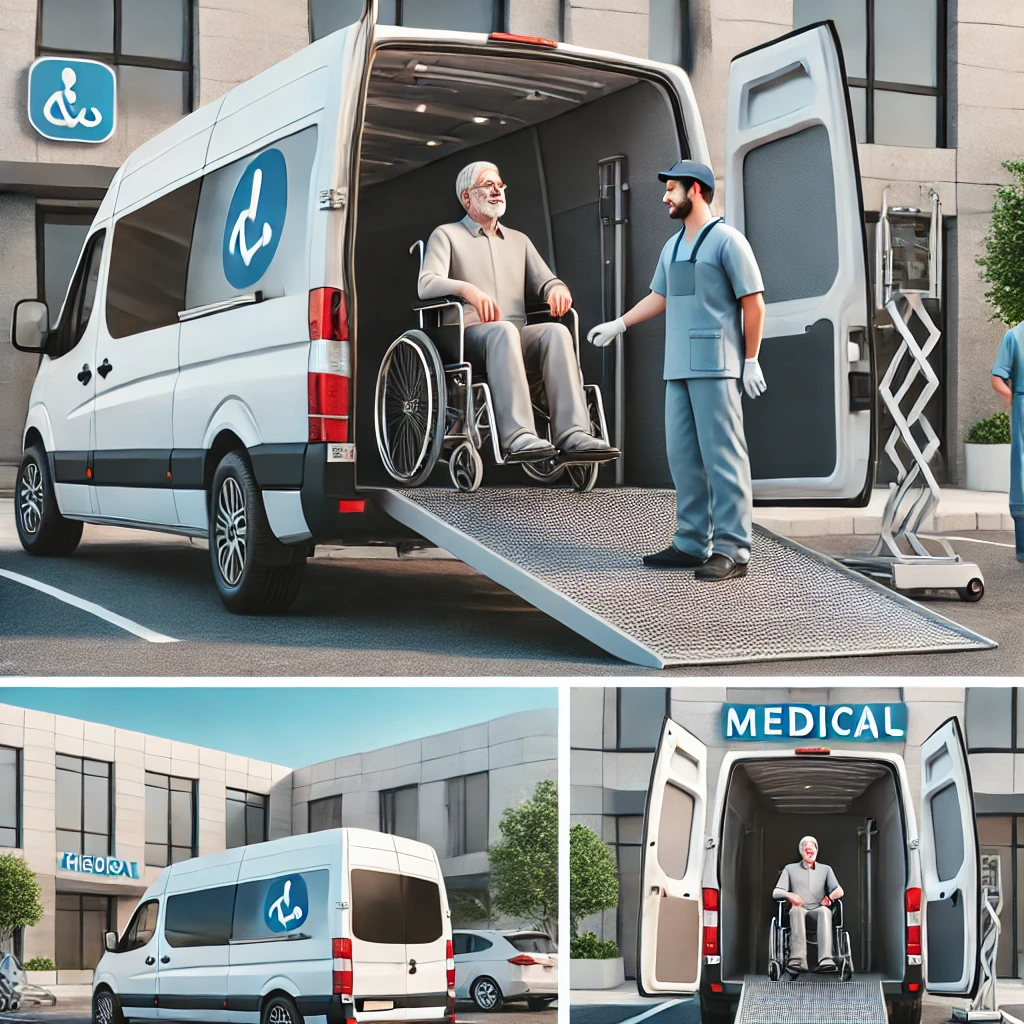
The Americans with Disabilities Act (ADA) is a landmark piece of civil rights legislation enacted in 1990. It aims to protect individuals with disabilities from discrimination and ensure they have the same opportunities as everyone else. One key aspect of the ADA is Title III, which focuses on public accommodations. It mandates that businesses and non-profit organizations provide accessible facilities to individuals with disabilities. To ensure compliance and understand how this impacts various entities, it’s essential to delve into the exemptions and exceptions within ADA Title III. This comprehensive guide will walk you through these aspects to foster a deeper understanding of your obligations under the ADA.
Introduction
Before diving into the specifics of exemptions and exceptions under ADA Title III, it is important to understand the fundamental principles of the Act. The primary goal of the ADA is to eliminate barriers that prevent individuals with disabilities from participating fully in society. Title III specifically addresses barriers in public accommodations, which include a wide range of facilities open to the public, such as schools, restaurants, hotels, theaters, and recreational facilities.
Compliance with ADA Title III is more than just fulfilling a legal obligation. It’s about promoting inclusivity and ensuring equal access for all members of society. However, understanding the fine details, particularly the exemptions and exceptions, can be challenging. Not every facility is required to make the same accommodations, and some businesses may find they are exempt due to specific clauses. By examining these nuances, this article aims to clarify who must comply and the extent to which they must do so.
Covered Entities and Public Accommodations
Public accommodations are defined broadly under ADA Title III, encompassing various facilities that provide goods, services, entertainment, or other functions to the public. These include:
- Restaurants and bars
- Hotels and motels
- Theaters and auditoriums
- Retail stores and shopping centers
- Private schools and daycare centers
- Recreational facilities like gyms and playgrounds
- Doctors’ offices and hospitals
The law ensures that individuals with disabilities have equal opportunity to participate in, benefit from, and enjoy the services provided by these establishments. When considering compliance, businesses must evaluate both their facilities and the services they offer.
However, not all entities fall under the umbrella of public accommodations. For instance, facilities operated by private membership clubs or religious organizations are generally exempt from ADA Title III. Understanding which entities are covered and which are not is crucial for determining one’s obligations under the Act.
Exemptions Based on Facility Type
One of the main nuances of ADA Title III lies in the exemptions based on the type of facility. Certain facilities are not required to comply with ADA standards. These primarily include:
- Private Clubs: Facilities operated by private clubs with a selective membership process are typically not considered public accommodations under the ADA.
- Religious Entities: Properties owned or operated by religious organizations, including places of worship and affiliated schools or daycares, are exempt from ADA Title III requirements.
These exemptions recognize the need for a balance between inclusion and the unique functions or beliefs of certain entities. However, it’s important to note that while these facilities may be exempt from ADA Title III, they may be subject to other federal, state, or local accessibility requirements.
Moreover, the nature of these exemptions does not imply that individuals with disabilities have no recourse against discrimination or lack of access in such facilities. They may still have options under other provisions of the ADA or different laws.
Alterations and New Construction
ADA Title III mandates specific requirements for alterations and new construction of public accommodations and commercial facilities. When a facility undergoes significant renovations or new construction, it must comply with the ADA standards for accessible design. However, the law also provides some exceptions:
- Technical Infeasibility: In some cases, making specific alterations may be technically infeasible. For example, if structural constraints prevent compliant modifications, certain requirements may be waived or alternative solutions may be proposed.
- Historical Significance: Facilities that are listed or eligible for listing on the National Register of Historic Places may have flexibility in meeting ADA standards, particularly if modifications would undermine the historical integrity of the property.
Although these exceptions exist, the general rule remains that any new construction or significant alteration should aim to ensure maximum accessibility. The goal is to make as many aspects of the facility accessible to individuals with disabilities without compromising other critical factors.
Barrier Removal and Readily Achievable Standard
One of the central requirements of ADA Title III is the removal of physical barriers in existing facilities to improve accessibility. However, the Act provides some flexibility by introducing the “readily achievable” standard. This standard implies that barrier removal must be done when it is easily accomplishable without much difficulty or expense.
Examples of barrier removal that are typically readily achievable include:
- Installing ramps
- Making curb cuts in sidewalks and entrances
- Repositioning shelves for easier access
- Installing grab bars in restrooms
- Expanding doorways
The concept of “readily achievable” is intentionally flexible, considering factors like the nature and cost of barrier removal, the size and resources of the business, and the impact of removing the barrier on the operations of the facility. Small businesses may find that their obligations differ from those of large corporations due to their respective capabilities and resources.
Practical Examples and Case Studies
The practical application of ADA Title III exemptions and exceptions can be complex. Understanding how these rules are applied in real-world scenarios can provide valuable insights. Let’s explore some practical examples and case studies:
- Private Club Case Study: A private golf club with a selective membership process may be exempt from ADA Title III. However, if the club opens its dining facilities to the public, it must ensure those areas are accessible under the law.
- Religious Entity Example: A church-operated daycare is generally exempt from ADA Title III. But if the daycare opens its doors to non-members for enrollment, it may need to comply with certain ADA standards.
- Historical Building Case Study: A historic theater undergoing renovation may find that installing elevators is technically infeasible due to structural constraints. Instead, they may offer alternative accessibility solutions, such as providing wheelchair seating on the ground floor and accessible restrooms.
These examples illustrate the importance of considering the specific circumstances of each case. The ADA’s goal is to promote accessibility while recognizing practical limitations and respecting unique aspects of facilities.
Conclusion
Complying with ADA Title III is a crucial step toward creating a more inclusive society. Understanding the exemptions and exceptions within this framework is essential for businesses, organizations, and individuals aiming to fulfill their legal obligations and promote accessibility.
While certain facilities, like private clubs and religious entities, may have exemptions, the overarching principle of the ADA is to ensure equal access for individuals with disabilities. Even within the bounds of these exemptions, businesses and organizations should strive to improve accessibility wherever possible.
In cases of alterations, new constructions, or barrier removal, the ADA provides guidelines that balance feasibility with the goal of maximum accessibility. The “readily achievable” standard offers flexibility, but it also encourages proactive efforts to eliminate barriers.
Ultimately, ADA Title III’s exemptions and exceptions reflect the practical realities of implementation while upholding the fundamental commitment to inclusivity and equal opportunity. By staying informed and engaged with these principles, businesses and organizations can play a vital role in fostering a society where everyone, regardless of disability, can participate fully and enjoy equal access to public accommodations.
Frequently Asked Questions
1. What are exemptions under ADA Title III, and which entities are generally exempt?
Under ADA Title III, certain entities are exempt from compliance requirements. Generally, this includes private clubs, religious organizations, and entities controlled by religious organizations. This means they are not legally obligated to make their facilities accessible under the ADA regulations. Private clubs are defined as establishments that are primarily for its members and not open to the general public, often requiring membership fees or invitations. Similarly, religious organizations encompass places such as churches, synagogues, mosques, and related entities, which are exempt due to the voluntary nature of participation and their First Amendment considerations. The ADA recognizes these exemptions to respect the autonomy and existing legal frameworks that govern these organizations.
2. What constitutes an undue burden or hardship in the context of ADA Title III exceptions?
An undue burden refers to significant difficulty or expense incurred by an entity in making their facilities accessible. The ADA Title III allows for an exception when the cost or effort needed to remove a barrier or make accommodations exceeds certain thresholds. Factors considered include the nature and cost of the action, the overall financial resources of the site involved, the number of persons employed at the site, and the impact of the action on the operation of the site. For small businesses, particularly, the law acknowledges that fulfilling every aspect of ADA compliance might be financially unfeasible, thus providing some flexibility. However, it’s essential for businesses to explore all potential accommodations and document why certain measures are considered burdensome.
3. How does the ADA Title III handle historical buildings, and are they exempt from compliance?
The ADA Title III addresses historical buildings by acknowledging the need to preserve their character while making them accessible. Buildings that are listed or eligible for listing in the National Register of Historic Places, or those designated as historic under state or local law, might not be required to comply with all ADA standards if it results in an alteration or destruction of the historical significance of the property. Nevertheless, the law encourages the use of less invasive methods to improve accessibility, such as installing ramps, adding accessible entries, or modifying paths of travel where feasible and without altering historical features. In such cases, consultation with preservation experts, architects, and disability advocates is encouraged to find a balance between accessibility and preservation needs.
4. Are any temporary structures or certain areas within a place of public accommodation exempt from ADA compliance?
While ADA Title III broadly applies to public accommodations, there are instances where temporary structures, such as tents or mobile units used for short-term public events, may not need to meet full ADA compliance. However, event organizers should strive to make such temporary setups as accessible as possible by ensuring paths, seating areas, restrooms, and service counters are accommodating those with disabilities. Certain areas like kitchens in restaurants or other employee work areas might also have more lenient applicability standards due to their occupancy by staff rather than the general public. It’s crucial for businesses using temporary structures to anticipate accessibility needs in their planning and identify alternative methods to effectively serve individuals with disabilities, ensuring compliance and inclusivity in practice.
5. What role do state and local laws play in conjunction with ADA Title III exemptions and exceptions?
State and local laws can play a significant role in conjunction with ADA Title III as they may impose additional requirements that go beyond the federal ADA standards. While the ADA sets a minimum baseline for accessibility, many states or municipalities have enacted their own laws that require greater accessibility measures or have more expansive coverage without exemptions for specific types of facilities. Businesses must comply with both federal and any applicable state or local laws, adhering to whichever mandates provide greater accessibility protections. It’s imperative for businesses and organizations to thoroughly research applicable local statutes beyond ADA requirements to ensure all levels of compliance. Additionally, consulting with local building codes, legal experts, and ADA specialists can provide further guidance on navigating these overlapping regulations for full compliance.