The Americans with Disabilities Act (ADA) was enacted in 1990 as a landmark civil rights law designed to prevent discrimination against individuals with disabilities. Title II of the ADA specifically addresses public services and transportation, including the need for accessibility in public transportation systems. This article will explore the implications of Title II on Transportation Network Companies (TNCs) such as Uber and Lyft. TNCs have revolutionized transportation options for many Americans but their adherence to ADA Title II requirements has been a subject of significant scrutiny and debate.
Historic Context of ADA Title II
The ADA was created to ensure that individuals with disabilities have the same rights and opportunities as everyone else. Title II of the ADA mandates that state and local governments must make their services, programs, and activities accessible to individuals with disabilities. This includes public transportation systems. When the ADA was first enacted, the landscape of transportation was starkly different compared to today. Traditional modes such as buses and trains were the primary focus. These modes had to comply with stringent regulations to ensure accessibility, including installing wheelchair lifts and providing adequate signage for individuals with hearing and vision impairments.
The Rise of Transportation Network Companies
Transportation Network Companies, or TNCs, like Uber and Lyft, emerged in the early 2010s and quickly disrupted traditional transportation methods. These companies utilize mobile apps to connect passengers with drivers of vehicles for hire. TNCs have offered convenient, flexible, and often cost-effective alternatives to public transportation and traditional taxi services. However, this rapid rise of TNCs has also brought to light significant concerns regarding their accessibility for individuals with disabilities.
Challenges Faced by People with Disabilities Using TNCs
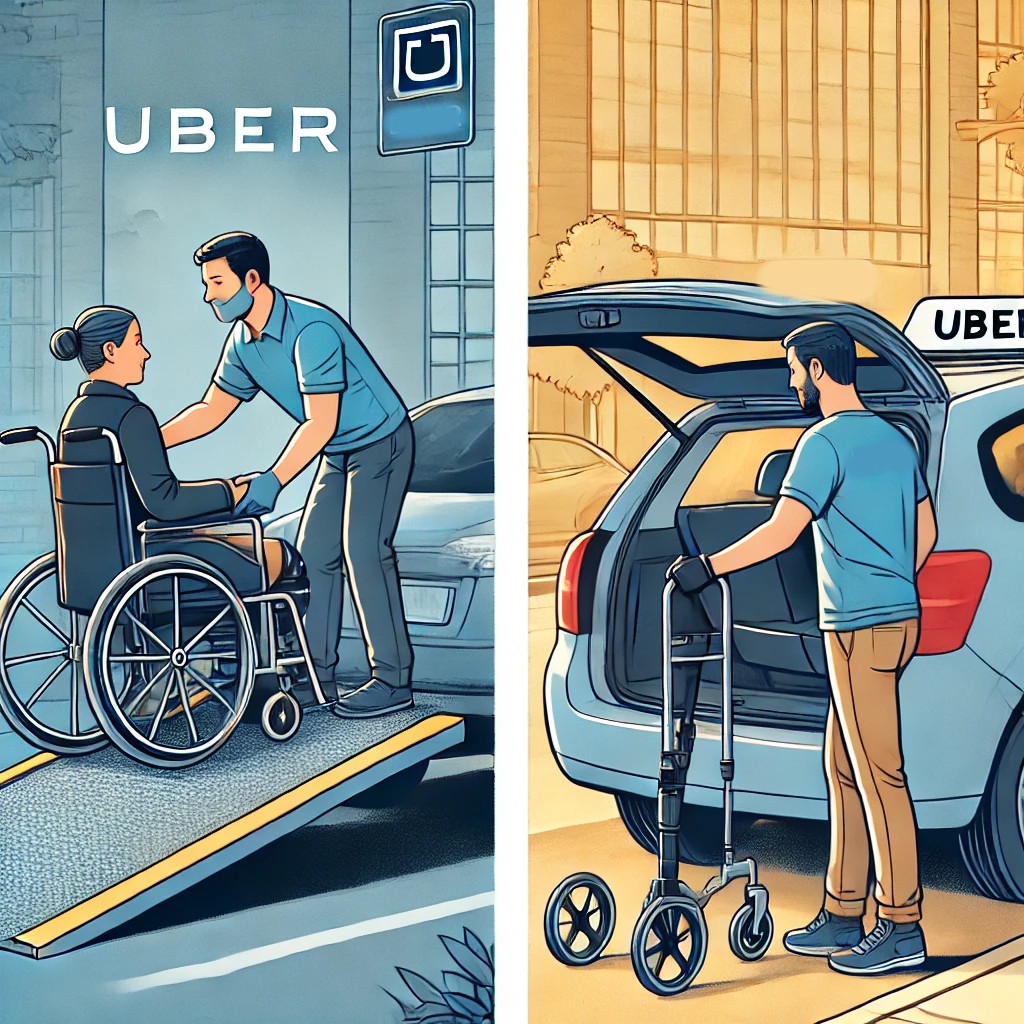
Despite the convenience and flexibility offered by TNCs, there remain significant challenges for people with disabilities. For instance, wheelchair users often find it difficult, if not impossible, to get a ride in a TNC because most vehicles are not wheelchair accessible. Moreover, individuals who are blind or have low vision might encounter issues with the mobile app that are not fully compatible with screen readers. Similarly, people who are deaf or hard of hearing might face communication barriers with drivers. These issues have led to lawsuits and significant public debate about whether TNCs adequately comply with ADA Title II provisions.
Legal Obligations Under Title II
Under Title II of the ADA, state and local governments are required to ensure that all public transportation is fully accessible. While TNCs are not operated by the government, they function within the public transportation ecosystem and thus face pressure to comply with ADA principles. The ADA requires reasonable modifications in policies and practices to accommodate individuals with disabilities. However, there is ongoing debate and litigation about whether such requirements extend to TNCs and, if so, to what extent. Some argue that TNCs should adopt measures similar to traditional public transit systems, such as having a certain percentage of their fleet be wheelchair accessible.
Innovations and Solutions in Accessibility
To address these issues, both Uber and Lyft have introduced various initiatives aimed at improving accessibility for individuals with disabilities. For example, Uber has rolled out a service called UberWAV (Wheelchair Accessible Vehicles) in some cities, providing wheelchair users with on-demand transportation options. Similarly, Lyft has introduced a similar service called Access Mode. These initiatives, however, have been criticized for their limited availability and lack of widespread implementation. Furthermore, both companies have taken steps to improve their apps’ accessibility features, including voice-activated commands and screen reader compatibility.
The Future of Accessibility in TNCs
Looking ahead, the future of accessibility in TNCs will likely be shaped by a combination of technology advancements, regulatory changes, and ongoing advocacy by disability rights organizations. Autonomous vehicles, for example, hold promise for greatly increasing accessibility in transportation. Regulatory bodies may also impose stricter requirements on TNCs to ensure compliance with ADA Title II. Additionally, continued advocacy and legal action will be crucial in holding TNCs accountable and ensuring that they prioritize accessibility in their services.
Conclusion
The Americans with Disabilities Act Title II has played a crucial role in ensuring that public services, including transportation, are accessible to individuals with disabilities. While Transportation Network Companies like Uber and Lyft have transformed transportation, their compliance with ADA Title II remains a contentious issue. These companies have made some strides in improving accessibility, but significant challenges persist. As technology evolves and regulations potentially tighten, there is hope that TNCs will become more inclusive. Ensuring accessibility in transportation is not just a legal requirement but a societal obligation that benefits everyone.
Frequently Asked Questions
1. What is ADA Title II and how does it relate to Transportation Network Companies?
ADA Title II is part of the Americans with Disabilities Act, a civil rights law enacted in 1990 to protect individuals with disabilities from discrimination. Title II specifically covers public services and transportation, mandating that these public entities ensure accessible transportation services for individuals with disabilities. Transportation Network Companies (TNCs) like Uber and Lyft have become crucial parts of the modern transportation landscape. While TNCs are not traditional public transportation, there’s ongoing debate and legal scrutiny over whether they should follow ADA Title II guidelines. This debate revolves around the responsibility to provide accessible services, akin to those mandated for public transportation systems. The core challenge is finding a balance between innovative private services and public responsibilities, ensuring people with disabilities have equal access to these convenient transportation solutions.
2. Why is accessibility a significant issue for TNCs like Uber and Lyft?
Accessibility is a significant issue for TNCs because it highlights a crucial gap between modern transportation solutions and the needs of individuals with disabilities. The transformative nature of TNCs in providing on-demand transportation options means that they have a unique potential to enhance mobility for everyone, including people with disabilities. However, there has been criticism that these companies have not provided adequate services for disabled individuals. Issues such as the availability of wheelchair accessible vehicles (WAVs), app interface usability for those with visual or hearing impairments, and driver training on assisting passengers with disabilities are forefront concerns. The necessity of ensuring equal service access to all riders, regardless of physical or sensory disabilities, makes this a critical issue for TNCs under the scrutiny of ADA Title II, potentially leading to legal and regulatory changes aimed at enhancing accessibility.
3. Are Transportation Network Companies currently required to comply with ADA Title II regulations?
It’s a complex legal area, and while TNCs are not traditional public transportation providers like buses or trains, they often function similarly by providing rides to the public for a fee. As private entities often acting in public capacity, there has been increasing scrutiny regarding their obligations under ADA Title II. The U.S. Department of Justice has signaled the importance of accessibility in TNC operations, yet there is no universal standard implemented as of now. Legal battles and settlements have shaped some of the responsibilities and expectations around TNC operation and ADA compliance, and local or state regulations may impose additional obligations. However, fully integrating ADA Title II’s goals of accessibility remains a challenge that Uber, Lyft, and other TNCs are continuously navigating.
4. How have TNCs responded to the challenges posed by ADA Title II and accessibility needs?
Recognizing the importance of accessibility, TNCs like Uber and Lyft have taken various steps to respond to these challenges, albeit with mixed reviews. Uber, for instance, launched UberWAV, a specialized service featuring vehicles equipped to help riders who use wheelchairs. Lyft offers similar services in certain regions. Both companies are also working on driver education to better serve passengers with disabilities and are investing in technologies to improve booking and navigation for users with sensory impairments. Despite these efforts, critics argue that these measures are not uniformly available across all areas, and the pace of implementation does not adequately meet the needs of disabled riders nationwide. Continuous improvement and scaling of these initiatives remain critical for TNCs in addressing the full implications of ADA Title II requirements.
5. What future implications could arise for TNCs in terms of ADA Title II compliance?
The future implications for TNCs concerning ADA Title II compliance could involve increased regulation, legal action, and perhaps innovation. As public awareness and demand for equality in access grow, government agencies may enforce stricter regulations and standards specifically mandating TNC compliance with ADA Title II provisions. These regulations could mean requiring a certain percentage of the fleet to be wheelchair accessible or implementing app features catering to users with disabilities. Potential litigation or advocacy by disability rights groups may further drive these companies to accelerate their accessibility efforts. On the positive side, compliance efforts might also spur technological advancements and inspire innovative solutions that enhance the overall transportation experience for everyone. As TNCs aim to enhance accessibility, they could also lead the way in developing standards that balance private innovation with public responsibility.