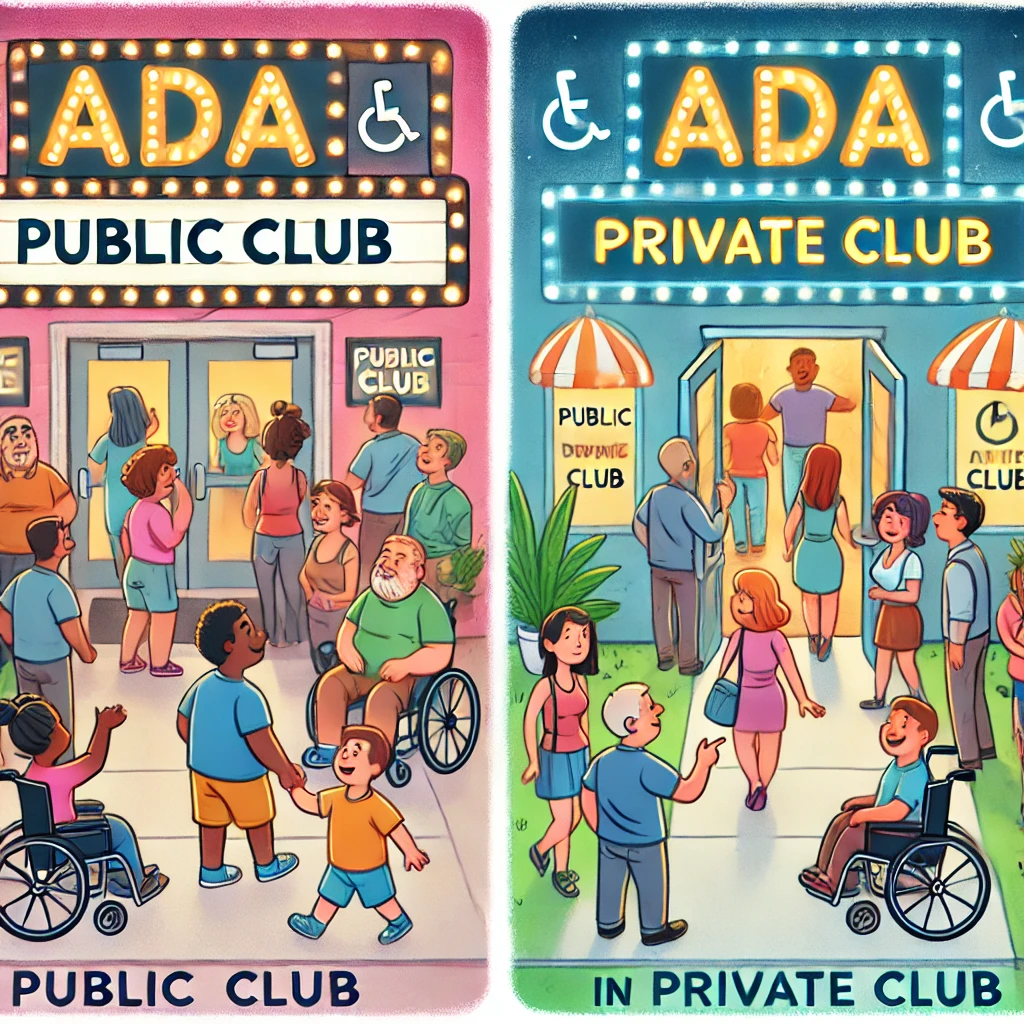
In the United States, the Americans with Disabilities Act (ADA) has been a pivotal piece of legislation, ensuring that individuals with disabilities have equal access to opportunities and resources in various aspects of public life. The law was enacted in 1990, aiming to prohibit discrimination based on disability and to guarantee that people with disabilities have the same rights and opportunities as everyone else. This includes employment, public accommodations, transportation, state and local government services, and telecommunications.
Compliance with the ADA requires not only a thorough understanding of the legislation itself but also a proactive approach to implementing policies that support accessibility. This is where the role of an ADA Coordinator comes into play. An ADA Coordinator is responsible for overseeing the compliance efforts within an organization or public entity, ensuring that all practices and facilities align with ADA standards. In this article, we will explore the key responsibilities, skills, and resources necessary for an effective ADA Coordinator. Whether you are new to the role or need a refresher, this guide will provide valuable insights to help you navigate ADA compliance successfully.
Understanding the Responsibilities of an ADA Coordinator
ADA Coordinators wear many hats and are instrumental in fostering environments that are inclusive and accessible. One of their primary responsibilities is to ensure that the organization complies with all aspects of the ADA. This includes conducting regular assessments to identify any potential barriers to accessibility and working with various departments to address these issues promptly. The coordinator must be well-versed in the five titles of the ADA, which cover different areas of public life, to provide accurate guidance and support.
In addition to overseeing compliance, ADA Coordinators act as liaisons between the organization and individuals with disabilities. They are responsible for handling complaints regarding accessibility and discrimination, ensuring that they are resolved satisfactorily. Coordinators also play a crucial role in training staff and raising awareness about ADA requirements and the importance of accessibility. By promoting an inclusive culture, they help to prevent potential violations and foster a more welcoming environment for all individuals.
Skills and Qualities of an Effective ADA Coordinator
Being an ADA Coordinator requires a unique set of skills and qualities. Excellent communication skills are imperative, as the coordinator must interact with a wide range of stakeholders, including employees, management, and members of the public. They need to convey complex information in a clear and understandable manner, ensuring that everyone is aware of their rights and responsibilities under the ADA.
Strong organizational skills are also essential, as ADA Coordinators must manage multiple tasks and deadlines. They need to keep comprehensive records of compliance efforts, complaints, and resolutions, as well as develop and maintain policies and procedures related to accessibility. Analytical skills are necessary to assess facilities and practices for potential barriers and to develop effective solutions.
Empathy and a genuine commitment to advocating for individuals with disabilities are crucial qualities for an ADA Coordinator. Understanding the challenges faced by people with disabilities helps coordinators to design more effective accessibility strategies and to provide better support. Finally, a thorough knowledge of ADA legislation and related guidelines is essential to ensure that all compliance efforts are grounded in a solid legal framework.
Training and Resources for ADA Coordinators
Continuous education is vital for ADA Coordinators to stay updated on the latest developments and best practices in the field of accessibility. There are several resources available to support their professional development. The ADA National Network provides comprehensive training materials, webinars, and technical assistance on all aspects of ADA compliance. This network is an invaluable resource for coordinators seeking to enhance their knowledge and skills.
In addition to formal training, ADA Coordinators can benefit from networking with peers and experts in the field. Professional organizations, such as the Association on Higher Education And Disability (AHEAD), offer opportunities for learning and collaboration. These networks provide a platform for sharing experiences, discussing challenges, and exchanging best practices. Attending conferences and workshops can also provide insights into innovative solutions and emerging trends in accessibility.
Organizations should support their ADA Coordinators by providing access to necessary resources and tools. This includes ensuring that coordinators have the authority and support needed to implement compliance initiatives effectively. By investing in the professional development of ADA Coordinators, organizations demonstrate their commitment to accessibility and inclusion.
Developing and Implementing an ADA Compliance Plan
One of the key tasks of an ADA Coordinator is to develop and implement a comprehensive ADA compliance plan. This plan serves as a roadmap for identifying and addressing accessibility barriers within the organization. The first step in creating a compliance plan is to conduct a thorough self-evaluation of the organization’s facilities, policies, and practices. This assessment helps to identify areas that may not meet ADA standards and require improvement.
Once the assessment is complete, the ADA Coordinator should work with relevant stakeholders to develop a plan for addressing the identified issues. This plan should include specific, actionable steps for removing barriers and ensuring compliance with ADA requirements. It should also outline a timeline for implementing these changes and designate responsible parties for each task.
Regular monitoring and evaluation are crucial components of a successful ADA compliance plan. The coordinator should establish a system for tracking progress and making necessary adjustments to the plan. This may involve conducting periodic reviews, soliciting feedback from individuals with disabilities, and staying informed about updates to ADA regulations. By maintaining a proactive approach to compliance, organizations can create more inclusive and accessible environments.
Role of Technology in ADA Compliance
Technology plays a significant role in enhancing ADA compliance efforts. Accessible technology solutions can help organizations to remove barriers and improve access for individuals with disabilities. For example, assistive technologies, such as screen readers and voice recognition software, enable people with visual and hearing impairments to access digital content effectively. Incorporating these technologies into websites, applications, and other digital platforms is an essential aspect of ADA compliance.
ADA Coordinators should also be aware of the Web Content Accessibility Guidelines (WCAG) developed by the World Wide Web Consortium (W3C). These guidelines provide a framework for making web content more accessible to people with disabilities. Ensuring that the organization’s digital assets comply with WCAG standards helps to create a more inclusive online experience for all users.
Emerging technologies, such as virtual reality (VR) and augmented reality (AR), offer new opportunities for enhancing accessibility. These technologies can be used to create immersive training experiences, simulate real-world scenarios, and provide interactive learning opportunities. ADA Coordinators should stay informed about advancements in technology and explore innovative solutions that can support their compliance efforts.
Conclusion
The role of an ADA Coordinator is multifaceted and essential to ensuring that organizations comply with the Americans with Disabilities Act. By understanding their responsibilities, developing the necessary skills, and utilizing available resources, ADA Coordinators can effectively promote accessibility and inclusion within their organizations. Continuous education and staying informed about technological advancements are key to maintaining successful compliance efforts.
Developing and implementing a comprehensive ADA compliance plan is a critical component of this role. Regular evaluations and monitoring help to ensure that organizations remain proactive in addressing accessibility barriers and meeting ADA standards. By fostering an inclusive culture and providing the necessary support and resources, organizations can create environments where individuals with disabilities have equal opportunities to thrive.
Frequently Asked Questions
1. What is an ADA Coordinator and what do they do?
An ADA Coordinator plays a crucial role in ensuring compliance with the Americans with Disabilities Act (ADA). Their primary responsibility is to oversee and guide an organization in implementing and maintaining standards that support individuals with disabilities. This includes addressing accessibility in physical environments, ensuring policies and practices do not discriminate against people with disabilities, and facilitating the provision of reasonable accommodations.
ADA Coordinators serve as a point of contact for both employees and the public regarding ADA-related inquiries and complaints. They work to educate staff and leadership about the requirements and spirit of the ADA and are often involved in creating workplace or policy adjustments that advance inclusivity. This might include organizing or advocating for disability awareness programs or training sessions within their organization.
2. Why is the role of an ADA Coordinator important?
The ADA Coordinator is vital because they ensure an organization adheres to the legal obligations of the ADA, thereby protecting it from lawsuits and potential fines due to non-compliance. By fostering an inclusive environment, they help create a workplace or public service area that is accessible to all, which not only supports individuals with disabilities but enriches the community as a whole.
An effective ADA Coordinator can identify areas of improvement within an organization, such as physical barriers or communication challenges that might inhibit access for individuals with disabilities. They are essential in maintaining a culture of inclusion and equality, promoting fairness and respect across the organization or public setting they serve.
3. What kind of training or background does an ADA Coordinator typically need?
ADA Coordinators often come from diverse backgrounds, including human resources, facility management, legal professions, education, or community advocacy. While there is no single path to becoming an ADA Coordinator, there are various training programs and certifications that can enhance a professional’s ability to effectively perform the role.
Trainings often cover topics such as ADA standards and requirements, disability awareness, and effective communication strategies. Certifications like the ADA Coordinator Training Certification Program (ACTCP) can provide in-depth knowledge and understanding of ADA regulations and their application. ADA Coordinators are lifelong learners who must stay updated with changes in laws or policies to competently guide their organizations.
4. How can an ADA Coordinator assist with reasonable accommodations?
An ADA Coordinator is instrumental in the process of determining, implementing, and overseeing reasonable accommodations for individuals with disabilities. They facilitate discussions with the individual and relevant departments to understand the needs and possible accommodations that can allow the individual to perform essential functions of their job or participate fully in programs and services.
The ADA Coordinator evaluates requests, considers feasible solutions, and ensures that any necessary modifications comply with ADA regulations. By acting as a mediator and resource, the ADA Coordinator helps to ensure policies are equitable and support diverse needs, thereby enhancing productivity and satisfaction among all stakeholders involved.
5. What challenges might an ADA Coordinator face in their role?
ADA Coordinators can encounter various challenges, from managing resource constraints to overcoming resistance within the organization. They may face difficulties in addressing deeply embedded structural or attitudinal barriers that hinder inclusivity and accessibility. Furthermore, balancing the legal, ethical, and financial aspects of implementing accommodations can be complex and require adept negotiation and problem-solving skills.
Another significant challenge is the need for continuous education and advocacy within their organization. This can involve challenging cultural perceptions of disabilities or pushing for changes in longstanding practices. ADA Coordinators often navigate a delicate balance of enforcing compliance while fostering a cooperative and inclusive environment, requiring patience, resilience, and persistence.