Introduction to Disability Advocacy and International Organizations
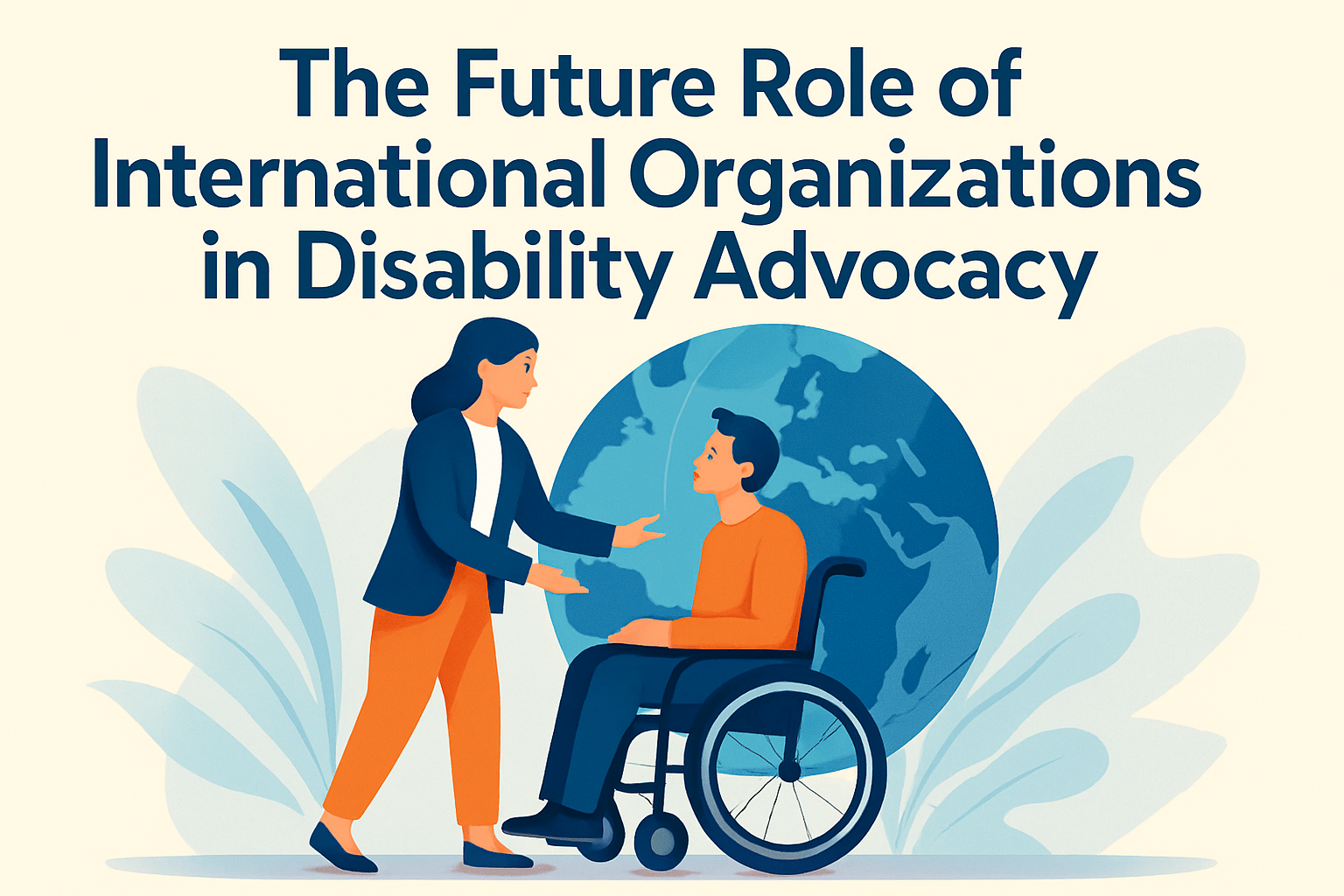
Disability advocacy is a movement aimed at ensuring that individuals with disabilities enjoy equal rights and opportunities in all aspects of life. It encompasses efforts to influence public policy, enhance accessibility, and drive social change to eliminate discrimination against people with disabilities. International organizations, such as the United Nations (UN), the World Health Organization (WHO), and several non-governmental organizations (NGOs), play pivotal roles in advancing this cause on a global scale.
International organizations bring together countries and entities to foster cooperation and share best practices. Their global reach and authority make them suitable platforms for addressing disability rights, which are often overlooked or inadequately addressed at national levels. Crucially, these organizations can coordinate efforts to implement inclusive policies and raise awareness worldwide.
The importance of such advocacy cannot be overstated. People with disabilities represent one of the largest minority groups globally, and yet they frequently face social, economic, and physical barriers. Recognizing their rights opens doors for societal benefits, including increased diversity, innovation, and social cohesion. A renewed focus on disability advocacy by international organizations could transform societies by promoting equal opportunities for all individuals, regardless of their physical or mental abilities.
Policy Development and Implementation
International organizations have a key role in developing and implementing disability-inclusive policies. These entities work as catalysts to create frameworks that guide countries in formulating their own guidelines and laws.
The UN Convention on the Rights of Persons with Disabilities (CRPD), adopted in 2006, is a prime example. It is an international human rights treaty aimed at protecting the rights and dignity of persons with disabilities. By ratifying the CRPD, countries commit to promoting, protecting, and ensuring full human rights and fundamental freedoms for individuals with disabilities.
Moreover, organizations like the International Labour Organization (ILO) have put forward suggestions like the ILO Global Business and Disability Network. This network promotes the inclusion of people with disabilities in business, providing guidelines and best practice examples to foster inclusive environments in workplaces worldwide.
Key to the success of these policies is their implementation. While international organizations can draft effective frameworks, the real challenge lies in ensuring adherence at national levels. This involves ongoing advocacy, monitoring, and reporting, aiding countries in translating international policies into actionable strategies within their own jurisdictions.
Capacity Building and Training
Capacity building refers to strengthening the skills, abilities, and resources that organizations and individuals need to survive, adapt, and thrive in the fast-changing world. In terms of disability advocacy, capacity-building initiatives spearheaded by international organizations focus on equipping stakeholders with the necessary knowledge and skills to support disability rights effectively.
For instance, the WHO’s “Global Disability Action Plan 2014–2021” focused on strengthening national capacities to provide services for people with disabilities. It emphasized integrating disability services into primary healthcare, meaning that access to quality care became more widespread and inclusive.
Additionally, international NGOs often offer training programs and workshops to local activist groups, government bodies, and organizations on disability inclusion and equality. These training sessions help foster understanding and dismantle stereotypes about disabilities, thus contributing to more inclusive societal norms.
Providing resources and training is an essential first step. However, maintaining these improvements over time necessitates long-term commitment and ongoing education to keep up with evolving best practices in disability advocacy.
Innovation and Technology in Disability Advocacy
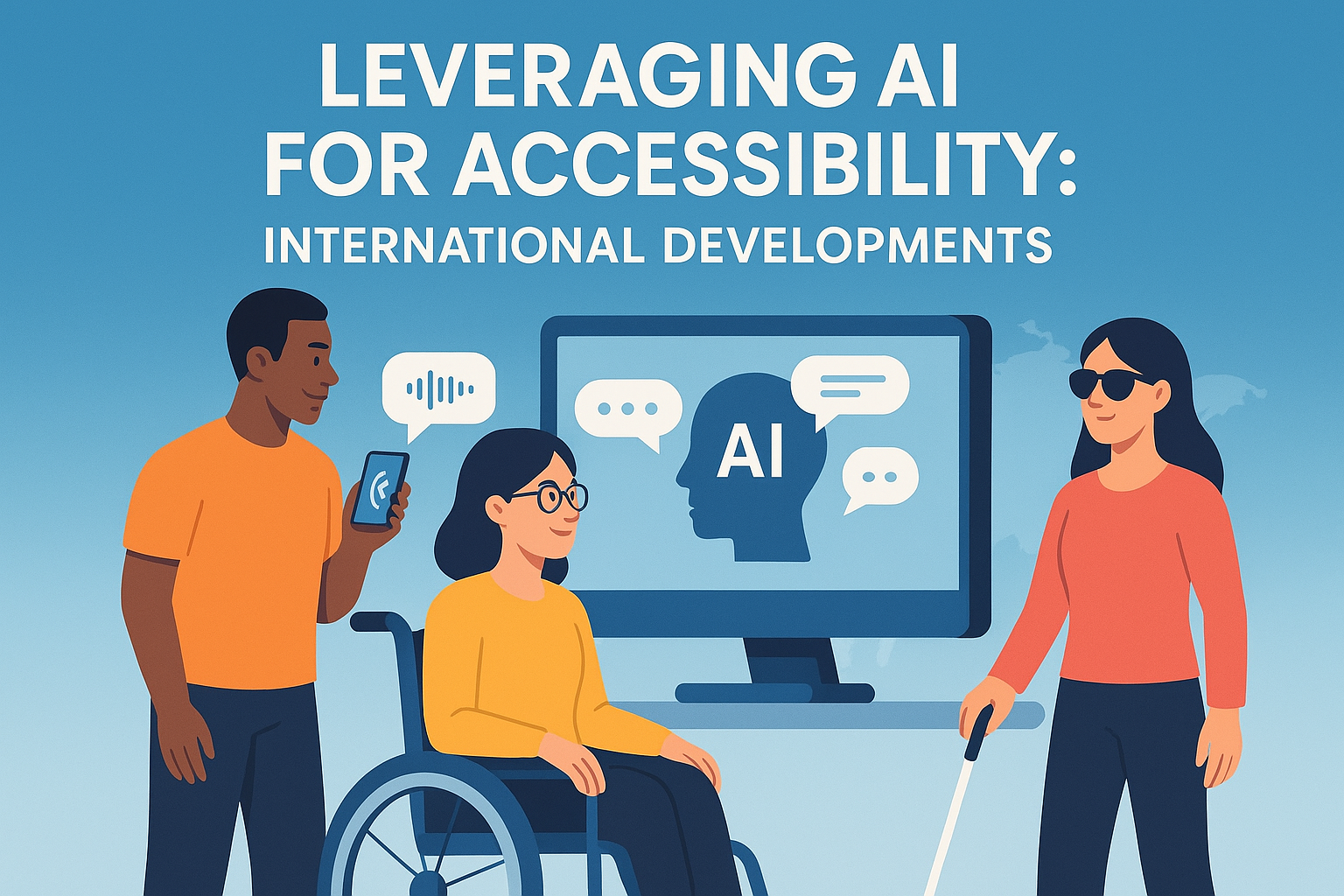
Technological innovation holds immense potential for transforming the landscape of disability advocacy. International organizations can play a significant role in leveraging technology to improve the quality of life for individuals with disabilities.
For instance, the International Telecommunications Union (ITU) has been working to enhance digital accessibility through its various initiatives. The ITU Accessibility Guidelines and the Global Initiative for Inclusive ICTs aim to break down barriers to digital technology access for persons with disabilities, ensuring they can fully participate in today’s digital society.
- Assistive Technologies: These include screen readers, speech-to-text software, and adaptive hardware that assist individuals with disabilities in interacting with digital media.
- Smart Environments: Leveraging IoT technology to create smart homes and workplaces that adjust to the needs of people with disabilities, offering increased safety and convenience.
- Telemedicine: Facilitates access to healthcare services for those with mobility issues, providing remote consultations with healthcare professionals.
By facilitating collaboration among technology developers, policymakers, and disability advocacy groups, international organizations can enhance the effectiveness and reach of these technologies to ensure that no one is left behind.
Raising Awareness and Changing Perceptions
International organizations are uniquely positioned to raise awareness and change perceptions about disabilities on a global scale.
Campaigns like the UN’s World Down Syndrome Day or the International Day of Persons with Disabilities, observed every December 3rd, are instrumental in educating the public about the challenges faced by individuals with disabilities and the importance of their inclusion in all aspects of community life.
Through global awareness campaigns, international organizations can spotlight stories of individuals and communities breaking down barriers and emphasize the shared responsibility to remove obstacles founded in bias or ignorance.
For example, the United Nations Partnership to Promote the Rights of Women and Children with Disabilities initiative is aimed at highlighting and addressing the specific forms of discrimination faced by women and children with disabilities, promoting equality and social justice.
Changing perceptions is an incremental process requiring constant efforts and engagement with every level of society—government bodies, individual citizens, and communities worldwide.
Collaboration and Partnerships
Collaboration between international organizations ensures that disability advocacy efforts are holistic and impactful. Official collaboration can boost resources, share expertise, and promote comprehensive strategies for tackling disability-related issues on global platforms.
The recent partnership between UNICEF and the Global Partnership for Education exemplifies such collaboration. Their efforts focus on inclusive education for children with disabilities, recognizing education as a critical factor in achieving equality and equity. Such partnerships highlight the growing recognition of the interconnectedness of various global issues and the need for united approaches.
Moreover, partnerships with private sector players can leverage financial resources, technological capabilities, and innovative solutions that may not be feasible within non-profit organizations alone. By harnessing diverse sets of expertise, collaborative efforts have the potential to build a more inclusive world swiftly and effectively.
Conclusion: Advancing Towards a More Inclusive Future
International organizations have the distinct advantage of influence and reach, which are paramount in shaping the future of disability advocacy. By developing inclusive policies, offering capacity-building resources, harnessing technology, raising awareness, and fostering significant partnerships, these organizations can shift the global landscape toward more inclusive, accessible societies.
The takeaway for readers is that while international organizations have a prominent role, collective action and active involvement are required at every level of society—from policymakers to grassroots activists. It’s a symbiotic relationship where empowered individuals and communities work in tandem with institutional frameworks to dismantle the residual barriers faced by individuals with disabilities.
As a next step, readers can engage more with international disability rights initiatives, support local disability advocacy organizations, and raise awareness within their communities. By doing so, they contribute to a global movement that recognizes and upholds the inherent dignity and deserving opportunities of individuals with disabilities.
Frequently Asked Questions
1. What is the current role of international organizations in disability advocacy?
International organizations play a crucial role in disability advocacy by setting standards, creating frameworks, and providing a global platform for dialogue and action. Organizations such as the United Nations (UN) and the World Health Organization (WHO) work on formulating policies and conventions like the UN Convention on the Rights of Persons with Disabilities (CRPD), which aims to protect and promote the rights and dignity of persons with disabilities. These organizations gather data, conduct research, and share best practices among countries to enhance overall disability inclusion. Moreover, they foster partnerships between government bodies, non-governmental organizations (NGOs), and other stakeholders to coordinate global efforts aimed at eliminating discrimination and improving the quality of life for individuals with disabilities. The role of these international bodies is also about holding governments accountable to their commitments regarding disability rights.
2. How can international organizations advance the goals of accessibility and inclusion in the future?
The future advancement of accessibility and inclusion by international organizations will largely depend on their ability to implement innovative approaches and leverage technology. Advancements can occur through continued advocacy for universal design principles, which ensure products and environments are accessible to all people, regardless of ability. International organizations can conduct and support research on new assistive technologies, aiming to make them more affordable and widespread. They can also bolster efforts for digital inclusion, which means ensuring that digital services and platforms are accessible and usable by people with disabilities. Furthermore, international organizations can work on expanding global networks and alliances to foster open dialogue, share effective strategies, and provide technical assistance to nations. Encouraging countries to adopt comprehensive legislation and regulations that ensure full inclusion and accessibility will remain a priority.
3. What challenges do international organizations face in promoting disability advocacy?
Despite their efforts, international organizations face several challenges in promoting disability advocacy. One major challenge is the varying levels of commitment and resources across countries. Some regions may lack the political will or economic ability to make significant changes. Bridging these disparities requires international organizations to engage in capacity-building initiatives, provide technical support, and occasionally offer financial incentives. Additionally, cultural differences can lead to diverse perceptions and treatment of disability. Therefore, international organizations need to navigate these cultural landscapes sensitively while promoting universal rights. They also face challenges in data collection and monitoring progress, which are crucial for driving evidence-based policy changes. Moreover, ensuring meaningful participation of persons with disabilities in advocacy efforts and decision-making processes is fundamental and challenging, as organizations often need to overcome barriers related to prejudice and discrimination.
4. How can international organizations ensure that their work in disability advocacy is inclusive and representative?
To ensure that their efforts in disability advocacy remain inclusive and representative, international organizations must prioritize the engagement and inclusion of people with disabilities at every level of their operations. This involves consulting with individuals with disabilities and their representative organizations while drafting policies or programs and during evaluation stages to ensure that lived experiences inform decision-making. Furthermore, employing people with disabilities within these organizations enhances representation and provides them crucial perspectives that might otherwise be overlooked. Another strategy is establishing formal advisory bodies composed of persons with disabilities to offer guidance. It is also essential that organizations commit to accessibility in communication, ensuring that all materials, including digital content, workshops, and conferences, are available in accessible formats. Transparency, accountability, and continuous feedback mechanisms must be instituted to ensure that advocacy remains true to its purpose and genuinely inclusive.
5. How can technology shape the future role of international organizations in disability advocacy?
Technology has the potential to significantly shape the future role of international organizations in disability advocacy by revolutionizing how these entities approach communication, data gathering, and program implementation. With the rise of digital tools, organizations can harness technology to improve accessibility through apps and platforms that break down barriers in communication and mobility. For instance, advancements in artificial intelligence and machine learning can create more personalized assistive devices and solutions. The use of big data and analytics enables international organizations to better identify needs, monitor progress, and tailor interventions more precisely. Online platforms also facilitate global dialogue, allowing advocates and organizations from around the world to collaborate more efficiently and effectively. Technology acts as a bridge to build stronger social networks and communities that empower individuals with disabilities by providing them with essential resources and information. The continued evolution of technology not only promises a more inclusive world but also necessitates that international organizations stay at the forefront of adopting these innovations.