In today’s fast-paced world, transportation is a critical element that influences our daily lives. Everyone deserves the opportunity to travel freely and independently, yet for those living with disabilities, traditional modes of transportation can pose significant challenges. This is where technology steps in as a transformative force, shaping the future of accessible transportation. The Americans with Disabilities Act (ADA), enacted in 1990, has been a driving force behind these advancements, enforcing requirements that aim to promote equality for individuals with disabilities in all areas of public life, including transportation. Since the passage of the ADA, there’s been significant progress in making transportation more accessible for people with disabilities. However, the journey towards full accessibility is ongoing. Innovative technologies are playing a pivotal role in bridging the accessibility gap, offering solutions that make transit systems more user-friendly. From smart traffic signals to ride-sharing apps designed for individuals with disabilities, the landscape of accessible transportation is continuously evolving. In this comprehensive article, we’ll delve into the current trends in accessible technology and how they align with the goals set forth by the ADA, ensuring everyone can navigate their world with ease and independence.
Enhanced Public Transit Solutions:
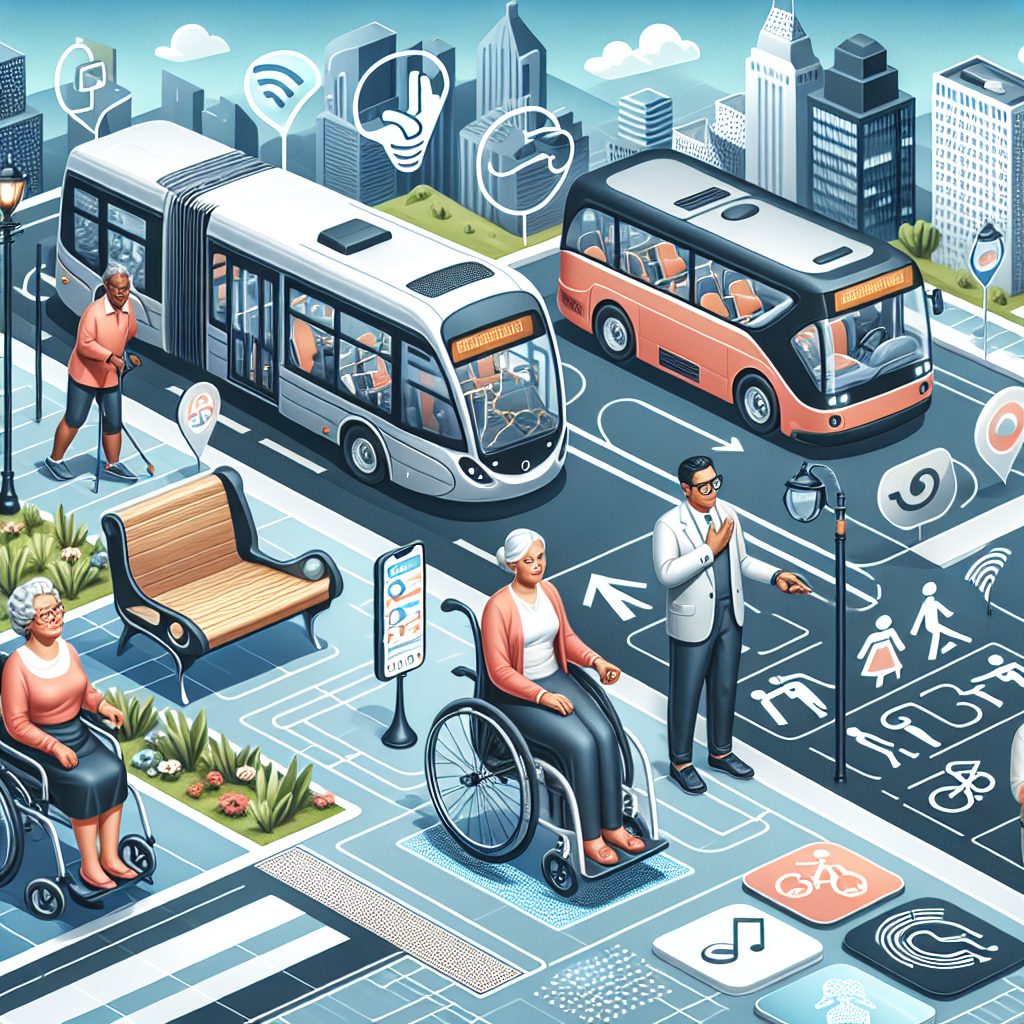
Public transportation systems have long been a focal point in the conversation about accessibility. With the advent of new technologies, public transit is becoming increasingly inclusive for individuals with disabilities. One of the most significant developments is the implementation of real-time data and app-based platforms, which offer features like trip planning and real-time updates. These tools are incredibly beneficial for riders with mobility impairments, visual or hearing disabilities, and cognitive challenges. Moreover, smart bus stops equipped with audio-visual cues and tactile guidance are making headway in various cities. For instance, these bus stops provide real-time updates via audible announcements or screen displays, helping individuals with hearing and visual impairments stay informed about bus schedules and routes. Advanced GPS technology also contributes by offering turn-by-turn navigation tailored for people with disabilities, ensuring they can travel independently with confidence. Additionally, electric and low-floor buses equipped with ramps or lifts help in physical accessibility, making boarding and alighting more convenient for wheelchair users. These buses are often complemented by attentive staff trained to assist passengers with disabilities, ensuring a seamless travel experience. Collaborations between transit authorities and tech companies are fostering an environment where continuous improvements in public transport accessibility are expected.
Ride-Sharing and On-Demand Services:
Ride-sharing services have revolutionized the way we think about transportation, and companies like Uber and Lyft are at the forefront of making their offerings accessible to everyone, including those with disabilities. These platforms now feature options for wheelchair-accessible vehicles (WAVs), enabling users to book rides that cater to their specific mobility needs. The integration of WAVs into ride-sharing platforms has provided a vital alternative to public transit, particularly in areas where accessible public transportation options are limited or non-existent. In addition to WAVs, ride-sharing apps are incorporating voice command features and screen readers to make their interfaces navigable for users with visual or cognitive impairments. By using these features, individuals can book rides, communicate with drivers, and access payment options without the need for visual input, thus granting them greater independence and flexibility. On-demand paratransit services are another area of growth. These services, often operated by local transit authorities in partnership with private companies, provide door-to-door assistance to individuals who are unable to use standard public transportation due to their disabilities. The use of app-based booking and real-time tracking enhances the user experience, allowing passengers to schedule rides conveniently and receive updates on their vehicle’s location and arrival time.
Accessible Parking Solutions:
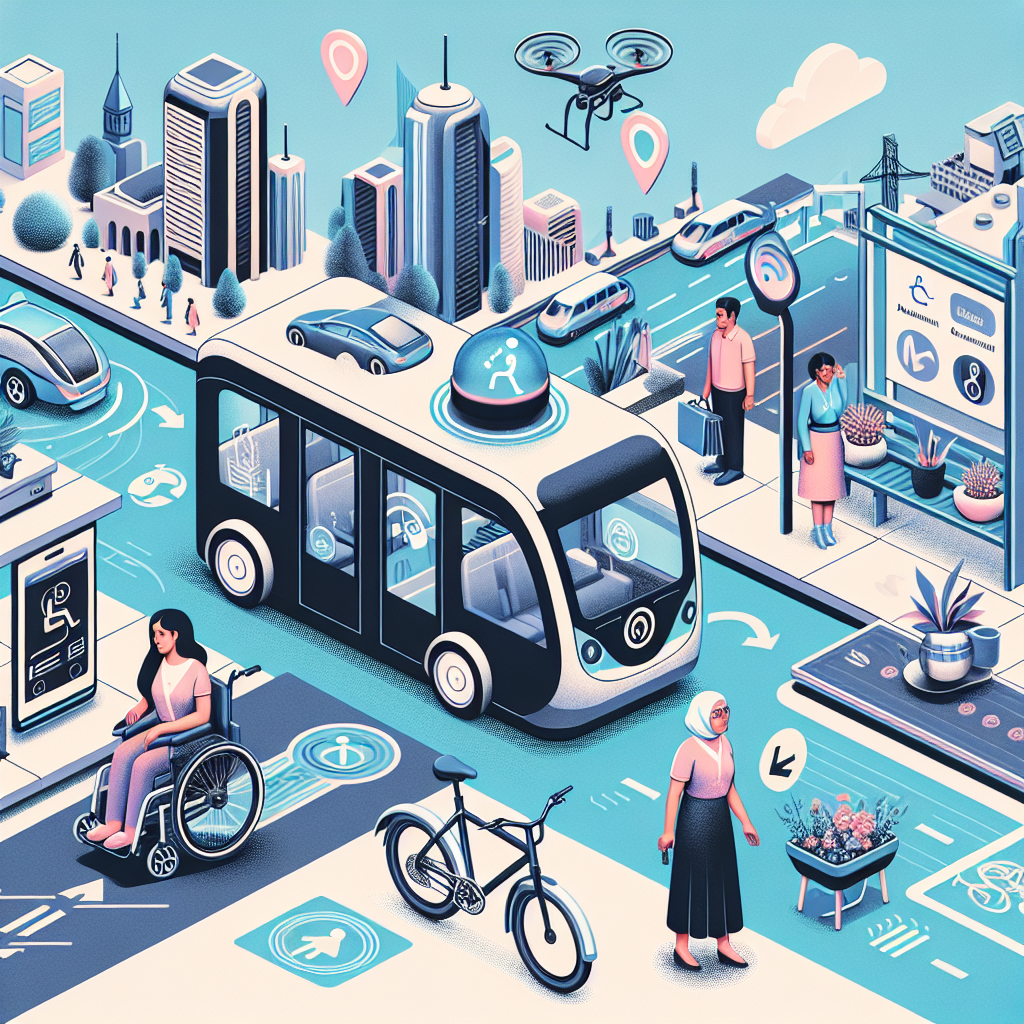
Parking can be a significant hurdle for individuals with disabilities, but emerging technologies are addressing this issue by making parking more accessible and manageable. Smart parking systems integrate sensors, cameras, and real-time data analytics to provide information on available accessible parking spaces. These systems can guide drivers to the nearest available spots, reducing the frustration and time spent searching for parking. Mobile apps designed for accessible parking, such as Blue Badge Parking and WheelMate, are making it easier for users to find, reserve, and navigate to accessible parking spaces. These apps often include user-generated reviews and ratings of parking spots, giving people with disabilities reliable information about the accessibility and condition of the spaces. In addition to finding parking, technology is also improving the process of parking itself. Autonomous parking features in modern vehicles are particularly beneficial for those with limited mobility, as these systems can park the car with little to no input from the driver. Combined with remote control features that allow for vehicle retrieval via smartphone app, these technologies are offering unprecedented convenience and independence to drivers with disabilities.
Assistive Technologies for Private Vehicles:
Private vehicle modifications have long been a necessity for drivers with disabilities, and advancements in technology are making these customizations more efficient and widely available. Adaptive driving equipment, such as hand controls, left-foot accelerators, and pedal extensions, have been standard offerings for some time. However, recent innovations are pushing the envelope even further. Voice-activated controls and custom steering adaptations are now available, enabling drivers to control various functions of their vehicle without using physical buttons or levers. These features are particularly useful for individuals with severe physical impairments, as they can operate their vehicle’s essential systems—such as air conditioning, entertainment, and navigation—with simple voice commands. Additionally, autonomous and semi-autonomous driving technologies are making waves as potential game-changers for drivers with disabilities. These systems can take over many aspects of driving, from highway cruising to parallel parking, reducing the physical demands on the driver and enhancing overall safety. As these technologies become more advanced and widespread, the prospect of fully autonomous vehicles could offer unparalleled mobility and independence to individuals with severe disabilities.
Innovative Mobility Devices:
The realm of personal mobility devices has seen tremendous growth, with technology paving the way for innovative solutions that empower individuals with disabilities. One such advancement is the development of smart wheelchairs. These wheelchairs come equipped with GPS, Wi-Fi connectivity, and sophisticated control systems that allow users to navigate their environments more easily. They can be controlled using joysticks, touchscreens, or even eye-tracking technology for those with very limited mobility. Exoskeletons are another groundbreaking innovation. These wearable robotic suits assist with mobility and rehabilitation, helping individuals with spinal cord injuries or neuromuscular disorders to stand and walk. While exoskeletons are still primarily used in clinical settings, ongoing research and development are making these devices more affordable and practical for everyday use. Personal mobility innovations also extend to scooters and electric bikes designed with accessibility features. Foldable and lightweight models are gaining popularity for their convenience and ease of transportation, while all-terrain models ensure that users can traverse various landscapes without hindrance. These advances in mobility devices are not just about practicality—they are about providing freedom, autonomy, and improving the overall quality of life for individuals with disabilities.
Conclusion:
As we’ve explored, technology is playing an instrumental role in advancing accessible transportation in alignment with the Americans with Disabilities Act (ADA). From public transit to personal mobility devices, the innovations are not merely conveniences—they are essential for enabling individuals with disabilities to live independently and participate fully in society. The continuous development of these technologies highlights the importance of inclusivity and the need for ongoing collaboration between technologists, policymakers, and the disability community. Achieving full accessibility is not a one-time effort but a dynamic process that requires commitment, innovation, and an unwavering dedication to equality. Looking ahead, it’s crucial to keep pushing the boundaries of what’s possible, leveraging technology to create a more inclusive world. Embracing these advancements not only benefits individuals with disabilities but enriches our communities as a whole, fostering environments where everyone has the opportunity to thrive. As technology continues to evolve, so too must our efforts to ensure that transportation remains accessible, equitable, and empowering for all. By keeping these principles at the forefront of innovation, we can create a future where accessible transportation is a given, not an exception.
Frequently Asked Questions
1. What are some current trends in technology for accessible transportation?
In recent years, technology has made impressive strides in creating more inclusive transportation options for individuals with disabilities. One significant trend is the integration of ride-sharing apps with accessibility features, such as vehicles equipped for wheelchairs and interface designs catering to those with visual or hearing impairments. In addition, autonomous vehicle technology is being explored to offer customized transit solutions. Navigation apps have also improved by incorporating detailed accessibility information, like the availability of elevators or ramps, for public transit systems. Furthermore, there’s an increasing emphasis on inclusive smart city designs, with updated public transportation systems that ensure equal access for all.
These advancements are not just technological achievements but cultural shifts towards understanding and addressing the mobility challenges faced by individuals with disabilities. The technology aims to ensure that everyone, regardless of physical limitations, can enjoy the freedom to navigate through their environment comfortably and independently.
2. How does the ADA support technological developments in accessible transportation?
The Americans with Disabilities Act (ADA) has been instrumental in pushing for improvements in accessible transportation technology. Since its enactment in 1990, the ADA has mandated that transportation services must be accessible to individuals with disabilities. This regulation has driven innovation and spurred developers and transit authorities to find novel solutions to meet these legal standards. For example, the requirement for public transport systems to provide accessible options has led to the design of buses and trains equipped with ramps or lifts, as well as improved communication systems for the visually or hearing impaired.
The ADA serves as a guideline and motivator for continuous improvements, ensuring that technological developments align with the principles of inclusive access and non-discrimination. Without these regulatory frameworks, the innovation in accessible transportation might not have progressed at its current rate. It’s crucial to see how ongoing adjustments and interpretations of the ADA continue to drive forward technological innovation in this sector.
3. What role do autonomous vehicles play in accessible transportation?
Autonomous vehicles (AVs) hold significant promise for the future of accessible transportation. These self-driving cars are being designed to cater specifically to the needs of individuals with mobility impairments. They offer the potential for door-to-door service that doesn’t rely on the availability or scheduling of human drivers, thus removing a significant barrier faced by many who depend on others for their transportation needs.
AVs are being explored to have specific modifications like voice-activated controls or customizable interfaces for ease of access by passengers with different disabilities. This technology could also eliminate physical barriers associated with driving, by removing the need for manually controlling a vehicle. As AV technology continues to evolve, it’s expected to provide safer, more reliable, and more flexible options for personal transportation, effectively reducing the transportation inequality gap.
4. How have ride-sharing services adapted to be more accessible?
Ride-sharing services like Uber and Lyft are at the forefront of incorporating accessibility into their business models. These companies have made strides to offer options like wheelchair-accessible vehicles (WAV) within their fleets. Developing partnerships with local transportation services and investing in WAV means that individuals who use wheelchairs can have greater ease and flexibility in their travel options.
Additionally, these apps are integrating features to aid those with sensory disabilities. For example, the apps provide options for additional feedback forms like visual alerts for the hearing impaired or auditory cues for the visually impaired. Ongoing feedback from the disability community helps these companies to refine and improve their services continually, creating a more inclusive and user-friendly experience.
5. What are the challenges in implementing technology for accessible transportation?
While significant progress has been made, there remain a number of challenges in fully implementing technology for accessible transportation. One major hurdle is infrastructure limitations. Not all older public transportation systems have the physical space or budgets to accommodate the necessary upgrades, such as installing elevators or creating step-free routes, which can result in inconsistencies in accessibility.
Another challenge is the high cost of new technology, which can be a barrier to widespread implementation. Advanced solutions like autonomous vehicles require significant research, development, and production resources. Further, technological advancement must also go hand-in-hand with proper training for transit staff, ensuring they can assist passengers effectively using new tools.
This dynamic field requires continuous attention, advocacy, and innovation to ensure that accessible solutions are not only developed but widely adopted across all geographic and economic segments.