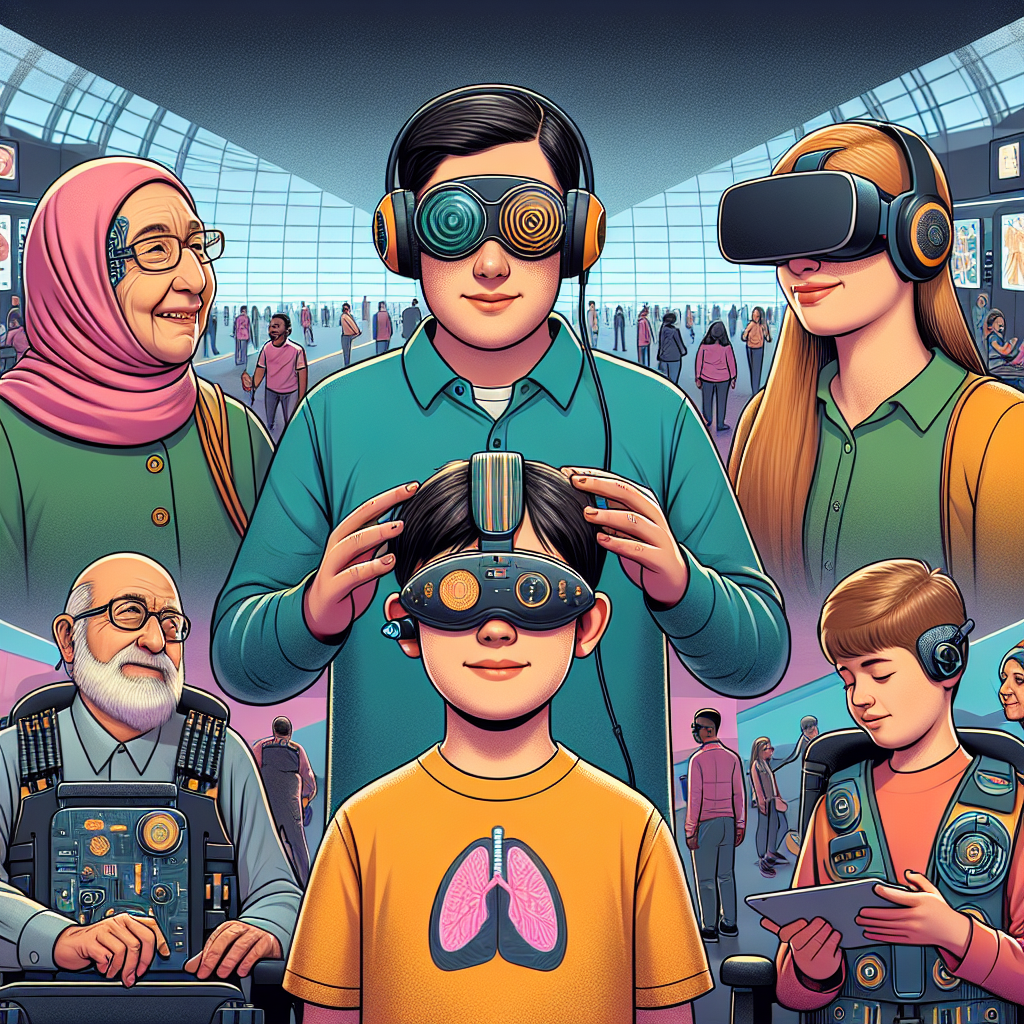
The Americans with Disabilities Act (ADA) of 1990 was a groundbreaking statute designed to protect the civil rights of individuals with disabilities. Signed into law by President George H.W. Bush, the ADA aims to eliminate discrimination against people with disabilities by ensuring accessibility and equal opportunities in various aspects of life, such as employment, transportation, public accommodations, and government services. Over the years, the ADA has played a pivotal role in shaping policies and practices that promote inclusiveness and equality. One of the significant areas where the ADA has had a profound impact is in the realm of technology and accessibility, especially with the advent of smart prosthetics.
Technological advancements have revolutionized the healthcare industry, providing novel solutions to overcome physical limitations. Smart prosthetics, also known as intelligent prostheses, represent a remarkable intersection of technology and accessibility. These devices offer enhanced functionality and improved quality of life for individuals with limb loss or mobility impairments. By combining cutting-edge technology with user-centered design, smart prosthetics are pushing the boundaries of what was once considered possible.
This article delves into the world of smart prosthetics, exploring their development, technological innovations, and the impact of the ADA on fostering accessibility through these advanced devices. By examining the current landscape and future prospects, we aim to shed light on the transformative power of smart prosthetics in enhancing the lives of individuals with disabilities and promoting a more inclusive society.
The Evolution of Prosthetics
The history of prosthetics dates back thousands of years, with early evidence of artificial limbs found in ancient Egyptian and Roman civilizations. However, traditional prosthetics were often rudimentary and limited in functionality, primarily serving an aesthetic purpose rather than offering substantial mobility or dexterity. The introduction of modern medicine and technological advancements in the 20th century paved the way for significant improvements in prosthetic design and functionality.
In the mid-20th century, the development of materials such as lightweight metals and plastics revolutionized prosthetics, making them more comfortable and durable. However, it wasn’t until the late 20th and early 21st centuries that the integration of electronics and robotics truly transformed the field. The advent of myoelectric prosthetics, which use electrical signals from the user’s muscles to control movements, marked a significant milestone in prosthetic technology.
Today, smart prosthetics are at the forefront of innovation, offering unprecedented levels of functionality and user experience. These advanced devices incorporate sensors, microprocessors, and actuators to mimic natural limb movements. As a result, individuals with amputations can perform intricate tasks such as gripping objects, typing on a keyboard, and even playing musical instruments. The ongoing evolution of prosthetics continues to push the boundaries of what is achievable, thanks to relentless research and development efforts.
Technological Innovations in Smart Prosthetics
Smart prosthetics leverage cutting-edge technologies to offer enhanced functionality and user-centric experiences. Key innovations in this field include:
- Myoelectric Control: Myoelectric prosthetics use electrical signals generated by muscle contractions to control the device’s movements. Electromyography (EMG) sensors placed on the residual limb detect these signals and translate them into precise movements, allowing for natural and fluid motions.
- Brain-Computer Interfaces (BCIs): BCIs represent a groundbreaking advancement in smart prosthetics. These interfaces enable direct communication between the brain and the prosthetic device, bypassing the need for muscle signals. BCIs use neural implants or non-invasive brainwave sensors to capture brain signals and translate them into commands for the prosthetic limb.
- Artificial Intelligence (AI): AI algorithms play a crucial role in enhancing the functionality of smart prosthetics. Machine learning models analyze sensor data and user behavior to adapt and optimize the device’s performance in real-time. This adaptive learning process allows the prosthetic to anticipate the user’s intentions and respond accordingly.
- Haptic Feedback: One of the significant challenges in prosthetics is providing sensory feedback to the user. Haptic feedback technology addresses this issue by incorporating sensors that simulate touch, pressure, and temperature. Users can perceive sensations through their prosthetic limb, improving their ability to interact with the environment and perform delicate tasks.
- Advanced Materials: Innovations in materials science have led to the development of lightweight, durable, and biocompatible materials for smart prosthetics. These materials ensure user comfort, reduce fatigue, and enhance the overall usability of the device.

The Role of the ADA in Promoting Accessibility
The ADA has played a crucial role in advancing accessibility for individuals with disabilities, including those who rely on prosthetics. By establishing legal standards and guidelines, the ADA has paved the way for greater inclusiveness and equal opportunities. Key provisions of the ADA that impact accessibility in the context of prosthetics include:
- Employment: Title I of the ADA prohibits discrimination against qualified individuals with disabilities in all aspects of employment, including hiring, promotions, and training. This provision ensures that individuals with disabilities have equal access to employment opportunities and reasonable accommodations, such as accessible workspaces and assistive technologies.
- Public Accommodations: Title III of the ADA requires public establishments, such as restaurants, hotels, and retail stores, to be accessible to individuals with disabilities. This includes providing barrier-free entryways, ramps, and other accommodations that facilitate mobility for individuals using prosthetics.
- Transportation: Title II of the ADA mandates that public transportation services be accessible to individuals with disabilities. This includes provisions for accessible buses, trains, and paratransit services, ensuring that individuals with prosthetics can travel independently and access essential services.
- Technology Access: The ADA emphasizes the importance of accessible technology, including websites, software, and electronic devices. This provision ensures that individuals with disabilities can access digital content and services, which is particularly relevant for those who rely on digital interfaces for their smart prosthetics.
The ADA’s commitment to promoting accessibility has had a profound impact on the development and adoption of smart prosthetics. By raising awareness and setting legal standards, the ADA has created an environment where technological innovations can flourish, ultimately benefiting individuals with disabilities.
Challenges and Opportunities in Smart Prosthetics
While smart prosthetics offer significant advancements, there are several challenges and opportunities that need to be addressed to fully realize their potential. Key challenges include:
- Cost: One of the primary barriers to accessing smart prosthetics is their high cost. Advanced materials, sophisticated electronics, and complex manufacturing processes contribute to the overall expense. Efforts are needed to make these devices more affordable and accessible to a broader population.
- Customization: Every individual’s needs and preferences are unique, requiring customized solutions. Developing tailored prosthetics that cater to specific requirements without compromising on functionality and comfort remains a challenge.
- Integration with the Body: Achieving seamless integration between the prosthetic limb and the user’s body is a complex task. Ensuring that the prosthetic functions naturally and comfortably while avoiding issues such as skin irritation or pressure sores is essential.
- Regulatory Approvals: Smart prosthetics must undergo rigorous testing and obtain regulatory approvals before they can be marketed and used. Streamlining the approval process without compromising on safety and efficacy is crucial to accelerate the availability of these devices.
Despite these challenges, the future of smart prosthetics holds immense promise. Opportunities for innovation and improvement include:
- Advancements in AI: Continued progress in AI and machine learning will enhance the capabilities of smart prosthetics. Improved algorithms can offer more accurate and responsive control, adapting to the user’s needs and preferences over time.
- 3D Printing: 3D printing technology has the potential to revolutionize prosthetics by enabling cost-effective and rapid production of customized devices. This technology can reduce manufacturing costs and improve accessibility for individuals worldwide.
- Tactile Sensation: Ongoing research in haptic feedback and sensory integration aims to provide users with a more immersive and natural experience. Enhanced tactile sensations can significantly improve the usability and acceptance of smart prosthetics.
- Collaborative Partnerships: Collaboration between researchers, healthcare professionals, technology companies, and policy-makers is essential to drive innovation and address the challenges in smart prosthetics. Public and private partnerships can pool resources, expertise, and funding to accelerate development.
Real-World Impact of Smart Prosthetics
The real-world impact of smart prosthetics is evident in the stories of individuals who have experienced a transformative change in their lives. These advanced devices have empowered users to regain independence, pursue their passions, and participate actively in society. Some notable examples include:
- Rehabilitation and Recovery: Smart prosthetics have significantly improved the rehabilitation process for individuals with limb loss. By providing enhanced mobility and functionality, these devices enable users to engage in physical therapy and regain their strength and coordination more effectively.
- Sports and Athletics: Athletes with disabilities have achieved remarkable feats using smart prosthetics. From running marathons to competing in the Paralympic Games, these devices have enabled individuals to push their limits and achieve their goals.
- Professional Pursuits: Smart prosthetics have opened up new career opportunities for individuals with disabilities. Whether it’s in fields that require fine motor skills or physically demanding roles, these devices have empowered users to excel in their chosen professions.
- Personal Independence: One of the most significant impacts of smart prosthetics is the restoration of personal independence. Users can perform daily activities with ease, such as cooking, driving, and caring for their families, without relying on constant assistance.
The stories of individuals who have benefited from smart prosthetics serve as a testament to the transformative power of technology and accessibility. These devices not only enhance physical capabilities but also boost confidence, self-esteem, and overall quality of life.
Conclusion
The intersection of technology and accessibility through smart prosthetics embodies the spirit of innovation and inclusivity championed by the ADA. These advanced devices have redefined possibilities for individuals with disabilities, offering enhanced functionality, independence, and a better quality of life. As technological advancements continue to evolve, the potential for further breakthroughs in smart prosthetics remains vast.
The ADA’s commitment to promoting accessibility has played a crucial role in fostering an environment where innovation can thrive. Legal standards and guidelines established by the ADA ensure equal opportunities and non-discrimination, paving the way for technological advancements that benefit individuals with disabilities.
While challenges such as cost, customization, and integration persist, ongoing research, collaborative efforts, and advancements in AI, materials, and 3D printing hold promise for overcoming these hurdles. The future of smart prosthetics is bright, with opportunities to enhance sensory feedback, reduce costs, and provide more tailored solutions for users.
Ultimately, the stories of individuals who have experienced the transformative impact of smart prosthetics highlight the importance of combining technology with accessibility. These devices not only restore physical capabilities but also empower individuals to lead fulfilling lives, pursue their ambitions, and participate actively in society. By continuing to prioritize accessibility and innovation, we can create a more inclusive and equitable world for all.
Frequently Asked Questions
1. What are smart prosthetics and how do they differ from traditional prosthetics?
Smart prosthetics are advanced artificial devices designed to replace lost limbs, equipped with state-of-the-art technology to enhance functionality and improve the user’s quality of life. Unlike traditional prosthetics, which primarily focus on structural support and basic movement, smart prosthetics incorporate elements like sensors, motors, and software that allow for more natural and intuitive movement. These devices can receive signals from the user’s nervous or muscular systems, enabling more precise control. Additionally, smart prosthetics can potentially be personalized through data collection and artificial intelligence to adapt to the user’s unique needs, offering a glimpse into the future where technology and human ingenuity overlap seamlessly.
2. How do smart prosthetics contribute to accessibility for those with disabilities?
Smart prosthetics significantly enhance accessibility for individuals with disabilities by providing greater independence and ease of movement than ever before. These high-tech devices enable users to perform daily activities with a newfound level of ease and confidence, supporting their participation in various aspects of life such as work, social activities, and sports. By translating physical and neural commands into movement, smart prosthetics stand at the forefront of promoting inclusivity and equality, aligning with the principles outlined in the Americans with Disabilities Act (ADA) to ensure full participation in society. The rich feedback mechanisms integrated into smart prosthetics not only help users feel more connected to their limbs but also bridge the gap to absolute autonomy.
3. What role did the Americans with Disabilities Act (ADA) play in the development and adoption of smart prosthetics?
The ADA has been instrumental in fostering an environment where the advancement and adoption of smart prosthetics are possible by setting the foundation for equality and accessibility. Since its inception in 1990, the ADA has provided a framework that encourages innovation targeted at enhancing the lives of individuals with disabilities, including those who might benefit from cutting-edge prosthetic technology. The Act’s emphasis on eliminating discrimination and providing equal opportunities across various sectors has indirectly pushed for the continuous improvement of assistive technologies. These forward-thinking regulations inspire companies and researchers to further develop smart prosthetic solutions that meet the ADA’s ever-evolving standards for access and inclusion.
4. Are there any concerns or challenges associated with smart prosthetics?
While the advancement of smart prosthetics brings numerous benefits, several concerns and challenges remain prevalent. One primary issue is the cost, as these highly specialized devices are often expensive, potentially imposing financial barriers for some individuals. Accessibility to the latest technology in smart prosthetics also varies geographically, with those in remote or under-resourced areas facing limited availability. Additionally, technological complications, such as device malfunctions, cyber-security issues, and the need for continuous software updates, present ongoing challenges. Furthermore, there may be a learning curve associated with adapting to and using smart prosthetics efficiently, requiring time and support for users to maximize the devices’ capabilities. It is essential for healthcare providers, engineers, and policy-makers to collaborate and address these obstacles to make smart prosthetics more widely accessible and user-friendly.
5. What innovations can we expect to see in the future of smart prosthetics?
The future of smart prosthetics promises dazzling innovations, fueled by the intersection of biotechnology, computing, and engineering. Anticipated advancements may include the further integration of AI and machine learning to enable prosthetics to learn from user behavior and adapt their functionality accordingly. Improved interfaces that offer seamless communication between the user’s neural system and prosthetic hardware are also on the horizon, potentially allowing more intuitive and responsive control. Developments in materials science will likely lead to lighter, more durable prosthetic designs that emulate the natural movement and feel of human limbs. Personalized customization using 3D printing technology could provide tailored solutions that fit the user’s anatomy perfectly. As research progresses, we can also expect to see smart prosthetics supporting sensory feedback, allowing users to experience a form of touch through their artificial limbs. Continued innovation promises not only to broaden the capabilities of smart prosthetics but also to bring the dream of fully accessible, life-enhancing technology to even more people worldwide.