The Americans with Disabilities Act (ADA) of 1990 marked a pivotal moment in the advocacy for disability rights in the United States. It was designed to ensure that individuals with disabilities receive equal opportunities and are not discriminated against. Over the years, the ADA has influenced numerous sectors, including employment, public accommodations, transportation, and telecommunications. However, as technology continues to advance at a rapid pace, the implications of the ADA have extended beyond its original scope. Robotics and other technological advancements are now playing a crucial role in enhancing accessibility for individuals with disabilities, fundamentally transforming how they interact with the world. In this article, we’ll explore the intersection of robotics and accessibility, highlighting recent innovations that align with ADA principles and dramatically improve the quality of life for millions of Americans.
Technological innovation has the power to break down barriers that were once thought insurmountable. Today, robots are being designed and programmed to assist individuals with disabilities in a myriad of ways, from performing daily tasks to offering assistance in public spaces. These advancements not only meet the requirements set forth by the ADA but often exceed them, setting new standards for what accessibility can achieve. As these innovations become more integrated into daily life, the role of robotics in promoting inclusivity and accessibility continues to grow, promising significant improvements for those who live with disabilities.
Robotics Revolutionizing Daily Life
In recent years, robotics has moved from the realm of science fiction into the practical, everyday experience for many people with disabilities. Robotic technology has been integrated into devices that assist with mobility, communication, and personal care, offering newfound independence for individuals who previously relied heavily on human assistance.
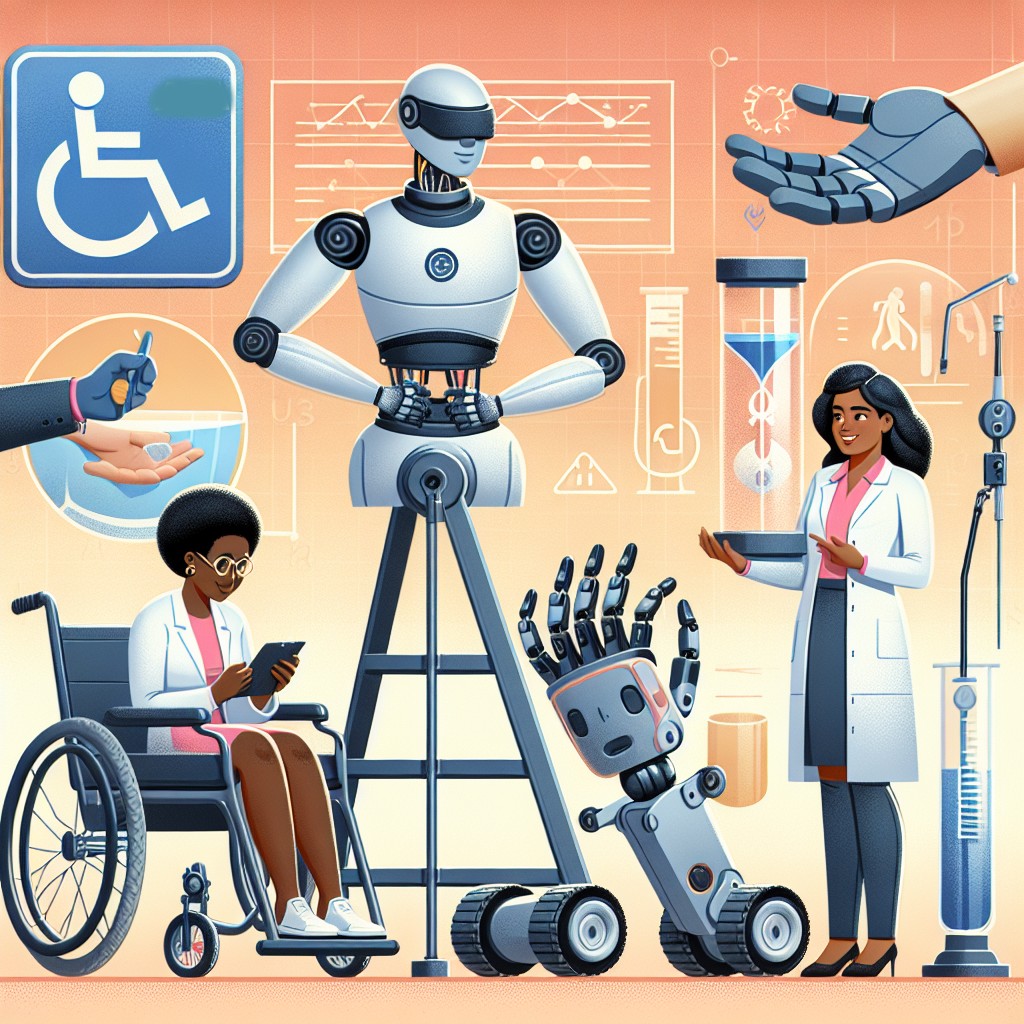
For instance, robotic arms can now be attached to wheelchairs, allowing users to perform tasks that require fine motor skills, such as opening doors or picking up objects, without needing external help. These robotic aids are not only customizable to meet varying needs but are also becoming more affordable, thereby increasing accessibility for a broader population.
Moreover, wearable robotics, such as exoskeletons, have made significant strides. These devices allow individuals with limited mobility to walk and navigate their environments with greater ease. Such advancements can drastically reduce reliance on caregivers and provide a sense of empowerment and autonomy. These innovations align with the ADA’s goal of ensuring individuals with disabilities have the same opportunities as everyone else, by providing practical solutions that meet their unique needs.
The Role of AI in Enhancing Accessibility
Artificial Intelligence (AI) plays a critical role in the development of robotic technologies designed to enhance accessibility. With AI, robots can learn to recognize patterns, adapt to various environments, and respond to the needs of individuals in real-time. This adaptability is crucial in catering to the diverse requirements of people with different disabilities.
For people with visual impairments, AI-powered devices can provide detailed audio descriptions of surroundings, read text aloud, and even identify and name objects or people. This not only assists with navigation but also helps individuals engage more fully with their environment, enhancing their everyday experiences. In public spaces, AI can guide those with mobility impairments to elevators or accessible routes, ensuring compliance with ADA guidelines.
Furthermore, intelligent voice assistants that are capable of understanding commands and questions posed by users have become an indispensable tool for many individuals with disabilities. By integrating these technologies into robotic devices, users gain the ability to manage such devices with ease, improving their quality of life and ensuring ADA compliance in a more meaningful way.
Educational and Employment Opportunities
Robotics and technology-facilitated accessibility are opening doors in the spheres of education and employment—two areas where individuals with disabilities have historically faced significant barriers. By leveraging advancements in technology, educational institutions and workplaces can create more inclusive environments, thus adhering to ADA requirements and empowering those with disabilities.
In classrooms, robotic devices can assist students with disabilities in participating more fully in educational activities. For instance, note-taking robots can transcribe lectures in real-time, while robotic aides can facilitate participation in hands-on projects or experiments. This technology promotes inclusivity and provides students with disabilities equal access to learning opportunities.
In the workplace, robotics can reduce or eliminate barriers that might otherwise prevent individuals with disabilities from contributing fully to their roles. Automated systems and robotic assistants can undertake tasks that would be challenging or impossible for some, while also enhancing overall productivity. This benefits not only the employees but also their employers, who gain access to a broader, more diverse talent pool.
Public Spaces and Robotic Navigation
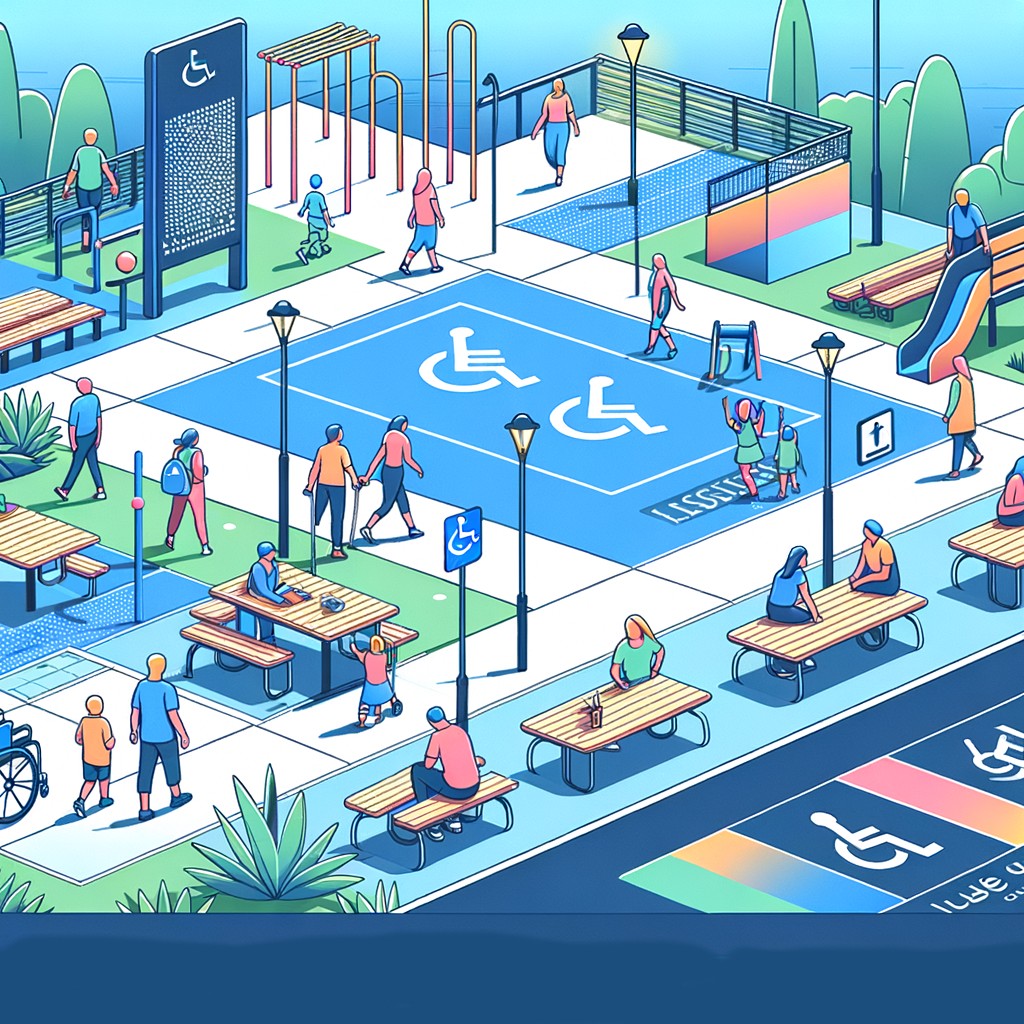
The ADA requires public spaces to be accessible to individuals with disabilities, and robotics plays a significant role in ensuring these spaces are navigable and welcoming. Technologies, such as robotic guides, can assist individuals in finding their way in large or complex environments, making public spaces more accommodating to those with disabilities.
Many museums, airports, and shopping centers are beginning to incorporate robotic guides that can provide personalized assistance to individuals with disabilities. These robots can offer real-time updates about accessible restrooms, routes without stairs, and other relevant information, enhancing the overall experience for users. Robotics also play a crucial role in monitoring accessibility features, ensuring that ADA compliance is continuously upheld and any issues are addressed promptly.
Such implementations not only improve accessibility but also make public spaces more inclusive for everyone, promoting a culture of openness and understanding. Robotics, in conjunction with the ADA’s principles, are gradually reshaping the public landscape to accommodate the needs of all individuals.
Future Directions and Ethical Considerations
As robotic technology continues to advance, there is immense potential for further enhancing accessibility for individuals with disabilities. Future developments may include more intelligent personal care robots capable of providing even greater assistance while respecting user privacy and autonomy.
Nevertheless, with these advancements come essential ethical considerations. Ensuring that robotics technology does not infringe on the privacy and dignity of individuals with disabilities is paramount. Additionally, it is crucial to consider how these technologies can be made affordable and accessible to all, rather than only a privileged few.
As robotics becomes more embedded in the framework of accessibility, developers and policymakers must remain vigilant in addressing these challenges. Collaborative efforts between technologists, disability advocates, and lawmakers will be necessary to ensure that the future of robotics in accessibility is equitable and sustainable. Balancing innovation with ethical considerations will require ongoing dialogue and a commitment to inclusivity at every stage of development.
Conclusion: The Path Forward
The integration of robotics into the realm of accessibility represents a profound step forward in fulfilling the principles set out by the ADA. As technology evolves, so too does the possibility of a more inclusive and accommodating world for people with disabilities. Robotics and AI are not only addressing existing accessibility challenges but also setting the stage for new solutions that were previously unimaginable.
The journey towards accessibility is far from over. However, the advancements in robotics and related technologies offer a promising glimpse into a future where barriers are consistently being lowered, if not entirely eliminated. By continuing to advocate for innovation that aligns with ADA standards and values, we can ensure that individuals with disabilities are not just passive recipients of technological advancements but active participants in shaping their own lives.
As we move forward, it is essential to remain committed to inclusivity, affordability, and ethical responsibility. This will require ongoing collaboration across multiple sectors—technology, healthcare, education, employment, and public policy—to create a world that is truly accessible for all. Only by doing so can we honor the original intent of the ADA and continue to pave the way for meaningful progress in the field of accessibility.
Frequently Asked Questions
1. What recent advancements in robotics are being integrated into ADA regulations by 2025?
By 2025, robotics technology has made significant strides, leading to impactful integrations into the scope of the Americans with Disabilities Act (ADA). The exciting intersection of robotics and ADA compliance involves several key innovations. Human-assistive robots, for instance, are being developed to provide enhanced support for individuals with mobility challenges. These robots can assist with tasks such as fetching items, navigating spaces, or even accompanying an individual throughout their day, mimicking a level of independence that was previously unattainable.
Furthermore, robotic exoskeletons are becoming more mainstream, providing people with significant mobility impairments the opportunity to stand, walk, and move in ways that were once considered impossible. This shift in accessibility is a game-changer for those with spinal cord injuries or certain types of muscular atrophy.
The ADA has had to evolve alongside these technological advancements, encouraging adoption and ensuring that new products and services meet rigorous accessibility standards. Businesses, transportation systems, and public spaces are being equipped with robotics solutions to enhance inclusion seamlessly, reflecting not just an upgrade in assistive technologies, but an ethical commitment to accessibility as well. These developments push the ADA’s original goals further, ensuring equal access and opportunities for everyone.
2. How do robotic solutions support better accessibility in public transportation?
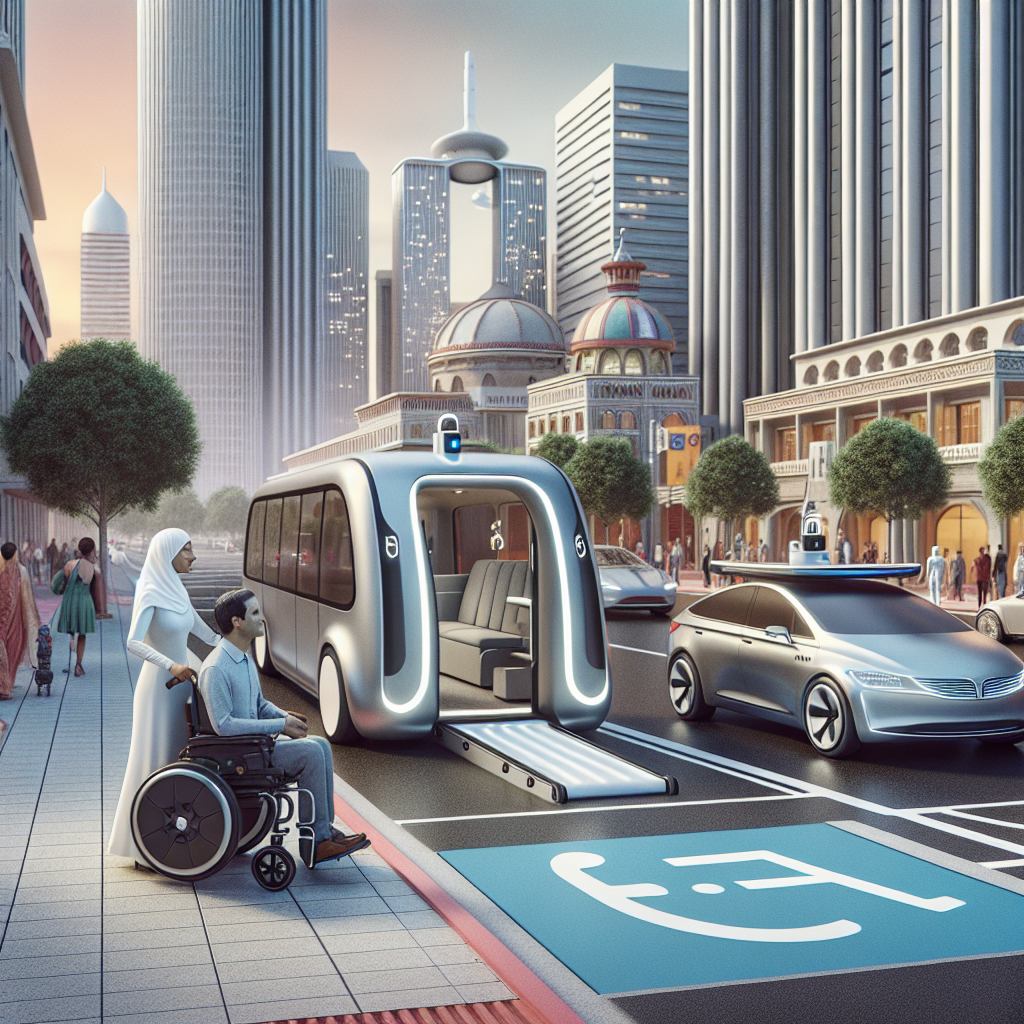
Robotic technology is revolutionizing public transportation by addressing longstanding challenges in accessibility. One major advancement is the deployment of autonomous vehicles designed with accessibility in mind. These vehicles are equipped with features that support easy boarding and navigation for individuals with disabilities. For instance, platforms can auto-adjust to align perfectly with wheelchairs, eliminating the persistent gap between the platform and vehicle entries.
Additionally, onboard robots act as ‘digital conductors,’ capable of assisting passengers in finding seats, communicating important travel updates, or alerting individuals to their stop. This real-time assistance ensures that those with visual, hearing, or cognitive disabilities receive the guidance they need to travel independently.
Moreover, robotic kiosks and service robots positioned throughout transit hubs offer personalized assistance, such as route guidance or emergency support, all the while synced with personal devices to provide updates or respond to individual queries in multiple formats, accommodating varied accessibility needs. Public transport systems are increasingly incorporating these technologies to not only comply with ADA requirements but to transform the travel experiences for passengers with disabilities dramatically.
3. What role does artificial intelligence play in enhancing robotics for accessibility purposes?
Artificial Intelligence (AI) is instrumental in driving forward the functionality and effectiveness of robotic solutions aimed at improving accessibility. AI systems imbue robots with the cognitive abilities to learn from their environment, recognize patterns, and respond to dynamic situations, significantly enhancing their utility for users with disabilities.
For example, robots equipped with AI capabilities can learn and anticipate the unique needs of individuals, adapting their operations to assist effectively. An AI-driven guide robot in a shopping center might learn the specific routes a person with mobility issues prefers and adjust its guidance to optimize these paths, providing a more personalized and smoother experience.
Furthermore, AI accelerates the development of language processing within robotics, enabling sophisticated communication interfaces that cater to different disabilities. For instance, speech recognition and synthesis can assist the visually impaired, while robots that use gesture recognition and translation can engage with users in sign language, catering to the hearing impaired.
The synergy between AI and robotics signifies not just adherence to ADA guidelines but the proactive anticipation of user needs, setting a new standard for inclusivity. The adaptability and learning potential of AI-infused robots promise a future where accessibility challenges are continually addressed and improved, reflecting a dynamically evolving landscape that prioritizes the empowerment of all individuals.
4. In what ways can robotics assist individuals with cognitive disabilities in everyday settings?
Individuals with cognitive disabilities can face unique challenges in daily life, and robotics have emerged as powerful tools to facilitate independence and improve quality of life. Assistive robots are being tailored to provide cognitive support through reminders, task sequencing, and prompting, effectively acting as personal assistants that enhance daily living.
Imagine a smart home environment where a robot provides gentle, timely reminders to take medication or follow a personal schedule. These systems incorporate user-friendly interfaces that can be adjusted to suit individual needs, whether through visual, auditory, or tactile prompts. By integrating seamlessly into the home, these robots foster a sense of routine and self-autonomy for users, reducing caregiver burden and improving user satisfaction.
In educational and workplace settings, robotic solutions offer real-time help with navigation through digital content or physical spaces, assisting with tasks that require concentration or memory recall. Such support can be crucial in helping individuals maintain productivity and engagement, aligning with ADA’s principles of ensuring equal opportunity and participation.
By 2025, we are seeing cognitive support robots becoming more ingrained in environments, poised to revolutionize accessibility for those with cognitive disabilities by promoting self-reliance and boosting confidence in everyday social and practical interactions.
5. How is the integration of robotics impacting education for students with disabilities?
In the realm of education, robotics is beginning to play a transformative role by enhancing accessibility for students with disabilities. This integration ranges from personal learning assistants to adaptive educational tools, the aim being to create inclusive environments that cater to a diverse range of needs and learning styles.
Robots designed as teaching aides can provide customized educational experiences, offering lessons tailored to individual learning paces and styles. These robots can engage students with disabilities through interactive exercises, using multimedia presentations that accommodate various sensory needs—auditory, visual, or tactile—enhancing comprehension and participation.
Moreover, robots equipped with AI can help teachers by providing detailed feedback on student progress and identifying areas where additional support might be necessary. These insights allow educators to adjust programming quickly and thoughtfully to better meet the requirements of their students with disabilities, ensuring no one is left behind.
In addition, robotics facilitates better peer interaction through social skills development modules, helping students with social communication challenges engage more fully with classmates. By 2025, the symbiotic relationship between robotics and education is expected to empower students with disabilities further, driving academic success and fostering an inclusive educational landscape aligned with ADA’s ambitions for equity in learning.