Introduction to Disability Awareness
Public awareness campaigns on disability play a crucial role in shifting perceptions and fostering inclusion worldwide. Disabilities come in various forms, including physical, mental, intellectual, and sensory impairments, which can significantly impact an individual’s daily life. These campaigns aim to educate the public about the challenges faced by individuals with disabilities, promote equality, and support the implementation of inclusive policies.
Raising awareness about disabilities is more important than ever, as one billion people, or approximately 15% of the world’s population, live with a disability. This considerable demographic is often marginalized, facing social stigma and limited access to essential services, employment opportunities, and educational resources. Public awareness campaigns bridge the gap between people with disabilities and the rest of society by encouraging empathy, understanding, and action.
Understanding the necessity of these campaigns is vital. As the world becomes more interconnected, the importance of inclusivity in social, economic, and political spheres cannot be overstated. Hence, raising awareness about disabilities is not just about empathy; it’s about ensuring that every individual, irrespective of their abilities, is granted equal rights and opportunities.
Effective Campaign Structures and Strategies
A remarkable example of an effective campaign structure is the “We Are Able” campaign launched in Australia. It focused on educating the broader public about the daily lives and aspirations of people with disabilities through storytelling and media engagement. By highlighting real stories, such campaigns help demystify disabilities and showcase the potential of individuals when provided equal opportunities.
Campaigns often employ a range of strategies to maximize their effectiveness, such as employing social media platforms for wider reach, collaborating with influencers, and creating dedicated hashtags. The UNESCO campaign #ThinkEqual has effectively used social media to challenge stereotypes and promote the message that people with disabilities should be valued equally in all areas of life
Effective disability awareness campaigns also emphasize the importance of accessibility in digital and physical spaces. For instance, the “Accessible India” campaign has made substantial progress in improving infrastructure and transportation facilities, ensuring that public spaces are more accessible for individuals with disabilities.
Governmental Initiatives and Policies
Governmental initiatives play a pivotal role in elevating the conversation around disability awareness. In the United States, the “Disability Employment Awareness Month” held every October focuses on promoting employment opportunities for individuals with disabilities. This initiative underscores the value of a diverse workforce, encouraging businesses to adopt inclusive hiring practices.
Similarly, the European Union has enforced policies under the European Disability Strategy, which emphasizes removing barriers across various societal domains. This strategic approach has effectively harmonized efforts across member states to cater to the needs of individuals with disabilities, promoting equal participation in society.
Many governments have also made legislative changes to support these initiatives. For example, the UK’s Disability Discrimination Act ensures that individuals with disabilities have equal rights in accessing services and employment opportunities, further reinforced by public awareness campaigns aimed at educating employers and service providers.
Role of Non-Governmental Organizations (NGOs)
Non-Governmental Organizations (NGOs) have been instrumental in advocating for disability awareness on a global scale. Their ability to operate independently enables them to address issues that might otherwise be overlooked within governmental agendas. Organizations like Leonard Cheshire and Handicap International have developed comprehensive strategies to tackle discrimination against people with disabilities.
The Special Olympics is another exemplary NGO initiative that not only provides opportunities for individuals with disabilities to engage in sports but also educates the public about inclusion and acceptance through various programs and campaigns. By organizing events that receive international coverage, the Special Olympics has been pivotal in promoting a positive narrative around disabilities.
Moreover, NGOs often provide critical services such as vocational training and community-based rehabilitation, which are integral to their campaign strategies. These services demonstrate the capabilities of people with disabilities, emphasizing the importance of their active participation in society.
Impactful Global Campaigns and Their Outcomes
Some of the most impactful global campaigns have had a measurable impact on societal attitudes and policy outcomes. One notable example is the “End the Cycle” campaign by CBM Australia, which focuses on breaking the cycle of poverty and disability through media stories and advocacy.
Such campaigns have also influenced policy at international levels. For instance, the inclusion of disability-related goals in the United Nations Sustainable Development Goals (SDGs) was a direct result of persistent advocacy from global campaigns. This reinforcing loop of campaigns influencing policies and vice versa is crucial for sustainable change.
Many campaigns have successfully utilized storytelling as a core component to engage with audiences emotionally, which has proven crucial in changing perceptions. This approach helps humanize the statistics and challenges often associated with disabilities, fostering a deeper understanding and empathy.
Examples of Campaign Strategies
| Campaign | Strategy | Outcome |
|---|---|---|
| We Are Able (Australia) | Storytelling & Media | Increased Public Engagement |
| Think Equal (UNESCO) | Social Media & Influencers | Global Reach |
| Accessible India | Infrastructure Development | Improved Public Spaces |
The Role of Education in Disability Awareness
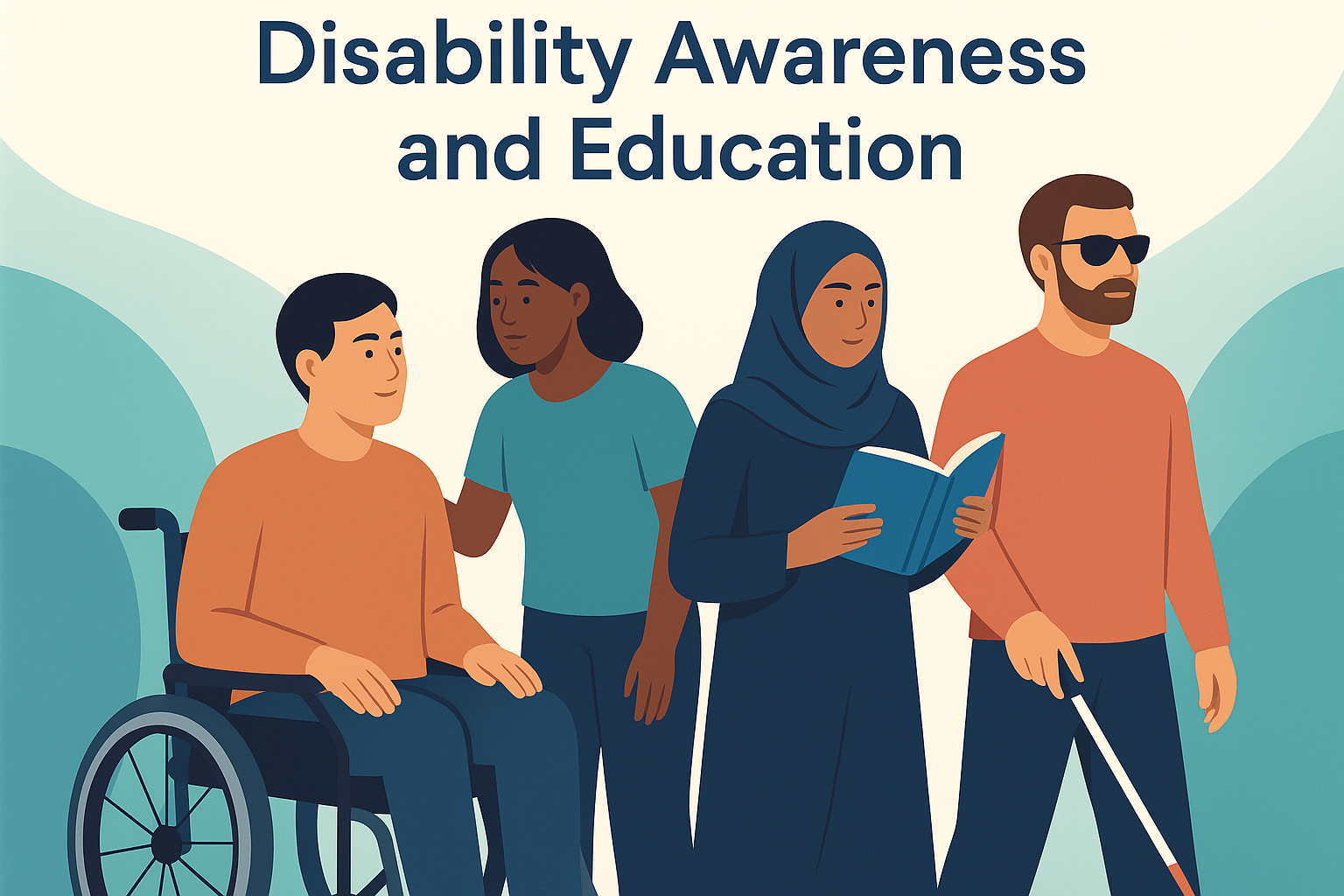
Educational institutions have a significant role in promoting disability awareness. Integrating inclusive education policies, as seen in Finland’s education system, ensures that students with disabilities receive the same quality of education as their peers. These inclusive practices facilitate social integration and help reduce stereotypes from a young age.
Moreover, public awareness campaigns in educational settings often focus on training teachers and staff to better support students with disabilities. This approach not only empowers educators but also encourages an environment of acceptance and understanding among students.
Incorporating simulations and interactive sessions in schools for disability awareness campaigns can further demystify disabilities for students. By providing firsthand experiences in understanding the challenges faced by individuals with disabilities, these initiatives foster empathy and inclusiveness.
Community-Level Campaigns and Grassroots Movements
Community-level campaigns are crucial for reaching individuals directly impacted by disabilities. Grassroots movements such as the “Nothing About Us Without Us” campaign highlight the importance of involving individuals with disabilities in the decision-making processes that affect them.
These movements emphasize the concept of self-advocacy, encouraging individuals with disabilities to voice their needs and participate in community building. This approach helps empower individuals while also educating others on the nuances of inclusivity.
By organizing local events, workshops, and meetings, grassroots movements can adapt strategies to better fit the specific needs of a community. This customization ensures that campaigns resonate more profoundly and create lasting change.
Conclusion and Call to Action
Public awareness campaigns on disability are vital in fostering a more inclusive and equitable world. From governmental initiatives and NGO efforts to grassroots movements, each plays a critical role in promoting understanding and advocacy for individuals with disabilities. These campaigns help challenge societal perceptions, push for policy changes, and ultimately, cultivate a culture of inclusivity.
As awareness continues to grow, the opportunity to make impactful changes increases. By engaging with these campaigns, individuals can contribute to a society that values diversity and inclusivity. The reader should consider supporting local or global disability awareness initiatives, advocating for policy changes, or simply educating themselves further on the topic.
Whether through advocacy, education, or community engagement, each step taken toward raising awareness and fostering inclusion matters. In an interconnected world, where inclusivity is becoming a defining principle, understanding and supporting disability awareness can create a positive ripple effect, benefiting societies globally.
Frequently Asked Questions
1. What are public awareness campaigns on disability, and why are they important?
Public awareness campaigns on disability are organized efforts aimed at educating society about various types of disabilities, including physical, mental, intellectual, and sensory impairments. These campaigns are crucial for several reasons:
Firstly, they address misconceptions and stereotypes that people may have about disabilities, helping to dismantle the stigma often associated with them. By fostering a deeper understanding, these campaigns create a more inclusive environment where people with disabilities are recognized as valuable contributors to society.
Secondly, these campaigns play a vital role in advocating for equal rights and accessibility. They push for essential policy changes and promote the implementation of inclusive practices in all sectors, such as education, employment, and healthcare.
Lastly, these campaigns empower individuals with disabilities by amplifying their voices and experiences, encouraging a more supportive community that acknowledges their challenges and aspirations.
2. How do public awareness campaigns impact the way society perceives people with disabilities?
Public awareness campaigns significantly influence societal perceptions by shifting the narrative around disabilities. They introduce people to the beauty of diversity and emphasize the abilities rather than just the disabilities of individuals. This reformation helps break down barriers of prejudice and promotes empathy and understanding.
By highlighting real-life stories and positive representation of people with disabilities, these campaigns humanize the challenges they face, making it easier for society to relate and respond compassionately. They challenge ingrained biases by presenting disabilities in a normalized and relatable context, thus reducing fear and fostering acceptance.
Moreover, the visual and emotional impact of these campaigns often resonates on a personal level, inspiring individuals to advocate for inclusion and accessibility in their communities.
3. Which organizations and entities are typically involved in launching these campaigns?
Several organizations and entities participate in launching public awareness campaigns on disability. They range from grassroots organizations to international bodies, each playing a pivotal role:
Non-governmental organizations (NGOs) that specialize in disability rights and advocacy are often at the forefront, utilizing their expertise and networks to drive impactful campaigns.
Governments at various levels may initiate campaigns to fulfill policy mandates or address specific issues related to disabilities in their jurisdictions. They often collaborate with other stakeholders to reach a wider audience.
International organizations, such as the United Nations and the World Health Organization, offer frameworks and resources to support global efforts in disability awareness.
Corporations are also increasingly involved, recognizing the importance of corporate social responsibility in promoting inclusive practices and raising awareness. They might sponsor campaigns or incorporate disability awareness into their internal culture.
Educational institutions, healthcare providers, and media outlets are instrumental in disseminating information and reaching diverse demographics through education and outreach efforts.
4. Can you give examples of effective disability awareness campaigns from around the world?
There are numerous successful disability awareness campaigns that have made a significant impact globally:
In Australia, the “Don’t DIS my ABILITY” campaign focuses on celebrating the achievements of people with disabilities and promoting positive attitudes by sharing inspiring stories through various media platforms.
The “WeThe15” campaign, launched by the International Paralympic Committee, aims to represent the 15% of the world’s population who have disabilities. It seeks to break down societal barriers and fight discrimination by creating awareness through sport and advocacy.
“ADAPT’s Disability Power & Pride” in the United States is another powerful initiative, using history and cultural pride to empower individuals with disabilities and encourage public acknowledgment of their rights and contributions.
In the UK, the “Change the Script” initiative is part of Scope’s broader work to shift public perception and terminology usage around disabilities, focusing on changing narratives and encouraging inclusive language.
5. How can individuals contribute to raising awareness and advocating for disability inclusion?
Individuals can play a significant role in raising awareness and advocating for disability inclusion in various ways:
Education and self-awareness are the first steps. By educating themselves about different types of disabilities and the challenges faced by people with disabilities, individuals can become informed allies. Social media platforms offer an opportunity to share knowledge and promote campaigns, amplifying their reach and engagement.
Volunteering for local disability organizations or participating in community events can make a tangible impact by directly supporting advocacy efforts and raising awareness at the grassroots level.
Advocating for policy changes within one’s community or workplace, such as pushing for improved accessibility or inclusive hiring practices, helps implement systemic changes that benefit individuals with disabilities.
Finally, using inclusive language and challenging discriminatory behavior in daily interactions helps cultivate a culture of respect and acceptance, influencing others to adopt similar behaviors.