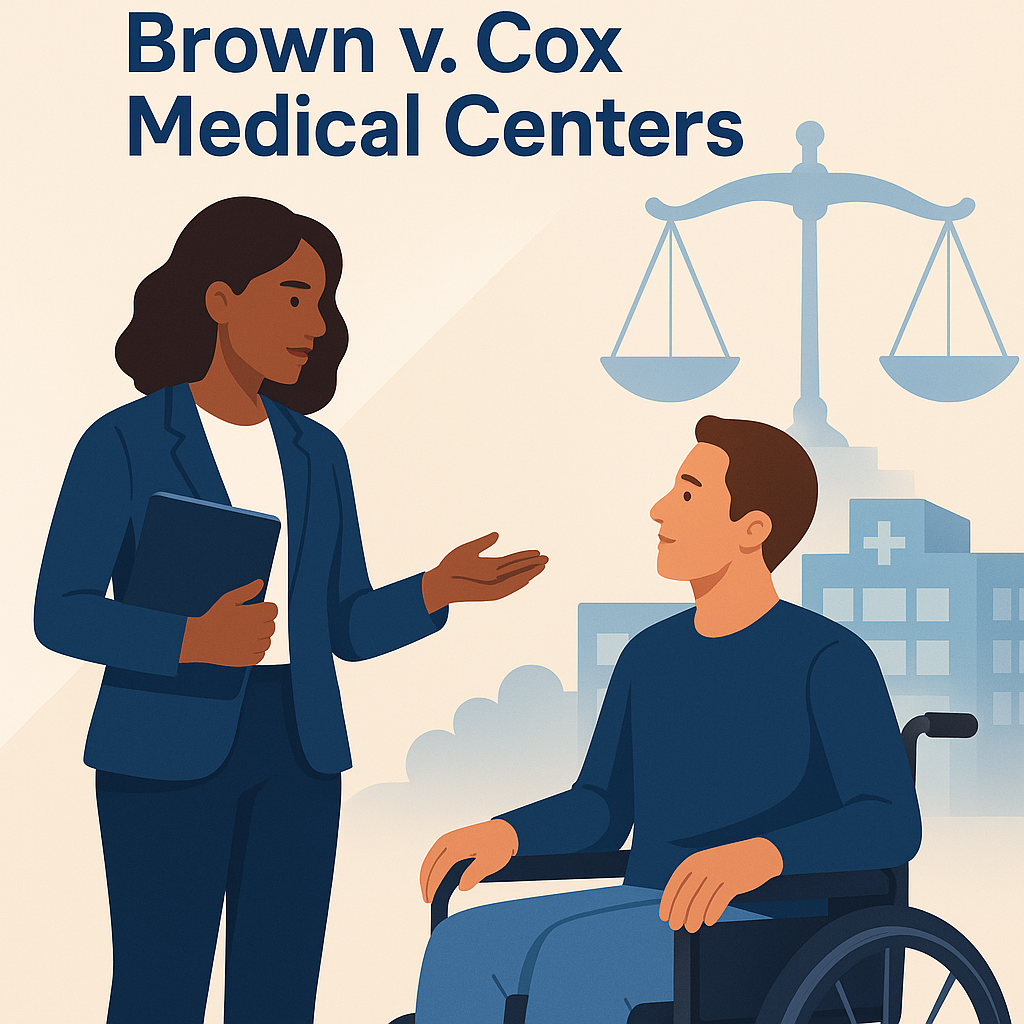
In the annals of sports law, few cases have been as significant as PGA Tour, Inc. v. Martin. This landmark 2001 Supreme Court decision redefined the boundaries of disability rights within the arena of professional sports, setting a precedent that resonates to this day.
Case Background
Casey Martin, a professional golfer afflicted with Klippel-Trenaunay-Weber Syndrome, a degenerative circulatory disorder, found himself at the heart of this case. His condition severely impeded his ability to walk the lengths of a golf course, a fundamental requirement in the tournaments organized by PGA Tour, Inc. The crux of the controversy was PGA’s strict “no-cart” rule, mandating that players must walk the course. Martin, given his disability, requested the use of a golf cart—a request that PGA Tour, Inc. denied, citing the integrity and tradition of the sport.
The Legal Battle
Martin’s legal challenge invoked Title III of the Americans with Disabilities Act (ADA), arguing that PGA Tour, Inc., as a public accommodation, should make reasonable modifications for his disability. The District Court agreed with Martin, compelling the PGA to accommodate him. The PGA appealed, but the Ninth Circuit Court upheld the decision. The case ultimately reached the Supreme Court.
Supreme Court’s Decision
The Supreme Court, in a 7-2 decision, sided with Martin. The Court held that Title III of the ADA applied to PGA Tour, Inc., affirming that entities like the PGA cannot discriminate against individuals with disabilities in the full and equal enjoyment of their facilities and services. Crucially, the Court found that allowing Martin to use a cart did not “fundamentally alter the nature” of the tournaments. It was a clear statement that the essence of golf and its tournaments was not compromised by accommodating a disability.
Implications and Significance
The ruling in PGA Tour, Inc. v. Martin was monumental for several reasons. Firstly, it reinforced the applicability of ADA to the realm of professional sports, affirming that sports organizations must consider reasonable accommodations for athletes with disabilities. Secondly, it clarified that such accommodations, when not fundamentally altering the nature of the sport, are not only permissible but necessary under the law.
The case underscored the importance of an individualized approach to assessing accommodations in sports. It demonstrated that the principles of fair competition and the integrity of sports can coexist with the mandates of disability law. Importantly, the decision extended the ADA’s reach, ensuring that professional sports are accessible and inclusive.
PGA Tour, Inc. v. Martin stands as a pivotal moment in the intersection of sports, law, and disability rights. It exemplifies how legal interpretations can evolve to embrace inclusivity in areas traditionally resistant to change. As sports continue to be a significant part of societal and cultural dynamics, this case remains a touchstone for discussions about equity, accessibility, and the spirit of competition.

Legal Nuances and Broader Impact
PGA Tour, Inc. v. Martin was not just about a golf cart. It revolved around interpreting the ADA’s reach into professional sports—a domain where physical prowess is central. The ruling navigated between the need for competitive fairness and the imperative of inclusivity. The Supreme Court’s decision illuminated how disability laws could be applied to professional sports without undermining the essence of the sport or competition.
Post-Case Developments
In the aftermath of the decision, the sports world witnessed a gradual shift towards inclusivity. Other sports entities began examining their policies to ensure compliance with the ADA. This case served as a benchmark, demonstrating that reasonable accommodations could be made without diluting the competitive nature of sports.
The PGA Tour, Inc. v. Martin decision also stimulated discussions beyond the realm of sports, influencing corporate policies and public attitudes towards disability rights. It emphasized the necessity of viewing each request for accommodation on its own merits, advocating a personalized approach to disability accommodation.
Criticism and Dissent
Notably, the decision was not without criticism. Some argued that the Court’s ruling might open the floodgates for numerous similar claims, potentially disrupting the uniformity of rules in professional sports. Justice Scalia’s dissent voiced concerns about the Court overreaching into areas traditionally governed by private associations’ rules.
Despite these concerns, the majority opinion prevailed, emphasizing that ADA’s requirement of reasonable accommodation was a justifiable and necessary intervention in professional sports, where physical challenges are central.
Legacy and Continuing Relevance
Today, PGA Tour, Inc. v. Martin is remembered as a case that challenged conventional views on disability and sports. It continues to inspire athletes with disabilities, affirming their right to compete on an equal footing, provided their participation does not fundamentally change the nature of the sport.
This case remains a cornerstone in sports law, exemplifying how legal frameworks can adapt to promote inclusivity and fairness. It underscores the evolving nature of sports, where tradition and competitive integrity can harmoniously coexist with progressive social values.
Conclusion
PGA Tour, Inc. v. Martin stands as a testament to the enduring power of law to drive social change, particularly in arenas as influential as professional sports. It affirms that access to sports, much like other public spheres, should not be impeded by disability when reasonable accommodations can be made. This decision remains a vital reference point in the ongoing discourse about equality, accessibility, and diversity in sports and beyond.
References
- Supreme Court Center, Justia. “PGA Tour, Inc. v. Martin, 532 U.S. 661 (2001).” Justia US Supreme Court Center.
- Wikipedia. “PGA Tour, Inc. v. Martin.” Wikipedia.
- Tulane Law Review. “PGA Tour, Inc. v. Martin: Leveling the Playing Field for Disabled Athletes Under the Americans with Disabilities Act.” Tulane Law Review.
Frequently Asked Questions
1. What was the significance of the PGA Tour v. Martin case in the context of sports law?
The case of PGA Tour, Inc. v. Martin holds a pivotal place in sports law as it marked a seminal moment in the application of the Americans with Disabilities Act (ADA) to professional sports. Decided by the Supreme Court in 2001, the case involved Casey Martin, a talented golfer who sought the right to use a golf cart during PGA tournaments due to his severe disability, Klippel-Trenaunay-Weber Syndrome. This syndrome severely impacted his ability to walk the courses, which in turn affected his ability to compete on an equal footing with other players. The ruling was groundbreaking because it concluded that the use of a golf cart was a “reasonable accommodation” under the ADA and did not fundamentally alter the nature of the tournaments. This decision set a legal precedent that defined the responsibilities of sports organizations towards athletes with disabilities, ensuring they are provided with equal opportunity to compete professionally. The case affirmed the ADA’s reach in leveling the playing field for disabled athletes across various sports.
2. How did Casey Martin’s health condition impact his participation in professional golf before the case?
Casey Martin’s battle with Klippel-Trenaunay-Weber Syndrome, which is a rare and painful circulatory disorder, significantly impacted his ability to walk. Prior to the lawsuit, his condition made walking the extensive courses of professional golf tournaments not just difficult but excruciating and physically limiting. Martin’s illness impeded his mobility to such an extent that it became a major barrier to his successful participation in PGA Tour events, where walking the golf course is a rule. The condition left him continually fatigued, impaired his stamina, and posed serious risks to his health if he attempted to compete without the use of a golf cart. His request for a reasonable accommodation in the form of a golf cart was initially challenged by the PGA, as they argued it gave him an unfair advantage over competitors who were required to walk. The Supreme Court’s ruling ensured that Martin could continue competing at the highest level without being disadvantaged by his disability.
3. What role did the Americans with Disabilities Act (ADA) play in the Supreme Court’s decision?
The ADA played a crucial role in the Supreme Court’s decision in the PGA Tour v. Martin case, serving as the foundational legal framework. Enacted in 1990, the ADA was designed to prevent discrimination against individuals with disabilities in several areas, including employment, transportation, public accommodations, communications, and access to state and local government programs and services. In Martin’s case, the central legal question was whether the PGA Tour, as a private entity operating events open to the public, was subject to the ADA’s requirements. The Court ruled that the PGA Tour fell under the category of “public accommodations,” thus bound by the ADA’s stipulations. The Court determined that allowing Martin to use a golf cart was a reasonable modification that did not fundamentally change the nature of the competition. This interpretation highlighted the ADA’s powerful role in ensuring equal access and participation opportunities for disabled individuals in professional sports, setting a legal benchmark that continues to influence ADA-related discussions in athletics today.
4. How did the PGA Tour respond to the ruling, and what were the broader implications for sports organizations?
The PGA Tour initially opposed Casey Martin’s request to use a golf cart, arguing that it would provide him an unjust advantage and undermine the spirit of the game. However, after the Supreme Court’s ruling, the PGA Tour complied and allowed Martin to compete using a cart. The decision forced the PGA, as well as other sports organizations, to reevaluate their policies regarding athletes with disabilities. The ruling underscored the legal obligation for organizations to make reasonable accommodations and foster inclusivity within sports. This case opened the door for greater awareness and sensitivity to the differences and needs of athletes with disabilities. Furthermore, it set a precedent encouraging other sports entities to update their rules, ensuring they do not discriminate against athletes with disabilities, promoting a culture of fairness and equality across all levels of competitive sports.
5. What impacts did the precedent set by PGA Tour v. Martin have on other sports and legal cases?
The precedent established by the PGA Tour v. Martin case has had widespread ramifications across both the sports world and legal landscapes. It cemented the interpretation of the ADA within various sports, influencing how disability rights are integrated into professional and amateur athletic competitions. Beyond golf, the ruling has empowered athletes facing discrimination due to disabilities in sports ranging from running and swimming to even e-sports and adaptive physical activities. It has encouraged legal advocacy groups and individuals to challenge exclusionary practices and demand reasonable accommodations within sports. Legally, the case serves as a cornerstone reference for ADA litigation, illustrating the judiciary’s commitment to enforcing non-discriminatory practices and stressing the importance of accessibility. This decision continues to inspire broader societal changes, advancing the dialogue around inclusivity and equality within and beyond the realm of sports.