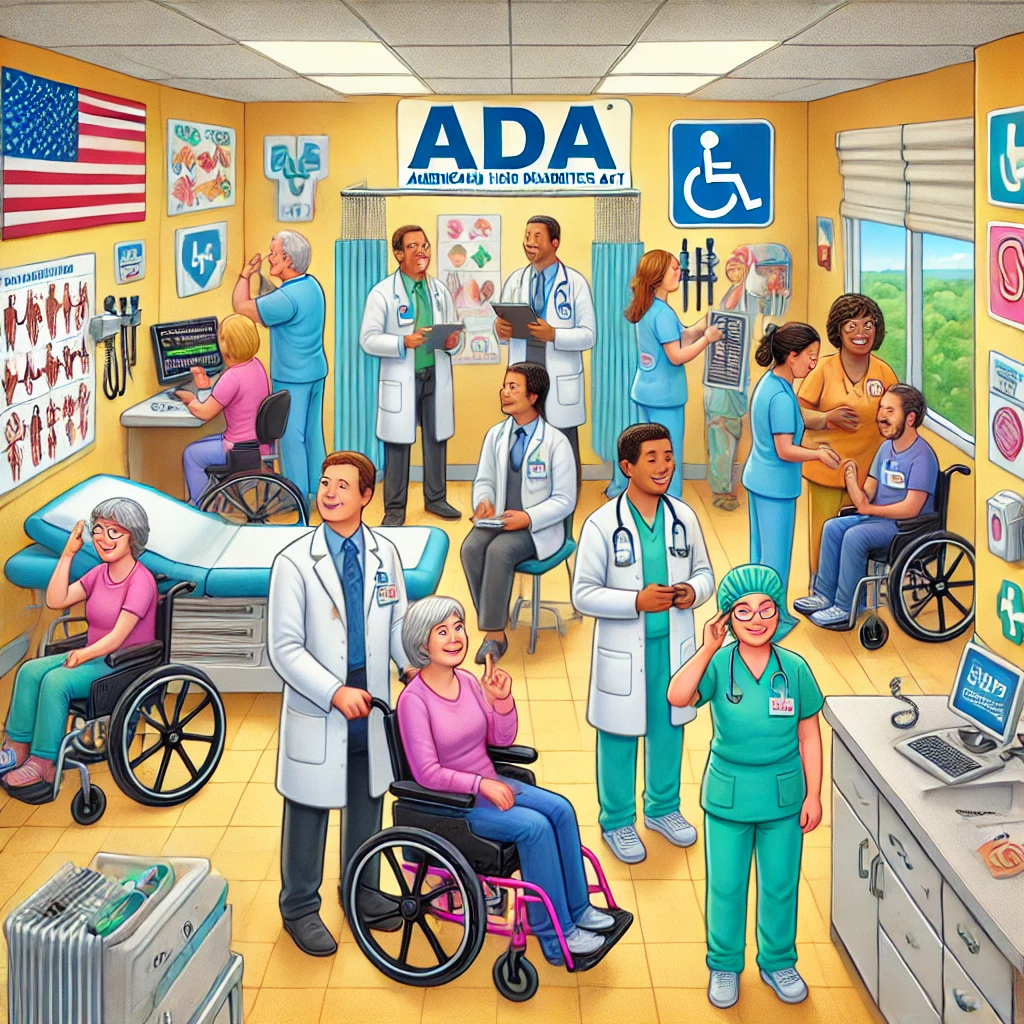
The Americans with Disabilities Act (ADA) is a landmark civil rights law aimed at prohibiting discrimination based on disability. Enacted in 1990, the ADA was designed to ensure that people with disabilities have the same rights and opportunities as everyone else. It addresses a wide variety of areas including employment, public accommodations, transportation, and communications. Despite its significance and comprehensive scope, the ADA is often surrounded by misconceptions and misunderstandings. These myths can perpetuate stigma and even hinder the full and effective implementation of the law. In this article, we will separate myths from facts to offer a clearer understanding of the ADA, highlighting its true intent and ensuring that everyone can enjoy its protections and benefits.
One key aspect of the ADA is that it applies to a wide array of settings and aims to ensure accessibility in various parts of daily life. This includes making sure that buildings are accessible, that public transport can be used by everyone, and that businesses do not discriminate against employees or patrons with disabilities. Whether you own a business, work in HR, or simply want to understand your rights under the ADA, separating the myths from the facts is crucial for creating a more inclusive and equitable society.
Myth 1: The ADA Only Applies to Physical Disabilities
A common misconception is that the ADA only benefits individuals with physical disabilities, such as those who use wheelchairs or have mobility issues. In reality, the ADA covers a wide range of disabilities, including both visible and invisible conditions. These can include sensory disabilities like blindness and deafness, mental health conditions like depression and anxiety, intellectual and developmental disabilities, and chronic illnesses like diabetes and epilepsy.
The ADA’s definition of disability is intentionally broad. According to the Act, a person is considered to have a disability if they have a physical or mental impairment that substantially limits one or more major life activities. This definition was further clarified and expanded with the ADA Amendments Act of 2008 to ensure a wide array of conditions are included. This means that even conditions that may not be immediately apparent to others, such as learning disabilities or mental health issues, are covered under the ADA, ensuring comprehensive protection against discrimination.
Myth 2: The ADA Forces Employers to Hire Unqualified People
Another myth surrounding the ADA is that it forces employers to hire individuals who are not qualified for their roles simply because they have a disability. This is not true. The ADA specifically states that individuals must be qualified for the job they are seeking or performing. This means they must meet the necessary skill, experience, education, and other job-related requirements of the position.
Furthermore, the ADA emphasizes the concept of “reasonable accommodation.” This involves making adjustments or modifications that enable a person with a disability to have an equal opportunity to apply for a job, perform a job’s essential functions, or enjoy the benefits and privileges of employment. These accommodations should not cause undue hardship, which is defined as an action requiring significant difficulty or expense relative to the employer’s size, resources, and the nature of the operation. Thus, the ADA balances the rights of employees with disabilities and the operational needs of businesses.
Myth 3: ADA Compliance is Too Expensive for Small Businesses
A prevalent myth is that complying with the ADA is prohibitively expensive for small businesses. While it is true that some modifications might have initial costs, many businesses find that the expense is manageable and often less than anticipated. In fact, the ADA includes provisions that allow for tax incentives to help lower the cost of compliance.
The Internal Revenue Service (IRS) offers various tax credits and deductions to businesses removing barriers for people with disabilities or providing accessibility equipment. For example, the Disabled Access Credit allows small businesses to take a credit for expenditures incurred to provide access to persons with disabilities. Additionally, there are tax deductions available for architectural and transportation barrier removal to help businesses comply with the ADA. These financial incentives can substantially ease the burden of compliance, ensuring that businesses of all sizes can meet their obligations under the law.
Myth 4: Public Accommodations Are Only Necessary for New Buildings
Some believe that only new buildings need to comply with the ADA’s accessibility requirements, but this is not the case. The ADA applies to existing facilities as well and requires businesses to remove barriers in existing buildings where it is readily achievable to do so. Readily achievable means easily accomplishable and able to be carried out without much difficulty or expense.
This requirement applies to a wide range of establishments, including restaurants, hotels, retail stores, and more. The focus is on making the primary function areas of these businesses accessible. For example, a restaurant might need to provide a ramp to ensure the entrance is accessible or rearrange tables to provide enough space for a wheelchair. These changes can often be made without enormous costs and significantly improve accessibility for all patrons. It’s essential to understand that the goal of the ADA is not to impose undue burdens but to enhance inclusivity and access.
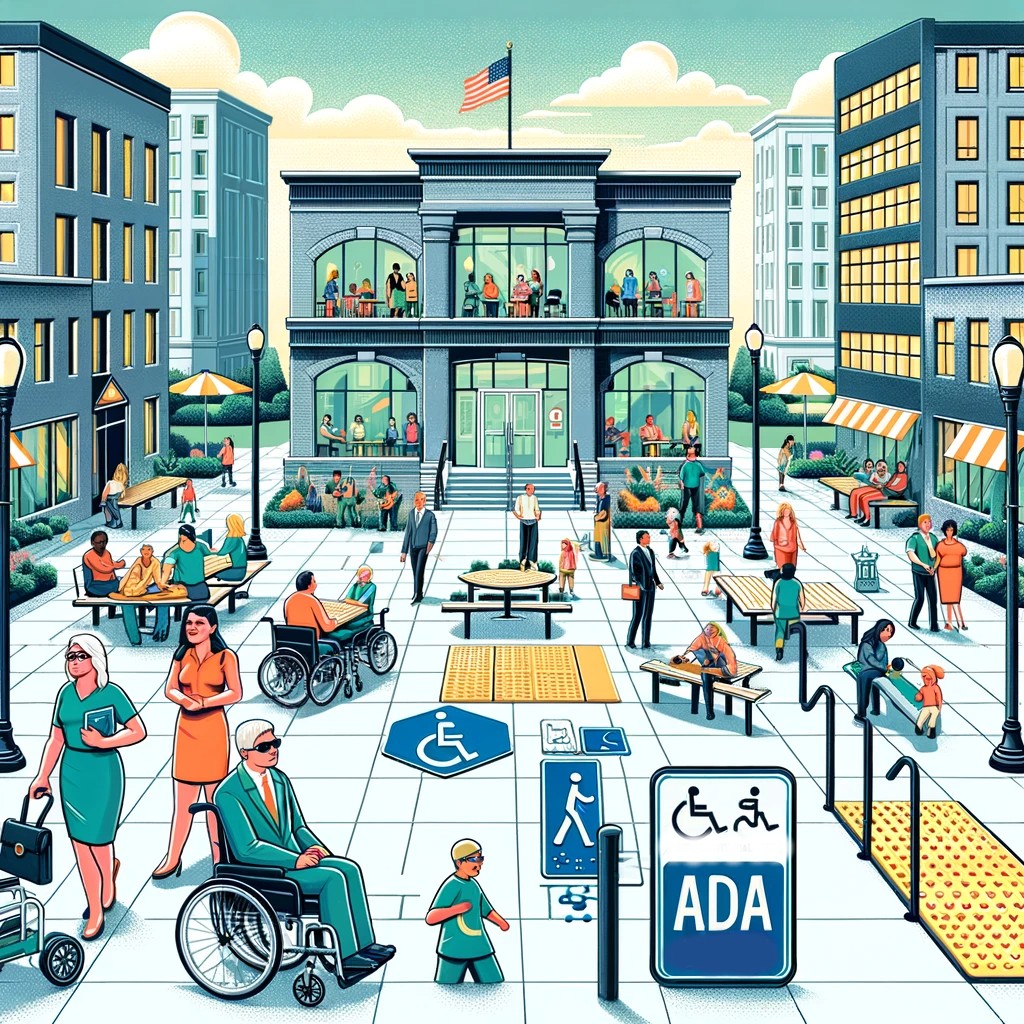
Folks Just File ADA Claims to Get Money
Another myth is the idea that people with disabilities primarily file ADA claims or lawsuits to get financial compensation. While it is true that individuals can bring lawsuits when they believe their rights under the ADA have been violated, the primary aim of these actions is often to secure compliance and ensure accessibility rather than obtaining monetary rewards.
In fact, the ADA does not allow for punitive or compensatory damages in private lawsuits filed under Title III, which deals with public accommodations. The primary remedies are injunctive relief (meaning the business must change its practices to comply with the law), and attorneys’ fees. This framework is designed to encourage businesses to voluntarily comply with the law and make necessary changes to benefit people with disabilities. Therefore, the idea that ADA claims are simply a path to “easy money” is a widespread misconception that undermines the rights and struggles of individuals seeking equal access and opportunity.
Conclusion
The ADA is a critical piece of legislation aimed at creating a more inclusive and equitable society. However, the prevalence of myths and misconceptions can significantly undermine its effectiveness. Understanding the facts about the ADA is essential for both individuals and businesses to ensure that its protections and benefits are fully realized.
Whether it is recognizing that the ADA covers a broad range of disabilities, understanding the concept of reasonable accommodation, knowing that compliance is financially feasible for small businesses, or realizing that accessibility requirements also apply to existing buildings, debunking these myths helps create a more informed and inclusive community. By facilitating a clearer understanding of the ADA, we can work toward an environment where everyone, regardless of their abilities, has equal opportunities to participate fully in all aspects of life.
Frequently Asked Questions
1. Is the ADA only applicable to physical disabilities?
There is a common misconception that the Americans with Disabilities Act (ADA) only covers physical disabilities, but this is not the case. The ADA’s comprehensive protections extend to a wide range of disabilities, including physical, mental, and emotional disabilities. This means that conditions such as vision and hearing impairments, mental health disorders, intellectual disabilities, and chronic illnesses are also covered under the ADA. The law recognizes the diverse nature of disabilities and aims to provide equal rights and opportunities across various domains, regardless of the type of disability. It’s vital to understand that the ADA was crafted to be inclusive, addressing the needs of all individuals with disabilities.
2. Does the ADA only apply to large businesses?
Another myth about the ADA is that it only applies to large businesses with many employees. In reality, the ADA requires all businesses, regardless of size, to avoid discrimination against individuals with disabilities in employment practices. However, the specific obligations under the ADA may vary depending on the size and nature of the business. For instance, Title I of the ADA, which focuses on employment, applies to employers with 15 or more employees. This does not mean smaller businesses are exempt from treating employees fairly and equitably; they are still ethically and often legally obliged to avoid discriminatory practices. Furthermore, public accommodations, regardless of their size, are required to adhere to ADA standards to ensure accessibility and inclusivity in their services and facilities.
3. Are historic buildings exempt from the ADA’s accessibility requirements?
Many assume that historic buildings are exempt from ADA compliance due to their old structures and potential preservation concerns. However, this is a myth. While it is true that modifying historic buildings to meet ADA standards can be challenging, the ADA mandates that these buildings still make efforts to improve accessibility. These efforts should be in a manner that maintains the historical significance of the building while ensuring access to individuals with disabilities. The Department of Justice provides guidelines on accommodating accessibility needs in historic buildings, helping owners to balance preservation with ADA compliance. Alternate measures may be acceptable if full compliance would alter the building’s historic character or pose a significant financial burden, but full exemptions are rare and highly scrutinized.
4. Can only individuals who directly experience discrimination file complaints under the ADA?
While one might think that only individuals who have directly faced discrimination can file complaints under the ADA, the law is more flexible than that. The ADA allows not only the individuals who face discrimination but also those who are associated with them to seek legal recourse. For example, if a family member or companion is affected due to the discrimination experienced by someone with a disability, they may also be able to file a complaint. Additionally, the ADA’s provisions allow for third parties, such as advocacy organizations, to sometimes act on behalf of individuals with disabilities to ensure compliance and address issues of accessibility and discrimination. This broad scope is designed to make the protection of rights more comprehensive and enforceable.
5. Does compliance with the ADA mean a business is shielded from all lawsuits related to disability discrimination?
Even if a business believes it is fully compliant with the ADA’s standards and regulations, this doesn’t mean it is completely protected from litigation related to disability discrimination. Complaints or lawsuits can still arise from individuals with disabilities who believe they have experienced discrimination or who find the accommodations insufficient or inaccessible. Compliance with the ADA is meant to minimize discriminatory practices and promote accessibility, but disagreements can still occur regarding how the law should be implemented in specific situations. Additionally, case law and interpretations of the ADA can evolve, meaning that compliance may require ongoing updates and changes. It is always beneficial for businesses to seek legal counsel and engage disability experts to ensure continued compliance and proactively address any potential grievances before they become legal issues.