
The Americans with Disabilities Act (ADA), signed into law on July 26, 1990, represents a watershed moment in the long journey towards equality and accessibility for people with disabilities. This landmark legislation prohibits discrimination and ensures equal opportunity for individuals with disabilities in public accommodations, employment, transportation, state and local government services, and telecommunications. Conceived during a time when societal barriers heavily restricted the lives of people with disabilities, the ADA marked a significant step towards creating a more inclusive and equal society. This article aims to provide an overview of the ADA, the difference it has made since its inception, and how it continues to empower millions of Americans today.
Over the decades, the ADA has drastically changed the landscape of American society. Not only has it provided legal protections, but it has also raised awareness of the challenges faced by individuals with disabilities and fostered a culture of inclusivity and acceptance. The law has enabled millions of Americans to pursue their educational, professional, and personal goals with fewer obstacles. Simultaneously, it has encouraged organizations and institutions to become more inclusive, not merely fulfilling a legal obligation but recognizing the value and richness that diversity brings.
As we delve into the ADA’s different facets, we will see how this monumental legislation has transformed specific areas of daily life, such as employment, transportation, public accommodations, and communication. Every section of the Act serves a particular purpose, and together, they create a robust framework that signifies the United States’ commitment to equality and human rights.
Employment Accessibility and Rights
The employment provisions of the ADA, found in Title I, are designed to ensure that people with disabilities have the same job opportunities and benefits available to individuals without disabilities. Employers with 15 or more employees must provide qualified individuals with disabilities an equal opportunity to benefit from the full range of employment opportunities available to others. This includes recruitment, hiring, training, promotions, and work accommodations.
Reasonable accommodations might include making the workplace accessible (e.g., installing ramps or modifying workstations), adjusting work schedules, reassignment to a vacant position, acquiring or modifying equipment, and providing qualified readers or interpreters. The key here is that these accommodations should not impose an undue hardship on the operation of the business, considering the nature and cost of the accommodations relative to the size, resources, and structure of the employer.
Importantly, the ADA protects employees and job applicants with disabilities from discrimination based not only on their disabilities but also on their association with someone with a disability. This anti-discrimination stance covers all aspects of employment, ensuring a fair and equal work environment. Employers are also forbidden from asking questions about an applicant’s disability before making a job offer, although they can ask about the ability to perform specific job functions.
Transportation and Mobility
Transportation is a critical element in the lives of individuals with disabilities, affecting their access to employment, education, healthcare, and recreation. Title II of the ADA addresses this by requiring public transportation systems to be accessible to persons with disabilities. This includes rail transit systems, buses, and other public transportation services operated by state and local governments. The goal is to ensure that people with disabilities can travel independently and with minimal restrictions, promoting a higher degree of participation in everyday activities.
Transit authorities must provide comparable paratransit services to individuals who cannot use fixed-route bus services due to their disabilities. Paratransit services are typically shared-ride, door-to-door services, offering a vital lifeline to those who depend on public transportation for their daily commute. Accessibility features such as wheelchair lifts, designated seating areas, audio-visual aids, and priority seating are mandated to ensure that transportation systems are usable by all.
Moreover, Title III of the ADA extends accessibility requirements to private entities that provide public transportation. These provisions ensure that taxis, buses, and shuttle services are accessible, contributing to a more inclusive transportation network.
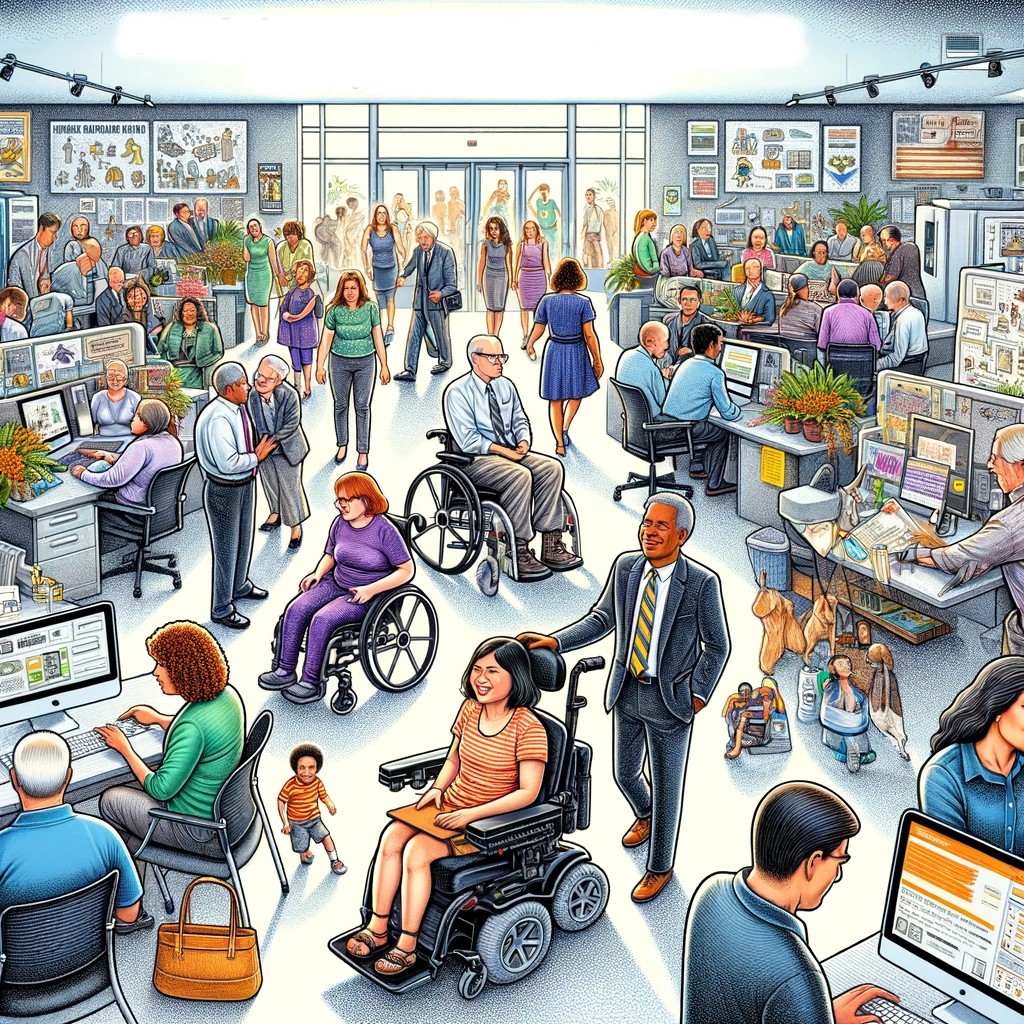
Public Accommodations and Facilities
Title III of the ADA focuses on public accommodations and commercial facilities, requiring them to be accessible to and usable by individuals with disabilities. Public accommodations include a wide range of facilities such as restaurants, hotels, theaters, retail stores, private schools, daycare centers, and fitness clubs. It also applies to commercial facilities such as office buildings, factories, and warehouses.
To comply with Title III, newly constructed facilities and existing buildings undergoing significant renovation must adhere to the ADA Standards for Accessible Design. These standards cover various aspects of accessibility, including entrances, restrooms, seating, and paths of travel within buildings. This means facilities must provide features like ramps, accessible parking spaces, appropriate signage, and more to remove barriers and ensure equal access.
In addition to physical access, public accommodations must ensure that communication with individuals with disabilities is as effective as communication with others. This may entail providing auxiliary aids and services such as sign language interpreters, assistive listening systems, or written materials. Here, the emphasis is not only on removing physical barriers but also on overcoming communication barriers, ensuring holistic accessibility.
Telecommunications and the Digital World
Title IV of the ADA addresses telecommunications and mandates that telephone and internet providers facilitate communication for individuals with hearing and speech disabilities. This is achieved through the provision of relay services, which enable people who use text telephones (TTYs) or other communication devices to interact with individuals who use conventional phones. Relay services are now a critical component of telecommunications, ensuring that people with disabilities have comparable access to telecommunication systems.
The advent of digital technology has broadened the scope of this Title significantly. The internet, as a vital medium for communication, work, education, and entertainment, must also be accessible to ensure inclusivity. The Web Content Accessibility Guidelines (WCAG) provide a framework to help organizations make their web content accessible to people with disabilities. These guidelines cover a range of recommendations including text alternatives for non-text content, keyboard accessibility, and adaptable content that can be easily perceived and operated by different users.
Efforts are continuously being made to update and expand these guidelines as technology and digital interactions evolve. The impact of Title IV reaches beyond traditional telecommunications, making the online world more inclusive for millions of individuals, thereby removing another significant barrier to equality.
Education and Learning Environments
Educational opportunities are an integral part of personal and professional development. The ADA, along with the Rehabilitation Act of 1973 (specifically Section 504), ensures that students with disabilities have equal access to educational programs and activities. These regulations apply to public and private schools, colleges, and universities, mandating that educational institutions provide reasonable modifications to accommodate students with disabilities.
Reasonable modifications in an educational setting might involve providing accessible classrooms, online learning tools, specialized instructional materials, and support services such as interpreters or note-takers. The emphasis is on creating an inclusive learning environment where students with disabilities can participate fully and equally in educational activities.
Higher education institutions, in particular, are required to remove barriers and provide accommodations that allow students with disabilities to pursue their academic goals. This includes not only physical accessibility but also ensuring that course materials, lectures, and online resources are accessible. The ADA’s provisions empower students with disabilities to pursue their education without discrimination, fostering a more inclusive educational landscape.
Conclusion
The Americans with Disabilities Act has been instrumental in transforming the lives of millions of Americans by breaking down barriers and fostering a more inclusive society. From employment rights to transportation accessibility, public accommodations, telecommunications, and education, the ADA covers various critical aspects of daily life. It has challenged and changed societal norms, ensuring that individuals with disabilities are no longer marginalized or excluded but are valued members of society with equal rights and opportunities.
Despite the significant progress made since the ADA was enacted, challenges remain. Continuous efforts are needed to ensure that the spirit of the ADA is fully realized and that barriers are continually identified and removed. Organizations, employers, policymakers, and the public must remain vigilant and committed to upholding the principles of the ADA, recognizing the inherent value in diversity and inclusion.
As society continues to evolve, the ADA serves as a powerful reminder of the importance of equality and the ongoing necessity to stand against discrimination. It empowers individuals with disabilities to lead fuller, more independent lives and enriches society by fostering a culture of understanding and respect. The ADA’s impact is a testament to the enduring pursuit of human rights and equality, advancing our collective journey towards a more just and inclusive world.
Frequently Asked Questions
1. What is the purpose of the Americans with Disabilities Act (ADA)?
The ADA was enacted with a groundbreaking mission: to dismantle barriers that have historically segregated individuals with disabilities. The main goal of this legislation is to ensure equal opportunities across various facets of daily life, such as employment, public accommodations, transportation, and more. By prohibiting discrimination, it empowers those with disabilities to participate fully in society and reinforces the idea that disability should never be a reason for exclusion.
Prior to the ADA, people with disabilities faced insurmountable obstacles that hindered their daily activities and professional endeavors. With the ADA, physical and societal barriers alike must be addressed, creating an environment where inclusion is not just encouraged but mandated. Therefore, the ADA is not only a legal requirement but a vehicle for societal change, fostering a culture of inclusivity and respect for diversity.
2. How does the ADA impact employment practices?
The ADA plays a crucial role in shaping a fair and inclusive work environment. It mandates that employers, with 15 or more employees, provide equal opportunities to qualified individuals with disabilities. This fundamentally changes the recruiting and hiring processes. Employers are expected to make reasonable accommodations, such as accessible workspaces or modified work schedules, unless these adjustments would cause undue hardship.
Moreover, the law restricts any sort of discrimination in aspects such as job application processes, hiring, promotion, discharge, compensation, training, and other employment terms. Therefore, the ADA enhances the potential for skilled workers with disabilities to contribute effectively without being sidelined due to their disabilities. By encouraging inclusive work policies, it not only benefits employees but also enriches business operations.
3. What are some examples of “reasonable accommodations” as specified by the ADA?
The concept of “reasonable accommodations” is at the heart of the ADA, aiming to remove obstacles faced by individuals with disabilities in various settings, particularly in the workplace. Examples of such accommodations include altering workstations to make them wheelchair-accessible, providing sign language interpreters, adapting exams and training materials, modifying work schedules, and allowing service animals in the workplace.
Additionally, reasonable accommodations might also encompass technological support like screen readers or voice-recognition software. The primary objective is to adjust the work environment so that employees with disabilities can perform their jobs effectively, thereby unleashing their potential and ensuring that their disabilities do not interfere with their professional contributions. Overall, these accommodations encourage a more productive and inclusive work environment.
4. How does the ADA improve access to public services and facilities?
The ADA revolutionizes access to public services and facilities by stipulating that they must be accessible to individuals with disabilities. This includes everything from public transportation systems to government buildings, ensuring that everyone can participate in civic life without hindrance. Public entities are required to meticulously plan and implement strategies that make their services accessible, including modifying buildings, providing the necessary supportive infrastructure, and employing assistive technology.
Moreover, public accommodations like restaurants, hotels, and theaters are mandated to remove barriers wherever practical. The goal is to make sure that the physical environment does not restrict an individual’s ability to access goods and services. By implementing these requirements, the ADA fosters an inclusive society where people with disabilities can engage in public life and access essential services just like everyone else.
5. How does the ADA influence telecommunications for people with disabilities?
One of the significant areas addressed by the ADA is telecommunications, which is crucial for social inclusion and economic participation. The ADA stipulates that telecommunications companies must provide a nationwide system of interstate and intrastate telecommunications relay services (TRS) that allows individuals with hearing or speech disabilities to communicate over the phone. This includes the use of text telephones (TTYs) and captioned telephones to ensure that people with hearing impairments can communicate effectively.
The telecommunication mandates of the ADA ensure equal access to communication channels and technologies that the general public uses. By doing so, the ADA helps bridge the digital divide, ensuring that advancements in communication technology enhance the lives of individuals with disabilities rather than exclude them. Therefore, the ADA fortifies the foundational communication rights of individuals, urging service providers to cater efficaciously to diverse needs.


