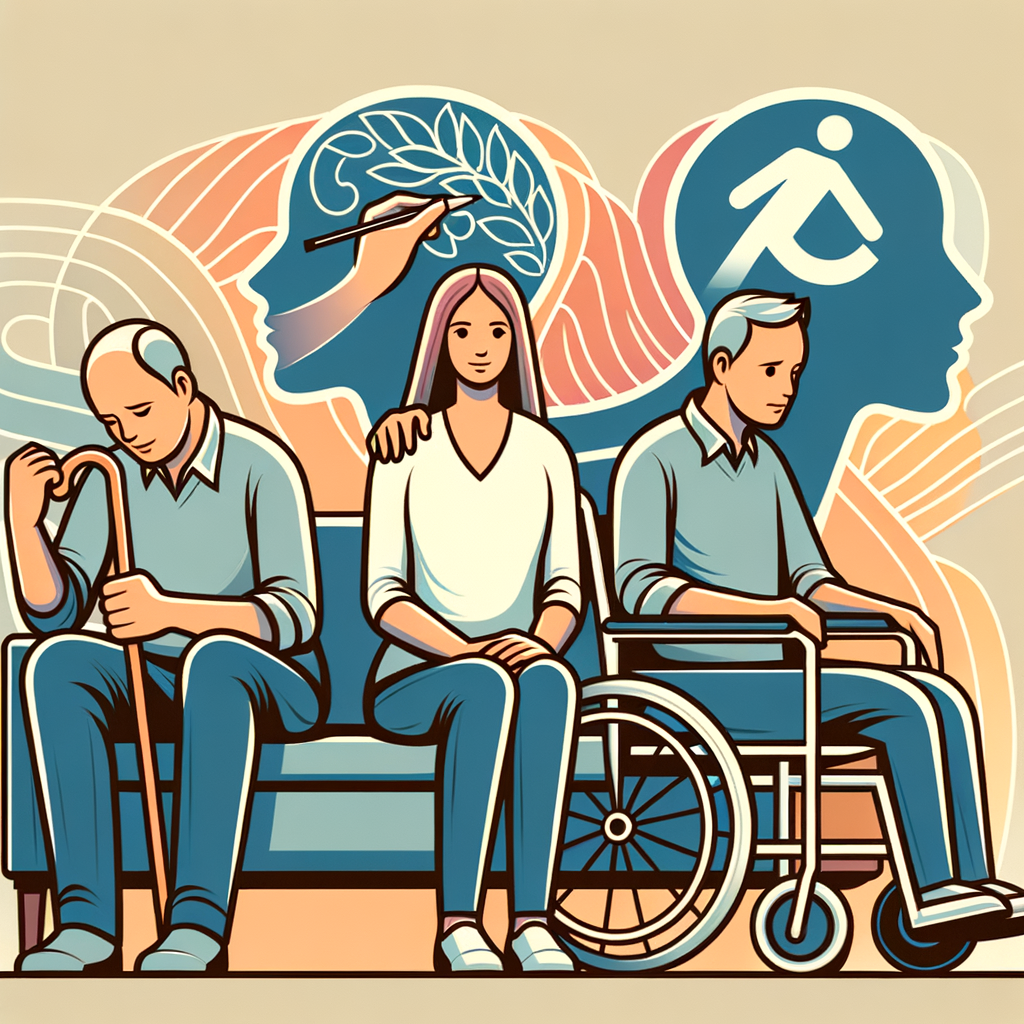
The Americans with Disabilities Act (ADA) was signed into law in 1990, marking a revolutionary step forward in securing the rights of individuals with disabilities in all areas of public life. The ADA’s reach is wide, encompassing employment, education, transportation, and public accommodations, among other areas. One of the less understood but equally critical areas of the ADA is its support for individuals with mental health and psychiatric disabilities, which impacts millions of individuals. Navigating the intricacies of ADA support can be a daunting task for those affected by mental health conditions, yet it is crucial for ensuring equal opportunities and fair treatment in workplaces and beyond. This article aims to provide an in-depth exploration of how to find and utilize ADA support for mental health and psychiatric disabilities, offering a comprehensive guide on understanding your rights, securing needed accommodations, and advocating effectively. Understanding ADA provisions is essential, not solely for those directly affected but also for employers, educators, and service providers who are responsible for providing a supportive environment. Recognizing ADA support’s relevance helps erase the stigma often associated with mental illnesses, and reinforces the principle that individuals with psychiatric disabilities deserve the same rights and opportunities as everyone else. Therefore, this piece will carve out a clear path through the legislation, application process, and the diverse resources available under the ADA, ensuring that each reader walks away feeling empowered and informed regarding mental health rights and accommodations.
Understanding the ADA and Mental Health Disabilities
The ADA describes a disability as a physical or mental impairment that considerably limits one or more of such individual’s major life activities. What remains less known is ADA’s protection extends equally to mental disabilities, including a wide range of psychiatric disorders such as depression, anxiety, bipolar disorder, schizophrenia, post-traumatic stress disorder (PTSD), and more. The ADA seeks to dismantle the barriers that prevent individuals with such disorders from enjoying full participation in society. Recognizing that mental health disorders can be episodic and vary in severity, the ADA ensures protections even when symptoms are not constantly apparent.
An essential aspect of ADA protection involves reasonable accommodations. These accommodations are modifications or adjustments to a job or work environment that enable a qualified individual with a disability to perform the essential duties of that position. This may include flexible working hours, restructured job duties, providing quiet workspaces, or permitting time off for therapy sessions. It is vital for both employees and employers to understand these provisions to foster a mutually supportive workplace.
Securing Accommodations Under the ADA
Securing accommodations for a mental health disability begins with recognizing the need for them. Employees must communicate their requirements to employers, ideally in writing, specifying the mental health condition and the accommodations needed to perform the job effectively. The request does not need to disclose extensive medical details, but enough information should be provided to justify the need for an accommodation.
Employers, once informed, are obligated to engage in an interactive process with the employee to identify suitable accommodations. This collaborative dialogue should explore various options to determine what is reasonable and effective, considering the employee’s needs and the operational demands of the business. It’s important to note that employers are not required to provide the exact accommodation requested if an alternative that suffices exists and is less burdensome.
Challenges Faced in Realizing ADA Support
Despite the ADA’s solid framework, individuals often face obstacles when seeking support for mental health conditions. One of the primary challenges is stigma surrounding mental health, which may discourage people from disclosing their disabilities or from seeking accommodations. Overcoming this requires a cultural shift and greater awareness within organizations to create environments where individuals feel safe and understood.
Another challenge can be the subjective nature of mental health symptoms. Unlike physical disabilities, psychiatric conditions can be less visible and more difficult to quantify, leading to skepticism or misunderstanding about the actual needs of the individual. This can highlight the necessity for continuous education on mental health issues for employers and peers.
Navigating Legal Remedies and Advocacy
When rights under ADA are not honored, individuals may need to pursue legal remedies. Filing a complaint with the Equal Employment Opportunity Commission (EEOC) is a significant step when facing discrimination or denial of reasonable accommodations. The EEOC investigates complaints and can offer mediation between employee and employer, or, if necessary, escalate to legal action. Awareness of these avenues is crucial for employees who experience non-compliance issues from employers.
Furthermore, advocating for oneself or a loved one with mental health disabilities entails knowing one’s rights and being proactive in discussions with employers or service providers. Engaging with advocacy groups can offer support and advice on handling complicated situations while also broadening one’s understanding and providing a communal support structure.
Employer and Educator Responsibilities under the ADA
Employers and educators play pivotal roles in supporting individuals with mental health disabilities under the ADA. Their responsibilities include creating an inclusive environment, educating themselves about mental health issues, and maintaining open communication channels for discussing accommodations. It’s in their best interest to ensure compliance with the ADA not just to avoid legal repercussions but also to cultivate a supportive, productive environment that benefits all parties involved.
Training for staff about mental health awareness and a clear understanding of company policies regarding accommodations can be instrumental in removing barriers faced by those with psychiatric disabilities. Adjusting workplace policies to include flexible work arrangements and stress management programs can increase productivity and job satisfaction among employees experiencing mental health challenges.
Community and Professional Support as Resources
Beyond internal adjustments in workplaces, external supports and resources play an enormous role in the successful implementation of ADA provisions. Community resources, mental health professionals, and disability advocates can provide assistance and guidance. They help individuals understand their rights, provide emotional support, and offer practical tips for navigating the workplace or educational settings.
Organizations like the National Alliance on Mental Illness (NAMI) and the ADA National Network offer guidance, training sessions, and detailed guides about mental health rights under the ADA. Engaging with these networks empowers individuals by surrounding them with shared experiences and proven strategies for overcoming challenges associated with psychiatric disabilities.
Strategies for Overcoming Barriers to Support
While structural support is essential, personal strategies also play critical roles in overcoming barriers to ADA support. Individuals should focus on self-awareness, understanding their triggers, symptoms, and knowing when to seek help. Maintaining open dialogues with mental health professionals and consistent documentation of symptoms and interactions with employers can also establish a solid foundation when requesting accommodations.
Effective communication skills bolster one’s ability to articulate needs clearly and advocate strongly for necessary supports. Attending workshops or training sessions focused on advocacy and self-empowerment also provides valuable personal development tools, ultimately making it easier to navigate the intricacies of securing ADA support.
Conclusion
In conclusion, the ADA stands as a bastion of support for individuals with mental health and psychiatric disabilities, ensuring they receive equal opportunities and respectful treatment in various aspects of life. Understanding ADA provisions and how they apply to mental health can empower individuals and pave the way towards necessary accommodations and broader acceptance. Despite challenges like stigma and under-education, resources and legal frameworks are available to guide those affected towards fair treatment and support. Employers, educators, and individuals must work cooperatively to foster environments where mental health is prioritized and accommodated correctly. As societal attitudes towards mental illness continue to shift towards greater acceptance and understanding, it becomes increasingly vital for everyone to be informed about these rights and responsibilities. Empowering individuals with knowledge about ADA rights can transform lives, encouraging a more inclusive, empathetic world where everyone has the opportunity to thrive.
Frequently Asked Questions
1. What is the ADA’s stance on mental health and psychiatric disabilities?
The Americans with Disabilities Act (ADA) is a comprehensive civil rights law that prohibits discrimination based on disability. It applies equally to physical and mental health disabilities, ensuring that people with mental health conditions such as depression, anxiety, schizophrenia, or bipolar disorder have the same rights and opportunities as others. This means that employers cannot discriminate against you solely because you have a mental health condition. The ADA also requires employers to provide reasonable accommodations to qualified employees with disabilities, unless doing so would cause undue hardship.
The ADA’s protection covers multiple spheres of public life, including the workplace, schools, transportation systems, and more. Essentially, it strives to provide a fair playing field, recognizing that mental health and psychiatric disabilities can impose challenges comparable to physical disabilities. The ADA ensures that these disabilities do not unjustly limit an individual’s opportunities, allowing people to contribute to society with dignity and equality.
2. How can I request reasonable accommodations at my workplace under the ADA?
Requesting reasonable accommodations at your workplace is an important right under the ADA. The process usually begins with notifying your employer about your disability and your need for adjustments in your work environment. You do not need to disclose your specific mental health diagnosis, just enough information to demonstrate that you have a disability covered by the ADA and how it affects your ability to perform your job duties.
After presenting your need, engage in what is called the ‘interactive process’ with your employer. This cooperative dialogue helps determine what reasonable adjustments can be made to support your work performance. Accommodations vary depending on the individual needs and workplace context and can include modified work schedules, changes in communication methods, access to a quiet workspace, or permission to take short breaks, particularly for stress management.
It’s critical to approach these discussions as mutually beneficial—effective accommodations benefit both you and your employer by fostering productivity and morale. Remember, employers are required to keep all information about your disability confidential, unless doing so is essential to the business process.
3. What types of accommodations are available for students with mental health disabilities in schools?
For students with mental health and psychiatric disabilities, the ADA, alongside other laws like Section 504 of the Rehabilitation Act and the Individuals with Disabilities Education Act (IDEA), mandates appropriate accommodations to ensure equal access to education. Accommodations are tailored to individual student needs and aim to mitigate the impact of their disability on learning and performance.
Common accommodations for students with mental health issues may include extended testing time, a distraction-free testing environment, modification of seating arrangements, alternative assignments, allowance of breaks during tests or classes, access to counseling services, and the ability to record lectures for later review.
Schools typically have support staff, such as disability resource centers or special education coordinators, who guide and support students in obtaining and implementing these accommodations. The process usually involves presenting documentation of the mental health condition and its impact on educational pursuits, followed by collaborative planning to implement suitable accommodations.
4. How does the ADA support individuals seeking to use public transportation?
Accessibility in public transportation is crucial for individuals with mental health and psychiatric disabilities, as transportation is often a necessary means of connecting with opportunities for work, education, or healthcare. Under the ADA, public transportation systems are required to provide accessible services to individuals with disabilities.
For those with mental health conditions, this means public transit authorities must accommodate any service-related needs that emerge directly from the disability. For example, transit agencies may provide training sessions to help individuals with anxiety or panic disorders navigate and use the system confidently. Other accommodations might include ensuring information about transit services is available in easily understandable formats, or providing assistance for individuals who may require guidance or support on public transportation.
Paratransit services, a form of public transit for individuals who cannot use regular fixed-route options due to a disability, are another critical aspect. This service typically requires advance registration and scheduling, but it provides a viable solution for those whose conditions severely limit their participation in conventional transit systems.
5. What should I do if I feel I’m being discriminated against based on my mental health or psychiatric disability?
If you believe you’re experiencing discrimination due to a mental health or psychiatric disability, there are several steps you can take under the protection of the ADA. First, it’s crucial to document the incidents of discrimination thoroughly. Keep records of any communications, decisions, or actions that illustrate the discriminatory practices or breaches of your ADA rights.
Following documentation, you can communicate directly with your employer or education provider about your concerns. Often, issues can be resolved through internal processes, especially if they were stemming from misunderstandings or lack of awareness about ADA obligations.
If direct communication doesn’t resolve the issue, you can file a complaint with the U.S. Equal Employment Opportunity Commission (EEOC) if the issue is workplace-related, or with the Office for Civil Rights (OCR) if it involves schools or educational institutions. These agencies have the authority to investigate and address violations of ADA rights. Remember, you have a limited time frame to file a formal complaint, which is typically 180 days from the date of the discriminatory event.
The ADA offers robust support and avenues for remedying discrimination, ensuring that individuals with mental health disabilities can seek equitable treatment and respect across all domains of public life.


