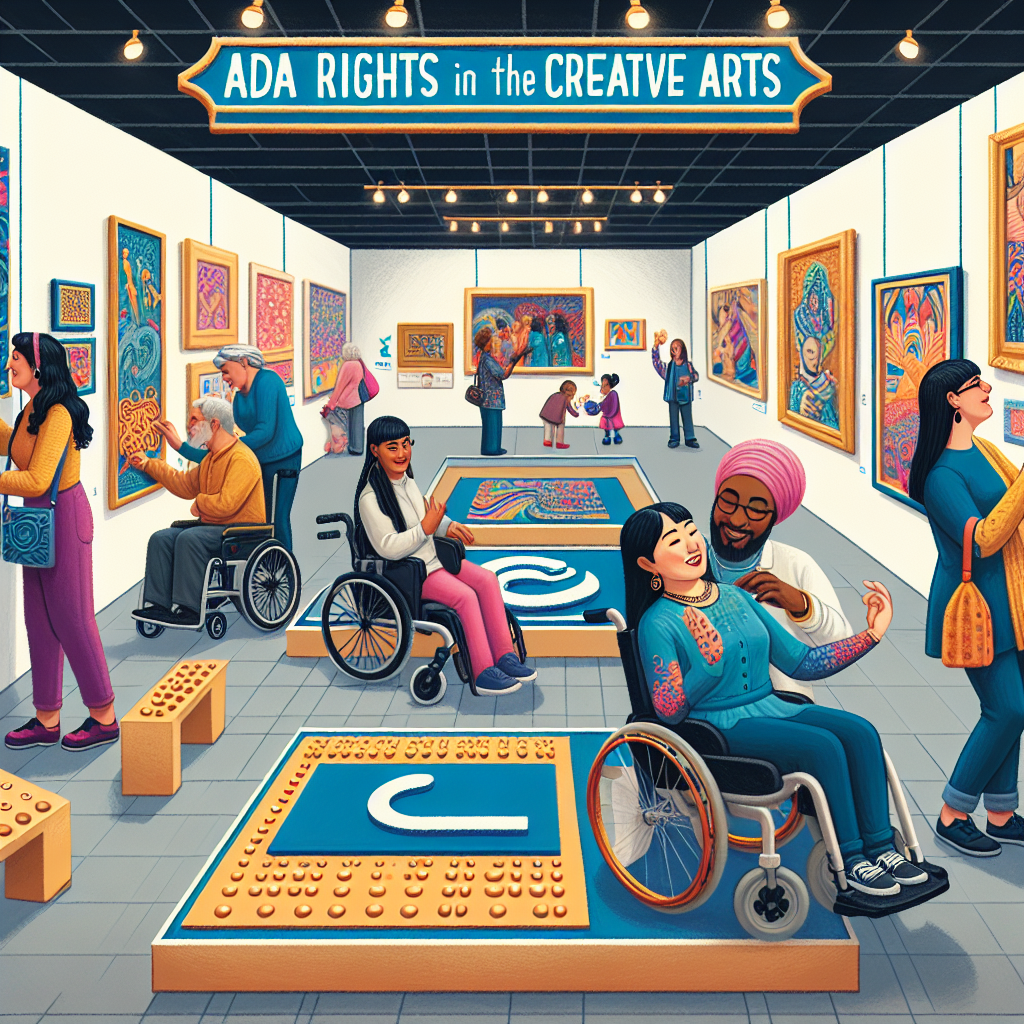
The Americans with Disabilities Act (ADA) is a landmark piece of legislation that was established in 1990 to protect the rights of individuals with disabilities. Among the critical areas it addresses, access to education stands as a vital component, ensuring that all individuals, regardless of physical or cognitive limitations, have equal opportunities to pursue learning and personal development. While much focus has been placed on primary and secondary education, it is just as important to address the rights and protections granted under the ADA in the context of adult education and lifelong learning.
Adult education spans a wide range of contexts, from vocational training programs and community college courses to continuing professional development and recreational learning opportunities. For individuals with disabilities, engaging in these educational pursuits can present unique challenges, including physical accessibility, the need for appropriate accommodations, and ensuring effective communication. Recognizing and upholding ADA rights within these settings can significantly enhance the learning experience for individuals with disabilities and contribute to a more inclusive society.
The intent of this article is to provide a comprehensive overview of the rights and protections afforded by the ADA in the realm of adult education and lifelong learning. We will delve into the specifics of what the ADA mandates, explore common barriers faced by adult learners with disabilities, and highlight best practices for educational institutions to foster an inclusive and supportive environment. Whether you are an educator, a policy maker, or an individual with disabilities pursuing educational opportunities, understanding these aspects of the ADA can empower you to advocate for and implement necessary changes.
Understanding ADA Rights in Adult Education
The Americans with Disabilities Act encompasses several titles, each addressing different spheres of public life. For adult education, the most pertinent sections are Title II, which applies to public institutions, and Title III, which covers private entities. Both titles mandate that educational establishments must provide reasonable accommodations to individuals with disabilities, ensuring they have equal access to educational programs and services. These accommodations can vary widely, including measures like providing auxiliary aids and services, modifying policies, practices, and procedures, and ensuring physical accessibility.
An essential aspect of ADA compliance in education is proactive planning. Educational institutions must conduct thorough assessments to identify potential barriers to access and create detailed plans to address these challenges. This involves more than just installing ramps or elevators; it requires a comprehensive approach that considers the entirety of the learning experience. From accessible course materials and assistive technology to adaptive testing formats, every element must be evaluated and adjusted as necessary to meet the diverse needs of adult learners with disabilities.
Institutions also have a responsibility to provide appropriate training and resources for faculty and staff. Educators and administrators should be well-versed in ADA requirements and be equipped to identify when accommodations are needed. This includes fostering an inclusive classroom environment where students feel comfortable disclosing their disabilities and requesting necessary support. Continuous professional development and access to updated resources can help ensure that staff remain knowledgeable about the best practices and evolving standards in disability accommodation.
Common Barriers Faced by Adult Learners with Disabilities
Despite the protections afforded by the ADA, adult learners with disabilities often encounter numerous barriers in their pursuit of education. These challenges can stem from a variety of sources, ranging from physical infrastructure issues to attitudinal barriers and inadequate support systems. Understanding these obstacles is crucial for developing effective strategies to overcome them and create a more inclusive educational environment.
One of the most evident barriers is physical accessibility. Many educational institutions, particularly those housed in older buildings, may not have fully accessible facilities. This can include a lack of ramps, elevators, or accessible restrooms, making it difficult for individuals with mobility impairments to navigate the campus. Similarly, classroom layouts and furniture may not be designed to accommodate students with physical disabilities, further hindering their participation in educational activities.
Beyond physical barriers, attitudinal challenges can significantly impact the educational experience for adult learners with disabilities. Misunderstandings, stereotypes, and biases about disability can create a less welcoming environment and discourage individuals from seeking necessary accommodations. Educators, staff, and peers may inadvertently contribute to a discriminatory environment if they hold misconceptions about the capabilities and needs of individuals with disabilities.
Communication barriers also play a significant role in the challenges faced by adult learners with disabilities. For students who are deaf or hard of hearing, or those with visual impairments, accessing course materials and participating in classroom discussions can be particularly challenging. Effective communication accommodations, such as sign language interpreters, captioning services, and accessible electronic materials, are essential to ensure these students can engage fully with the curriculum.
Best Practices for Inclusive Adult Education
Creating an inclusive and supportive environment for adult learners with disabilities requires a multi-faceted approach. Institutions must prioritize accessibility and inclusivity at every level, from policy development to classroom practices. Here are some best practices to consider when fostering an inclusive educational environment for adult learners with disabilities.
First and foremost, institutions should develop and implement comprehensive accessibility policies. This includes regularly evaluating physical facilities, curriculum materials, and technological resources to ensure they meet ADA standards. Institutions should also establish clear procedures for students to request accommodations and ensure that these processes are easily accessible and transparent. Regularly reviewing and updating these policies can help institutions stay current with evolving ADA requirements and best practices.
Training and professional development for faculty and staff are critical components of fostering an inclusive educational environment. Educators should receive ongoing training on ADA compliance, accommodation strategies, and inclusive teaching practices. This can include workshops, webinars, and access to resources that provide guidance on effectively supporting students with disabilities. Faculty should also be encouraged to adopt universal design for learning (UDL) principles, which promote flexible and inclusive teaching methods that benefit all students, not just those with disabilities.
Collaboration and communication are key to effectively supporting adult learners with disabilities. Institutions should encourage open dialogue between students, faculty, and disability services offices to ensure that individual needs are identified and addressed in a timely manner. Establishing a supportive network of resources, including peer mentors, tutoring services, and counseling support, can also enhance the educational experience for students with disabilities.
Technology plays a significant role in supporting adult learners with disabilities. Institutions should invest in and maintain assistive technologies that can aid in learning and participation. This can include screen readers, captioning software, and adaptive equipment for individuals with physical disabilities. Additionally, ensuring that digital course materials and learning management systems are accessible can greatly enhance the learning experience for students with disabilities.
The Role of Disability Services in Supporting Learners
Disability services offices play an essential role in supporting adult learners with disabilities and ensuring ADA compliance within educational institutions. These offices serve as a central resource for students, faculty, and staff, providing guidance on accommodations, accessibility, and inclusive practices. By bridging the gap between students and institutional resources, disability services can help create a more supportive and equitable learning environment.
One of the primary functions of disability services is to assist students in identifying and requesting necessary accommodations. This involves working closely with students to understand their unique needs and determining the most appropriate support measures. Disability services staff should be knowledgeable about a wide range of accommodations and assistive technologies and be able to guide students in accessing these resources. Additionally, these offices can facilitate communication between students and faculty to ensure that accommodations are implemented effectively and consistently.
Disability services also play a crucial role in educating the campus community about ADA compliance and inclusive practices. This can include offering training sessions, workshops, and informational materials that raise awareness about disability rights and accommodations. By fostering a culture of inclusivity and understanding, disability services can help reduce attitudinal barriers and create a more welcoming environment for all students.
Advocacy is another critical aspect of the work done by disability services offices. This can involve advocating for policy changes at the institutional level, ensuring that accessibility and inclusivity are prioritized in strategic planning and decision-making processes. Disability services staff can also work with external organizations and advocacy groups to stay informed about new developments in disability rights and share this information with the campus community.
Finally, disability services play a supportive role in the transition process for adult learners with disabilities. For individuals returning to education after a significant break or those navigating a new diagnosis, the transition can be challenging. Disability services can provide guidance and support to help students navigate this transition, connect them with relevant resources, and offer ongoing support throughout their educational journey.
Conclusion
The Americans with Disabilities Act has been instrumental in advancing the rights and protections of individuals with disabilities across various spheres of public life, including education. Ensuring ADA compliance in adult education and lifelong learning is not only a legal obligation but also a moral imperative that contributes to a more inclusive and equitable society. By understanding the rights afforded under the ADA, recognizing common barriers faced by adult learners with disabilities, and implementing best practices for inclusivity, educational institutions can create environments where all students have the opportunity to succeed.
Educational institutions, policymakers, and advocates must work collaboratively to uphold the principles of the ADA and continually strive to improve accessibility and support for adult learners with disabilities. This involves proactive planning, ongoing training, and a commitment to fostering an inclusive culture. By prioritizing accessibility and inclusivity, we can ensure that adult learners with disabilities have the resources and opportunities they need to thrive in their educational pursuits and beyond.
Whether you are an educator, a student, or a policymaker, understanding and advocating for ADA rights in adult education is essential. By working together, we can create a more inclusive and supportive educational landscape that empowers all individuals to achieve their full potential.
Frequently Asked Questions
1. What does the ADA say about access to adult education and lifelong learning programs?
The Americans with Disabilities Act (ADA) is comprehensive legislation that ensures all individuals with disabilities have equal access to opportunities, including adult education and lifelong learning programs. The ADA requires that these programs offer accommodations necessary to facilitate the participation of individuals with disabilities. This could mean providing assistive technology, modifying course formats, or ensuring physical spaces are accessible. The key is to create an environment where learning isn’t hindered by disability, thus supporting personal and professional development for everyone. It’s important that adult education providers understand and implement these requirements to foster inclusive learning environments. This not only aligns with ADA compliance but also reflects a commitment to diversity and equality in educational settings.
2. What types of accommodations might be necessary in an adult learning environment under the ADA?
Under the ADA, accommodations are tailored to meet the specific needs of individuals. In adult education, these accommodations can vary widely based on the types of disabilities learners encounter. Some common accommodations might include sign language interpreters, extended time for assignments or tests, adaptive devices such as screen readers or magnification software, captioned videos, accessible learning management systems, and seating arrangements that offer better access to learning materials. It’s also crucial that educational institutions train staff to identify and implement these accommodations effectively. These measures are not just regulatory compliance but integral to creating an inclusive academic atmosphere where everyone can participate fully.
3. How should an adult education program ensure their facilities are accessible to people with disabilities?
The ADA mandates physical accessibility in educational facilities, which means that institutions should have features like ramps, elevators, and other modifications that allow for easy access for individuals with mobility impairments. In designing or updating facilities, programs should ensure doorways, classrooms, and restrooms are accessible. Additionally, furniture arrangements should consider wheelchair users, and electronic materials should be available in accessible formats. Regularly reviewing and updating these accommodations based on technological advances and feedback from students with disabilities is also recommended. Taking proactive steps to maintain an accessible environment demonstrates a commitment to ensuring that everyone has the opportunity to benefit equally from educational offerings.
4. If a student with a disability faces challenges in an adult education program, what steps should they take to address these issues?
If a student with a disability encounters challenges or barriers in an adult education setting, they should first bring these concerns to the attention of the program administrators or the designated disability services coordinator. Documentation of the disability, such as a medical letter, may be required to facilitate the appropriate accommodations. The ADA stipulates that educational institutions engage in an interactive process with the student to determine suitable accommodations. If concerns are not resolved internally, students can seek advice from external advocacy groups or file a complaint with the U.S. Department of Education’s Office for Civil Rights or the Department of Justice. Empowering students with the knowledge to assert their rights is crucial, and educational programs must respond quickly and efficiently to these challenges, highlighting their commitment to accessibility and equality.
5. What role do educators play in supporting ADA rights in adult education?
Educators are pivotal in upholding ADA rights within adult education. They must be aware of and sensitive to the diverse needs of students with disabilities. This includes understanding how to implement accommodations, redesigning instructional methods, and staying informed on the latest assistive technologies and teaching practices that benefit all learners. Educators should also encourage an inclusive class environment by fostering open communication, offering various learning materials, and continuously assessing the effectiveness of their teaching strategies. Through ongoing professional development and by advocating for resources and support from their institutions, educators can make a substantial positive impact on ensuring ADA compliance and the overall success of students with disabilities.