The Americans with Disabilities Act (ADA) is a cornerstone of civil rights legislation, ensuring all individuals with disabilities have equal access and opportunities. The role of non-profit organizations is indispensable in this field as they often lead the charge in advocacy, education, and support for the disabled community. This article explores case studies and practical applications of ADA rights within non-profit work, aiming to empower those it serves.
Introduction: Understanding the ADA and Its Impact
The Americans with Disabilities Act, enacted in 1990, was a landmark moment in the fight for civil rights. Designed to eliminate discrimination and assure equality for those with disabilities, it covers various domains including employment, public accommodations, transportation, and more. The essence of the ADA is about leveling the playing field, ensuring that living with a disability doesn’t impair one’s ability to engage in societal activities.
Non-profit organizations have historically been torchbearers of change and progress within communities. When it comes to implementing and advocating for ADA rights, their role is even more pronounced. Whether through advocacy campaigns, educational programs, or direct services, non-profits are at the forefront of ensuring that ADA mandates translate into meaningful, real-world impacts.
This article aims to highlight the practical application of ADA rights by non-profit organizations through a lens of empowerment. By sharing insights and real-world examples, we hope to illuminate the tangible actions and benefits that these organizations bring to the community of individuals with disabilities.
Real-World Application: Case Study One – Employment Advocacy
Employment is a fundamental aspect of independence and self-sufficiency. For individuals with disabilities, accessing equitable employment opportunities can be particularly challenging. Here is where non-profit organizations play a crucial role in championing ADA rights in the workplace. Let’s delve into a specific case study to understand this better.
Consider Ability Works, a non-profit organization dedicated to enhancing employment opportunities for people with disabilities. They have developed unique partnerships with local employers, ensuring that workplaces are not just compliant with ADA guidelines, but truly inclusive. Through workshops, training programs, and policy advocacy, Ability Works empowers both employers and employees.
One of their significant successes includes a collaboration with a large retail chain to offer accessible employment pathways for disabled individuals. By working closely with the chain’s HR department, Ability Works helped revamp recruitment processes, job postings, and workplace accommodations. This case study highlights the critical facilitative role non-profits play in translating ADA principles into action, ultimately fostering more inclusive and dynamic work environments.
Legal Advocacy: Case Study Two – Housing Rights
Access to adequate housing is another crucial right safeguarded by the ADA. Unfortunately, discrimination in housing remains a significant barrier for many people with disabilities. However, non-profits like Housing Equality for All have made commendable strides in advocating for the ADA rights of this community.
Housing Equality for All has dedicated its efforts to providing legal support and advocacy for individuals facing housing discrimination. Their approach combines legal aid with community education, ensuring that individuals are not only aware of their rights but also supported in asserting them. One case highlighted involves a wheelchair-using tenant who was denied an accessible parking space by a housing complex. Through strategic legal intervention and mediation, the non-profit successfully secured the needed accommodation.
This example underscores the importance of legal advocacy in upholding ADA rights and exemplifies how non-profits can be a powerful ally for individuals facing systemic barriers. Their work reaffirms the ADA’s promise by turning legal mandates into actionable, personalized support.

Policy Influence: Case Study Three – Transportation Access
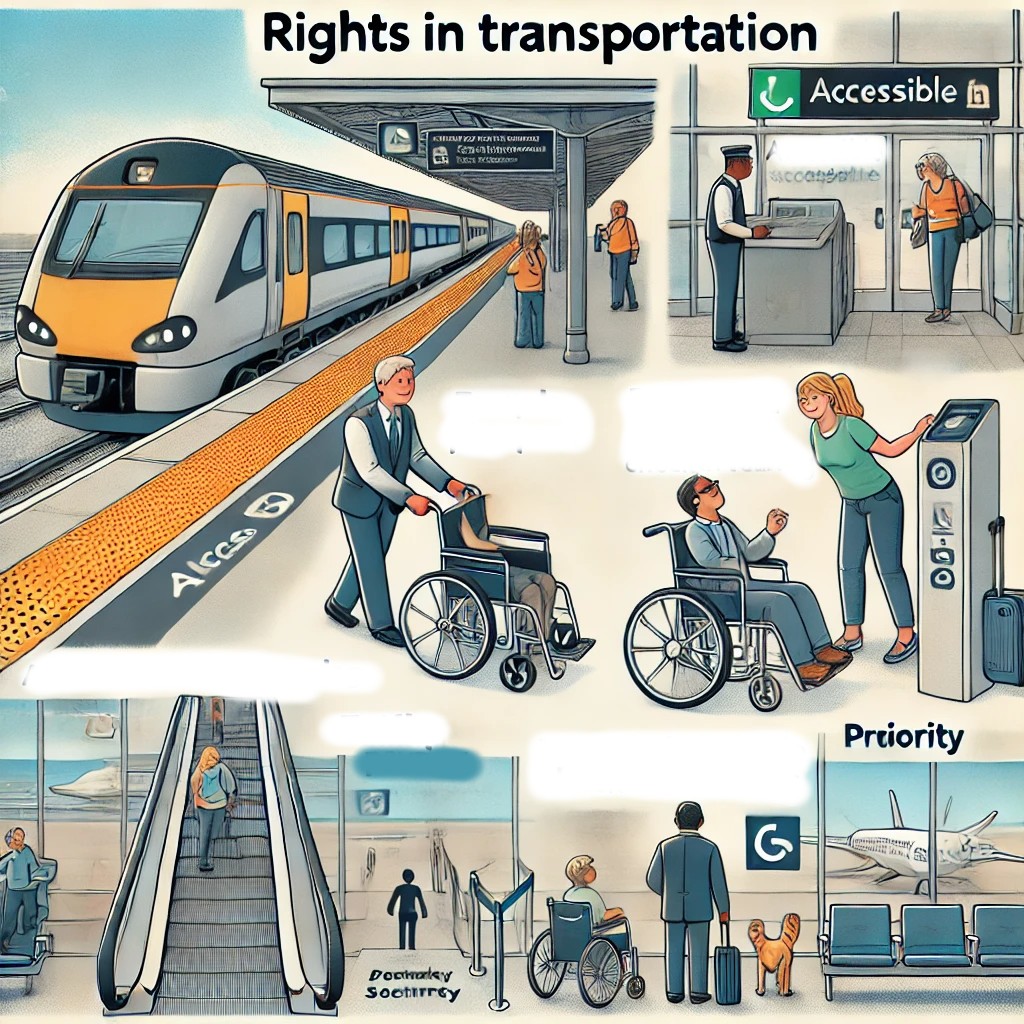
Transportation is a vital link to independence and freedom for everyone, including individuals with disabilities. The ADA stipulates that transportation services should be accessible to all users, yet gaps still exist. This is where non-profit organizations step in, providing necessary advocacy and pressure to bridge these gaps.
Consider the work of Access Riders, a non-profit committed to improving public transportation accessibility. They focus on systematic advocacy, working with local government entities to improve policy and service delivery. In a notable campaign, Access Riders successfully advocated for the introduction of more wheelchair-accessible buses in a metropolitan area, addressing the chronic shortage that had long hampered the mobility of individuals with disabilities.
Through community engagement, educational workshops, and direct negotiation with policymakers, Access Riders exemplify how non-profits convert ADA mandates into concrete improvements. Their success in expanding accessible transportation options not only improves mobility but also enhances overall societal participation for those with disabilities.
Empowerment Through Education: Case Study Four – School Inclusion
Education is a fundamental right for all children, yet students with disabilities often face barriers to receiving an equitable education. Non-profits such as Inclusive Learning Initiative have been crucial in ensuring that educational institutions comply with ADA standards, fostering inclusive learning environments.
The Inclusive Learning Initiative focuses on training educators, administrators, and families on ADA standards and inclusive teaching strategies. In one notable project, they collaborated with a school district to overhaul their special education program, ensuring that curriculum modifications and physical accessibility were aligned with ADA guidelines.
This case study illustrates the power of education in promoting social change. By equipping educators and institutions with the knowledge and resources to support all students, non-profits dismantle educational barriers, fostering environments where students with disabilities can thrive alongside their peers.
Building Community Networks: Case Study Five – Disability Support Groups
Community support is a critical component of empowerment for individuals with disabilities. Non-profits often serve as the backbone for these communities, offering not just resources but also a sense of belonging and agency. The Community Support Network (CSN) is one such non-profit making waves through its innovative programs and advocacy.
The CSN has established a series of support groups that bring individuals with disabilities together for mutual support, resource sharing, and advocacy. Through these groups, participants gain access to a range of services, from therapeutic support to practical advice on navigating ADA rights in everyday situations.
One popular program is their Advocacy through Action initiative, which empowers members by training them to become self-advocates. This initiative underscores the pivotal role of support networks in fostering empowerment, as it builds a community that not only benefits from but also actively contributes to the realization of ADA rights.
Conclusion: The Ongoing Journey of Empowerment
The work of non-profit organizations in advocating for and applying ADA rights within various facets of society is invaluable. These organizations translate legal frameworks into actionable, meaningful impacts that resonate with the lived experiences of individuals with disabilities. From employment and housing to transportation and education, the roles depicted in these case studies vividly illustrate the pathways to empowerment.
However, the journey doesn’t end here. The evolution of societal attitudes, technological advances, and ongoing policy development all impact the landscape of disability rights. Non-profits must continue to innovate and adapt, ensuring that their strategies and programs remain relevant and effective.
Your role in this continuing journey matters, too. Whether through support, advocacy, or simply by being informed, each person can contribute to a more inclusive society. Through informed actions and unwavering commitment, we can all aid in transforming ADA rights from statutory requirements into everyday realities.
By understanding and supporting the work of non-profits in this field, you participate in a broader movement towards equality and inclusion. The path to empowerment is complex and multifaceted, but collectively, strides can be made to ensure a more accessible and equitable world for all.
Frequently Asked Questions
1. What specific ADA rights apply to individuals working in non-profit organizations?
One of the fundamental aims of the Americans with Disabilities Act (ADA) is to provide individuals with disabilities with equal employment rights and opportunities. In the context of non-profit organizations, this means that employers must provide reasonable accommodations for qualified employees with disabilities. This can include changes to work schedules, providing assistive devices, or making modifications to existing facilities to ensure accessibility.
For a non-profit, understanding the nuances of ADA rights is crucial. Employers must not discriminate against someone due to their disability during the hiring process, in terms of job training, or job promotions. They need to ensure that their recruitment strategies and employment practices are inclusive, which might involve offering application forms in accessible formats or holding interviews in accessible locations.
Additionally, non-profits must recognize that upholding the rights of disabled individuals isn’t just about compliance. It is also about fostering an inclusive environment where every individual has an equal chance to contribute and grow. This perspective not only strengthens the organization but also enhances its reputation within the community it serves.
2. How can non-profit organizations effectively advocate for ADA rights?
Non-profit organizations have a unique position in advocating for ADA rights due to their mission-driven focus on community welfare. One tangible way these organizations can champion ADA rights is through policy advocacy. By engaging in dialogues with legislative bodies, they can influence changes in policies and practices that directly affect disabled individuals.
Another effective method is through awareness campaigns. Non-profits can organize workshops, seminars, and educational programs that highlight the importance of ADA rights. These events can be tailored to specific audiences, such as businesses, educators, or community leaders, to ensure the message is widespread and impactful.
Moreover, non-profits can serve as role models by implementing best practices within their own operations. This involves creating an inclusive culture where accessibility is a norm and where all employees are trained and educated about the significance of ADA rights. By doing so, non-profits can set standards that others in the community can follow.
3. What are the challenges faced by non-profits in implementing ADA rights?
Despite their commitment to serving the disabled community, non-profits often face several challenges in implementing ADA rights effectively. One of the primary challenges is funding. Ensuring compliance with the ADA can sometimes involve upfront costs, such as modifying facilities to make them accessible or investing in assistive technologies. Many non-profits operate on tight budgets, and securing funds for these initiatives can be challenging.
Additionally, non-profits may encounter resistance due to a lack of understanding or awareness about disability issues both within the organization and in the wider community. Overcoming this requires sustained effort in education and training to change perceptions and attitudes towards disability and inclusion.
Organizational inertia can also be a barrier. Implementing ADA rights might necessitate changes in processes, policies, or organizational culture. For some non-profits, especially those with longstanding traditions, adapting to these changes can be difficult and slow.
4. How does the ADA influence the training and education programs offered by non-profits?
The Americans with Disabilities Act significantly influences the way non-profit organizations design and implement their training and education programs. To comply with ADA guidelines, these programs must be accessible to all participants, which means considering the diverse needs of individuals with varying disabilities.
Non-profits need to ensure that their educational materials are available in multiple formats, such as braille, electronic formats that can be used with screen readers, or audio versions. Venues for these programs must be accessible, with ramps, elevators, or assistive listening devices when needed. Furthermore, trainers and educators should be well-versed in ADA standards to adequately support participants with disabilities.
Beyond logistical considerations, the ADA inspires a deeper philosophy of inclusivity in educational settings. It encourages non-profits to embrace a person-centered approach, meaning that educational content and delivery methods are adapted to meet the unique needs of each participant. This ensures not only compliance but also maximizes the impact of educational programs, benefiting all involved.
5. What role do non-profits play in educating the public about ADA rights?
Non-profits are often at the forefront when it comes to educating the public on ADA rights. They act as a bridge between the disabled community and the general populace, facilitating understanding and partnership. Through public education initiatives, non-profits work to dispel myths and provide accurate information about the rights and capabilities of individuals with disabilities as protected under the ADA.
These organizations frequently host workshops, seminars, and outreach programs that emphasize the importance of inclusivity and accessibility. By doing so, they equip individuals, businesses, and communities with the knowledge needed to comply with ADA standards and create an inclusive society.
Furthermore, non-profits use various forms of media to reach a broader audience and influence public opinion and policy. Through articles, social media campaigns, and partnerships with other organizations, they continue to advocate for systemic changes that uphold ADA rights and empower those with disabilities. This public education is crucial in fostering an inclusive mindset and paving the way for a society where everyone has equal opportunities to succeed and thrive.