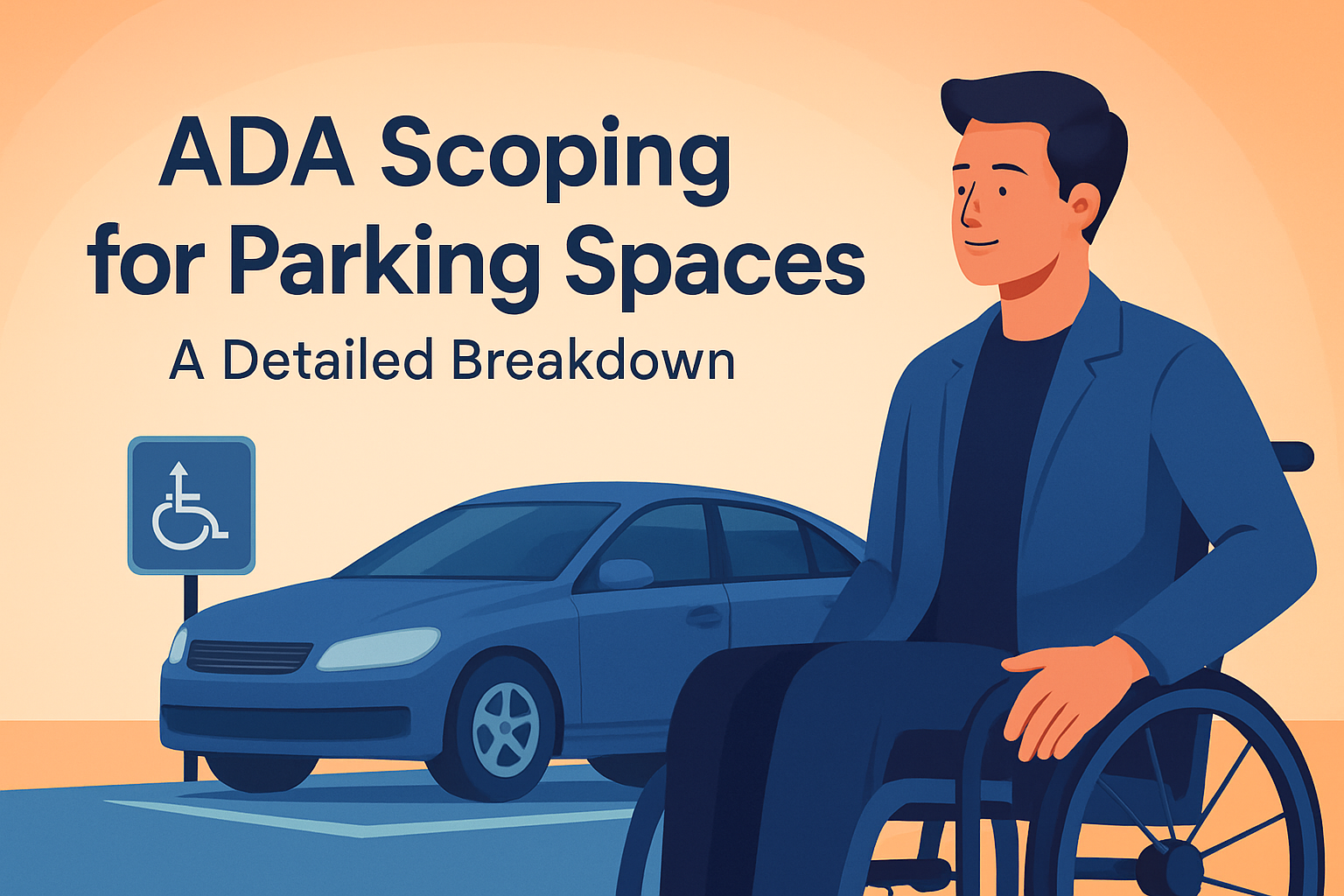
Designing accessible parking spaces is an integral part of creating inclusive environments for everyone. It is essential for ensuring that people with disabilities can access buildings and facilities with ease. Accessible parking spaces must be thoughtfully designed, considering dimensions, slopes, and appropriate signage to meet the needs of users who rely on them. This is not just about compliance with legal requirements; it is about promoting independence and dignity for all individuals. When these spaces are designed effectively, they provide vital access to public and private areas for people with diverse needs and make communities more inclusive and welcoming.
Understanding the regulations and guidelines for designing accessible parking is crucial for architects, designers, and facility managers. In this article, we will explore the key components of accessible parking design, offer real-world examples, and explain why these elements are critical to creating functional and inclusive spaces.
Dimensions: Ensuring Adequate Space
The dimensions of accessible parking spaces are vital to their functionality. The Americans with Disabilities Act (ADA) provides guidelines on the size of accessible parking spots. According to the ADA, accessible parking spaces must be at least 96 inches wide to accommodate vehicles equipped with ramps or wheelchair lifts. Additionally, an adjacent access aisle must be included, which should be at least 60 inches wide. The access aisle allows room for wheelchair maneuverability and provides a clear path for inbound and outbound cars.
In practice, these dimensions are critical for ensuring that individuals using wheelchairs or other mobility aids can safely and conveniently enter or exit their vehicles. For instance, consider a popular shopping mall that recently revamped its parking lot to enhance accessibility. The mall expanded its accessible spaces to meet ADA standards, adding generously sized access aisles. This change has made a significant difference, allowing more customers to visit and enjoy the mall independently.
Furthermore, the dimensions of accessible parking spaces remain vital even in crowded urban environments. City planners often face challenges when carving out space in tight quarters, but adhering to adequate dimensions unequivocally enhances urban accessibility.
Slopes: Providing a Level Surface
Another critical consideration when designing accessible parking spaces is the slope of the parking area. Slopes affect how safely a person using a wheelchair or other mobility aid can navigate the parking area. The ADA specifies that the surface slope of accessible parking spaces and access aisles must not exceed 1:48, ensuring that they are nearly level. A steeper slope could cause difficulties in controlling wheelchairs, thus presenting a safety hazard.
As an example, a community center faced issues with its older parking area, where slopes exceeded acceptable limits. After consulting accessibility experts, the center undertook a redevelopment project, regrading the surface to meet the ADA standards. This change drastically improved the safety and usability of the parking area for visitors with disabilities.
Leveling the slope enhances safety and accessibility but also requires a thorough understanding of the site’s topography and drainage requirements. Combining these elements ensures both safety and longevity of the parking structure.
Signage: Communication is Key
Signage for accessible parking spaces is a crucial element of design that ensures these spaces are used correctly and are easily recognizable. The ADA requires that accessible spaces are designated with clear and visible signage. Such signage must feature the international symbol of accessibility and be mounted at a height that provides visibility over parked cars, ensuring that the space is easily identifiable from a distance.
For example, a large office complex in downtown set an excellent standard by incorporating bold, illuminated signs that clearly mark accessible spaces both day and night. This visibility helps ensure that accessible parking spaces are used appropriately by those who need them the most, preventing misuse by vehicles without the necessary permits.
Moreover, some facilities have incorporated additional signage with information on the penalties for misuse, which serves as a deterrent. Employing clear, informative signage makes accessible spaces easy to locate, supporting fair and proper use.
Real-World Applications: A Summary Table
| Component | Specification | Real-World Example |
|---|---|---|
| Dimensions | Minimum 96 inches wide; 60 inches wide access aisle | Shopping mall expansion allowing better access |
| Slopes | Maximum 1:48 slope gradient | Community center regrading for improved safety |
| Signage | Visible, international symbol of accessibility | Office complex with clear, illuminated signs |
Examples of Best Practices in Accessible Parking Design
To illustrate the application of best practices in accessible parking design, let us examine a case study of a university campus that recently underwent a major overhaul. The campus parking facilities were completely redesigned to be not only compliant with ADA but also to ensure exceptional usability.
- The campus increased the number of accessible spaces to exceed minimum requirements, considering the high volume of students, faculty, and visitors.
- Special emphasis was placed on the placement of these spaces, ensuring they were conveniently located near the most frequented areas on campus, such as lecture halls and libraries.
- The university invested in advanced automatic lighting systems for signage to enhance safety during evening hours.
- Dedicated monitoring helps enforce correct usage and availability of accessible spaces, with fine systems in place to prevent misuse.
This approach exemplifies how proactive planning and attention to detail can transform a public area into a highly accessible and inclusive environment.
Overcoming Challenges in Implementation
Designing accessible parking spaces can present several challenges, particularly in older buildings or densely populated areas. One common hurdle is the limited availability of space, which may require creative solutions like restructuring existing layouts or acquiring additional land. However, small changes in layout and incorporation of new technologies can go a long way in overcoming space constraints.
For example, a hospital in a crowded urban area managed to tackle these challenges by prioritizing inclusive design from the outset. By adopting a multilevel parking structure with dedicated accessible floors and employing advanced mobility aids such as shuttle services, they made the facility accessible to all patients and visitors. This comprehensive approach demonstrates that with careful planning, even significant obstacles can be surmounted.
Understanding Legal and Community Implications
Beyond design specifications, it is important to acknowledge the broader implications of accessible parking regulations on communities and organizations. Compliance with legal standards is mandatory, but there is a broader societal impact as well. Prioritizing accessibility reflects an organization’s commitment to inclusivity and often leads to positive community engagement and improved brand reputation.
Consider a cultural center that heavily invested in its accessibility program. By elevating the importance of inclusive parking design and promoting these values openly, they saw a substantial increase in community participation and laudable recognition from advocacy groups. Accessibility, therefore, is not just a regulatory obligation but a strategic advantage when it comes to social responsibility initiatives.
Conclusion: Emphasizing the Importance of Accessible Design
In conclusion, designing accessible parking spaces requires thoughtful consideration of dimensions, slopes, and signage to create an environment that all individuals can access readily and safely. The emphasis on correct dimensions ensures enough space for mobility equipment, while careful attention to slope gradient dramatically enhances user safety. Clear and effective signage ensures that accessible parking spaces serve their intended purpose, contributing considerable advantages to broader community access and engagement.
Successful implementation of accessible parking not only fulfills legal obligations but significantly enhances users’ quality of life by promoting independence and dignity. For designers, facility managers, and community leaders, commitment to these principles serves not merely as compliance but as a testament to an organization’s or a community’s values.
If you’re involved in designing or managing facilities, it is time to evaluate your accessible parking provisions. Understand the regulations, consult experts if necessary, and make the necessary adjustments to champion inclusivity. Encourage others to consider accessibility as a priority and become an advocate for inclusive design in every project you undertake.
Frequently Asked Questions
1. What are the standard dimensions for accessible parking spaces?
Designing accessible parking spaces requires attention to specific dimensions to ensure they accommodate vehicles with accessibility features, like ramps and lifts, and to allow individuals with disabilities to safely enter and exit their vehicle. The typical dimensions for an accessible parking space include a minimum width of 8 feet for the parking space itself, accompanied by an adjacent access aisle that is also a minimum of 5 feet wide. However, for van-accessible spaces, the side access aisle width should be increased to 8 feet to ensure adequate space for van lifts. Typically, these spaces should have a depth that follows the standard parking length requirements of 18–20 feet. Additionally, there is a requirement that at least 1 in every 6 accessible spaces must be van-accessible to accommodate vans equipped with ramps. Proper dimensions ensure functionality and safety, and failure to adhere to these dimensions compromises the accessibility and inclusivity of a parking area, impacting the independence of individuals who rely on them.
2. How should the slope be managed in accessible parking spaces?
The slope of accessible parking spaces is a crucial factor to consider in their design. The surface of these parking spaces and access aisles should be as level as possible. The ideal slope should not exceed 1:48 (approximately 2.08%), whether in any direction. This minimal slope is intended to prevent unintended movement of wheelchairs and difficulties faced by individuals using walking aids when entering or exiting their vehicles. Ensuring the parking area is nearly flat not only facilitates easier maneuverability for those with mobility devices but also ensures safety by allowing clear pathways free of pooling water and debris that might accumulate in steeper, uneven surfaces. In multi-level parking structures, or where sloped parking is unavoidable, strategic design and grading must ensure those spaces remain within standard slope regulations. This design consideration is essential to creating a supportive and dignified parking experience for all users.
3. What signage is necessary for accessible parking, and why is it important?
Proper signage is vital in identifying accessible parking spaces for those who need them. Signage helps communicate that these spots are reserved and available for individuals with disabilities, ensuring their accessibility needs are met. Each accessible parking space must be clearly marked with the International Symbol of Accessibility. This can be achieved through visible vertical signs placed high enough to be seen even with vehicles parked in the space. Typically, these signs should have an additional note specifying if the space is van-accessible, indicated by a sign displaying a van with a wheelchair symbol and the word ‘Van Accessible’. The guidelines call for these signs to be 60 inches above the ground when measured from the parking surface to the bottom of the sign. Signs should be reflective or illuminated for visibility at night and during adverse weather conditions. Marking pavement with the symbol in bright colors further enhances visibility and prevents misuse. Strict enforcement of these parking spaces, facilitated through appropriate signage, is essential in maintaining the independence and mobility of those who rely on these accommodations.
4. How can you ensure these spaces remain accessible during adverse weather conditions?
Maintaining accessibility during adverse weather conditions, such as snow, ice, or heavy rainfall, requires additional planning and effort. Firstly, ensure that the parking area has efficient drainage systems to prevent water accumulation. Regular maintenance to keep drains clear is essential. In areas prone to snow and ice, clear snow promptly and apply de-icing solutions to prevent ice buildup, focusing on accessible parking spots and access aisles. Using durable materials for the surface that prevent cracks and potholes can reduce hazards. Furthermore, non-slip surfaces designed to offer traction even when wet or icy, can significantly improve safety. During adverse events, ensure the visibility of signage and pavement markings by keeping them clear of debris or snow. Increasing awareness among facility maintenance personnel about the significance of timely maintenance of these areas can improve preparedness and responsiveness, preserving accessibility year-round for all users, even in challenging weather.
5. Are there specific legal requirements that dictate how many accessible parking spaces should be provided?
Yes, there are specific legal requirements regarding the number of accessible parking spaces a facility must provide, as dictated by the Americans with Disabilities Act (ADA). These requirements are based on the total number of parking spaces provided in each parking area. For a parking lot with 1 to 25 spaces, at least one accessible parking space is required. For every increment that increases the lot size, additional accessible spaces are mandated. For example, a parking facility offering 26 to 50 spaces must incorporate two accessible spaces. The ratio continues, ensuring that a proportionate number of accessible parking spaces are available for larger parking areas. Notably, for every six or fraction of six accessible spaces, at least one must be van accessible to accommodate larger vehicles. In addition to compliance with the ADA, state and local regulations may impose further requirements, and it’s crucial to consult these guidelines to ensure full compliance. Implementing the required number of accessible spaces helps ensure accessibility and fosters an inclusive environment where all guests feel recognized and valued.