Introduction to Disability Perception
Disability perception is an integral part of how societies across the globe view and interact with individuals who have varying abilities. By definition, disability perception involves societal attitudes, beliefs, and behaviors toward people with disabilities. These perceptions are influenced by historical, cultural, and socio-economic factors that have evolved over time. Understanding the cultural shifts in disability perception is crucial because it directly impacts policy-making, accessibility, and the overall quality of life for individuals with disabilities. In essence, how societies view disability can either empower or marginalize the disabled community. As global awareness increases, there is a significant push towards inclusivity and equality, making it essential to explore the future trajectory of these perceptions.
Changing Cultural Narratives of Disability
Cultural narratives around disability have historically varied greatly across regions. In some societies, disabilities have been mystified, sometimes associated with spiritual beliefs, leading to either reverence or stigma. However, technological advancements and increased awareness have begun altering these narratives, moving towards a more human-centered understanding. A noteworthy example can be seen in Kenya, where traditionally, disabilities were viewed through a lens of superstitions. Today, Kenyan media is increasingly portraying people with disabilities in ordinary roles, enhancing public perception positively.
In progressive countries, there’s a deliberate narrative shift seen in language use, media representation, and policy advocacy, focusing on what people can do rather than what they cannot. This shift has broadened potential for individuals with disabilities, allowing them to integrate into various societal roles that were previously inaccessible. Recent television series and movies featuring disabled actors in leading roles exemplify this trend, setting a new standard for inclusion in entertainment and media.
Education and Awareness: Cornerstones of Change
Education plays a pivotal role in reshaping societal perceptions of disability. Through targeted educational programs and inclusive curriculums, societies can foster an environment of understanding and acceptance. In Sweden, the educational system emphasizes inclusive education where children with disabilities learn alongside their peers. This model not only benefits disabled students by offering them equal opportunities but also cultivates empathy and understanding among non-disabled peers.
Moreover, organizations around the world are increasingly hosting awareness campaigns to debunk myths about disabilities and educate the public on the capabilities of disabled people. Such initiatives are crucial, as they lay the groundwork for inclusive policies and erase the stigma that still lingers in many parts of the world.
The Role of Technology in Shifting Perceptions
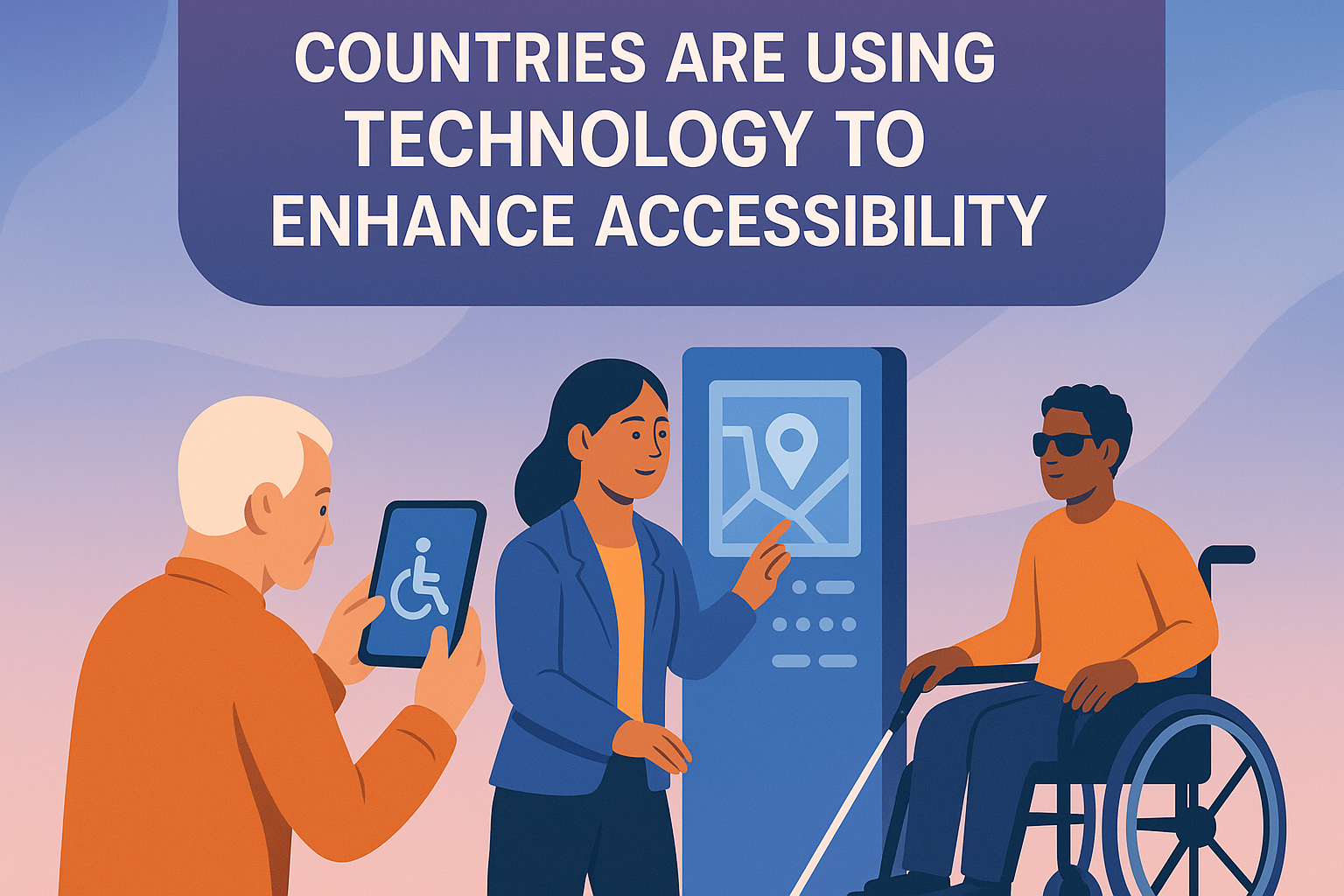
Technology is a powerful ally in redefining disability perception. Assistive technologies and innovations have greatly enhanced the autonomy and capabilities of individuals with disabilities. Moreover, the digital landscape provides a platform for advocacy and visibility like never before. Social media and online campaigns enable disabled individuals to share their experiences, connect with one another, and amplify their voices globally, thereby influencing public perception.
An inspiring example is the widespread use of voice-assisted devices, which enable individuals with visual impairments to navigate daily tasks independently. Additionally, AI-driven applications provide real-time translation of sign language, breaking down communication barriers and fostering more inclusive interactions.
| Technology Type | Examples |
|---|---|
| Assistive Devices | Cochlear implants, Mobility scooters |
| Communication Apps | Text-to-speech software, Sign language translators |
| Accessibility Tools | Screen readers, Voice-activated assistants |
Policy and Global Movements Driving Change
Global movements and policies have been instrumental in driving significant changes in disability perceptions. The United Nations Convention on the Rights of Persons with Disabilities (CRPD) has established a comprehensive framework aiming for full inclusion of disabled individuals in society. Countries that have ratified the CRPD are committed to eliminating discrimination and promoting equality.
In the United States, the Americans with Disabilities Act (ADA) has fundamentally transformed accessibility standards, making physical and digital spaces more inclusive. Similarly, the European Union’s Accessibility Act is pushing member states towards more consistent accessibility standards. These legislative frameworks not only provide tangible benefits but also symbolize societal commitments to valuing diversity and promoting equality for all.
Societal Impacts and Inclusion Efforts
Efforts towards inclusion have a wide-ranging impact on societal perception and the quality of life for individuals with disabilities. When societies actively embrace inclusion, it results in economic benefits, richer cultural experiences, and a stronger sense of community. Businesses that accommodate disabled employees or consumers tap into a broader market and benefit from diverse perspectives and talents.
Real-world examples can be drawn from inclusive cities like Barcelona and Singapore, which have implemented urban designs catering to accessibility needs. By considering the requirements of disabled individuals in public transport systems, parks, and workspaces, these cities foster environments where everyone can contribute meaningfully.
Looking Forward: Challenges and Opportunities
While substantial progress has been made, challenges remain. There are regions where stigma and discrimination persist, underlining the need for continued advocacy and systemic changes. Moreover, economic disparities can affect the availability of technology and resources necessary for empowerment. However, these challenges present opportunities for innovation and collaboration at local, national, and international levels.
For instance, partnerships between governments, NGOs, and tech companies can drive the development and deployment of cost-effective, impactful solutions. Furthermore, increasing representation of disabled individuals in leadership positions across sectors amplifies the progress towards an inclusive future.
Conclusion: Charting the Path Forward
The future of disability perception hinges on continued cultural shifts, technological advancements, and policy interventions. Readers who understand these dynamics are better equipped to contribute to inclusive communities. Embracing change and advocating for accessible environments empowers individuals with disabilities, ensuring equitable opportunities for all.
As we look forward, the call-to-action is clear: foster environments of acceptance, support policies of inclusion, and utilize technology to bridge the gaps. An inclusive society is not a distant ideal; it is an achievable reality, contingent on our collective commitment to change.
Frequently Asked Questions
1. What are some historical factors that have influenced disability perception worldwide?
Historically, disability perception has been deeply influenced by cultural beliefs, religious teachings, and scientific understanding. In ancient times, disabilities were often viewed through a spiritual or religious lens. For instance, some cultures saw disabilities as punishments or divine lessons, leading to varied treatment ranging from reverence to ostracization. As scientific thinking evolved, so too did perceptions. The rise of the medical model of disability in the 19th and 20th centuries emphasized diagnosis and treatment, often to the detriment of recognizing the social context and personal experiences of those with disabilities. Additionally, pivotal moments in history, such as the World Wars, contributed to a growing awareness of disability. War veterans returning with impairments brought disability issues to the forefront of public consciousness, laying the groundwork for the burgeoning disability rights movements of the 20th century.
2. How have cultural shifts impacted the perception and inclusion of individuals with disabilities?
Cultural shifts have significantly reshaped how societies perceive and include individuals with disabilities. Previously, many cultures marginalized people with disabilities, often viewing them as incapable or burdensome. However, as cultures have become more inclusive and aware, there has been a shift towards celebrating diversity and recognizing abilities rather than disabilities. The social model of disability, which emphasizes eliminating barriers and enabling participation, has gained traction. Cultural shifts, particularly those driven by globalization and access to information, have fostered wider recognition of human rights for all, regardless of ability. This gradual transformation is evident in increased accessibility in public spaces, representation in media, and inclusive policy-making. As perception becomes more progressive, societies are increasingly valuing contributions from individuals with disabilities, embracing their potential, and ensuring equitable opportunities for all.
3. In what ways does socio-economic status influence disability perception and experiences?
Socio-economic status plays a crucial role in shaping disability perception and experiences. In economically disadvantaged areas, the lack of resources can exacerbate negative perceptions and experiences for individuals with disabilities. Limited access to healthcare, education, and employment opportunities can perpetuate cycles of poverty and social exclusion. This creates a challenging environment where disabilities might be misunderstood, stigmatized, or inadequately supported. In contrast, higher socio-economic areas often have better access to supportive infrastructure, specialized services, and education, which can positively influence perceptions. These areas are more likely to adopt inclusive policies and initiatives that promote understanding and integration. Therefore, addressing socio-economic disparities is essential to improving disability perception and ensuring equal opportunities and support systems for individuals with disabilities, regardless of their economic background.
4. How might technological advancements shape the future of disability perception?
Technological advancements hold the potential to revolutionize disability perception and the lived experiences of individuals with disabilities. Assistive technologies, for instance, have already improved communication, mobility, and access to information for many people. As technology continues to evolve, we can expect even more empowered and inclusive environments. Innovations in fields such as artificial intelligence, virtual reality, and robotics could further dismantle barriers, creating opportunities for participation that once seemed impossible. Moreover, technology has the power to transform societal attitudes by highlighting diverse experiences and promoting empathy through platforms such as social media and immersive storytelling. Everyday accessibility, driven by technological innovation, can help normalize disability inclusion, leading to more widespread shifts in perception: from viewing disabilities as limitations to recognizing them as variations of human experience.
5. What role do media and representation play in influencing disability perception?
Media and representation play a pivotal role in shaping public perceptions of disability. Historically, media portrayals often leaned toward stereotyping or trivializing disabilities, which contributed to stigmatizing perceptions. However, the tide is gradually turning as more accurate, diverse, and respectful representations emerge across different media platforms. Positive representation can challenge stereotypes, raise awareness, and foster understanding by presenting nuanced narratives that highlight the capabilities and everyday realities of individuals with disabilities. The inclusion of people with disabilities as creators, storytellers, and subjects within various media forms—whether films, TV, literature, or digital content—ensures authenticity and breadth in representation. Such visibility can lead to greater societal acceptance and empathy, ultimately contributing to a shift in perception toward one that values diversity and inclusivity. As the media continues to evolve, its role as both a mirror and a catalyst for change in disability perception will remain crucial.