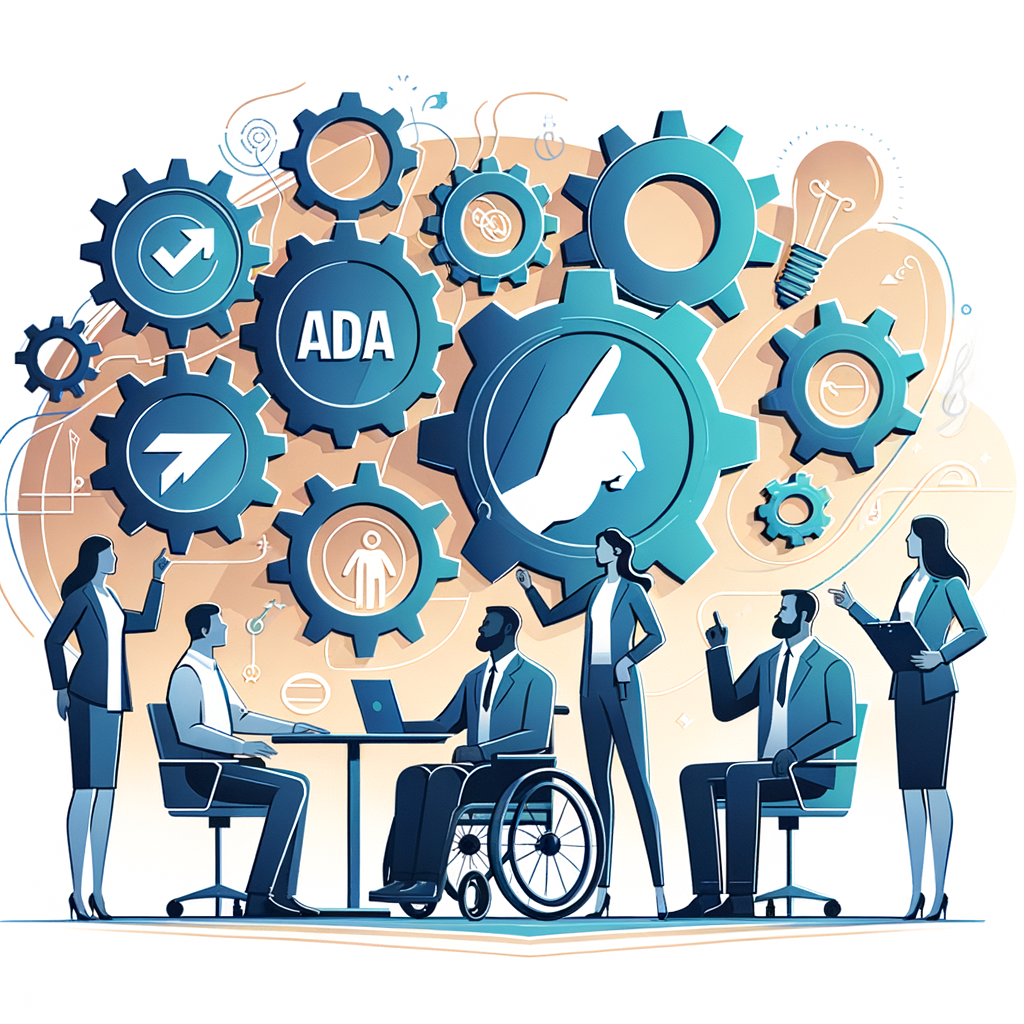
Building community support networks for ADA (Americans with Disabilities Act) advocacy is a crucial task that involves the collaborative engagement of various stakeholders aiming to enhance accessibility and inclusivity for individuals with disabilities. This pursuit requires a firm understanding of both the intricacies of the ADA and the needs of those it serves. Community support networks stand as a powerful tool to galvanize action, offer educational resources, and foster an environment where ADA principles are not merely understood but actively championed. These networks are integral to ensuring that the rights and opportunities accorded by the ADA are not just theoretical but practical realities in everyday life.
With an emphasis on grassroots mobilization, community support networks extend beyond mere awareness-raising; they serve as a bridge connecting those who are affected by disabilities and those in positions to offer assistance and effect change. Leveraging these networks can streamline advocacy efforts, promoting a unified voice in discussions about accessibility and equality. In this exploration, we delve into why community support in ADA advocacy is vital, analyze the foundational elements necessary for these networks to thrive, and contemplate how these collectives can contribute to sustained societal shifts towards inclusivity.
Moreover, as we navigate the complexities surrounding disabilities and societal structures, it is imperative to recognize the multidimensional nature of challenges faced by individuals with disabilities. Developing a community support network for ADA advocacy encompasses understanding personal experiences, legal frameworks, public perceptions, and potential resources. By doing so, such networks become a bedrock for advocacy efforts, facilitating the dismantling of barriers and promoting environments that accommodate everyone. This exploration discusses methodologies for building effective networks, their potential impact, and how fostering these connections can significantly enhance ADA advocacy.
Importance of Community Support Networks
The importance of community support networks in ADA advocacy cannot be overstated. These networks offer a platform where individuals with disabilities can share experiences, resources, and strategies to navigate everyday challenges. Often, the voices of those directly impacted aren’t sufficiently amplified in broader conversations about disability rights. A well-organized community network addresses this gap by providing a collective voice strong enough to influence public policy and societal norms.
These networks act as vehicles for empowerment, enabling participants to transition from passive recipients of information to active contributors to the discourse on disability rights. They encourage individuals to engage in conversations and activities that promote understanding and acceptance. This can include public workshops, discussions, and initiatives aimed at educating society about the ADA and its significance.
Furthermore, the communal aspect of these networks fosters a sense of belonging and mutual support. Members do not merely share information; they share a bond and understanding that can alleviate the isolation often felt by individuals with disabilities. When involved in a community that champions ADA advocacy, members experience an enriched sense of mission and solidarity. They become empowered to pursue a shared goal: an accessible world where every individual has equitable access to opportunities.
Foundational Elements of Effective Networks
Building an effective community support network for ADA advocacy begins with understanding the foundational elements critical to its success. These include strong leadership, clear objectives, resource availability, and the active involvement of a diverse group of participants.
Effective leadership within a network ensures that there is a guiding force to articulate the community’s vision and approach. Leaders are responsible for maintaining focus on objectives, motivating members, and establishing connections with external entities and potential allies. They need to possess an in-depth understanding of the ADA, advocacy experience, and the ability to inspire collective effort. Leadership roles are not necessarily limited to individuals with disabilities but should certainly include them to ensure representation and authenticity.
Clearly defined objectives are paramount. These goals help to channel energy and resources efficiently, providing a framework for assessing progress and achievements. Objectives may include educating the community, lobbying for ADA-compliant infrastructure, promoting disability-inclusive legislation, or creating awareness campaigns. Each goal should be tailored to the specific needs and aspirations of the community, while aligning with broader ADA advocacy efforts.
Resource availability is another critical element. Successful networks require access to information, funding, and platforms for outreach and engagement. Resources might include educational materials about the ADA, databases of accessible facilities, professional expertise, and financial support for advocacy events or campaigns.
Diverse participation ensures that the network addresses a wide spectrum of perspectives and challenges. Participation should encompass individuals from various demographics and disability types, family members, caregivers, legal experts, and activists. This diversity enriches dialogue, encourages robust problem-solving, and ensures that advocacy efforts are comprehensive and inclusive.
Methods for Building and Sustaining Networks
To build and sustain a vibrant community support network for ADA advocacy, there are several strategies and methods that can be employed. Establishing strong communication channels is vital. These channels may include regular meetings, online forums, social media groups, newsletters, and collaborative workshops. Effective communication ensures that members are kept informed, engaged, and motivated.
Utilizing technology to facilitate interaction and information dissemination is particularly important in ensuring inclusivity, as it allows individuals from diverse geographical locations and those with mobility challenges to participate actively. Digital platforms can host virtual meetings, share updates on ADA developments, conduct webinars, and engage in dialogues.
In addition, creating partnerships with local organizations, businesses, schools, and governmental bodies can expand the influence and resources of a network. Partnerships allow network members to pull together expertise, access new audiences, and amplify their campaigning efforts. Community events, public seminars, and joint initiatives with other nonprofits or advocacy groups can broaden visibility and impact.
Continual recruitment and retention strategies keep the network dynamic and evolving. New members bring fresh perspectives and energy, while long-term participants provide experience and continuity. Initiatives such as mentorship programs can also prove effective in fostering leadership development within the network, ensuring vested members are prepared to take on influential roles in advocacy.
Documentation of activities and impacts is essential for maintaining momentum. Keeping detailed records of initiatives undertaken and their outcomes enables the network to broadcast achievements and learn from past endeavors. This transparency bolsters the credibility of the network and enhances trust among members and external stakeholders.
Challenges and Solutions in ADA Advocacy
Even with robust community support networks, ADA advocacy meets several challenges that require strategic solutions. One significant challenge is a lack of awareness and understanding about disability issues among the general public. Misconceptions and stigma persist, making it difficult for advocacy efforts to gain broad-based traction. To address this, networks must prioritize education by deploying tailored awareness campaigns and training sessions that target specific audiences, including businesses, policymakers, and community groups.
Another challenge is the varied levels of commitment and capacity among network members. To sustain engagement, it is crucial to foster a culture that values all contributions, recognizing that each member’s capacity to participate may fluctuate over time. Establishing flexible participation options and delineating clear roles can prevent burnout and disengagement. Transparency about expectations and support mechanisms for participants can enhance retention and productivity.
Moreover, securing sustainable funding remains a perennial challenge. Advocacy activities often require financial resources for organizing events, producing materials, and facilitating outreach. Endeavoring to obtain grants, establishing sponsorships, and deploying fundraising campaigns can generate necessary funds. Networks may also need to develop compelling stories of their impact to captivate potential donors and sponsors effectively.
The complexity of navigating the legal and bureaucratic landscape associated with ADA compliance is yet another hurdle. Addressing this involves ensuring networks have access to legal expertise and fostering collaborations with advocacy organizations that specialize in legal support. Training modules focusing on understanding ADA regulations and compliance can empower network members to effectuate tangible change within their spheres of influence.
Conclusion
In conclusion, building community support networks for ADA advocacy is instrumental in striving towards a society that is truly inclusive and accessible. These networks stand as pillars of collective activism, drawing from the strengths and talents of diverse individuals to address and overcome the multifaceted challenges faced by individuals with disabilities. By focusing on principles of strong leadership, clear objectives, resource availability, and diverse participation, these networks can transcend traditional advocacy limitations and foster environments where the ADA is respected and upheld.
Through effective communication, partnerships, and the strategic use of technology, these networks not only amplify the voices of their members but also instigate broader societal dialogues about disability rights and accessibility. They serve as beacons of hope and action, illuminating pathways that lead to systemic change and progress. While the journey is fraught with obstacles, strategic solutions and a committed community can ensure that the path remains viable and rewarding.
The role of community support networks in ADA advocacy is not static; it evolves as society evolves. Understanding this dynamic nature ensures that networks remain relevant and impactful in their mission. As advocates for the rights of individuals with disabilities, community support networks embody the spirit of the ADA itself—a commitment to dignity, opportunity, and equality for all.
In championing these networks, we extend the ethos of the ADA beyond legislation, embedding it within the culture of our communities and ensuring that every individual has the opportunity to participate equitably in the every facet of life.
Frequently Asked Questions
1. What are community support networks, and why are they important for ADA advocacy?
Community support networks are informal or structured groups of individuals and organizations who come together to promote common interests and causes—in this case, ADA advocacy. They can include advocates, people with disabilities, family members, friends, service providers, educators, and policymakers. These networks are vital because they unify voices which significantly amplifies the push for meaningful change in society. By fostering community ties, they enhance accessibility and inclusivity, ensuring that the objectives of the ADA are met more effectively.
These networks serve multiple purposes. They create a platform for sharing information related to rights under the ADA and the specific needs of individuals with disabilities. This knowledge dissemination educates individuals and enables them to advocate more effectively for themselves and others. Additionally, community networks spur collective action, mobilizing people to participate in campaigns, policy discussions, and other advocacy efforts. The combined efforts of many voices can lead to changes in local and national policies, driving improvements in accessibility across diverse environments.
2. How can someone become involved in building community support networks for ADA advocacy?
Getting involved in building community support networks isn’t as daunting as it might seem. The first step is to educate yourself about the ADA and understand the needs and challenges faced by individuals with disabilities in your community. You can do this through various means, such as attending workshops, reading advocacy resources, or connecting with local disability rights organizations.
Once you have a foundational understanding, reach out to existing advocacy groups or community centers focusing on disability rights. Engaging with established organizations can offer a wealth of insights and opportunities. You can volunteer to work on campaigns, attend meetings, or participate in events organized by these groups.
Additionally, consider starting a conversation within your own circle. Speak with family, friends, and colleagues about the importance of supporting ADA initiatives. Encourage them to join you in advocacy efforts, whether it’s signing petitions, attending rallies, or participating in social media campaigns. The key is to build relationships and unite various segments of the community in a shared goal of enhancing disability rights and accessibility.
3. What role do educational resources play in ADA advocacy networks?
Educational resources are the backbone of effective ADA advocacy networks. They provide critical information needed by advocates to understand and navigate the complexities of the ADA. Through these resources, individuals learn about their rights, understand the accommodations and modifications they can request, and discover ways to address discrimination.
These resources come in various forms, including online tutorials, webinars, pamphlets, community seminars, and advocacy guides. They are crafted to cater to different learning styles and access levels, encompassing multimedia materials for those who may have visual or hearing impairments.
Importantly, educational resources empower network members to become informed advocates. They enable members to educate others in their community, spreading awareness and fostering a culture of inclusivity. This outreach can spark broader societal changes as more individuals understand the nuances of ADA rights and the importance of supporting disability advocacy. In essence, education is the catalyst that transforms passive supporters into active champions for accessibility and inclusivity.
4. How can social media be utilized in building and strengthening community support networks?
Social media is a powerful tool for building and strengthening community support networks for ADA advocacy. It offers a platform where advocates can communicate and coordinate efforts efficiently, regardless of geographical constraints. Social networks like Twitter, Facebook, Instagram, and LinkedIn can be used to share success stories, highlight ongoing issues, and rally support for campaigns or policy changes.
Using hashtags related to disability advocacy, such as #ADA, #DisabilityRights, or #Inclusion, helps increase the visibility of posts and connects individuals passionate about similar issues. Regular interaction on these platforms fosters a sense of community and immediacy, making it easier for individuals to feel engaged and motivated to participate actively.
Moreover, social media can be used to organize online events, such as virtual town halls or webinars, providing opportunities for education and discussion. These events can be recorded and shared widely, further extending their reach. For real-world meetings and rallies, social media can facilitate planning and coordination, allowing for more organized and effective advocacy efforts.
In essence, social media enables real-time engagement and networking, making it an invaluable asset in building a robust community support network for ADA advocacy.
5. What challenges might one face when building community support networks, and how can these be addressed?
Building community support networks for ADA advocacy comes with its own set of challenges. One major obstacle is a lack of awareness or misconceptions about the ADA and the needs of individuals with disabilities. This can hinder participation and support from the community. Overcoming this requires persistent educational efforts to increase understanding and dispel myths surrounding disability rights.
Another challenge is the potential for fragmentation within the community. Different groups may have varied priorities, potentially leading to disunity. To address this, it’s crucial to foster open dialogue and ensure transparent communication among diverse groups. Identifying and focusing on common goals, such as improving accessibility and reducing discrimination, can unite various factions and maintain a united front.
Resource constraints, both in terms of time and funding, can also impede the growth of community networks. Volunteers might face burnout, and organizations may struggle with sustaining operational costs. Solutions include seeking partnerships with local businesses or applying for grants specifically targeting disability rights initiatives. Encouraging community involvement by showcasing the personal and societal benefits of support networks can also spark increased participation and potential financial backing.
Despite these challenges, with perseverance and strategic planning, ADA advocacy networks can grow stronger, effect lasting change, and truly enhance the lives of individuals with disabilities.


