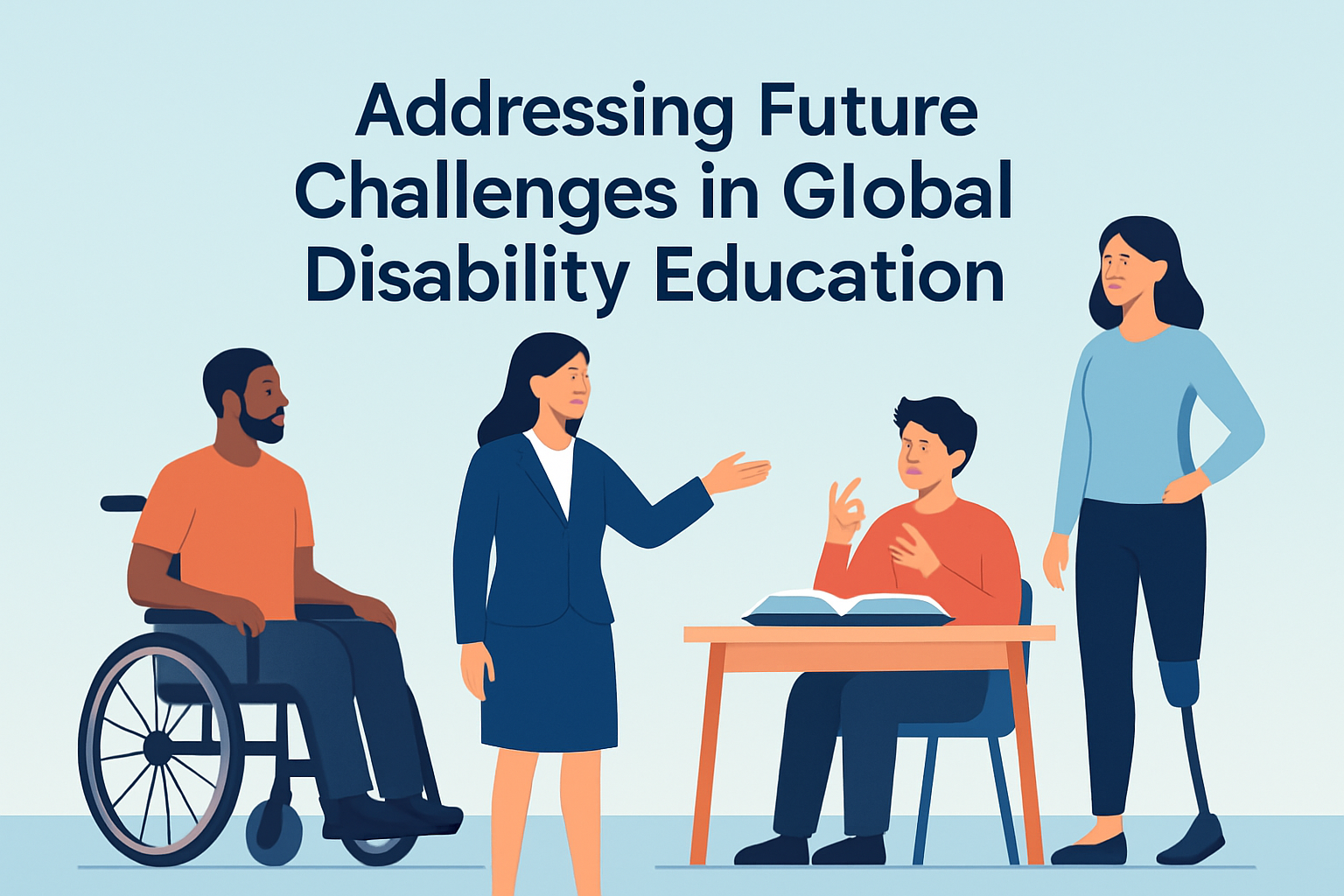
In recent years, the importance of inclusive education has moved to the forefront of global educational discussions. At its core, inclusive education is the practice of ensuring that students of all abilities and backgrounds, including those with disabilities, have access to quality education in mainstream settings. This practice not only promotes equality but also fosters social integration and empowers individuals to reach their full potential. While notable progress has been made, numerous challenges still exist in making global disability education truly inclusive. It matters because education is a basic human right and critical to breaking the cycle of poverty that often disproportionately affects individuals with disabilities. Addressing the challenges in disability education is crucial for building diverse communities and unlocking the untapped potential of countless human beings.
Understanding Legislation and Policy Frameworks
One significant challenge in global disability education is the disparity in legislative and policy frameworks across different countries. While nations such as the United States have established detailed laws like the Individuals with Disabilities Education Act (IDEA), other regions may lack comprehensive legal protections. For example, many developing countries still do not have inclusive education as a right officially enshrined in their laws. This gap leads to inconsistencies in educational quality and access. Teachers in wealthier nations may receive comprehensive training, while those in less developed areas may not, further widening the educational gap. The United Nations’ Convention on the Rights of Persons with Disabilities (CRPD) aims to guide international standards, but its application is inconsistent. As a result, the disparity in legislation can lead to unequal educational opportunities for students with disabilities.
Implementing Effective Teacher Training
Even in regions with strong legislative frameworks, the successful implementation of inclusive education largely depends on the teachers’ ability to accommodate diverse learning needs. Effective teacher training is paramount for cultivating an inclusive classroom environment. However, many educators worldwide report that they feel ill-prepared to teach students with disabilities due to inadequate training or resources. One promising real-world example comes from Finland, where teacher preparation programs include mandatory courses on specialized education techniques. Finnish educators are equipped to tailor their teaching methods to a wide array of learning styles, helping every student to succeed. To foster global improvement, other countries need to integrate similar training programs that focus not only on knowledge but also on practical application in classroom settings.
Navigating Technological Challenges
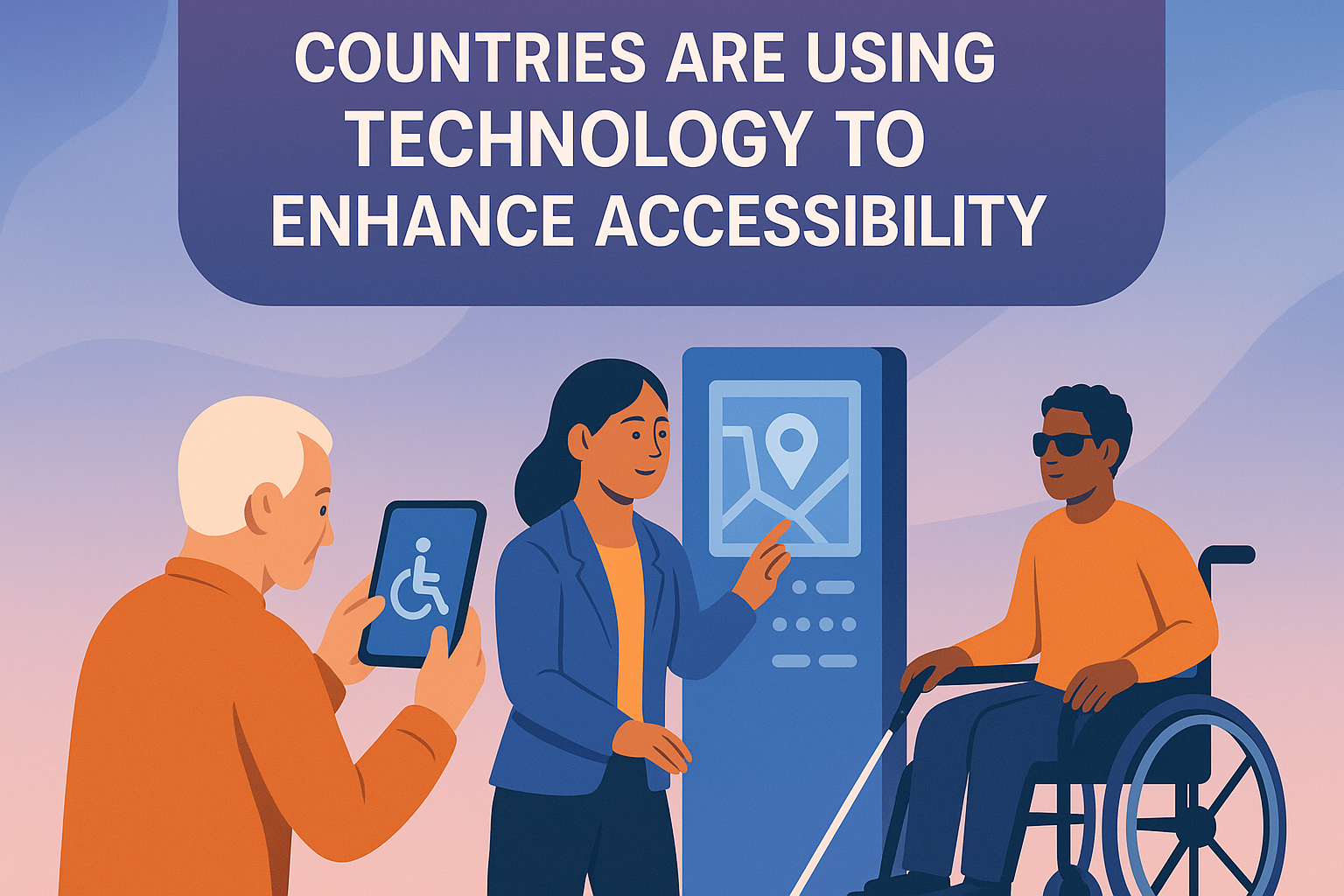
The use of technology has the potential to revolutionize inclusivity in education, yet it also presents its own set of challenges. On one hand, tools such as speech recognition software and interactive whiteboards greatly assist students with physical or cognitive disabilities. Schools in affluent regions often adopt these technologies, creating a dynamic and accessible learning environment. Conversely, the digital divide can exacerbate existing inequities among students with disabilities. In under-resourced areas, schools may lack basic infrastructure like computers and internet access, let alone specialized assistive technologies. Efforts to bridge this gap are underway, with initiatives focusing on providing essential digital infrastructure to disadvantaged schools through partnerships with tech companies and governmental organizations.
- Speech recognition software
- Interactive whiteboards
- Accessible digital content
- Specialized training for teachers in technology use
Addressing Cultural Attitudes and Social Stigma
Cultural attitudes and social stigma also play a significant role in the successful implementation of disability education. In many parts of the world, prevailing misconceptions and biases can hinder inclusive practices. For instance, in certain societies, disabilities are often viewed through a lens of pity or as a familial burden, leading to marginalization and exclusion from educational opportunities. In contrast, nations with a history of advocacy for disability rights have demonstrated that societal attitudes can transform with persistent effort and awareness campaigns. An inspiring example is Japan, where national policies are complemented by public awareness initiatives aimed at changing perceptions and reducing stigma. Harnessing the power of community engagement and educational outreach can lead to a more understanding and receptive societal landscape.
Ensuring Adequate Funding and Resources
A crucial barrier to effective disability education is the lack of adequate funding and resources. Implementing inclusive education policies requires substantial financial investment. This covers everything from building accessible facilities, acquiring appropriate learning materials, and training educators adequately. Wealthier countries can often allocate these resources more easily, allowing them to develop robust educational programs for students with disabilities. However, in as many developing regions, the financial burden falls heavily on individual communities or families, resulting in unequal access to quality education. Globally, educational organizations and governments are working towards solutions like international funding agreements and multi-sector partnerships to pool resources effectively. Through collective effort and investment, it’s possible to provide the necessary support that will enable students with disabilities to thrive.
The Role of Family and Community Involvement
For inclusive education to be genuinely successful, the role of family and community cannot be overlooked. Parents and guardians are crucial advocates for their children, especially when it comes to accessing appropriate educational resources and support services. In countries where social services and educational advocacy are well-developed, parents often have a platform to voice concerns and seek improvements. A key real-world example is the Parents as Partners Initiative in Canada, which integrates parents into the educational planning process. This has led to increased student success rates and higher satisfaction levels among families. To replicate such success globally, educational systems should encourage and facilitate family involvement, offering resources and guidance to empower them as active participants.
Creating Customized Educational Plans
One of the most significant advancements in disability education is the personalization of learning experiences through Individualized Education Plans (IEPs). IEPs ensure that students with disabilities receive tailored educational strategies that meet their unique needs, providing both academic and social benefits. In the United States, IEPs are a standard part of the educational process, involving collaboration between teachers, parents, and specialized staff. The approach has been successful in maximizing student potential, as personalized support targets specific challenges while enhancing individual strengths. Educators around the world can adopt this model by leveraging professional development and training programs that focus on creating similar customized plans. Adopting such personalized approaches globally can ensure students with disabilities receive equitable educational opportunities.
Conclusion and Call to Action
In conclusion, addressing future challenges in global disability education demands coordinated efforts on multiple fronts, including legislation, teacher training, technological access, cultural attitudes, funding, and community involvement. Each section presented insights into specific barriers and provided real-world examples of how countries and communities are making strides toward inclusivity. Through understanding and addressing these challenges, educators, policymakers, and society at large can shape an environment where every student, regardless of ability, can succeed. The importance of this endeavor cannot be overstated—it has the power to transform lives, build inclusive societies, and drive global progress. The next step is a call to action for individuals, communities, governments, and international organizations to commit wholeheartedly to making education accessible and inclusive for all. By embracing innovative approaches and collaborative solutions, we can ensure a brighter, more equitable future for students with disabilities worldwide.
Frequently Asked Questions
1. What are the current global challenges in disability education that need to be addressed?
Globally, the challenge of providing inclusive education for students with disabilities involves multiple layers. Firstly, there is a significant lack of resources and infrastructure, particularly in low-income countries, where schools may lack accessible facilities or specialized equipment. This creates a barrier for students with disabilities who may not be able to physically access classrooms or receive the materials they need to learn effectively.
Moreover, there is often a shortage of adequately trained teachers who are equipped to handle diverse classrooms with students that have varying needs. Many educators lack the specialized training required to adapt their teaching strategies to accommodate all learners, especially those with physical, intellectual, or learning disabilities. Comprehensive teacher training programs that include inclusive education practices are essential in addressing this gap.
Additionally, there is an evident social stigma and lack of awareness surrounding disability that must be overcome. In many cultures, people with disabilities face discrimination which can hinder their educational opportunities. To combat this, it is crucial to promote awareness and understanding about disability, which can pave the way for greater acceptance and inclusivity.
We must also work on system-level challenges, such as inadequate policy frameworks and the need for reforming educational policies to support inclusive practices in schools. Inclusive education cannot be implemented in silos – it involves reshaping the educational ecosystem to ensure everyone gets the support and resources needed to thrive.
2. How can educators better support students with disabilities in inclusive classrooms?
Educators can support students with disabilities by adopting multiple strategies starting with creating an inclusive classroom environment that fosters a sense of belonging among all students. This includes setting up the classroom to be accessible to everyone and ensuring materials are available in multiple formats to cater to various needs.
Professional development for teachers is paramount. Educators should be trained in specialized techniques, such as Universal Design for Learning (UDL), which involves developing lesson plans that accommodate diverse learning styles and abilities. UDL principles emphasize flexibility in how students access material, engage with it, and demonstrate their knowledge.
Furthermore, teachers can implement Individualized Education Programs (IEPs) or similar frameworks that tailor educational plans to meet the specific needs of students with disabilities. Collaborating with special education professionals, counselors, and families also ensures a comprehensive approach to each student’s education.
Effective communication is key – ensuring clear, open, and ongoing dialogue between students, parents, and other professionals about the students’ progress and needs can help keep everyone aligned and focused on the student’s success.
Last but not least, fostering a positive peer environment by educating all students about diversity and inclusion can help reduce stigma and promote a supportive, empathetic classroom culture.
3. What role do technology and innovation play in advancing global disability education?
Technology and innovation have the potential to significantly enhance educational access and engagement for students with disabilities. Assistive technologies, such as screen readers, speech-to-text programs, or communication devices tailored for different needs, have transformed the way learners with disabilities engage with educational content.
Inclusion of adaptive learning software that personalizes the pace and style of instruction can help meet diverse needs in a way that is scalable and efficient for educators to implement. Online learning platforms, if made accessible, also provide flexible and individualized learning opportunities for students who might be unable to participate in traditional classroom settings due to physical or logistical constraints.
Moreover, mobile technologies are increasing in importance, especially in regions where traditional infrastructure is lacking. Apps and digital resources can provide essential education to students with disabilities in remote or under-resourced areas. Emerging technologies like virtual and augmented reality are being explored to create immersive educational experiences that can further support learning for students with sensory processing disorders or other challenges.
Innovation does not only mean using technology but also thinking creatively about approaches to teaching and learning. Developing global partnerships to share resources and best practices can also spark innovation and promote the dissemination of effective tools and strategies across borders.
4. What steps can governments take to improve access to education for students with disabilities?
Governments play a crucial role in fostering an inclusive educational environment by implementing supporting policies and ensuring adequate funding. A foundational step is to promote and enforce legislation that supports the rights of individuals with disabilities, ensuring they have equal access to education as their peers.
Increasing funding for inclusive education initiatives is fundamental. This includes allocating resources for building accessible infrastructure and purchasing necessary equipment and materials. Funding should also support teacher training programs specifically targeting inclusive education strategies and special education expertise.
Governments should facilitate partnerships with NGOs, advocacy groups, and international bodies to leverage expertise, resources, and networks that can bolster national efforts. Collaborating with these partners can aid in conducting research, developing targeted interventions, and assessing the state of disability education in their regions.
Educational policymaking should integrate insights from these collaborations to devise comprehensive strategies that address specific national and local challenges. Furthermore, governments can drive public awareness campaigns that educate society about the importance of inclusive education and the potential of individuals with disabilities, thereby helping to reduce stigma and misinformation.
Regular data collection and analysis on educational outcomes for students with disabilities are crucial for measuring the impact of interventions and informing future policy decisions. This data-driven approach enables governments to target investments and improvements where they are most needed.
5. How can families and communities contribute to advancing inclusive education for students with disabilities?
Families and communities are indispensable partners in advocating for and supporting inclusive education. Active involvement from families begins with engaging with schools and educators to ensure that their child’s needs are met and that they are included in decision-making processes regarding educational plans and interventions.
Family advocacy can be powerful in driving change and highlighting areas where schools and systems may be lacking. Taking part in local or national advocacy organizations can give families a platform to amplify their voices and push for systemic improvements.
Communities can create support networks that offer resources, advice, and emotional support to families of children with disabilities. These networks can facilitate the exchange of information on available services or strategies that have proven effective in inclusive educational settings.
Raising awareness within the community about disabilities and the benefits of inclusive education can help eradicate stereotypes and champion a culture of acceptance. By participating in community-wide dialogues or events centered on disability education, individuals can educate others and encourage an ethos of inclusivity.
Community involvement in schools, such as volunteering or collaborating on educational projects, can further bridge gaps between institutions and local families, creating a more integrated and supportive environment for students with disabilities.