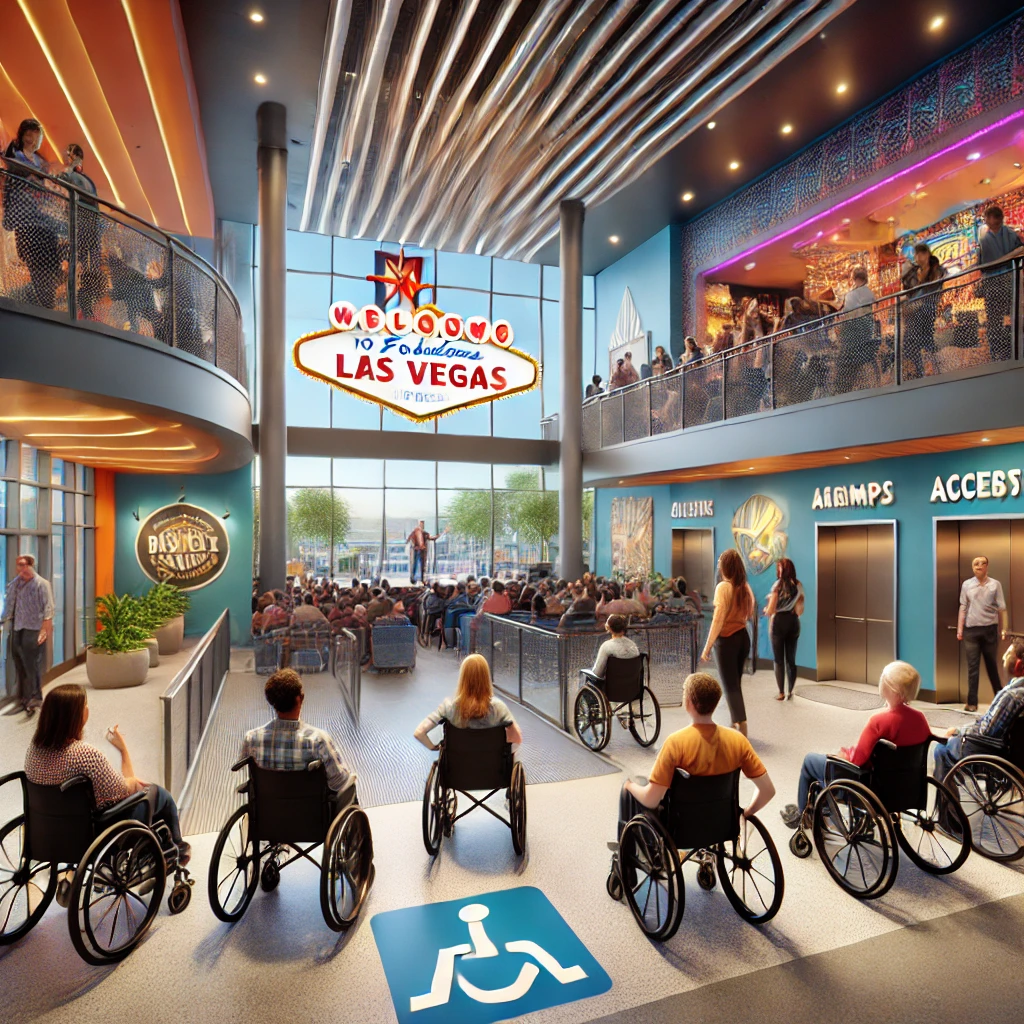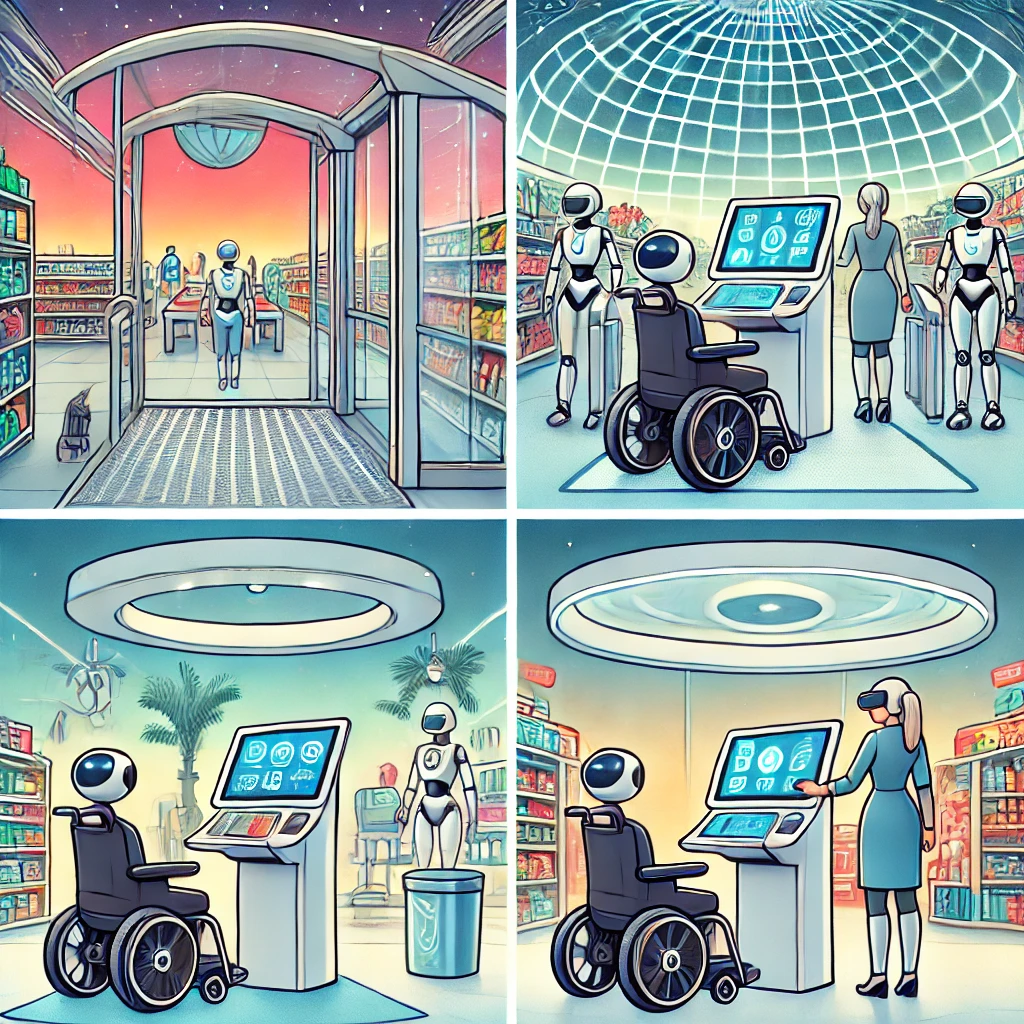
The Americans with Disabilities Act (ADA) is a significant piece of civil rights legislation that prohibits discrimination against individuals with disabilities in all areas of public life. Passed in 1990, the ADA aims to ensure that people with disabilities have the same rights and opportunities as everyone else. Title III of the ADA specifically relates to public accommodations, mandating that businesses and nonprofit service providers make their facilities accessible to individuals with disabilities. Given the rapidly evolving landscape of retail space design, it’s crucial to evaluate how ADA Title III will shape the future of retail environments. This article delves into the intrinsic relationship between ADA Title III and retail space design, exploring current challenges and potential future trends.
Understanding ADA Title III
ADA Title III covers a wide range of public accommodations, including retail stores, restaurants, hotels, movie theaters, and other places of public gathering. According to this title, newly constructed facilities must be fully accessible to individuals with disabilities. Pre-existing buildings are required to remove barriers where it is readily achievable, meaning easily accomplishable without much difficulty or expense.
The DOJ’s ADA Standards for Accessible Design provide the specific requirements to ensure accessibility. These standards cover various design elements, such as entrances, routes of travel, restroom facilities, and customer service areas. Violations can result in hefty fines and potentially damaging lawsuits. As such, compliance with ADA Title III is not just a legal obligation but also a smart business practice. Ensuring accessibility broadens your customer base, improves customer experience, and fosters goodwill within the community.
The Impact of ADA on Retail Space Design
Retail spaces are undergoing significant transformations, driven by technological advancements and evolving consumer preferences. While modern design trends focus on aesthetics and functionality, they also need to comply with ADA guidelines. Traditional design elements, like narrow aisles and high shelves, are being reevaluated to make spaces more inclusive and accessible.
A key component of accessible retail space design is the incorporation of universal design principles, which prioritize usability for all people, regardless of their abilities. This includes features like wider aisles, lower counters, accessible dressing rooms, and properly spaced fixtures. These elements not only make the stores accessible but also create a more welcoming environment for all shoppers.
Challenges Facing Retailers
Despite the clear guidelines set forth by ADA Title III, many retailers face challenges in achieving full compliance. One common hurdle is the financial burden associated with retrofitting existing buildings to meet ADA standards. Smaller businesses, in particular, often struggle to allocate sufficient resources for such renovations.
Another challenge is the lack of awareness or understanding of ADA requirements among business owners and designers. Misunderstandings about specific guidelines, such as the required width of aisles or the correct height for service counters, can result in unintentional non-compliance. Additionally, the fast-paced nature of retail and frequent layout changes pose ongoing challenges to maintaining accessibility.
Furthermore, balancing ADA compliance with brand-specific design and aesthetic choices can be difficult. Retailers need to collaborate closely with designers, architects, and accessibility consultants to create spaces that are both compliant and aligned with their brand identity.
Innovative Solutions for ADA Compliance
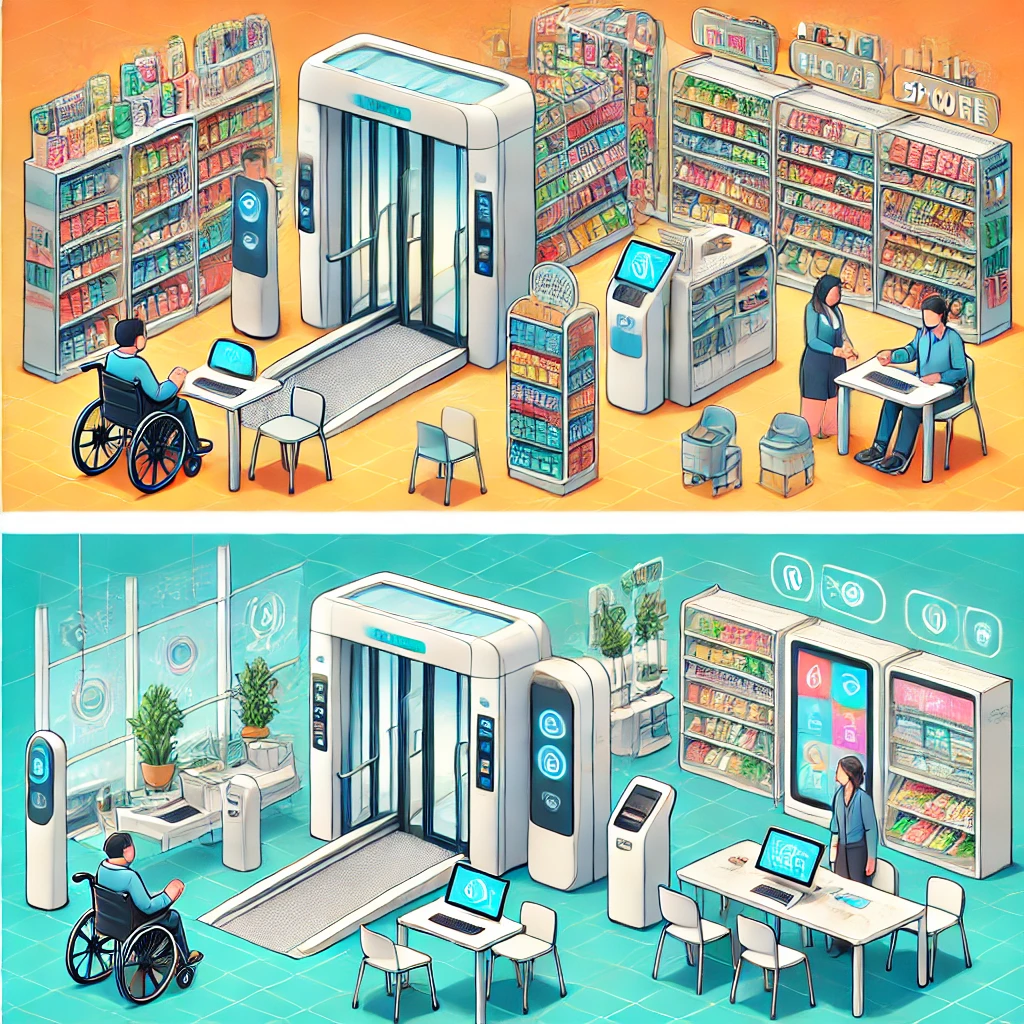
Innovation and creativity play a pivotal role in overcoming the challenges of ADA compliance in retail spaces. Technological advancements have led to new solutions that make accessibility seamlessly integrated into modern design. For instance, adjustable fixtures and flexible design elements can cater to a diverse range of needs without sacrificing aesthetic appeal.
The use of smart technology is particularly promising. Smart navigation apps help visually impaired customers navigate stores more easily, while smart shelves and tags can provide audible information about products. Augmented reality (AR) and virtual reality (VR) technologies offer the potential for enhanced shopping experiences, allowing customers to explore products virtually without physical barriers.
Collaborative efforts among designers, architects, and accessibility experts result in innovative designs that meet ADA requirements while enhancing the overall shopping experience. These solutions demonstrate that accessibility and modern retail design can coexist harmoniously.
The Role of Policy and Advocacy
While technological and design innovations are crucial, effective policy and advocacy efforts are equally important in promoting ADA compliance. Government agencies and advocacy groups play a vital role in educating businesses about ADA requirements and the benefits of accessibility.
Organizations like the Disability Rights Education & Defense Fund (DREDF) provide valuable resources and support to businesses striving for ADA compliance. Public awareness campaigns, workshops, and training programs help business owners understand the legal and ethical implications of non-compliance. Moreover, policy changes and updates to ADA standards ensure that accessibility keeps pace with evolving retail trends and technologies.
Advocacy efforts also focus on enforcement. Regular inspections and audits by regulatory bodies encourage compliance and hold businesses accountable. Accessibility lawsuits, although challenging, highlight the importance of adherence to ADA standards and drive positive change within the retail industry.
The Future of ADA in Retail Space Design
Looking ahead, the future of ADA in retail space design promises exciting possibilities. As societal attitudes toward accessibility continue to evolve, there is an increasing emphasis on inclusive design. The principles of universal design will become even more integral to retail spaces, ensuring they cater to the diverse needs of all customers.
The integration of advanced technologies will play a significant role in shaping accessible retail environments. From AI-powered customer service assistants to personalized shopping experiences, technology will enhance accessibility and make retail spaces more inclusive. The rise of online and omnichannel retailing further underscores the need for accessible digital interfaces, bridging the gap between physical and virtual shopping experiences.
Furthermore, sustainability and accessibility will converge in future retail design. Sustainable materials and practices can be integrated with accessible design principles, creating spaces that are both environmentally responsible and inclusive. This holistic approach aligns with the growing consumer demand for ethical and socially responsible businesses.
Conclusion
In conclusion, ADA Title III has a profound impact on the future of retail space design. Ensuring accessibility is not just a legal requirement but a fundamental aspect of creating inclusive and welcoming environments for all customers. Despite the challenges, innovative solutions, technological advancements, and strong advocacy efforts are paving the way for a more accessible retail landscape.
As the retail industry continues to evolve, the principles of universal design and inclusive accessibility will shape the next generation of retail spaces. By embracing these principles, businesses can enhance customer experiences, foster positive community relationships, and contribute to a more inclusive society.
The journey toward full ADA compliance and accessible retail design is ongoing, but the future holds tremendous potential. Through collaboration, innovation, and a commitment to inclusivity, retail spaces can truly become places where everyone, regardless of their abilities, feels welcome and valued.
Frequently Asked Questions
1. What is ADA Title III and how does it impact retail space design?
ADA Title III is part of the Americans with Disabilities Act of 1990, which focuses on public accommodations and commercial facilities. Essentially, it requires businesses and nonprofit service providers to ensure their spaces are accessible to individuals with disabilities. This law impacts retail space design by mandating specific architectural standards so customers with disabilities have equal access to goods and services. For example, the inclusion of ramps, wider doorways, and accessible restrooms are hallmarks of ADA-compliant design. Future design considerations for retail spaces would need to integrate these elements seamlessly, making accessibility an integral part of the experience rather than an afterthought. This also means considering things like digital accessibility if retail services are provided online, ensuring websites and digital interfaces are usable for everyone, including those with visual or cognitive impairments.
2. What challenges do retailers face in complying with ADA Title III?
Retailers face various challenges when it comes to complying with ADA Title III. A primary hurdle is the cost involved in redesigning existing structures to meet accessibility standards, especially in older buildings that may be constrained by their design. Understanding the comprehensive requirements of ADA compliance can also be difficult without professional guidance, potentially leading to costly mistakes and retrofits. Additionally, as retail becomes more prevalent online, ensuring that digital interfaces meet accessibility standards can be complex and require continuous updates to align with the evolving digital landscape. Retailers must also balance aesthetic desires with functional needs, creating spaces that are welcoming to all customers while maintaining brand identity. Failure to comply not only affects potential clientele who might find the spaces unusable but can also open venues to litigation and penalties.
3. How can technology aid in designing retail spaces that comply with ADA Title III?
Technology plays a pivotal role in assisting the design and renovation of retail spaces to comply with ADA Title III. 3D modeling and simulation tools can help architects and designers visualize proposed spaces and assess accessibility features, ensuring compliance from the outset. Additionally, advancements in materials and construction techniques mean that accessibility modifications can be more seamlessly integrated into spaces without disrupting aesthetic values. For online retail components, technology can help improve website accessibility through plugins and features like screen reader compatibility, keyboard navigation, and alternative text for images. Voice recognition systems, beacon technologies for interior navigation, and augmented reality (AR) can be used to enhance in-store experiences for those with disabilities, making interactions more intuitive and inclusive. The future of retail design heavily leans on technological innovations to create environments that are not just accessible but also tailored to the needs of every potential customer.
4. Are there any new trends in retail space design that focus on accessibility?
Yes, several new trends in retail space design focus on enhancing accessibility and customer experience for everyone. One of the foremost trends is the concept of “inclusive design,” which goes beyond mere compliance. Inclusive design prioritizes the needs of all users within a retail environment, ensuring that spaces are welcoming and usable by as many people as possible without separate or segregated solutions. Retailers are moving towards layouts that allow easier navigation, such as wider aisles and adaptable shelving that adjusts to various heights and reach. Another emerging trend is “experiential retail,” where stores focus on creating experiences that engage all the senses, often using technology like touch displays and interactive exhibits tailored for ease of use by individuals with disabilities. Incorporating sensory-friendly spaces and using color and light thoughtfully are also gaining traction. Another vital trend involves the seamless integration of online and in-store experiences, making accessibility uniform across platforms.
5. What are the legal implications for retailers who fail to comply with ADA Title III?
The legal implications for retailers who fail to comply with ADA Title III can be significant. Non-compliance can lead to lawsuits from individuals denied equal access to services or facilities, which can be costly in terms of legal fees and potential settlements or fines. Businesses may be required to make necessary modifications as part of legal judgments, which could compound the initial costs of failing to comply. Furthermore, facing litigation can damage a retailer’s reputation, affecting customer relationships and community standings. Federal agencies or local governments may also impose penalties for non-compliance, and businesses could be ordered to part-take in regular compliance checks. Beyond the legal implications, there are ethical considerations; failing to provide accessible environments excludes a significant portion of the population, which is never good for business and goes against the spirit of inclusivity and equal opportunity mandated by the ADA. Retailers are therefore incentivized to proactively ensure their spaces and services are fully accessible.