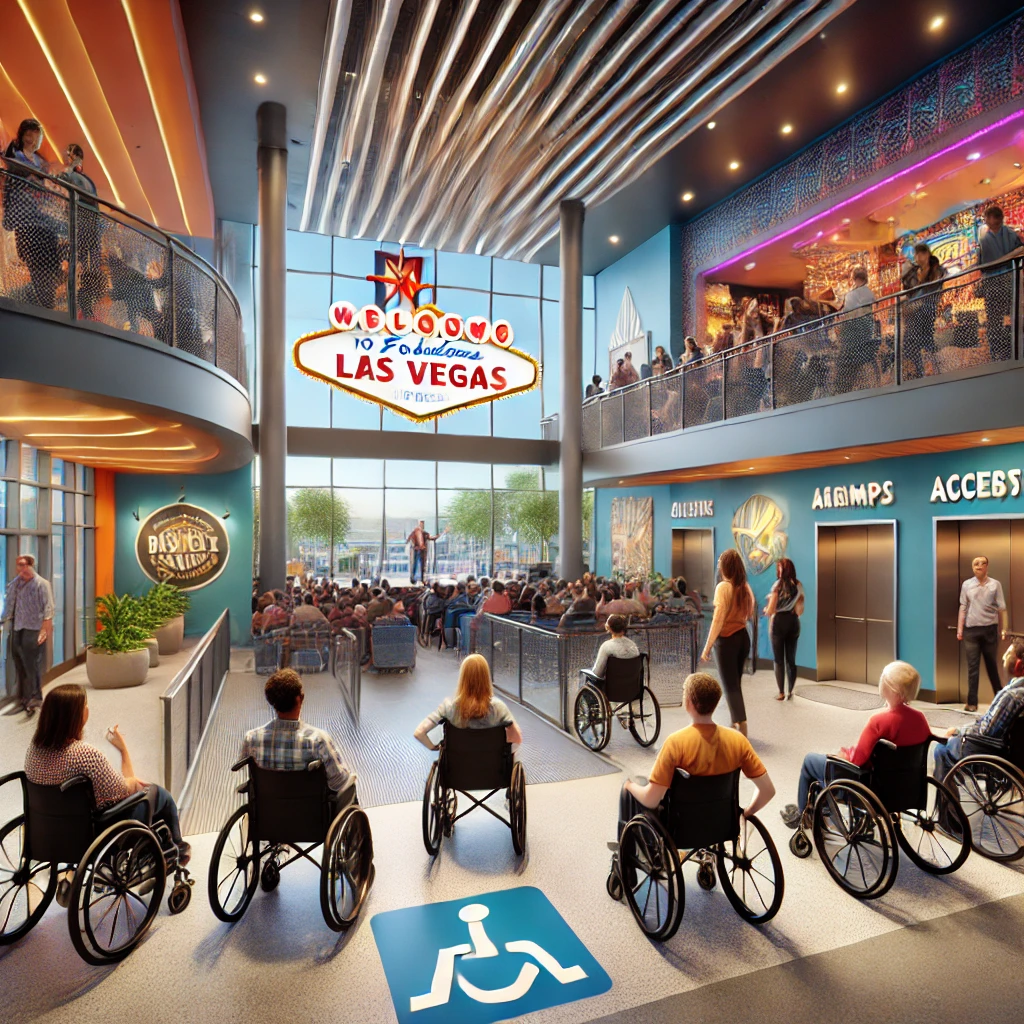
Since its enactment in 1990, the Americans with Disabilities Act (ADA) has been a cornerstone civil rights law aimed at eliminating discrimination based on disability. Title III of the ADA specifically addresses public accommodations, ensuring that individuals with disabilities have access to services and facilities. While the initial focus was on physical accessibility, the evolution of technology has led to expanded interpretations and applications of Title III. Over the years, the integration of accessible technology has become paramount in fulfilling the promise of the ADA, providing a more inclusive environment for people with disabilities.
Public accommodations under Title III include a broad range of facilities such as restaurants, hotels, theaters, and retail stores. Initially, accommodations were predominantly about physical changes like ramps and Braille signage. However, the rise of the digital age and the Internet has broadened the scope, requiring the implementation of tech solutions like screen readers, captioning services, and accessible websites. This article delves into the evolution of accessible technology in the context of ADA Title III, highlighting key advancements and ongoing challenges.
Accessible technology is not just a requirement but a vital component of inclusivity that empowers individuals with disabilities to participate fully in society. It’s essential to understand the legal framework, technological advancements, and the future landscape of accessibility to appreciate how Title III continues to evolve. Through reflection on past achievements and current challenges, we can better envision a more inclusive future.
The Legal Framework: ADA and Public Accommodations
Title III of the Americans with Disabilities Act mandates that public accommodations must be accessible to individuals with disabilities. This initially meant physical changes, such as installing ramps, widening doorways, and providing accessible restrooms. Businesses and organizations were required to comply with strict standards set by the ADA Accessibility Guidelines (ADAAG). However, as society has become increasingly digital, the interpretation of “accessibility” under Title III has expanded.
The legal framework continues to evolve, with courts and regulatory bodies interpreting the ADA in the context of digital environments. For example, the Department of Justice (DOJ) has issued guidance on website accessibility, emphasizing that websites and digital platforms should be accessible to individuals with disabilities. This has significant implications for a wide range of public accommodations, from brick-and-mortar stores with an online presence to purely digital businesses.
One of the landmark cases in this area is Gil v. Winn-Dixie Stores, Inc., where the court ruled that a grocery store’s website must be accessible under the ADA. This case and others like it have helped to clarify that digital accessibility falls within the scope of Title III, although there is still ongoing debate and legal interpretation.
Understanding the legal framework is crucial for businesses and organizations as they strive to comply with Title III. Ensuring accessibility involves not only meeting existing standards but also staying informed about legal developments and technological advancements. Through a combination of compliance, innovation, and commitment to inclusivity, public accommodations can better serve individuals with disabilities.
Technological Advancements in Accessibility
Advancements in technology have had a profound impact on accessibility, making it possible to create environments that cater to a wide range of disabilities. Innovations such as screen readers, voice recognition software, and audio descriptions have opened up new avenues for inclusivity. These technologies enable individuals who are blind or have low vision to navigate websites, read documents, and interact with digital platforms independently.
Similarly, advancements in captioning and sign language interpretation technology have improved accessibility for individuals who are deaf or hard of hearing. Real-time captioning services, video relay services (VRS), and text-to-speech applications have significantly enhanced communication and access to information. These technologies are now commonly integrated into educational settings, workplaces, and public venues, demonstrating a commitment to accessibility.
Mobile technology has also played a pivotal role in advancing accessibility. Smartphones equipped with accessibility features such as screen magnifiers, voice commands, and customizable interfaces provide unprecedented levels of independence to individuals with disabilities. Apps designed for navigation, communication, and daily living support further contribute to an inclusive environment.
Innovative breakthroughs like these illustrate the potential of technology to transform accessibility. However, it’s important to note that accessibility features should be thoughtfully integrated into all aspects of public accommodations. Ensuring that technology is user-friendly, intuitive, and responsive to the needs of individuals with disabilities is key to its effectiveness.
Challenges in Implementing Accessible Technology
While technological advancements have significantly improved accessibility, there are still challenges that need to be addressed. One of the major hurdles is the cost associated with implementing accessible technology. Small businesses and non-profit organizations may struggle to afford the necessary upgrades, training, and maintenance required to ensure compliance with accessibility standards.
Lack of awareness and understanding of accessibility requirements is another common challenge. Many businesses may not fully comprehend the legal obligations under the ADA or the specific needs of individuals with disabilities. This can result in unintentional barriers and gaps in accessibility. Ongoing education and training are essential to bridge this knowledge gap and promote a culture of inclusivity.
Technological limitations and compatibility issues can also pose challenges. Software and hardware may not always work seamlessly together, leading to accessibility problems. For example, a website designed with accessibility in mind might still be difficult to navigate if certain assistive technologies are not supported. Ensuring compatibility and staying updated with the latest technology trends are critical components of effective accessibility.
Finally, there is the challenge of keeping up with the rapid pace of technological change. As new devices and platforms emerge, maintaining accessibility requires continuous effort and vigilance. Businesses and organizations must be proactive in adapting to new technologies and updating their accessibility features to stay compliant with evolving standards.
Best Practices for Enhancing Accessibility
Enhancing accessibility involves a proactive approach that integrates best practices across various aspects of public accommodations. Here are some key strategies to consider:
- Conduct Accessibility Audits: Regularly assess your facilities, websites, and digital platforms to identify and address accessibility barriers. Audits should be comprehensive and include input from individuals with disabilities.
- Engage with the Community: Collaborate with disability advocacy groups and seek feedback from individuals with disabilities to better understand their needs and preferences. This engagement can inform your accessibility initiatives and ensure they are effective and meaningful.
- Implement Universal Design Principles: Design environments and technologies that are inherently accessible to the broadest range of users, regardless of ability. Universal design promotes inclusivity and reduces the need for specific accommodations.
- Provide Training and Resources: Educate staff and stakeholders about accessibility requirements and best practices. Provide resources and training to ensure they can effectively support and accommodate individuals with disabilities.
- Stay Informed: Keep up-to-date with legal developments, technological advancements, and best practices in accessibility. Join professional organizations, attend conferences, and participate in relevant training opportunities.
These best practices can help create a more inclusive environment and demonstrate a commitment to accessibility. By integrating these strategies, businesses and organizations can better serve individuals with disabilities and fulfill the promise of the ADA.
The Future of Accessible Technology
The future of accessible technology holds exciting potential for further enhancing inclusivity and independence for individuals with disabilities. Emerging technologies such as artificial intelligence (AI), augmented reality (AR), and the Internet of Things (IoT) are poised to revolutionize accessibility in public accommodations.
AI-powered tools can offer personalized accessibility solutions, such as customized screen readers, voice assistants, and real-time translation services. These tools can adapt to the unique needs of each user, providing a tailored experience that enhances usability and access to information.
AR technology can create immersive and interactive experiences that make public spaces more navigable for individuals with disabilities. For example, AR navigation apps can provide real-time guidance and contextual information, helping users find their way and access services with greater ease.
The IoT connects various devices and systems, enabling seamless communication and control. Smart home technologies, wearable devices, and connected public infrastructure can provide enhanced accessibility and convenience. For instance, IoT-enabled transportation systems can offer real-time updates and accessibility features, improving mobility for individuals with disabilities.
As these technologies continue to advance, it is crucial to prioritize accessibility and inclusivity in their development and implementation. Collaboration between technology developers, businesses, policymakers, and disability advocates is essential to ensure that emerging technologies meet the needs of individuals with disabilities and align with the goals of the ADA.
Conclusion
The Americans with Disabilities Act and its Title III provisions have played a critical role in promoting accessibility and inclusivity in public accommodations. As technology continues to evolve, so too must our efforts to ensure accessibility. From legal frameworks to technological advancements and best practices, there are numerous ways to enhance accessibility and create a more inclusive environment for individuals with disabilities.
The journey toward full accessibility is ongoing, requiring continuous commitment, innovation, and collaboration. By embracing accessible technology and integrating it into all aspects of public accommodations, we can create a society where individuals with disabilities have equal access to services, opportunities, and experiences.
Ultimately, the evolution of accessible technology under Title III of the ADA reflects a broader societal shift towards inclusivity and equality. It is a testament to the power of technology to transform lives and make the world more accessible for everyone. As we look to the future, let us continue to champion accessibility and work together to build a more inclusive world.
Frequently Asked Questions
1. What is ADA Title III and how does it relate to accessible technology?
The Americans with Disabilities Act (ADA) is a landmark civil rights law, enacted in 1990, that aims to eliminate discrimination against individuals with disabilities. Title III of the ADA specifically focuses on public accommodations, meaning it requires businesses and organizations that serve the public to ensure equal access to their goods, services, and facilities for people with disabilities. Originally, the focus of Title III was predominantly on ensuring physical accessibility by implementing features like ramps and elevators. However, as technology has evolved, so has its interpretation. Nowadays, accessible technology has become a significant aspect of compliance, ensuring that digital and online services, such as websites and mobile applications, are usable by individuals with disabilities. This evolution highlights a shift from purely physical access to an inclusive digital experience, considering the essential need for all individuals to engage with technology in society today.
2. How has technology evolved to support ADA Title III compliance?
Over the last few decades, technology has undergone rapid growth and transformation, impacting how accessibility is addressed under ADA Title III. Initially, the focus was on tangible changes in the physical environment to accommodate individuals with disabilities. However, with the advent of the internet and digital applications, there is an increasing need to make these virtual spaces accessible. This involves creating websites and apps that are compatible with assistive technologies like screen readers, voice recognition software, and alternative input devices. The evolution also involves using universal design principles and web accessibility standards, such as the Web Content Accessibility Guidelines (WCAG), to ensure that digital content is perceivable, operable, understandable, and robust for all users. The integration of accessible technology under ADA Title III reflects an understanding of technology’s crucial role in equal access and opportunity.
3. What challenges do businesses face in meeting ADA Title III requirements for accessible technology?
Businesses face several challenges in complying with ADA Title III requirements as they pertain to accessible technology. One primary challenge is staying updated with technology’s constant evolution and ensuring that their digital platforms do not lag in accessibility. There is also the complexity of understanding specific technical requirements and standards, such as WCAG, which may necessitate specialized knowledge or consultancy. Another issue is balancing the cost and resources required for accessibility upgrades, which can be substantial, especially for small businesses. Additionally, organizations may encounter difficulties in integrating accessibility features into existing technology or legacy systems. Finally, businesses must adopt a proactive rather than reactive approach to accessibility, fostering an inclusive culture where accessibility considerations are integral to the development and procurement process of technologies.
4. What benefits can businesses gain from adopting accessible technology under ADA Title III?
Compliance with ADA Title III not only fulfills legal obligations but also yields significant benefits for businesses. Adopting accessible technology enhances the user experience for everyone, including people with disabilities, leading to increased engagement and customer satisfaction. It broadens the potential customer base, reaching millions of individuals who rely on accessible technology. By demonstrating a commitment to inclusivity and accessibility, businesses can improve their public image and brand reputation. Moreover, accessible technology can lead to innovation—designing for diverse needs often results in better products for all users. Additionally, it can mitigate legal risks associated with non-compliance, such as lawsuits or penalties, providing peace of mind and protecting the business’s interests. Accessibility is increasingly becoming a competitive advantage, reflective of a business’s adaptability and forward-thinking approach.
5. How can businesses stay updated on ADA Title III compliance regarding accessible technology?
To stay updated on ADA Title III compliance, businesses should establish continuous learning and monitoring practices. They can begin by subscribing to updates from official sources like the ADA National Network or the U.S. Department of Justice, which frequently release guidance and news on accessibility regulations. Engaging with professional organizations, such as the International Association of Accessibility Professionals (IAAP), can provide insights and networking opportunities with other accessibility professionals. Businesses should also consider training their staff on accessibility best practices and incorporating regular assessments of their digital platforms against the latest standards and guidelines, like WCAG. Hiring or consulting with experts in digital accessibility can ensure a company’s technology remains inclusive. Additionally, businesses should foster partnerships with disability advocacy groups, obtaining feedback directly from end-users to enhance their accessibility efforts. This proactive approach helps businesses not only comply with current regulations but anticipate future developments in accessible technology law.