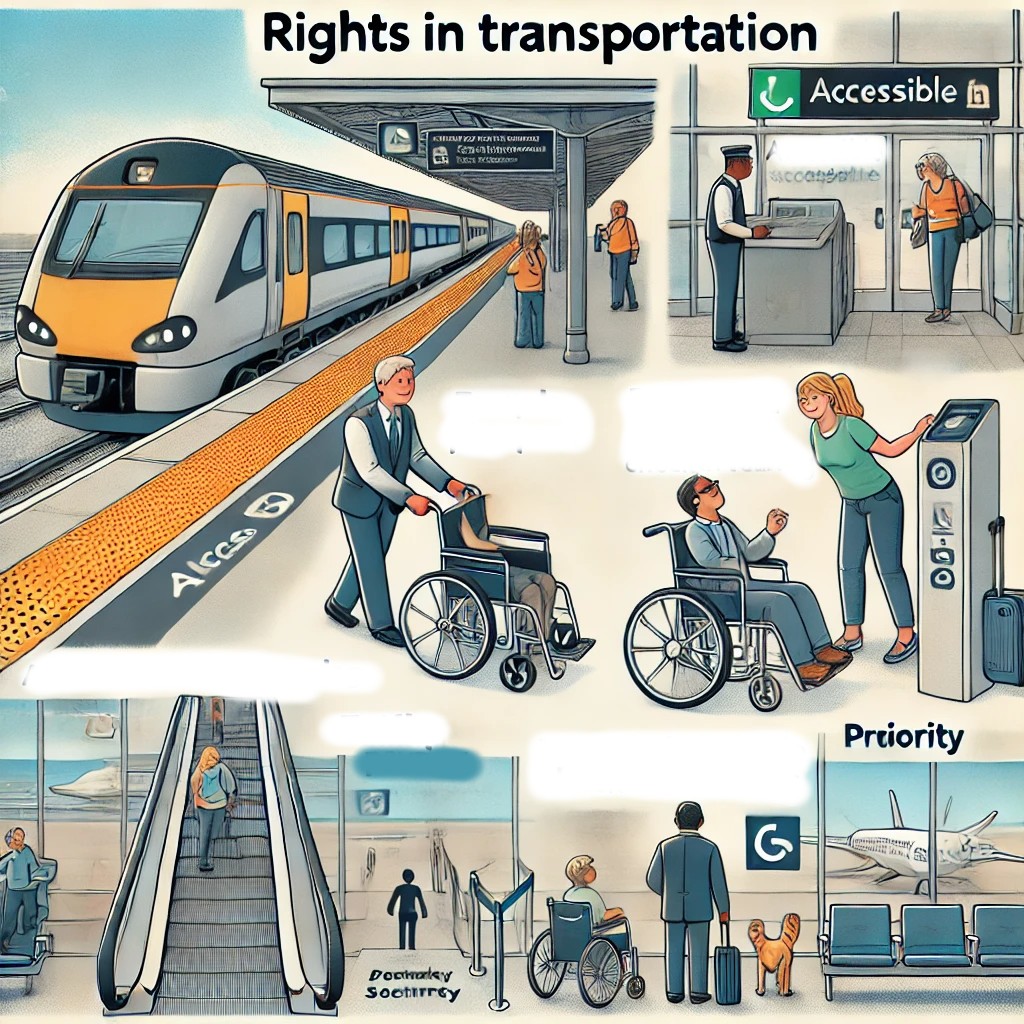
The Americans with Disabilities Act (ADA) plays a crucial role in ensuring that individuals with disabilities have equal rights and opportunities. One of the important aspects where ADA rights and protections come into play is within community events and gatherings. These activities foster social interaction, community engagement, and inclusion, which are essential for the well-being of any individual, including those with disabilities.
INTRODUCTION
Understanding and adhering to ADA rights and protections during community events and gatherings is not just a legal obligation but also a moral duty. The ADA, which was enacted in 1990, aims to eliminate discrimination against people with disabilities and ensure they have the same opportunities as others to participate in all areas of public life, including community events.
In this comprehensive guide, we will explore the significance of ADA compliance in community engagements, the responsibilities of event organizers, specific accommodations required to ensure inclusivity, the process of conducting ADA audits, and the resources available for support. This article serves as an informative resource for individuals and organizations planning or participating in community events to ensure they are ADA-compliant.
Importance of ADA Compliance in Community Events
ADA compliance in community events is fundamental to creating an inclusive and welcoming environment for all. When events are accessible, they promote social inclusion, break down barriers, and provide equal opportunities for participation to everyone, regardless of their physical or mental abilities.
Accessible environments encourage the participation of people with disabilities, which can lead to more diverse and richer community interactions. Compliance with the ADA ensures that no one is left out or discriminated against due to the lack of appropriate facilities or accommodations. The benefits are manifold:
- Promotes community integration and participation
- Encourages diversity and inclusiveness
- Boosts societal awareness and understanding of disabilities
- Prevents discrimination and legal repercussions
Overall, adhering to ADA guidelines not only benefits individuals with disabilities but enhances the overall quality and inclusiveness of community events, making them more enjoyable and meaningful for everyone.
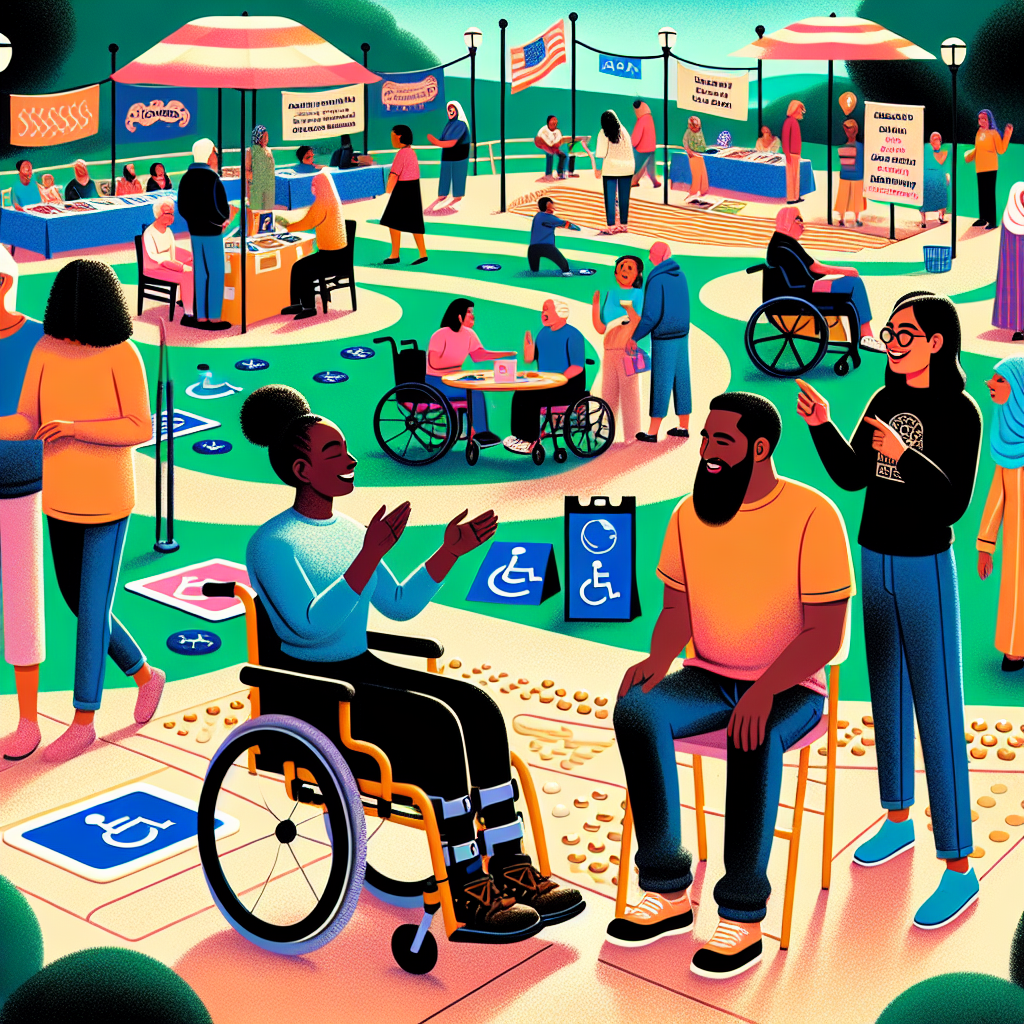
Responsibilities of Event Organizers
Organizers of community events have a significant role in ensuring ADA compliance. It’s essential that they recognize their responsibilities and take proactive measures to make their events accessible to all attendees. Key responsibilities include:
Pre-Planning Considerations
From the outset, accessibility should be integrated into the event planning process. This involves selecting an accessible venue, considering transportation options for individuals with disabilities, and ensuring the availability of accessible restrooms and other facilities.
Staff Training and Awareness
Training staff and volunteers on ADA policies and the specific needs of individuals with disabilities is crucial. Awareness programs should be conducted to sensitize everyone involved in the event to issues of accessibility and inclusivity.
Communication and Information
Providing clear and accessible information about the event to all potential attendees is vital. This includes offering materials in various formats (e.g., large print, braille) and ensuring that event websites are ADA-compliant.
Accommodations and Services
Organizers should be prepared to offer specific accommodations, such as sign language interpreters, assistive listening devices, and wheelchair-accessible seating. Proactive communication with attendees to understand their specific needs is essential.
Specific Accommodations Required
Community events and gatherings must address a range of accommodations to ensure full participation by individuals with disabilities. Key accommodations include:
Physical Accessibility
Meeting ADA standards for physical accessibility involves ensuring that venues, pathways, and restrooms are wheelchair accessible. This includes installing ramps, elevators, and adequate signage to assist navigation.
Sensory Accommodations
Sensory accommodations such as quiet spaces, noise-canceling headphones, and visual aids should be considered. These can significantly enhance the experience for individuals with sensory sensitivities or impairments.
Accessible Communication
Providing accessible communication methods, such as sign language interpretation, captioning for audio-visual materials, and offering printed materials in alternative formats, ensures that individuals with hearing or visual impairments can fully engage with the event’s content.
Transportation and Parking
Ensuring accessible transportation options and designated parking spaces near the event venue is vital. This can include providing shuttle services equipped with lifts and accessible drop-off points.
Conducting ADA Audits
An ADA audit is a comprehensive assessment of a venue or event to ensure it meets ADA standards and is accessible to individuals with disabilities. Conducting such audits can help event organizers identify potential barriers and address them proactively.
Pre-Event Audits
Conducting pre-event audits helps identify accessibility issues before they become problems during the event. This involves a thorough review of the venue, facilities, and services to ensure compliance with ADA guidelines.
Engaging Experts
Hiring ADA compliance experts or consultants can provide valuable insights and ensure a thorough assessment. These professionals can offer recommendations for improvements and guide organizers through the implementation process.
Regular Reviews
Accessibility needs and guidelines can evolve over time. Regular reviews and updates of the venue’s accessibility features and practices ensure ongoing compliance and inclusivity for future events.
Resources and Support
There are numerous resources and support systems available for event organizers to ensure ADA compliance. These resources provide guidance, training, and tools to create inclusive and accessible events.
ADA National Network
The ADA National Network offers extensive resources, including training programs, technical assistance, and informational materials to support ADA compliance efforts.
Local Advocacy Groups
Local disability advocacy groups can provide valuable insights and assistance. Collaborating with these organizations can help understand the specific needs of the local community and ensure inclusivity.
Government Agencies
Various government agencies, such as the Department of Justice (DOJ) and the Equal Employment Opportunity Commission (EEOC), offer guidance and enforcement of ADA regulations. These agencies can provide support and resolve any compliance issues that arise.
CONCLUSION
Ensuring ADA compliance for community events and gatherings is essential to fostering an inclusive and welcoming environment for all. It is not only a legal requirement but a commitment to equal rights and opportunities for individuals with disabilities.
Event organizers hold the responsibility to plan and execute events that are accessible to everyone. By understanding and implementing ADA guidelines, they can create spaces where all participants feel valued and included. Specific accommodations, thorough planning, and regular audits are key components of this effort.
Ultimately, ensuring ADA compliance enhances the overall quality of community events, promotes social inclusion, and reflects a commitment to upholding the rights and dignity of individuals with disabilities. With the resources and support available, event organizers can confidently create accessible and enjoyable experiences for everyone.
Frequently Asked Questions
1. What is the importance of ADA compliance in community events and gatherings?
ADA compliance in community events and gatherings is important because it ensures that individuals with disabilities have equal access to participate and enjoy these events alongside others. These activities are not just occasions for entertainment or leisure; they represent one of the few opportunities people have to engage socially, form community bonds, and actively participate in society. By adhering to ADA standards, event organizers confirm their commitment to inclusivity and diversity, reinforcing the idea that community activities are a space for everyone, irrespective of their physical capabilities. This can greatly improve the quality of life for individuals with disabilities, who might otherwise feel isolated or marginalized.
2. How can event organizers ensure that their events are ADA compliant?
To ensure ADA compliance, event organizers should first familiarize themselves with the ADA guidelines related to public events. This includes providing accessible entrances, seating, parking, and restrooms. Venues must be chosen with accessibility in mind, such as ramps instead of stairs for easy entrance and exit. During planning, considering assistive listening devices for those who are hard of hearing, and having sign language interpreters or real-time captioning for the hearing impaired can make a significant difference. Additionally, outreach and advertisement of the event should clearly communicate the accessibility options available. Organizers can also seek feedback from attendees with disabilities to improve future events and ensure they are aligned with ADA requirements.
3. What types of accommodations might be necessary for attendees with disabilities?
Accommodations can vary widely depending on the specific event and the nature of the disabilities of potential attendees. Necessary accommodations could include physical modifications like ramps, wide doorways, and elevators for wheelchair accessibility. Communication aids, such as large print materials, Braille programs, and assistive listening systems, can support individuals with visual, auditory, or learning disabilities. Additionally, service animals must be allowed to accompany individuals during the event. Creating a welcoming environment where staff and volunteers are trained to assist people with disabilities can also facilitate better engagement. Each accommodation must be addressed with sensitivity and an understanding that each individual’s needs may differ.
4. Are there any penalties for failing to comply with ADA at community events and gatherings?
Yes, failing to comply with ADA regulations can lead to significant legal penalties for event organizers or venue operators. Individuals who feel they have been discriminated against due to non-compliance can file complaints with the Department of Justice, which may lead to investigations and enforcement actions. This can result in not only fines and penalties but also lawsuits, which could be damaging both financially and reputationally for the organization. Moreover, failure to comply can lead to a lack of trust and credibility within the community, potentially reducing the number of attendees at future events. It underscores the critical importance of integrating ADA compliance into the planning process from the outset.
5. How can people with disabilities provide feedback or report ADA compliance issues at events?
Individuals with disabilities can provide feedback or report issues regarding ADA compliance in several ways. Most importantly, event planners should establish clear communication channels such as hotlines, websites, or a contact person specifically designated to handle these inquiries and complaints. Feedback forms available online or in accessible formats during the event can also encourage direct input. Additionally, individuals can contact the event host or venue directly. If issues are not resolved at a local level, attendees have the right to file a complaint with the Department of Justice or their local ADA coordinator. Encouraging feedback not only helps resolve immediate accessibility issues but also aids in improving future events to make them more inclusive.