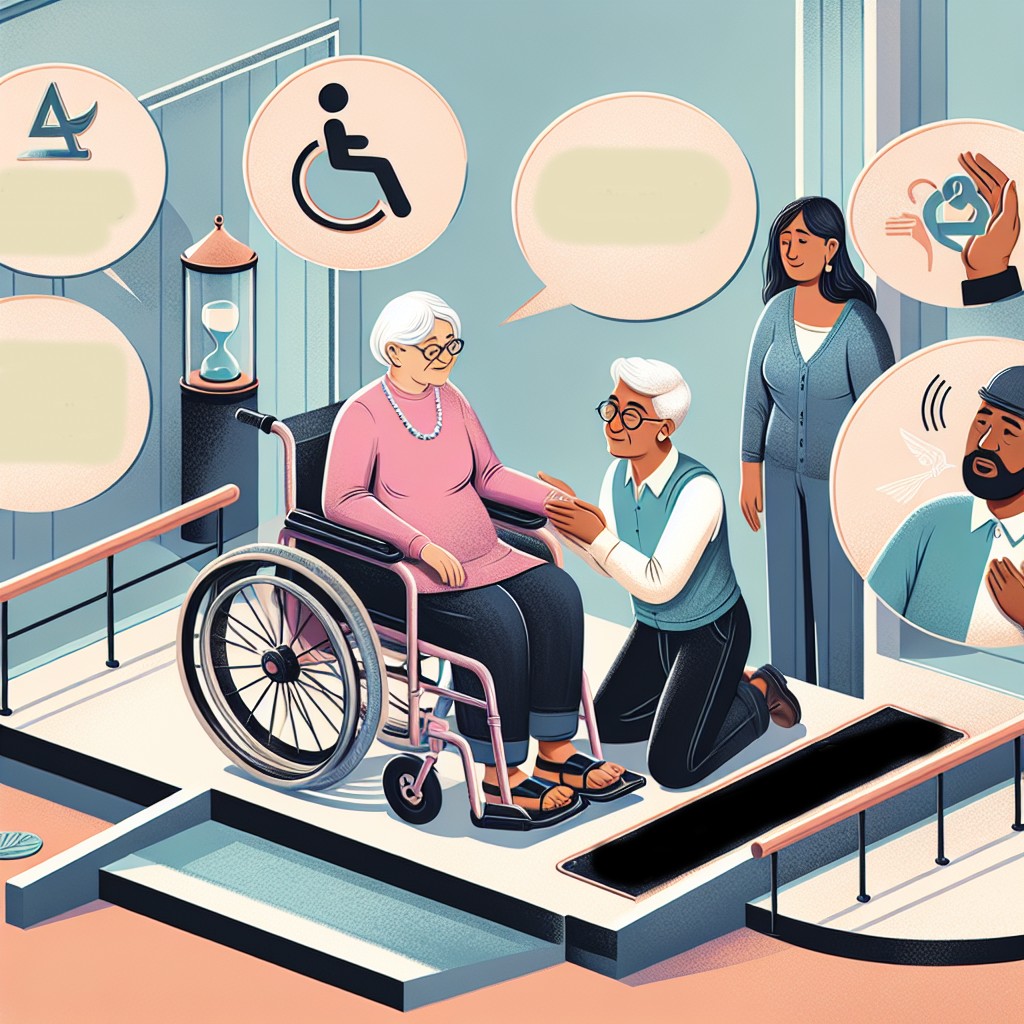
The Americans with Disabilities Act (ADA) is a groundbreaking piece of legislation passed in 1990 that aims to ensure equality for individuals with disabilities. The Act prohibits discrimination and guarantees that people with disabilities have the same opportunities as everyone else to participate in mainstream life. While the ADA covers a broad spectrum of disabilities, today, we will focus specifically on sensory disabilities. Sensory disabilities include impairments related to vision, hearing, and other senses, significantly affecting the quality of life and access to opportunities. This article provides a comprehensive look at how the ADA protects individuals with sensory disabilities, the rights they are entitled to, and the roles of various stakeholders in ensuring these protections.
Understanding Sensory Disabilities
Sensory disabilities often involve impairments in vision or hearing, but they can also extend to other senses like touch, smell, and taste. Each type of sensory disability brings unique challenges and requires tailored support for affected individuals to fully participate in various aspects of life.
Vision Impairments: These include partial sight and total blindness. People with vision impairments might need assistive devices like screen readers or braille documents to access information.
Hearing Impairments: Ranging from minor hearing loss to complete deafness, individuals with these impairments might use hearing aids, cochlear implants, or rely on American Sign Language (ASL) for communication.
Other Sensory Impairments: These can include a reduced ability to taste or smell and tactile impairments that might affect touch sensitivity. Although less common, these also require specific accommodations.
Understanding the particular needs associated with each type of sensory impairment is crucial for implementing effective measures under the ADA. Continuing education and awareness are essential for everyone involved in compliance—employers, public service providers, and the general public alike.
Employment and Sensory Disabilities
The ADA’s Title I focuses on employment, ensuring that individuals with disabilities have equal opportunities in the workplace. Employers with 15 or more employees must adhere to ADA guidelines, which include reasonable accommodations for employees with sensory disabilities.
For vision impairments, reasonable accommodations might include providing screen reader software, offering documents in braille or large print, and ensuring physical spaces are navigable for those who use canes or guide dogs.
Employees with hearing impairments might require different kinds of accommodations, such as captioning for video content, providing ASL interpreters for meetings, and using visual alert systems instead of auditory ones.
Employers also have a crucial role in fostering an inclusive work environment. This can include training staff on disability etiquette, the importance of assistive devices, and the specifics of various sensory impairments.
Furthermore, the ADA prohibits discrimination during hiring, promotion, and other employment processes. Employers must ensure that their practices do not unfairly disadvantage candidates or employees with sensory disabilities.
Public Services and Sensory Disabilities
Title II of the ADA applies to state and local government services, ensuring that public entities do not exclude individuals with disabilities from their programs, services, and activities.
For vision impairments, government websites must be accessible through screen readers and other assistive technologies. Public facilities like courthouses and libraries should offer materials in accessible formats and spaces designed to be navigable for those who are blind or have low vision.
For hearing impairments, public services should provide real-time captioning for live events and meetings. ASL interpreters might also be needed for essential services like legal proceedings or educational settings.
Moreover, ensuring accessible transportation—such as buses with visual and auditory announcements and tactile paving—is crucial for the independence and mobility of individuals with sensory impairments.
A critical aspect of Title II compliance is regular review and updating of policies, procedures, and facilities to ensure they meet ADA standards. This ongoing effort is essential in removing barriers and ensuring equal access for all individuals, regardless of sensory impairments.

Public Accommodations and Sensory Disabilities
Title III of the ADA prohibits discrimination in public accommodations, which include a wide range of facilities like hotels, restaurants, theaters, and stores.
For individuals with vision impairments, businesses should offer menus and other essential information in accessible formats like braille or large print. Physical spaces should be navigable, with considerations such as tactile indicators and clear pathways.
For those with hearing impairments, visual alert systems for emergencies, teletypewriters (TTY) for phone communication, and captioning for video content are critical accommodations. Additionally, staff should be trained in basic ASL or ensure availability of interpreters.
Public accommodations must also consider non-physical barriers, such as attitudinal barriers that can manifest in unawareness or unwelcoming behavior. Sensitivity training for staff can significantly improve the quality of service and ensure compliance with ADA requirements.
Ensuring compliance with Title III helps create an inclusive environment, allowing individuals with sensory disabilities to enjoy the same services and facilities as everyone else, with dignity and independence.
Education and Sensory Disabilities
Title II of the ADA also extends to educational institutions. Schools, colleges, and universities are required to provide equal access to students with disabilities, including those with sensory impairments.
For students with vision impairments, this may involve providing textbooks and other learning materials in accessible formats like braille, large print, or digital formats compatible with screen readers. Additionally, classroom environments should be designed to facilitate safe and independent navigation.
For students with hearing impairments, educational institutions should offer real-time captioning, ASL interpreters, and assistive listening devices for lectures and discussions. Online learning platforms also need to be accessible, with captioned video content and other necessary accommodations.
Educational institutions play a critical role in preparing students for future employment and independent living. Hence, adherence to ADA requirements is not just about compliance but also about ensuring that students with sensory disabilities can gain the skills and knowledge necessary for their success.
Regular training and awareness programs for educators and administrative staff can further enhance the educational experience for students with sensory disabilities, fostering an inclusive and supportive learning environment for all.
The Legal Framework and Enforcement
Enforcement of ADA protections for individuals with sensory disabilities falls under various organizations and legal frameworks. The U.S. Department of Justice (DOJ) and the Equal Employment Opportunity Commission (EEOC) play significant roles in enforcement and oversight.
If individuals believe their rights under the ADA have been violated, they can file complaints with these agencies. Employers, public entities, and businesses found in violation can face legal action, fines, and be required to make necessary corrective measures.
Additionally, advocacy organizations and legal aid services provide essential support in guiding individuals through the complaint process and ensuring their rights are upheld.
Public awareness and education campaigns also play a crucial role in enforcement. By informing employers, service providers, and the general public about ADA requirements and the rights of individuals with sensory disabilities, these campaigns help drive compliance and foster a more inclusive society.
Ultimately, enforcement of the ADA’s provisions is a collaborative effort involving government agencies, advocacy groups, and the broader community, all working together to uphold the rights and dignity of individuals with sensory disabilities.
Conclusion
The Americans with Disabilities Act has been a transformative force in promoting equality and access for individuals with disabilities, including those with sensory impairments. From ensuring workplace accommodations to providing accessible public services and educational opportunities, the ADA mandates a comprehensive approach to inclusion.
By understanding the specific needs and rights of individuals with vision, hearing, and other sensory disabilities, we can create environments that support their full participation and independence. Employers, public service providers, educational institutions, and businesses all have crucial roles to play in this ongoing effort.
Enforcement mechanisms and advocacy initiatives further strengthen these protections, ensuring that the ADA’s promises translate into tangible outcomes for individuals with sensory disabilities. As we move forward, ongoing education, awareness, and commitment to compliance will be key to building a society where everyone, regardless of their sensory abilities, can thrive and contribute.
The ADA has laid a solid foundation, but continual effort and collaboration are essential to fully realize its vision of equality and accessibility for all. By working together, we can ensure that the rights and protections intended by the ADA become a lived reality for individuals with sensory disabilities, enhancing their quality of life and opportunities for growth and success.
Frequently Asked Questions
1. What is the purpose of the ADA in relation to people with sensory disabilities?
The Americans with Disabilities Act (ADA) was established to ensure that individuals with disabilities, including those with sensory disabilities, have equal rights and opportunities in society. It aims to eliminate discrimination and barriers that prevent people with sensory disabilities from participating fully in public life. By mandating reasonable accommodations and ensuring accessibility, the ADA allows individuals with sensory disabilities, such as those who are visually or hearing impaired, to engage with their communities, access employment, enjoy public services, and participate in activities alongside everyone else. The Act covers a wide range of areas, including employment, public accommodations, transportation, and telecommunications, ensuring that people with sensory disabilities can lead independent and fulfilling lives without facing discrimination.
2. How does the ADA protect individuals with visual impairments?
The ADA provides robust protections for individuals with visual impairments by requiring businesses, employers, and public entities to offer reasonable accommodations. This includes making physical spaces accessible, such as providing Braille signage and tactile markers for wayfinding in public buildings. Additionally, technology used by businesses and organizations must be accessible; for example, software should be compatible with screen readers, and websites must be designed to be navigable by individuals with visual impairments. Employers are also required to accommodate the needs of visually impaired employees, potentially including specialized equipment, modified workflow, or alternative communication methods. The ADA’s goal is to remove barriers and ensure that visual impairments are not an obstacle to participating in daily activities or pursuing employment opportunities.
3. What accommodations does the ADA require for individuals who are deaf or hard of hearing?
The ADA obliges entities to provide reasonable accommodations to ensure effective communication for individuals who are deaf or hard of hearing. This might involve offering sign language interpreters in scenarios where verbal communication is essential, such as medical appointments, legal settings, or educational environments. In the workplace, technology like captioning services or video relay services may be implemented to assist communication. Public places like theaters or conference centers may offer assistive listening devices or captioned presentations. The ADA encourages proactive measures to anticipate communication needs, so individuals who are deaf or hard of hearing can comfortably interact with the environment without feeling excluded or disadvantaged.
4. Do private businesses have to comply with the ADA when it comes to sensory disabilities? If so, how?
Yes, private businesses must comply with the ADA’s standards to accommodate individuals with sensory disabilities. Places of public accommodation, such as restaurants, hotels, retail stores, and theaters, must remove barriers that hinder accessibility unless doing so would create an undue burden. This may entail installing accessible facilities for visually impaired customers, like Braille menus, or ensuring hearing loops are available for patrons who are hard of hearing. Businesses could also offer mobile apps or devices to deliver information accessibly. Compliance ensures that individuals with sensory disabilities can enjoy products, services, and experiences just like their peers without disabilities. The ADA encourages businesses to integrate accessibility into their overall customer service strategies to foster an inclusive environment.
5. What are the implications of the ADA for digital accessibility for people with sensory disabilities?
With the increasing reliance on digital platforms, the ADA emphasizes the importance of digital accessibility to ensure individuals with sensory disabilities can effectively use technology. Websites, mobile applications, and online services must be designed to accommodate sensory disabilities. This means websites should have alt text for images, keyboard navigation capabilities, and provide video captions or transcripts. For individuals with visual impairments, compatibility with screen readers is paramount. Ensuring content is accessible goes beyond compliance; it promotes inclusivity and broadens the reach to a more diverse audience. As organizations continue to innovate digitally, considering accessibility from the design phase helps align with ADA requirements and nurtures an inclusive digital landscape where individuals with sensory disabilities can access information and services seamlessly.