Introduction to ADA and Its Importance in Retail
The Americans with Disabilities Act (ADA), enacted in 1990, serves as a pivotal civil rights law that prohibits discrimination against individuals with disabilities in various areas, including employment, transportation, public accommodations, communications, and access to state and local government programs and services. In the retail sector, the ADA has significant ramifications, as it mandates that businesses provide equal opportunities and accessible environments for customers and employees with disabilities. With more than 61 million adults in the United States living with a disability, ensuring accessibility is not only a legal obligation but also a business imperative, opening doors to a broader customer base and enhancing reputation.
Despite its establishment over three decades ago, ADA compliance remains a pressing issue in the retail industry, as emerging technologies and evolving consumer behaviors prompt new interpretations and applications of the law. The rise of digital retail channels, for instance, has introduced complexities in ensuring website accessibility, leading to an increase in ADA litigation. Understanding these developments and how they impact retail operations is crucial for businesses aiming to mitigate legal risks and foster inclusive customer experiences. This article delves into recent ADA litigation trends in the retail sector, illustrating key compliance challenges and offering practical tips for adherence.
Recent Trends in ADA Litigation
Over the past several years, the retail sector has witnessed a notable escalation in ADA-related lawsuits. One primary factor contributing to this surge is the extension of ADA requirements to digital domains, including websites and mobile applications. Courts have increasingly interpreted website accessibility as a fundamental aspect of compliance, necessitating the adoption of measures to ensure that online platforms are navigable for individuals with various impairments, such as visual, auditory, and cognitive disabilities.
A landmark case exemplifying this trend is Robles v. Domino’s Pizza LLC, where the plaintiff, a blind customer, alleged that the absence of screen reader compatibility on the Domino’s website and app denied him full and equal access, thereby violating the ADA. The Ninth Circuit Court’s decision underscored the applicability of ADA standards to digital interfaces, emphasizing that businesses must employ Web Content Accessibility Guidelines (WCAG) as a framework for web accessibility compliance.
Retailers face growing scrutiny, as advocacy groups and individual plaintiffs increasingly target non-compliant businesses, resulting in costly settlements and legal expenses. To proactively address these challenges, retailers must assess their digital infrastructure and actively implement improvements outlined in the WCAG to enhance accessibility and reduce the risk of litigation.
Accessibility Beyond the Physical Store: Online and Digital Compliance
While physical accessibility remains a cornerstone of ADA compliance, the transformation of retail through digital channels has expanded the scope of accessibility considerations. Websites and mobile applications serve as vital touchpoints for customer interaction, necessitating a seamless experience for all users, including those with disabilities.
Ensuring digital accessibility involves several key elements, such as providing text alternatives for non-text content, enabling keyboard navigation, ensuring readability of text content, and offering captions and audio descriptions for multimedia. Retailers can proactively address these requirements by performing regular accessibility audits and engaging with third-party experts to identify areas for improvement.
Notably, major retailers like Target and Macy’s have taken significant steps toward digital accessibility by adopting inclusive designs and incorporating accessibility features into their digital properties. These efforts not only mitigate litigation risks but also demonstrate a commitment to inclusivity, enhancing customer loyalty and broadening market reach.
| Key Accessibility Features | Description |
|---|---|
| Text Alternatives | Provide alternative text for images, allowing screen readers to convey content to visually impaired users. |
| Keyboard Navigation | Ensure that all functionalities are accessible via keyboard inputs, enhancing usability for individuals with mobility impairments. |
| Readable Text | Maintain readable text with adjustable sizes to accommodate users with visual impairments. |
| Multimedia Captions | Offer captions and audio descriptions for multimedia content to assist users with auditory disabilities. |
Examples of ADA Compliance Challenges in Retail
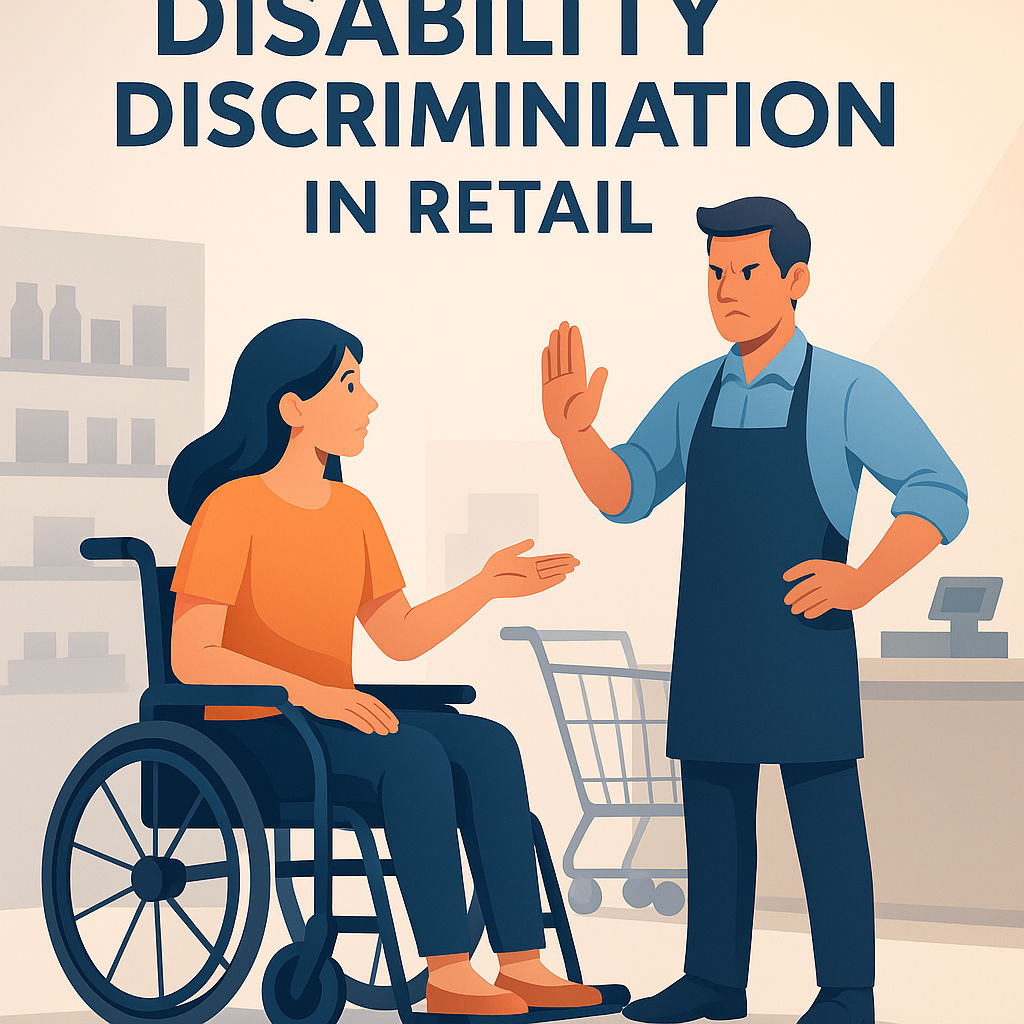
Despite growing awareness, numerous retail businesses continue to encounter ADA compliance challenges that can lead to litigation. Common issues include inadequate physical access, such as insufficient ramp access, non-compliant signage, and inaccessible changing rooms. These issues can result from a lack of regular evaluations and updates to existing facilities, which are crucial for maintaining compliance with evolving ADA standards and local regulations.
For instance, a well-publicized lawsuit involved a popular clothing retailer accused of failing to provide adequate wheelchair access to certain areas within their stores, including entrances, aisles, and fitting rooms. The subsequent legal proceedings led to a settlement requiring the retailer to implement comprehensive upgrades and revise policies to prioritize accessibility in future store designs.
Similarly, digital accessibility remains a persistent challenge for many retailers. Aspects such as image captions, navigability for screen readers, and compatibility with assistive technologies often require attention and improvement to meet ADA and WCAG standards.
- Physical accessibility refers to ramps, elevators, and accessible doorways.
- Digital accessibility involves website design compatible with screen readers and inclusive color contrasts.
Practical Steps for Retailers to Enhance ADA Compliance
Retailers aiming to strengthen ADA compliance and minimize litigation risks can undertake various practical measures. First, conducting thorough audits of both physical and digital environments is essential. These audits should involve evaluating current facilities and websites against ADA and WCAG standards to identify and rectify vulnerabilities.
Engaging with disability advocacy groups and ADA compliance experts can provide valuable insights and guidance in implementing effective solutions. Training staff on ADA requirements and fostering an inclusive culture enhances awareness and responsiveness to accessibility needs, creating a welcoming environment for all customers.
Furthermore, retailers can stay informed of legal developments and emerging accessibility trends to proactively adjust their compliance strategies. This vigilance, combined with technological investments and policy updates, empowers businesses to not only fulfill legal obligations but also cultivate a reputation as inclusive and community-oriented establishments.
Conclusion and Next Steps for Retailers
In conclusion, ADA litigation in the retail industry highlights the critical importance of accessibility in both physical and digital spaces. As legal interpretations evolve and technological advancements reshape consumer interactions, retailers must remain vigilant in addressing accessibility challenges to avoid litigation and promote inclusive customer experiences.
By understanding recent developments and implementing proactive measures, businesses can navigate the complexities of ADA compliance and enhance accessibility across their operations. Prioritizing accessibility extends beyond legal compliance; it reflects a commitment to inclusivity, fostering customer loyalty, and cultivating a positive brand image.
As a call to action, retailers should assess their current accessibility practices, implement necessary improvements, and engage with experts to ensure ongoing compliance. By doing so, they not only safeguard against litigation but also contribute to a more inclusive and equitable retail environment.
Frequently Asked Questions
1. What is the ADA, and why is it important for the retail industry?
The Americans with Disabilities Act (ADA) is a crucial piece of civil rights legislation enacted in 1990. It’s essential for the retail industry because it prohibits discrimination against individuals with disabilities in public accommodations, which includes retail stores. The ADA ensures that individuals with disabilities have equal access to services and opportunities available to the general public. For retailers, this means providing accessible pathways, fitting rooms, checkout counters, and more. Non-compliance can not only result in litigation but also damage a brand’s reputation. Compliance with the ADA demonstrates a commitment to inclusivity and equality, which is increasingly important to consumers.
2. What are the recent developments in ADA litigation affecting retailers?
Recently, ADA litigation has seen a rise in cases related to digital accessibility. With the growth of online shopping, websites, and mobile apps, retailers are being scrutinized for digital compliance alongside physical accessibility. Cases have been filed under the premise that websites act as extensions of physical stores. Courts have been interpreting how ADA guidelines apply to digital spaces differently, leading to varying legal precedents. This means retailers need to stay informed and potentially adapt quickly to new rulings. Another key development is the increased focus on state-specific regulations that may impose additional obligations beyond the federal ADA, which retailers must also consider in their compliance strategies.
3. How can retailers ensure they comply with ADA standards?
To comply with ADA standards, retailers should perform both physical and digital accessibility audits. For physical locations, this includes evaluating entrance accessibility, aisle width, placement of merchandise, and the accessibility of restrooms and fitting rooms. Digital audits should ensure websites and apps are compatible with screen readers, include captions for videos, and follow Web Content Accessibility Guidelines (WCAG). Retailers should train staff to assist customers with disabilities effectively and familiarize them with ADA requirements. Additionally, engaging professional consultants on ADA compliance can help avoid potential pitfalls, ensuring both physical and digital spaces meet the necessary standards.
4. What are the potential consequences for retailers not adhering to ADA requirements?
Failure to comply with ADA requirements can lead to several negative consequences for retailers. The most immediate risk is facing legal action, which could result in hefty fines and court-mandated changes to business practices. Aside from the legal and financial aspects, non-compliance can severely damage a company’s reputation. Consumers are increasingly prioritizing businesses that demonstrate inclusivity and support for people with disabilities. Negative publicity resulting from a lawsuit can lead to loss of customer loyalty and reduced engagement. Additionally, being proactive about ADA compliance can help avoid these issues and position a business as a socially responsible leader in the industry.
5. What are some practical compliance tips for retailers to follow?
First, retailers should integrate accessibility as a key component in their strategic planning and daily operations. Consistent evaluations and updates on facilities and digital platforms are crucial. It’s also beneficial to establish an in-house ADA compliance committee or designate an accessibility officer to oversee ongoing compliance efforts. Staff training programs about ADA standards should be mandatory to ensure employees can assist customers and recognize potential compliance issues. Retailers can also leverage technology, such as wayfinding apps for in-store navigation and enhanced website accessibility tools, to better assist customers with disabilities. Finally, communicating openly with customers and seeking their feedback on accessibility concerns can provide valuable insights and demonstrate a genuine commitment to inclusivity.