The rapid pace of technological advancement has brought forth a plethora of new opportunities, especially for individuals with disabilities. The integration of smart home technologies with the standards set by the Americans with Disabilities Act (ADA) is among these key developments, holding the promise of increased accessibility and improved quality of life. This intersection between technology and accessibility is not only a boon for those with disabilities but is also a significant step forward in creating inclusive environments for all individuals.
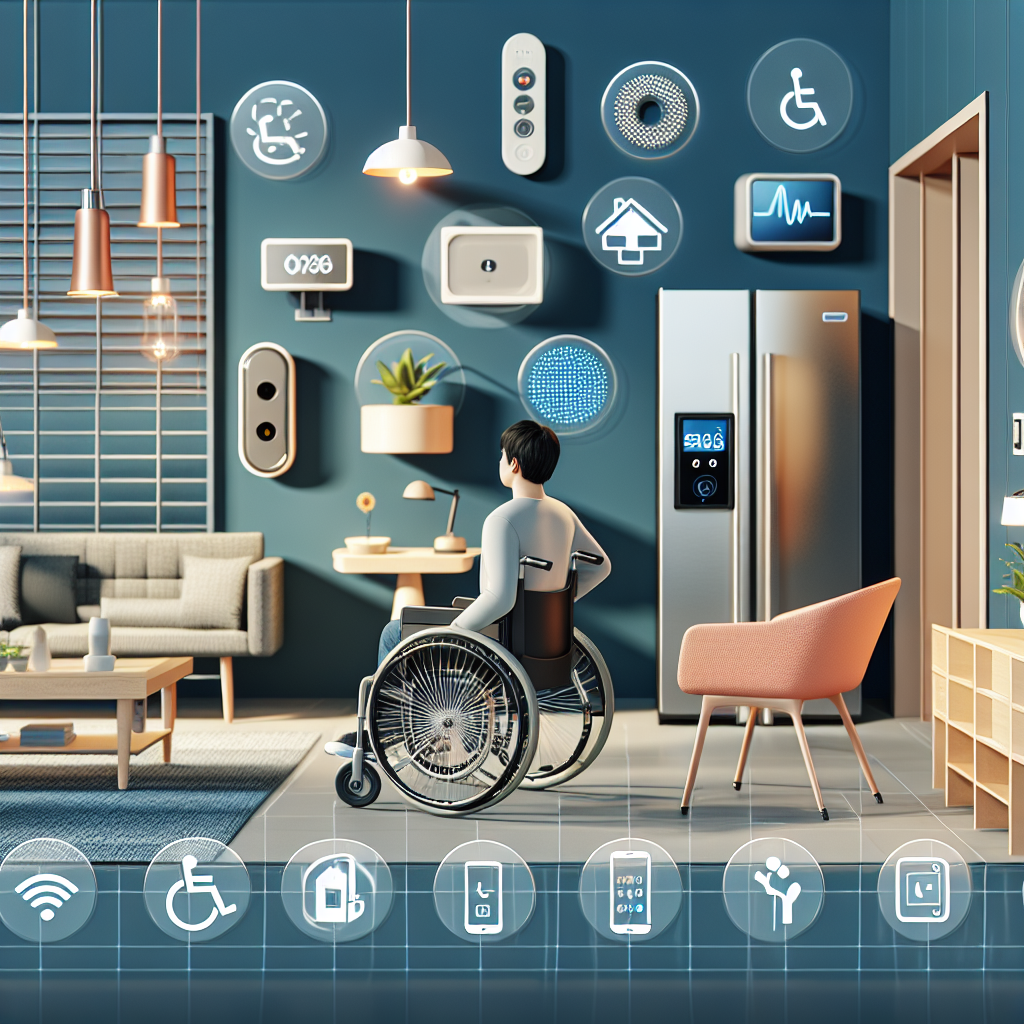
Smart homes are becoming increasingly common, characterized by their ability to integrate various technological systems to enhance the user experience. For people with disabilities, these technologies can make everyday tasks easier, more efficient, and, crucially, more inclusive. From voice-activated assistants to automated lighting systems, the adaptation and innovation in this space are making smart homes a reality for everyone regardless of their physical capabilities.
The ADA continues to play a pivotal role in guiding these technological adaptations. Originally enacted in 1990, the ADA set out legal requirements to ensure accessibility across various venues and services. As society has evolved, so too have the guidelines and interpretations of the ADA, expanding to include emerging technologies. This legislative structure has been integral in ensuring that advancements in technology are implemented in a manner that benefits the entire community, not just the able-bodied portion of it.
In this article, we will explore how new developments in smart home technologies align with the ADA and focus on recent innovations that are making homes more accessible for individuals with disabilities. Join us as we navigate through the exciting world of ADA-compliant smart home technologies.
Understanding ADA and Its Impact on Smart Home Technologies
The Americans with Disabilities Act (ADA) has been a cornerstone in shaping how environments should be modified and technologies adapted to ensure equal access for individuals with disabilities. This pivotal piece of legislation has paved the way for significant developments in both public spaces and private residences. When it comes to smart home technologies, the ADA plays an influential role in dictating the standards that need to be met.
The primary aim of the ADA is to eliminate discrimination against people with disabilities in every arena, whether it’s employment, transportation, public accommodations, communications, or access to state and local government programs and services. As smart home technologies have boomed, the potential to adapt these technologies for accessibility purposes has grown exponentially.
For smart home manufacturers and developers, understanding and applying ADA guidelines is crucial. It impacts how devices are designed, how they integrate with other systems, and how they are controlled (with preferences often leaning towards voice-activated and non-invasive controls). This adherence to ADA standards ensures that individuals with disabilities can interact with and enjoy the same technological conveniences as anyone else.
In essence, ADA compliance in smart home technology isn’t just about meeting legal requirements; it’s about fostering an environment of inclusivity that recognizes and addresses the diverse needs of the community. As we move forward, this compliance will continue to shape how technologies are developed, ensuring they remain accessible to everyone.
Voice-Activated Assistants and Smart Speakers
Voice-activated assistants and smart speakers, such as Amazon’s Alexa, Google Assistant, and Apple’s Siri, have become staples in many households. These devices exemplify the significant strides made in ADA-compliant technology, as they require little to no physical interaction from users.
For individuals with mobility impairments, these technologies offer newfound independence. Voice-activated assistants can control numerous aspects of the home, from lights and thermostats to security systems and entertainment services. By enabling control through simple voice commands, these devices eliminate the physical barriers that might otherwise prevent disabled individuals from fully utilizing their home environments.
Additionally, these smart assistants have the capability to integrate with other smart home devices, creating a cohesive ecosystem that can be customized to the user’s needs. This integration is particularly beneficial for those with complex accessibility needs, allowing for a streamlined operation that other traditional methods can’t provide.
The continuous improvement and expansion of these voice-controlled devices demonstrate the ongoing commitment by manufacturers to meet ADA standards. These technologies not only offer convenience but also serve as essential tools in fostering greater independence and quality of life for those with disabilities.
Smart Lighting and Environmental Controls
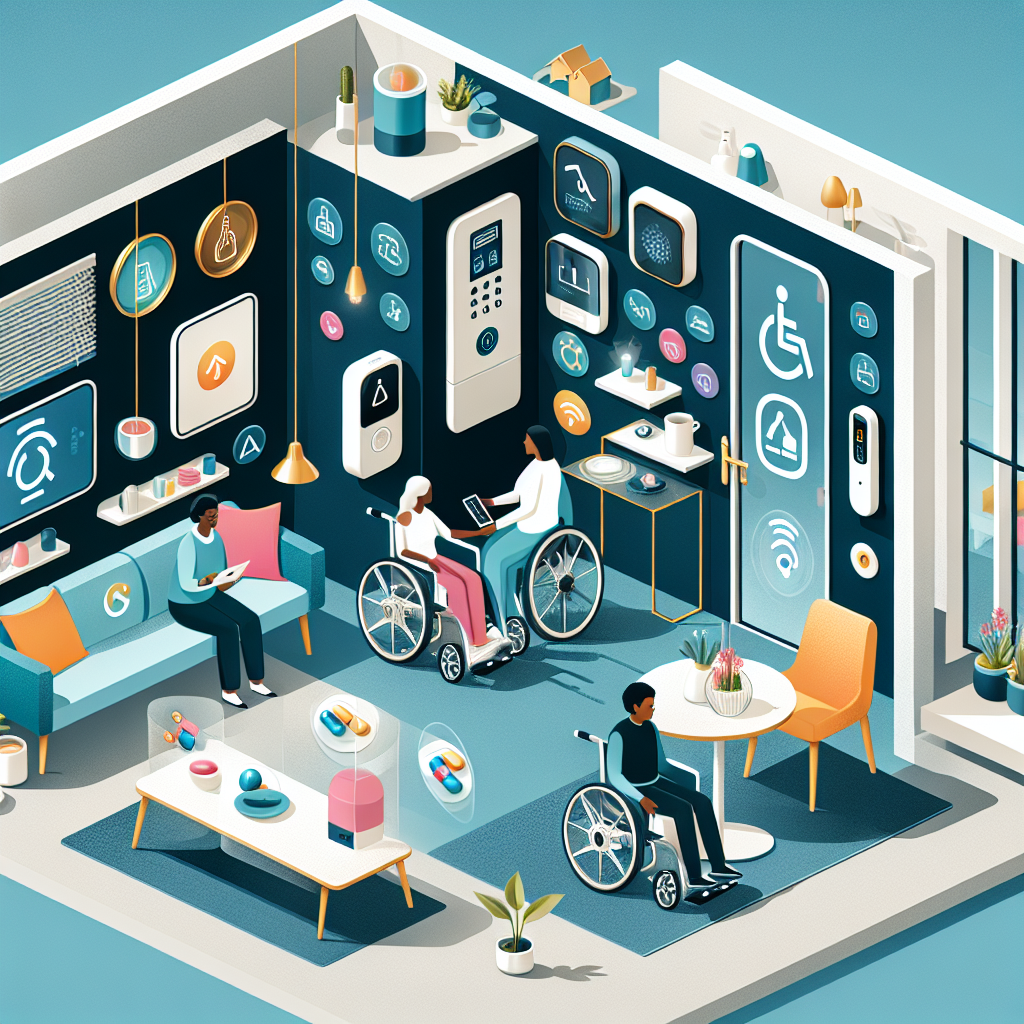
Another critical advancement in ADA-compliant smart home technology is the development of smart lighting and environmental controls. These technologies have transformed how individuals interact with their living spaces, making it possible to customize and adapt home environments to individual needs and preferences.
Smart lighting systems, for instance, can be programmed to adjust automatically based on voice commands, motion detectors, or pre-set schedules. This is especially beneficial for individuals with visual impairments or mobility challenges. The ability to control lighting without the need to physically interact with switches provides a level of independence and security that was not easily attainable before.
Environmental controls have similar advantages. Modern smart thermostats learn user habits over time, optimizing heating and cooling schedules to suit their specific needs. For physically challenged individuals, the remote control capability via smartphones or voice command further simplifies this process, turning a potentially arduous task into a seamless experience.
These systems embody the principles of customization and personalization, essential components of ADA compliance. By allowing individuals to tailor their environments, smart technologies not only adhere to ADA guidelines but also enhance the quality of life for users, making their homes truly accessible.
Automated Security and Surveillance Systems
Home security is a priority for everyone, but for individuals with disabilities, traditional security systems often present unique challenges. The advent of automated security and surveillance systems has brought about critical improvements in ensuring safety and peace of mind for all household members.
Today’s smart security systems incorporate ADA standards by simplifying installation and day-to-day use. Features such as remote monitoring, automatic notification alerts, and integration with smart speakers make these systems more accessible. For instance, security cameras with motion sensors can send real-time alerts to smart devices or smartphones, keeping users informed without requiring them to physically check monitors or alarm panels.
Moreover, keyless entry systems and doorbell cameras offer additional layers of protection and convenience. The ability to interact with one’s home security system through voice or smartphone control eliminates accessibility hurdles, ensuring that users can protect their homes effectively.
The adaptation of these technologies showcases a movement towards greater inclusivity in home security. By addressing the specific needs of people with disabilities, these smart systems extend beyond convenience, offering vital lifelines that align with ADA principles.
Innovations in Smart Home Health Monitoring
An exciting area of development in ADA-compliant smart technologies is health monitoring equipment within the home. Advances in this field offer unprecedented access to healthcare and monitoring that can be critical for individuals with disabilities.
Smart health monitoring devices can track a range of metrics, from heart rate and blood pressure to movement and sleep patterns. These devices connect to broader smart home systems, allowing users to receive updates and alerts directly through their smartphones or smart speakers. For those with mobility or communication challenges, this capability is invaluable for maintaining and managing their health actively and independently.
Additionally, many of these devices are designed to integrate seamlessly with telemedicine services, extending health care accessibility from physical doctor’s offices to the comfort of one’s home. The ability to share health data with healthcare providers in real-time ensures that individuals with disabilities receive timely and personalized care, preventing minor health issues from escalating.
The convergence of smart home and health monitoring technologies under the ADA umbrella ensures equitable access to healthcare innovations. These emerging technologies not only improve accessibility but also pave the way for a more empowered and health-conscious lifestyle for individuals with disabilities.
Conclusion: Embracing Inclusive Smart Home Technologies
The continuous evolution of smart home technologies in line with ADA standards is a testament to the focused efforts towards inclusivity and accessibility. As these innovations become increasingly sophisticated, they hold the promise of transforming how individuals with disabilities live, enabling them to engage with their environments in ways that were previously unimaginable.
The advent of voice-activated controls, personalized lighting and environmental adjustments, advanced security systems, and integrated health monitoring are landmark achievements in this ongoing journey. These technologies demonstrate how ADA compliance can be seamlessly intertwined with technological innovation, resulting in products and systems that enhance both functionality and quality of life.
The key takeaway is that the future of smart home technology is not just about convenience—it’s about crafting a world where technology meets the diverse needs of every individual. By continuing to adhere to and expand upon ADA guidelines, technology developers and manufacturers can ensure that their innovations reach and positively impact all members of society.
As we embrace new advancements within this realm, it is crucial to maintain a dialogue between tech innovators, policymakers, and the communities who benefit most from these technologies. In doing so, we ensure that smart home advancements remain accessible, equitable, and dedicated to improving lives, adhering to both the spirit and the letter of the ADA.
Frequently Asked Questions
1. What are ADA Compliant Smart Home Innovations?
ADA Compliant Smart Home Innovations refer to technologies and devices specifically designed or adapted to meet the standards set by the Americans with Disabilities Act (ADA). These technologies focus on enhancing accessibility, safety, and autonomy within the home for individuals with disabilities. They include features such as voice-activated systems, automated lighting and temperature controls, adaptive home appliances, and even smart home security systems that can be managed through accessible interfaces. The goal is to create an inclusive living environment where people with varying abilities can have their needs met efficiently and enjoy an improved quality of life.
2. How do these smart technologies accommodate individuals with physical disabilities?
Smart technologies accommodate individuals with physical disabilities in several innovative ways. For instance, voice-controlled systems enable users to activate commands for smart devices without needing to move, which is ideal for those with limited mobility. Automated door openers and smart locks can be operated via smartphone apps or voice commands, providing secure and easy access for wheelchair users or anyone who may struggle with traditional keys. Smart lighting systems can be programmed to automatically adjust based on occupancy or time of day, eliminating the need to physically interact with light switches. These innovations are crafted to simplify daily tasks and ensure that individuals can manage their home environment independently.
3. Are there specific smart home devices that cater to individuals with sensory impairments?
Yes, there are smart home devices specifically designed for individuals with sensory impairments. For instance, smart doorbells equipped with video and vibration alerts can notify a user when someone is at the door without relying solely on auditory cues. For those with visual impairments, smart speakers and appliances with voice command capabilities allow users to interact with their environment without visual confirmation. Smart lights that change color to notify of incoming phone calls or a text message can be particularly useful for those with hearing impairments, offering a visual cue instead of an audible one. These devices help bridge the communication gap and enhance the integration of individuals with sensory disabilities into their home settings.
4. How do these innovations align with the standards set by the ADA?
The innovations align with the ADA standards by ensuring they are accessible and usable by individuals with various disabilities. This involves the creation of devices that can be controlled using accessible interfaces such as voice recognition, apps with screen reader compatibility, and products that are physically reachable from different heights and angles, considering the needs of people in wheelchairs. Compliance also extends to ensuring that these technologies do not create barriers that affect the mobility or safety of individuals. Compliance with ADA guidelines ensures that these innovations provide equitable and effective solutions that enhance accessibility and functionality in daily life for users with disabilities.
5. What are some benefits of having an ADA compliant smart home for individuals with disabilities?
The benefits of having an ADA compliant smart home for individuals with disabilities are immense. First and foremost, these technologies greatly enhance independence, allowing individuals to control their environment with minimal physical effort. Security is also enhanced through smart monitoring systems and accessible emergency features, offering peace of mind to users and their families. Efficient energy management through automated temperature and lighting systems not only adds convenience but also brings cost savings. Additionally, these smart homes foster inclusivity, ensuring that the home environment can cater to the needs of everyone, regardless of their physical capabilities, thereby improving overall quality of life and personal comfort.