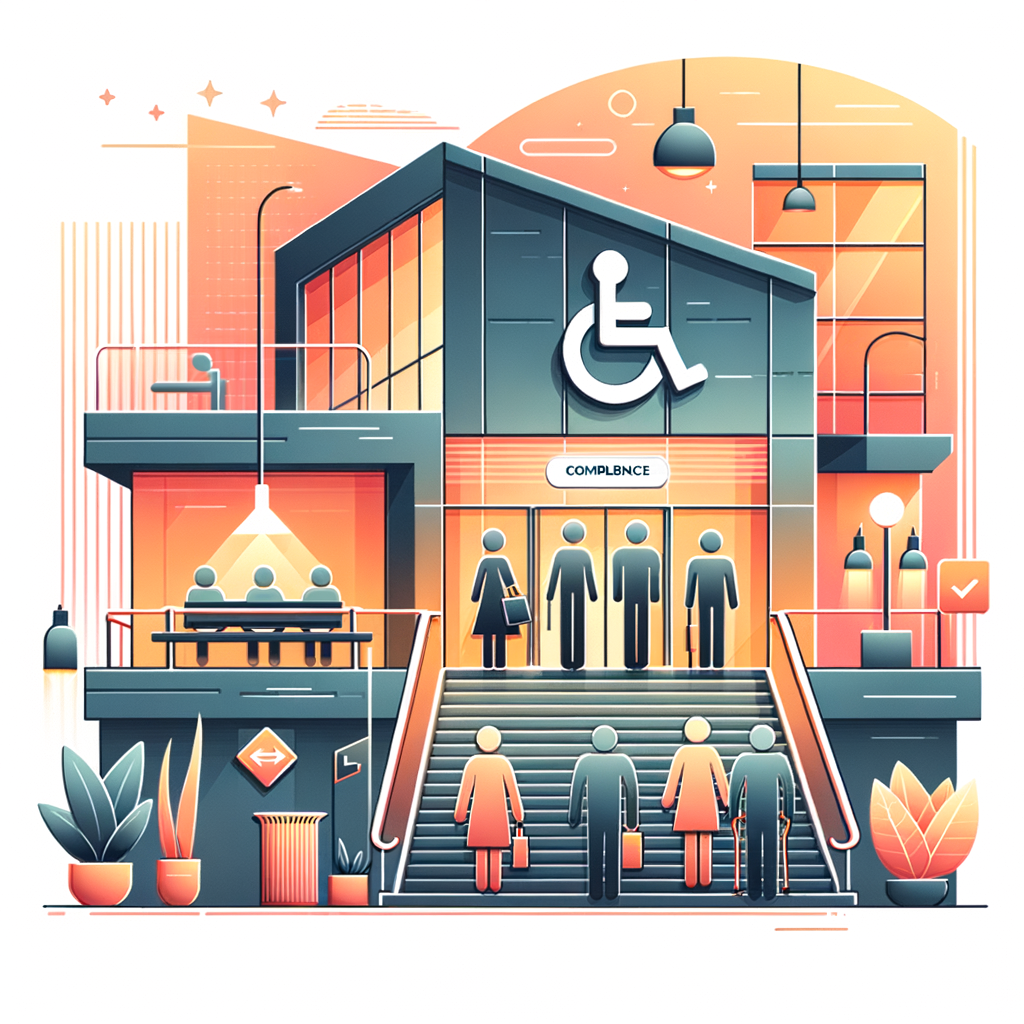
Civic and community centers play a pivotal role in facilitating community engagement, offering a range of services from recreational programs to facilitating local government meetings. Ensuring accessibility for everyone, especially individuals with disabilities, is crucial. This is where ADA (Americans with Disabilities Act) compliance comes into play. ADA is a crucial law that ensures people with disabilities have the same opportunities as everyone else to participate in mainstream American life. This encompasses working, enjoying goods and services, and equal access to information and public accommodations. This article delves into ADA compliance resources specifically for civic and community centers, giving a detailed account of what it entails, the resources available, and how to implement them effectively.
The ADA, enacted in 1990 and amended in 2008, impacts several facets of public life and business operations, including accessibility within public configurations such as community centers. For civic and community centers, ADA compliance means providing barrier-free access to facility services and ensuring that facilities are safely navigable for those with disabilities. Accessible design should be considered from inception through completion of any new construction or remodeling projects. Regardless of a building’s age, adherence to ADA laws is mandatory. Failure to comply not only risks legal action but also creates an excluding atmosphere for many in the community. Therefore, community and civic leaders need to prioritize this aspect, becoming educated on compliance requirements and garnering resources that facilitate this process.
Understanding how to navigate ADA regulations can be challenging for those unfamiliar with the law’s complexity. Specificity in requirements, constant updates to regulations, and unique facility characteristics add to this complexity. Fortunately, there are a myriad of resources that community centers can utilize to ensure ADA compliance. This article outlines these resources, dissecting them for ease of understanding and facilitating successful implementation. Whether you’re beginning the process, seeking to improve your current facilities, or require training, numerous options are available to guide you along the journey towards full ADA compliance.
Understanding ADA Compliance in Civic and Community Centers
The cornerstone of ADA compliance is the creation of environments that are accessible and welcoming to all individuals, regardless of their physical abilities. This begins with understanding Title II and Title III of the ADA. Title II covers state and local government facilities, including civic centers, while Title III covers nonprofit organizations and, in certain cases, facilities used for public accommodation. These laws mandate that new buildings be built to specific accessibility standards and that existing buildings be modified to eliminate barriers.
Key focus areas for ADA compliance in these centers include both architectural compliance and effective communication. Architectural compliance might involve accessible entrances, routes of travel, and restroom facilities. Each area must comply with ADA standards, such as having doorways wide enough to accommodate wheelchairs. Communication access requires inclusive approaches like assistive listening systems for hearing impaired individuals and providing materials in formats accessible to vision impaired visitors.
Here, the nuances add complexity. For instance, community centers might offer programs in historical buildings where renovations are controlled by historic preservation laws. In such cases, compliance requires creative solutions that preserve historical features while enhancing accessibility. Moreover, the continuous evolution in ADA regulations means that compliance is an ongoing process involving regular assessments and adaptations. Therefore, continued education for staff and administrators is critical, emphasizing accessibility as an evolving organizational priority.
Key ADA Compliance Resources
Navigating ADA compliance can be daunting, yet you’re not alone. Several resources provide critical assistance in transforming ADA requirements from abstract concept to tangible reality. The ADA National Network is a robust resource offering technical assistance, guidance on regulations, and strategies for creating accessible civic and community environments. Their regional ADA Centers provide tailored advice, harnessing a deep understanding of local regulations and community needs.
The Department of Justice (DOJ) is another vital resource. Their ADA website offers extensive materials, including guidelines, compliance briefs, and explanatory videos. It’s an excellent starting point for those new to ADA compliance or needing detailed insights. Specifically, the DOJ’s ADA Title II and III Technical Assistance Manuals provide user-friendly interpretations of the law, breaking down complex jargon into understandable action items.
For architectural and design elements, the U.S. Access Board can be a guiding light, equipped with design guidelines and standards. Their online trainings and webinars elucidate architectural specifics, bridge compliance gaps, and shed light on best practices for incorporating accessibility from project beginnings. Additionally, they provide technical guides that address unique challenges in modifying existing structures.
Training and Education Initiatives
A well-trained staff is crucial for ADA compliance due to evolving regulations and guidelines. Equipping your team with updated knowledge ensures effective communication and problem-solving as new circumstances arise. Several nonprofit organizations and private entities provide invaluable training tailored to ADA-related requirements.
The National Center on Accessibility stands out for its focus on training related to inclusive recreational experiences. Their workshops and hands-on courses help park and recreation staff apply ADA standards pragmatically. Organizations like the Disability Rights Education and Defense Fund offer workshops that cover ADA compliance comprehensively, ensuring you’re future-ready with evolving insights.
Participating in online training modules is also beneficial. Platforms such as 3Play Media and ADA Coordinator Training Certification Program offer cost-effective solutions. Each provides self-paced courses that can be easily integrated into staff development programs without disrupting daily operations. By utilizing these training resources, compliance becomes a cohesive, organizational effort rather than an isolated responsibility.
Adapting Existing Facilities
With many community and civic centers housed in older buildings, retrofitting for ADA compliance is a frequent but necessary challenge. Retrofitting isn’t merely an operational imperative; it poses opportunities to modernize properties in line with modern accessibility norms.
The ADA Compliance Builders are specialists who offer guidance on cost-effective adaptations that preserve aesthetics while providing necessary modifications. Using design consultants familiar with both ADA requirements and historic preservation can provide creative solutions that meet compliance without sacrificing character.
Funding is a critical consideration when retrofitting facilities. Tax incentives like the Disabled Access Credit or the Architectural Barrier Removal Tax Deduction can alleviate financial burdens. Exploring grant opportunities through community development programs or foundations focused on accessibility can further support your ADA initiatives.
Technological Solutions for Enhanced Accessibility
Technology optimizes ADA compliance by amplifying access and inclusivity. Digital access is critical, ensuring that online reservation systems, information repositories, and event notices are accessible to individuals with visual, auditory, and cognitive disabilities. The World Wide Web Consortium (W3C) Web Accessibility Initiative outlines international guidelines and tools to enhance digital ADA compliance.
Innovative technology like the Hearing Loop System transforms audio accessibility for the hearing impaired, offering seamless listening experiences in classrooms and auditoriums. Additionally, mobile applications provide on-site navigation, offering descriptions and routes for the visually impaired. Investing in technologies such as smart captioning systems significantly enhances the community experience for individuals with disabilities.
Integrating technology into compliance strategies positions community centers as pioneers in accessibility, adopting an empathetic, future-forward posture. Beyond compliance, utilizing these solutions enhances community centers’ inclusivity and appeal.
Conclusion
Civic and community centers hold a fundamental position in unifying community experiences, making their commitment to accessibility under the ADA essential. By prioritizing ADA compliance, community centers serve every individual undisturbed by physical barriers. Navigating this journey begins with a thorough understanding of compliance mandates and extends to leveraging the myriad resources at your disposal to ensure every facet of your facility serves its community inclusively.
Numerous resources offer invaluable guidance, from the ADA National Network’s tailored assistance to the Department of Justice’s extensive documentation and guidelines. Training initiatives cultivate knowledgeable staff adept in evolving compliance needs, ensuring readiness for adapting to the future. Adapting current facilities might pose initial challenges, yet serve as gateways to modernizing community achievements. Furthermore, technological innovations unveil vast new dimensions of accessibility and inclusivity.
Overall, ADA compliance is not merely a legal obligation but a fundamental commitment to creating environments that breathe inclusivity and equity. Each step taken towards ADA compliance enriches the community fabric, bestowing upon civic and community centers the essence of public service in its truest form: openness to all. By immersing in these resources and strategies, community centers authenticate their devotion to an accessible future, ensuring their doors are open wide to every individual in every community’s beautifully diverse spectrum.
Frequently Asked Questions
1. What is ADA compliance, and why is it important for civic and community centers?
ADA compliance refers to adherence to the Americans with Disabilities Act, a law that was enacted in 1990 to prevent discrimination based on disability. This law mandates that all public facilities, including civic and community centers, must be accessible to individuals with disabilities. The importance of ADA compliance in these centers cannot be overstated, as it ensures that everyone, regardless of their physical abilities, can participate in community activities, access services, attend local government meetings, and engage with the community just like anyone else. By making sure that community and civic centers are accessible, you foster an inclusive environment that values diversity and ensures that every community member feels welcomed and able to contribute fully. Compliance is not only a legal obligation but also a social responsibility, to promote equity and barrier-free access to essential services and community life.
2. What are some key aspects of ADA compliance that community centers need to consider?
Community centers must consider multiple aspects when it comes to ADA compliance. Firstly, physical accessibility is a major area; this includes ensuring that the building has ramps, elevators, wide doorways, and accessible restrooms. Parking lots should have designated spaces for individuals with disabilities. Visual and auditory aids are also crucial; this includes Braille signage, accessible communication methods (like TTY), and assistive listening systems. Additionally, programmatic accessibility is important, meaning that programs and services should also be available to people with various disabilities. This can involve providing sign language interpreters, offering materials in accessible formats, or modifying existing policies and procedures to accommodate unique needs. Ensuring all aspects of the facility and its programs are accessible means looking beyond physical barriers and considering all possible obstacles to participation.
3. Where can civic and community centers find resources to help ensure ADA compliance?
There are several resources available for civic and community centers to ensure ADA compliance. The ADA National Network provides training, technical assistance, and resources specific to a wide range of disabilities and access issues. Additionally, the U.S. Department of Justice’s Civil Rights Division’s website has useful guidelines and publications on ADA compliance. The Architectural and Transportation Barriers Compliance Board, known as the U.S. Access Board, offers technical assistance and design guidelines for physical accessibility. Local governments may also provide resources or grants to help facilitate compliance efforts. It’s crucial to stay updated with these resources to ensure that community and civic centers not only meet but exceed the standards to create welcoming environments for all.
4. How can a community center assess its current level of ADA compliance?
Assessing current ADA compliance involves conducting a thorough evaluation or audit of the facility and its services. This process can start with reviewing existing policies and access features, engaging with accessibility consultants, or contacting ADA specialists who can offer expert advice. You can also perform a self-assessment using tools and checklists provided by ADA networks or local agencies. These assessments should cover all areas, including physical access to the building, service accessibility, and the availability of appropriate technology or assistance for those with disabilities. Community centers might also consider involving community members with disabilities in the assessment process to gain firsthand insight. Regular assessments and adjustments are essential to maintain and improve compliance as the needs of the population may change over time.
5. What financial support is available to help civic and community centers with ADA compliance?
There are various forms of financial support available to assist civic and community centers in achieving ADA compliance. Federal and state grants can be a valuable resource; these may be allocated specifically for modifications or enhancements that improve accessibility. Tax incentives such as the Disabled Access Credit or architectural/transportation barrier removal deduction can also alleviate some of the financial burdens. Local government programs may also provide funding or loans to community centers aiming for ADA upgrades. It is beneficial for community centers to collaborate with local disability advocacy groups to explore available financial assistance and increase the pool of potential funding sources. By leveraging these financial supports, community centers can enhance their facilities to ensure optimal accessibility for everyone.


