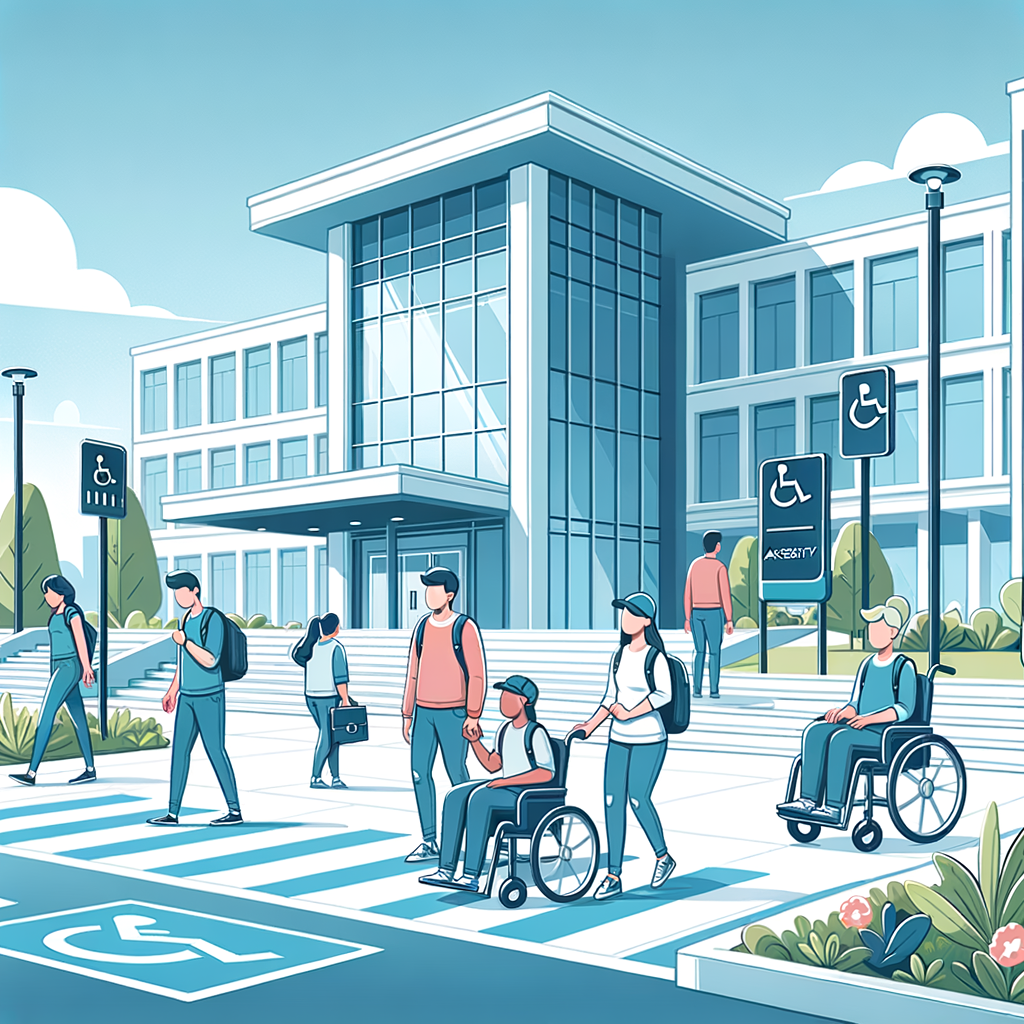
The arts embody the rich tapestry of human expression, capturing cultural, intellectual, and emotional dimensions. Museums and galleries, as custodians of this heritage, offer profound experiences that blend history with contemporary interpretations. However, this meaningful journey should be accessible to all individuals, regardless of physical or cognitive limitations. This is where the Americans with Disabilities Act (ADA) comes into play, ensuring everyone has equitable access to public spaces, including cultural institutions. ADA compliance in museums and galleries isn’t just a regulatory requirement but an ethical and societal obligation. These spaces must accommodate diverse needs by integrating accessible design and inclusive practices. Ensuring inclusivity means considering physical access and curating experiences conducive to all sensory requirements. Accessible venues reshape conventional narratives and redefine who participates in these artistic dialogues. They promote cultural enrichment by opening doors to individuals with disabilities, thus fostering a deeper understanding and appreciation of art. The significance of ADA compliance extends beyond mere accessibility; it celebrates diversity and cultivates an inclusive society. This article explores ADA guidelines, their implementations, and their transformative impact on museums and galleries. It highlights best practices, contemporary challenges, and potential solutions for holistic accessibility. As we delve into this intricate subject, we shall uncover how these institutions are evolving as inclusive spaces that resonate with broader audiences, contributing to a more empathetic and accepting society. In doing so, they become bastions of universal access, embodying the principles of dignity, respect, and equality.
Understanding ADA in the Arts
The Americans with Disabilities Act, enacted in 1990, is a comprehensive civil rights law prohibiting discrimination against individuals with disabilities. Its impact on public spaces, including museums and galleries, is profound. It mandates equal access, ensuring individuals with disabilities can enjoy cultural and recreational facilities without facing barriers. This law covers various aspects, including architectural accessibility, effective communication, and reasonable modifications.
Museum and Gallery Design
Architectural design is a pivotal factor in ADA compliance. Museums and galleries must address physical barriers, such as stairways and narrow doorways, that could impede access to individuals with mobility impairments. Essential elements include ramps, elevators, and wide corridors, ensuring seamless navigation. Moreover, tactile paths and braille signage are critical for visually impaired visitors. Renovations in historical buildings pose unique challenges, requiring thoughtful solutions that preserve architectural integrity while meeting accessibility standards.
Exhibit Accessibility
Creating accessible exhibits means more than physical access; it involves sensory considerations. Multimedia presentations should include assistive listening devices and captioning. Art pieces can also incorporate audio descriptions and tactile reproductions, allowing visually impaired patrons to engage with art meaningfully. For people with cognitive disabilities, exhibits benefit from clear, simple language and interactive features that cater to various learning styles. This approach transforms passive viewing into an inclusive, interactive experience.
Technological Innovations
Technology plays a crucial role in enhancing accessibility. Mobile applications can offer alternative ways to experience collections through virtual tours, audio guides, or augmented reality, which provide additional context and interpretation. These tools can be customized, allowing visitors to personalize their experience based on specific needs. Accessible websites ensure information on programming and events is readily available for individuals using screen readers or other adaptive technologies. Thus, technology empowers users, bridging gaps and broadening engagement.
Staff Training and Awareness
Staff awareness is as vital as structural adaptations. Museums and galleries need well-trained employees who understand the diverse needs of their visitors. Training programs should focus on customer service skills tailored for people with disabilities. Staff should be knowledgeable about available resources and sensitive to patrons requiring assistance, ensuring they can provide an inclusive experience. This involves efficient communication, problem-solving, and adaptable behavior, reflecting institutional commitment to inclusivity.
Collaborative Initiatives with Disabled Communities
Incorporating feedback from individuals with disabilities is invaluable. Creating advisory committees involving representatives from these communities encourages direct input on institutional practices and policies. Such collaboration fosters inclusivity and offers insights into overlooked barriers. Partnerships with organizations advocating for the disabled can lead to innovative solutions and programming tailored for diverse audiences. This inclusive approach ensures that institutional transformations are aligned with real-world needs and expectations.
Challenges in Achieving Full Accessibility
Despite progress, challenges remain. Retrofitting older buildings can be costly and complex, requiring substantial investment and creativity. Balancing accessibility with preservation is particularly arduous in historical sites. Additionally, complete sensory inclusivity for exhibits is still evolving, with technological solutions in infancy stages. Budget constraints and competing priorities can hinder comprehensive updates. Institutions must navigate these challenges while advocating for policies that prioritize inclusivity as fundamental to their mission.
Success Stories and Best Practices
Numerous museums and galleries have set benchmarks in ADA compliance. The Museum of Modern Art implemented tactile tours and 3D replicas for visually impaired visitors, exemplifying multisensory engagement. Meanwhile, the Smithsonian Institution offers extensive online resources compliant with accessibility standards, exemplifying digital inclusion. The Victoria and Albert Museum collaborates with disabled artists to co-create exhibits, ensuring representation and inclusivity are embedded in its cultural narratives. These practices serve as models of how institutions can effectively combine accessibility with artistic endeavors.
The Impact of Comprehensive Accessibility
ADA compliance has a broad societal impact, reshaping perceptions and encouraging inclusivity. Accessible museums and galleries enable participation from all societal segments, enriching cultural dialogues. This inclusivity promotes empathy, understanding, and broader engagement across cultural lines. By fostering respect for diverse experiences, these spaces contribute to reimagining what it means to be inclusive and accessible. They reflect societal progress toward equitable representation in cultural heritage, facilitating a dynamic interaction between art and audience.
Conclusion
As we look to the future of museums and galleries, ADA compliance should be seen as a cornerstone in the evolution of these institutions. It is essential for ensuring equitable access and engagement for all individuals. Embracing this commitment requires ongoing dedication to removing barriers and fostering environments that welcome everyone. This journey involves continual adaptation, collaborative efforts, and creative problem solving. By doing so, cultural institutions become more than repositories of art; they evolve into vibrant, inclusive spaces that belong to every member of society. The goal is to create an environment where all can share in the beauty and richness of art, contributing to a more empathetic, diverse, and inclusive world. Such progress reimagines the relationship between society and culture, celebrating diversity while honoring the artistic legacy that museums and galleries curate. Commitment to ADA compliance ensures that these treasured spaces embody accessibility, diversity, and inclusivity, not as mere aspirations but as lived, tangible realities that enrich society’s cultural landscape. As we advance, let us remain steadfast in the pursuit of these ideals, shaping a future where art is genuinely accessible to all.