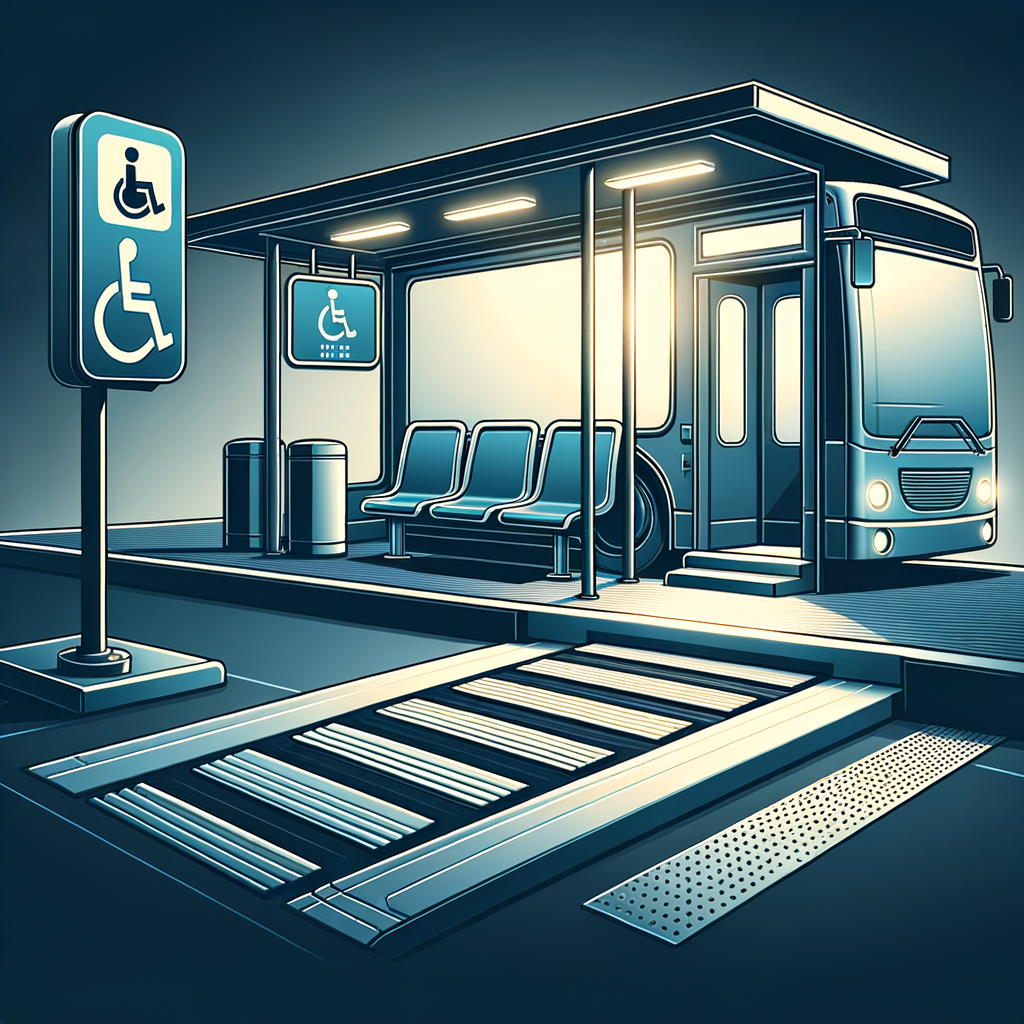
The Americans with Disabilities Act (ADA), enacted in 1990, marks a critical turning point for people with disabilities in the United States. Its mandate to eliminate discrimination against individuals with disabilities extends across various areas of public life, prominently including public transportation. Public transportation systems play a vital role in ensuring access to education, employment, and healthcare, making ADA compliance crucial. Ensuring accessibility in public transportation has both social and legal implications, as transportation entities strive for inclusivity while adhering to established requirements. Over three decades since the inception of the ADA, transportation services have continuously evolved to meet these standards. However, challenges remain, and ongoing efforts are essential to fully realize the vision of equal access. This article delves into ADA compliance within the realm of public transportation, examining case studies and best practices that provide valuable insights for maintaining progress. By analyzing these cases, we can better understand effective strategies and highlight improvements still necessary for achieving comprehensive accessibility.
Case Studies in ADA Compliance in Public Transportation
Across the United States, numerous public transportation systems have implemented innovative strategies to enhance ADA compliance. These case studies illustrate varied approaches and the accompanying challenges faced in different geographical, financial, and operational contexts. By examining these instances, we can discern patterns and practices successful in promoting accessibility.
A standout example is the New York City Metropolitan Transportation Authority (MTA). The MTA operates one of the largest public transit networks globally, making ADA compliance a formidable challenge due to its vast infrastructure and the age of its facilities. Over the years, the MTA has embarked on numerous initiatives to improve accessibility, such as the installation of elevators in strategic subway locations and the introduction of tactile guideways. These efforts are part of the MTA’s broader strategic plan to enhance accessibility, which also includes modernizing buses with low-floor designs and implementing features like audible announcements. Despite these efforts, the MTA continues to grapple with challenges, notably the need to retrofit old stations while balancing the budget constraints inherent in maintaining such a large system.
Another effective case of ADA compliance can be observed in the Bay Area Rapid Transit (BART) system. BART has consistently led initiatives incorporating ADA considerations into its planning and operational processes. A significant element of BART’s success has been its commitment to collaboration with disability advocates. This collaborative approach ensures that the voices of those directly impacted by accessibility issues are considered. BART’s accessibility initiatives include platform edge sensors for visually impaired patrons and accessible fare gates. Their continuous commitment to improving accessibility highlights the value of stakeholder engagement in achieving ADA compliance goals.
Denver’s Regional Transportation District (RTD) stands as a model for integrating comprehensive ADA-compliant design into new transit developments. With the rapidly expanding urban footprint of Denver, the RTD recognizes the importance of planning for accessibility from the ground up. This foresight in planning is evident in the construction of new light rail stations outfitted with multiple features designed to aid individuals with disabilities, such as ramps, tactile paving, and real-time auditory announcements.
In the Pacific Northwest, the Sound Transit network provides a forward-thinking example of ADA compliance. The agency has implemented a series of accessibility tools, such as visually and audibly distinct trains and well-labeled signage, which substantially assist those with sensory disabilities. Sound Transit’s approach underscores the impact of utilizing highly visible and effective communication tools to enhance accessibility for diverse user groups.
Best Practices in ADA Compliance in Public Transportation
Successfully achieving ADA compliance in public transportation requires more than just meeting minimal legal requirements. Establishing best practices involves a multi-faceted strategy, grounded in the experience of leading transit agencies. There are several critical elements agencies can incorporate to maintain and enhance compliance effectively.
First and foremost, rigorous and regular staff training is instrumental. Training ensures that transit employees are knowledgeable about ADA requirements and are sensitive to the needs of passengers with disabilities. For example, regular workshops on assisting riders with disabilities can be conducted, providing hands-on experience and education regarding the boarding and alighting process, as well as communication techniques.
Additionally, incorporating universal design principles during the planning phase of transit projects can significantly advance accessibility. These principles promote the creation of environments that directly accommodate all people, to the greatest extent possible, without the need for adaptation. Therefore, transit agencies should consider accessibility from the outset, as it results in more inclusive infrastructure and services. Strategic street and station design incorporating ramps, amenities like adequate seating, and accessible restrooms contribute signatures of such a holistic approach.
Another best practice is technological integration. Leveraging technology can significantly enhance the user experience for riders with disabilities. The deployment of mobile applications providing real-time service updates and alerts related to accessibility features exemplifies successful technological integration. Such apps may include features to inform riders of elevator outages or changes to accessible routes. Moreover, providing audible and visual alerts on vehicles as standard specification improves navigation for passengers with sensory impairments.
Furthermore, engaged partnerships with the disability community should be sustained to inform and improve accessibility measures. This engagement can occur through feedback mechanisms such as user surveys or regular consultation forums, allowing agencies to understand and address specific accessibility challenges. Listening to community input allows for informed decisions regarding service adjustments or facilities improvements.
Public awareness campaigns are also pivotal in fostering an inclusive environment in public transportation. By educating the general public about the importance of accessible features and promoting etiquette, such efforts can significantly enhance the travel experience of individuals with disabilities. Campaigns might include information on the need to keep priority seating available or ensuring walkways and entry points are clear.
Finally, establishing an evaluation framework is critical. Regular assessment of ADA compliance efforts can help identify shortcomings and inform strategies for improvement. Routine audits and compliance checks alongside public feedback can offer tangible insights into the effectiveness of current measures, thereby driving continuous improvement.
Conclusion
The journey toward complete ADA compliance in public transportation is ongoing. While significant strides have been made over the years, analyzing case studies and best practices reveals both successes and areas that require further development. Transit agencies must remain dedicated to overcoming the challenges posed by aging infrastructures, evolving legal standards, and fluctuating budgets while maintaining inclusivity. Through initiatives centered around universal design, stakeholder engagement, technological enhancements, public education, staff training, and keen evaluation, transportation providers can create environments that are not just compliant but genuinely welcoming to everyone. As cities grow and change, so too must the measures that ensure equal access for all citizens. Looking forward, continued commitment to accessibility is crucial, as is the obligation to innovate and listen to the needs of disabled people. The concerted effort to uphold ADA regulations and expand on them is more than a legal duty; it is a pathway to a more inclusive and equitable society for all.


