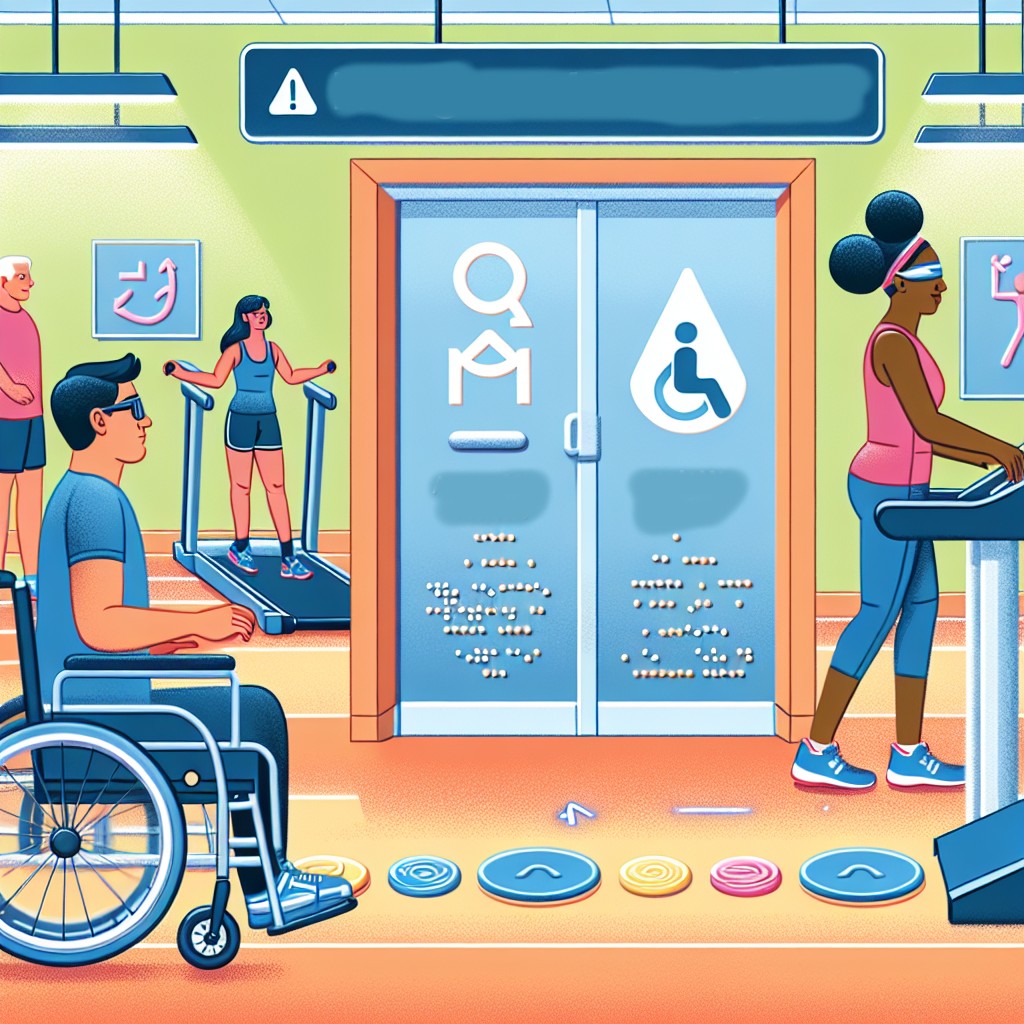
The American with Disabilities Act (ADA) was established in 1990 to ensure equal opportunities and access for individuals with disabilities across various sectors, including education. ADA compliance in education is not just a legal mandate but a moral imperative, ensuring that all students have equal access to educational resources and opportunities. Schools and universities play a vital role in shaping the future of our society. Therefore, it is crucial that these institutions are inclusive and accessible to everyone, including students with disabilities. This comprehensive analysis explores what ADA compliance means for educational institutions, the specific requirements they must fulfill, and the impact of ADA compliance on students and educators alike. By focusing on promoting an inclusive educational environment, the ADA ensures that students with disabilities are not left behind due to inaccessibility or lack of accommodations. In this article, we will discuss the importance of ADA compliance in education, the legal requirements, challenges faced by institutions, and the benefits that ensue when schools and universities foster an environment of accessibility and inclusion for all students.
Understanding ADA compliance in schools and universities requires delving into a set of regulations ensuring that students with disabilities receive the full benefit of educational opportunities available to their peers. Besides the legal framework, the ADA’s emphasis is on creating a barrier-free learning environment that includes architectural accessibility, communication aids, and modified educational materials or methodologies. With statistics indicating that around 19% of undergraduate students reported having a disability, the role of ADA compliance becomes even more critical. Institutions that comply with ADA requirements not only abide by the law but also play a crucial role in empowering students with disabilities, fostering their academic potential and enhancing diversity within the educational community. This introduction sets the stage for an in-depth discussion on ADA compliance in educational settings, pointing out key areas where schools and universities can improve and the broader implications for educational equity, innovation, and societal advancement.
Legal Requirements for ADA Compliance
ADA compliance in educational institutions is governed by a series of legal requirements stipulating that schools and universities must provide reasonable accommodations to students with disabilities. The act includes several titles addressing different areas, with Title II focusing on public entities, including public schools, and Title III addressing private educational institutions. Compliance involves ensuring that programs, services, and activities are accessible in a way that enables individuals with disabilities to engage in them on an equal basis as those without disabilities.
Educational institutions are required to make structural modifications to remove barriers faced by students with disabilities. This could include providing ramps, elevators, or accessible restrooms. More than architectural accessibility, institutions must provide auxiliary aids and services such as sign language interpreters, communicating materials in braille or accessible digital formats, and ensuring that library resources and lecture materials are available in alternative formats. Additionally, ADA compliance extends to the academic curriculum where accommodations such as extended time for tests or a scribe for note-taking services might be necessary.
The legal framework also highlights the necessity for an institutional ADA coordinator to ensure compliance, assist in policy development, and provide training on disability rights and responsibilities to faculty, staff, and students. This involves conducting regular compliance audits and addressing grievances from students who feel their rights under the ADA aren’t being met. Notably, the act establishes that educational facilities cannot discriminate against students with disabilities during the admissions process and must provide equal access to extracurricular activities, ensuring a holistic educational experience.
Barriers to ADA Compliance
Meeting ADA requirements can pose challenges for educational institutions, especially due to resource constraints. Financial limitations can impair the ability to undertake necessary renovations or procure technology that enables accessibility. Moreover, some older institutional infrastructures require significant modifications to meet accessibility standards, which may not always be feasible due to limited funding. Consequently, obtaining necessary resources to provide appropriate accommodations can be a significant barrier to achieving full compliance.
There can also be an institutional reluctance to embrace the philosophy of inclusivity due to a lack of awareness or understanding of ADA requirements among faculty and administrative staff. This lack of awareness may result in complacency towards compliance efforts, perpetuating environments where students with disabilities do not receive adequate accommodations or support. Ensuring ADA compliance requires a cultural shift towards inclusivity, which must be driven by leadership and supported by continuous education and training across all levels of an institution.
Technology can serve as both a barrier and a facilitator of ADA compliance. As education shifts increasingly towards online platforms, ensuring digital accessibility is imperative. Many educational institutions face challenges with providing accessible digital content, such as inadequately designed websites or online resources that don’t support screen readers or other assistive technologies. Therefore, overcoming technological barriers requires commitment and investment in ensuring that all educational materials and platforms meet accessibility standards.
Benefits of ADA Compliance
The benefits of ADA compliance in education extend beyond merely satisfying legal requirements—they contribute significantly to the overall educational environment. For students with disabilities, ADA compliance ensures equal access to academic resources, fostering an equitable learning environment where they can thrive alongside non-disabled peers. This accessibility can lead to improved educational outcomes, greater independence, and increased self-esteem for these students.
For educational institutions, ADA compliance enhances diversity and inclusiveness, promoting an educational culture that values equity and individual differences. Such an environment not only supports students with disabilities but also enriches the learning experience for all students, promoting empathy, understanding, and collaboration. This reflects positively on the institution’s reputation, making it more attractive to a wider range of prospective students and their families.
Moreover, ADA compliance can drive innovation within educational settings. Ensuring accessibility often leads to creative problem-solving and the adoption of new technologies or teaching methodologies that benefit all students, not just those with disabilities. As educational institutions strive to be perceived as leaders in accessibility, they may also influence practices in other sectors, demonstrating that inclusivity is achievable and beneficial at every organizational level.
Strategies for Achieving ADA Compliance
Achieving ADA compliance in educational settings requires a strategic approach that includes institutional commitment, training, and ongoing assessment. Schools and universities can start by conducting comprehensive accessibility audits to identify any current barriers to access. These audits should cover physical, academic, and digital aspects of the institution and form the basis for a detailed action plan that prioritizes necessary improvements and allocates resources efficiently.
Developing clear policies and procedures around ADA compliance is essential. It is important to implement training programs for faculty and staff to raise awareness of ADA requirements and foster an institutional culture of accessibility and inclusion. These programs should also address developments in assistive technology, ensuring staff are equipped to utilize these tools effectively to support students with disabilities.
Another critical strategy is engaging with individuals living with disabilities during planning and implementation phases. Their first-hand experiences and insights can guide effective decision-making and help customize accommodations to meet diverse needs within educational environments. By involving stakeholders, educational institutions can build trust and foster a sense of community where the voices of all students are heard and addressed.
Moreover, maintaining open lines of communication with students with disabilities is vital for ongoing ADA compliance. Institutions should establish clear procedures for lodging complaints or requesting accommodations, ensuring these processes are straightforward and accessible. Regular feedback sessions can also help highlight ongoing challenges, enabling institutions to proactively address barriers as they arise.
Conclusion
ADA compliance in education is essential in creating an inclusive and equitable learning environment for students with disabilities, ensuring they have the same opportunities and resources as their peers. Compliance with the ADA is not only a legal obligation but also an opportunity for educational institutions to demonstrate leadership in inclusion and accessibility. By investing in ADA compliance, universities and schools can improve educational outcomes, foster a supportive and diverse community, and innovate in teaching methodologies and technologies.
The challenges institutions face in achieving full ADA compliance can be significant, but they are not insurmountable. Through commitment, strategic planning, engagement with experts and students, and ongoing assessment, educational settings can eliminate barriers and embrace a fully inclusive environment. These steps will create a richer, more understanding campus culture that benefits all students, faculty, and the broader community. Additionally, achieving ADA compliance enhances an institution’s reputation as a leader in accessibility, attracting a diverse range of students eager to learn and succeed in an educational system designed for all.
Ultimately, ADA compliance in education is a continuous journey of improvement, reflection, and adaptation. As educational landscapes evolve with new technologies and methodologies, institutions must remain vigilant and proactive in upholding the principles of the ADA. Doing so ensures that every student, regardless of ability, has an equal chance to excel and contribute meaningfully to society. Schools and universities that prioritize ADA compliance set a powerful example of inclusivity that transcends beyond campus borders, reflecting the values of equity and opportunity that lie at the heart of education itself.