ADA compliance in healthcare facilities is more than a regulatory checkbox; it is a practical framework for making care accessible, safe, and equitable for every patient, visitor, employee, and contractor who enters a medical environment.
The Americans with Disabilities Act, commonly called the ADA, is a civil rights law enacted in 1990 to prohibit discrimination based on disability across public life, including employment, transportation, telecommunications, government services, and places of public accommodation. In healthcare, ADA compliance means ensuring that physical spaces, communication methods, digital tools, policies, and clinical procedures do not exclude or disadvantage people with disabilities. Hospitals, physician offices, urgent care centers, outpatient surgery centers, dental clinics, behavioral health practices, rehabilitation facilities, and long-term care settings all face ADA obligations, though the exact requirements can vary depending on ownership, funding, and facility type.
This topic matters because barriers in healthcare do more than inconvenience people; they can delay diagnosis, reduce treatment adherence, create patient safety risks, and expose organizations to legal and financial consequences. The Centers for Disease Control and Prevention has consistently reported that adults with disabilities are more likely to need regular healthcare yet often face greater obstacles in receiving it. A patient who cannot enter an exam room, transfer safely to an exam table, understand discharge instructions, use a patient portal with a screen reader, or communicate effectively with staff is not receiving equal access to care. For healthcare leaders, compliance is therefore both a legal duty and an operational quality issue.
Understanding ADA compliance also requires distinguishing it from related frameworks. The ADA sets broad anti-discrimination rules. The 2010 ADA Standards for Accessible Design provide technical specifications for many built-environment features such as parking, entrances, ramps, restrooms, door widths, and signage. Section 504 of the Rehabilitation Act applies to entities receiving federal financial assistance and overlaps significantly with ADA requirements. Section 1557 of the Affordable Care Act adds nondiscrimination rules in health programs and activities, including disability-related protections. Together, these laws create a compliance landscape that reaches far beyond wheelchair ramps and accessible toilets.
Healthcare facilities must think in systems. Accessibility begins in the parking lot and continues through registration, waiting rooms, exam spaces, diagnostic areas, inpatient units, billing processes, websites, telehealth platforms, emergency procedures, and complaint handling. It also includes auxiliary aids and services such as qualified sign language interpreters, captioning, large-print forms, relay services, and accessible electronic communications. When healthcare organizations treat ADA work as a one-time construction project, they miss the larger point. True compliance depends on ongoing governance, staff training, procurement standards, maintenance, and patient-centered problem solving.
Legal foundations and who must comply
Healthcare facilities fall under different ADA titles depending on how they are structured. Title II generally applies to state and local government-operated hospitals, public health clinics, county mental health programs, and university medical centers. Title III applies to private healthcare providers that are considered places of public accommodation, including private hospitals, doctors’ offices, diagnostic labs, pharmacies, and physical therapy practices. In both cases, facilities must provide people with disabilities an equal opportunity to benefit from services, unless doing so would fundamentally alter the nature of the service or create an undue burden, a high threshold that requires evidence rather than assumption.
For older buildings, the law does not always require full reconstruction to new construction standards, but it does require barrier removal when readily achievable under Title III and program accessibility under Title II. Readily achievable means easily accomplishable without much difficulty or expense, assessed in light of the organization’s size, resources, and operations. Examples can include installing grab bars, adjusting door hardware, restriping accessible parking, adding tactile signage, lowering a reception counter section, or rearranging furniture to create clear floor space. New construction and alterations face stricter technical requirements and are usually measured directly against the 2010 ADA Standards.
Enforcement can come from the U.S. Department of Justice, private litigation, state civil rights agencies, accrediting pressure, and complaint investigations by the U.S. Department of Health and Human Services Office for Civil Rights when other federal laws apply. Settlements in healthcare have often focused on failures to provide interpreters for deaf patients, inaccessible medical equipment, and inaccessible digital services. The practical lesson is clear: organizations should not wait for a complaint to discover a barrier that patients encounter every day.
Built environment accessibility in clinical settings
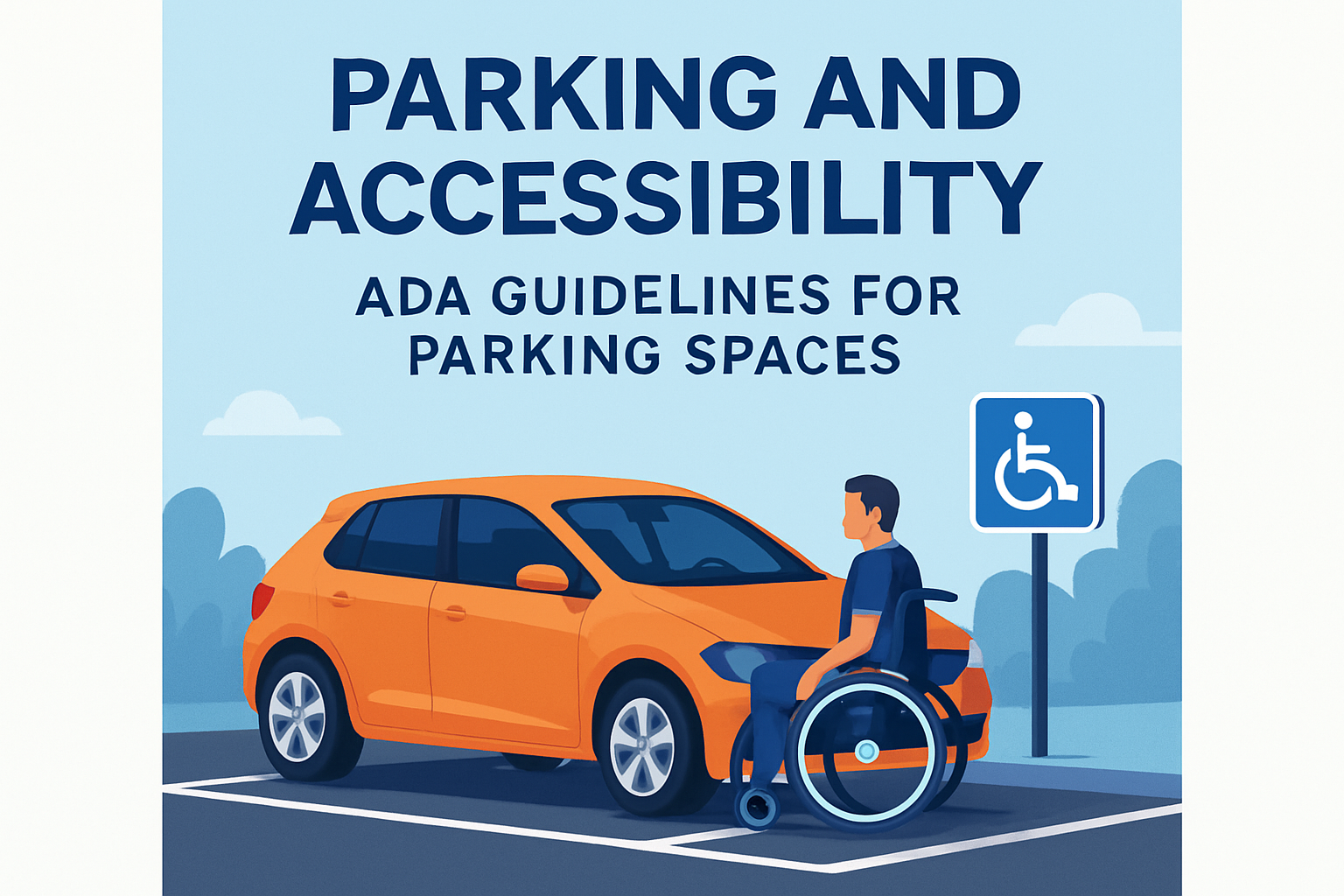
Physical accessibility remains the most visible part of ADA compliance, and in healthcare it has unique clinical dimensions. Accessible parking must include the correct number of spaces, access aisles, and compliant routes to an accessible entrance. Entry doors need adequate clear width, operable hardware, and thresholds that meet standards. Inside, corridors must support maneuvering clearances, floor surfaces should be stable and slip resistant, and wayfinding signage should include tactile characters and Braille where required. Restrooms, check-in areas, elevators, drinking fountains, and public telephones, if provided, must also meet applicable standards.
Yet clinical access goes beyond common-area design. Exam rooms should offer enough clear floor space for wheelchair users and companions to maneuver. At least some exam tables and weight scales should be accessible to people who cannot stand safely or transfer independently. Mammography, radiology, and dental areas may need adjustable equipment or transfer supports. The Department of Justice has repeatedly emphasized that accessible medical equipment is essential to equal care, not an optional convenience. A primary care office that has an accessible front entrance but only fixed-height exam tables still creates a barrier to preventive care.
Real-world examples show where organizations succeed or fail. A multisite clinic chain may complete a facility audit and discover that each location has compliant parking, but half the check-in counters are too high for seated communication and several exam rooms are used for storage, eliminating turning space. A hospital may renovate a wing beautifully yet leave an inaccessible path to imaging because a heavy fire door lacks accessible hardware. These problems are common because construction teams, facilities staff, and clinical operations often work separately. Effective compliance requires them to coordinate before, during, and after any build-out.
| Area | Common Barrier | Practical Fix | Patient Impact |
|---|---|---|---|
| Parking and arrival | Incorrect striping or steep access aisles | Restrip spaces, verify slope, improve route markings | Safer entry for wheelchair and van users |
| Reception | Counter too high for seated interaction | Add a lowered accessible section | Private, dignified communication during registration |
| Exam rooms | Fixed-height tables only | Install height-adjustable exam tables | Equal access to physical exams and screenings |
| Diagnostics | Inaccessible scales or transfer supports | Use wheelchair-accessible scales and transfer aids | Accurate weights and safer clinical assessment |
| Restrooms | Grab bars or turning space out of compliance | Reconfigure fixtures and verify clearances | Independent use and reduced fall risk |
Communication access and effective interaction
Communication barriers are among the most serious ADA failures because they directly affect informed consent, diagnosis, treatment compliance, and patient safety. The ADA requires covered healthcare entities to provide appropriate auxiliary aids and services when necessary to ensure effective communication with people who have hearing, vision, or speech disabilities. Depending on the situation, this may include qualified on-site interpreters, video remote interpreting, real-time captioning, written materials in large print, accessible electronic forms, assistive listening systems, or exchanging notes for simple interactions. The choice must match the complexity, length, and importance of the communication.
Healthcare facilities often make avoidable mistakes here. One common error is relying on family members, including children, to interpret instead of offering a qualified interpreter. Another is using video remote interpreting on unstable connections, with poor camera placement or staff who do not know how to operate the system. A brief scheduling call may be handled through relay services, but discussing surgery risks, psychiatric evaluation, childbirth decisions, or end-of-life planning usually demands more robust communication support. The Department of Justice and HHS have both made clear that convenience for the provider does not override the patient’s right to effective communication.
Vision-related access is equally important. Consent forms, medication instructions, after-visit summaries, and financial notices should be available in formats that patients can use. Many organizations now provide digital documents compatible with screen readers, but scanned image PDFs still create major barriers. Staff should know how to read a document aloud when appropriate, enlarge text, or route information through an accessible portal. Patients with speech disabilities may need more time, alternate devices, or staff trained to communicate patiently without making assumptions. In every case, respectful interaction is part of compliance, not a separate customer service issue.
Digital accessibility, telehealth, and patient technology
Healthcare increasingly depends on websites, mobile apps, kiosks, patient portals, remote monitoring platforms, and telehealth systems. If these tools are inaccessible, patients may be blocked from scheduling appointments, completing intake forms, reviewing test results, paying bills, or attending virtual visits. Although the ADA was enacted before modern digital healthcare, regulators and courts have repeatedly interpreted its equal-access principles to apply to digital services connected to healthcare delivery. Many organizations therefore use the Web Content Accessibility Guidelines, especially WCAG 2.1 AA, as the operational benchmark for websites and apps.
Common digital barriers include unlabeled form fields, poor keyboard navigation, insufficient color contrast, missing alt text, inaccessible CAPTCHA tools, audio content without captions, and telehealth platforms that do not support screen readers or interpreter integration. Self-service kiosks can also create exclusion when touch screens lack tactile controls, audio prompts, height accessibility, or privacy features for users with disabilities. These are not niche issues. A patient who cannot complete online preregistration may arrive late and stressed. A deaf patient on a video visit may miss critical information if the platform does not display captioning or permit an interpreter tile.
Leading healthcare systems address digital ADA risk through procurement and testing, not just post-launch fixes. Contracts with software vendors should include accessibility requirements, conformance documentation such as a Voluntary Product Accessibility Template, remediation timelines, and audit rights. Internal teams should test systems with assistive technologies including JAWS, NVDA, VoiceOver, screen magnification tools, keyboard-only navigation, and captioning workflows. A useful example is a hospital that redesigns its patient portal with plain-language buttons, accessible lab result tables, and captioned education videos, then validates usability with patients who have visual, hearing, and mobility disabilities. That process improves access for everyone, including older adults and users on mobile devices.
Operational policies, staff training, and risk management
Even well-designed facilities fail when daily operations undermine accessibility. An accessible entrance blocked by deliveries, a lowered counter stacked with brochures, or an accessible exam room used as a storage closet can all trigger noncompliance. That is why ADA performance depends on policy. Healthcare organizations should have written procedures for accommodation requests, interpreter scheduling, service animal access, accessible room assignment, maintenance of lifts and doors, emergency evacuation assistance, and complaint resolution. Policies should specify responsibility, escalation paths, and documentation standards so front-line staff are not improvising under pressure.
Training must be role-specific. Registration teams need to know how to communicate respectfully, offer auxiliary aids, and avoid disability-related questions that are not necessary. Nurses and medical assistants should understand safe transfer techniques, use of accessible scales and exam tables, and procedures for room placement. Facilities staff need routine inspection checklists for parking, signage, hardware, restroom clearances, and alarms. IT teams should be trained on accessibility testing and procurement. Security and emergency teams should know evacuation protocols for people with mobility, sensory, or cognitive disabilities. Annual refreshers are valuable, but short scenario-based modules used throughout the year usually produce better retention.
Risk management should include proactive auditing. Many organizations conduct ADA walk-throughs using internal teams and external specialists, then rank issues by severity, frequency, and remediation cost. High-priority items usually include inaccessible routes, communication failures in high-risk clinical encounters, and equipment that prevents standard examinations. Some systems also track disability-related grievances as a quality indicator alongside patient experience and safety metrics. This approach is effective because ADA problems rarely stay isolated; they often signal broader weaknesses in operational discipline, training, and patient-centered design.
Implementation strategies and measurable improvement
Healthcare leaders often ask where to begin when ADA compliance gaps span buildings, technology, and workflow. The best starting point is a structured accessibility plan built from data. First, inventory facilities, services, digital assets, and medical equipment. Second, perform gap assessments against the 2010 ADA Standards, effective communication requirements, and digital accessibility benchmarks. Third, prioritize remediation using patient risk, legal exposure, frequency of use, and feasibility. Fourth, assign budget, owners, and deadlines. Finally, monitor outcomes through audits, patient feedback, and maintenance logs. Without this discipline, accessibility work becomes reactive and fragmented.
Budget concerns are real, but many improvements are achievable in phases. Low-cost actions such as restriping parking, adjusting door closers, relocating furniture, creating interpreter request workflows, captioning common videos, and replacing inaccessible PDFs can produce immediate gains. Medium-term projects may include purchasing height-adjustable exam tables, wheelchair-accessible scales, and hearing assistive devices. Larger capital items, such as restroom reconfiguration or entrance reconstruction, can be aligned with renovation cycles. The key is to show a documented, prioritized effort rather than assuming limited resources excuse inaction.
Measurement turns compliance into continuous improvement. Useful indicators include the percentage of sites with completed accessibility audits, interpreter fulfillment rates, number of accessible exam rooms per clinic, web accessibility defect closure times, patient complaints involving disability access, and completion rates for staff training. Patient stories also matter. If a wheelchair user reports finally receiving a complete skin exam because an adjustable table was available, that is not only a positive testimonial; it is evidence that access changes clinical outcomes. Healthcare facilities that treat ADA compliance as part of quality, safety, and patient experience are far more likely to sustain progress than those that view it only through the lens of legal defense.
ADA compliance for healthcare facilities is ultimately about whether a person can obtain care with the same dignity, privacy, timeliness, and clinical effectiveness offered to others. The law provides the framework, but success depends on execution across architecture, equipment, communication, technology, policy, and culture. Organizations that understand this broader scope reduce legal risk, strengthen patient trust, and improve the reliability of care delivery. They also position themselves better for accreditation reviews, community reputation, and long-term operational resilience.
The central takeaway is straightforward: accessibility must be designed, funded, trained, measured, and maintained. A compliant parking space means little if a patient cannot register privately, communicate with a clinician, use a portal, or transfer safely onto exam equipment. Likewise, excellent digital access cannot compensate for inaccessible restrooms or untrained staff. Healthcare facilities need a coordinated plan that addresses the full patient journey and recognizes that disability access is a daily operational responsibility, not a one-time construction task.
For leaders ready to act, the next step is simple: conduct a comprehensive ADA assessment, prioritize the highest-impact barriers, and assign accountable owners for remediation. That process can begin with one clinic, one department, or one hospital campus, but it should begin now. Every improvement made today brings healthcare closer to what it should always be: accessible care for every person who needs it.
Frequently Asked Questions
1. What does ADA compliance mean for healthcare facilities, and why is it so important?
ADA compliance in healthcare facilities means making sure the environment, services, communication methods, and everyday operations of a medical setting are accessible to people with disabilities. In a healthcare context, this applies to far more than just wheelchair ramps or accessible parking spaces. It includes how patients enter the building, move through hallways, use restrooms, check in at the front desk, understand medical instructions, access diagnostic areas, communicate with providers, and receive equal treatment throughout their visit.
The ADA, or Americans with Disabilities Act, is a civil rights law passed in 1990 to prevent discrimination based on disability. In healthcare, that matters deeply because access to care is not optional. People do not visit hospitals, clinics, surgery centers, urgent care offices, rehabilitation facilities, dental practices, or specialty medical offices just for convenience. They go because they need treatment, information, support, and in many cases immediate medical attention. If a person cannot physically enter a building, use essential equipment, hear or understand instructions, communicate with staff, or safely navigate the care environment, then they are not truly receiving equal access.
That is why ADA compliance should be viewed as a practical framework, not a paperwork exercise. It helps healthcare facilities create spaces and systems that are safe, usable, and respectful for every patient, visitor, employee, and contractor. It also supports better clinical outcomes. A patient who can clearly communicate with staff, understand treatment instructions, access exam rooms without barriers, and move safely throughout a facility is more likely to receive timely, effective care. Accessibility directly affects patient experience, trust, dignity, and health results.
ADA compliance also protects healthcare organizations from legal, financial, and reputational risk. Facilities that fail to provide accessible access may face complaints, lawsuits, regulatory scrutiny, settlement costs, and damage to public trust. But the bigger point is that accessibility is part of quality care. Healthcare facilities exist to serve people at vulnerable moments. If access barriers prevent someone from receiving care on equal terms, then the facility is falling short of its mission.
In real-world terms, ADA compliance can involve accessible entrances, automatic doors, ramps, elevators, compliant parking, wide doorways, proper signage, accessible restrooms, lowered counters, visual and audible alarms, interpreter services, assistive listening systems, accessible websites and patient portals, modified policies, flexible communication methods, and staff training. It can also include making reasonable accommodations during appointments, admissions, discharge planning, and follow-up communication.
So, the reason ADA compliance is so important in healthcare is simple: it helps ensure that care is accessible, safe, equitable, and usable for everyone. It is not just about meeting a legal standard. It is about removing barriers that can interfere with diagnosis, treatment, recovery, and patient dignity.
2. What areas of a healthcare facility are typically covered under ADA compliance?
Nearly every part of a healthcare facility can be affected by ADA compliance, because accessibility is not limited to one room or one type of interaction. It spans the physical environment, communication systems, patient service processes, digital tools, and workplace practices. If a person with a disability interacts with that part of the facility in any way, it likely falls within the broader scope of accessibility obligations.
One of the most visible areas is the exterior approach to the building. This includes parking lots, van-accessible and standard accessible parking spaces, curb ramps, sidewalks, drop-off zones, and the route from parking or public transportation to the main entrance. If these areas are not usable, patients may never even make it to the front door safely. From there, entrances must be accessible, which may mean ramped access, level thresholds, door hardware that is easy to use, power-assisted or automatic doors where appropriate, and clear path widths.
Inside the building, ADA-related concerns continue throughout common areas and clinical spaces. Waiting rooms need seating options that accommodate different mobility needs. Reception desks and check-in counters should be accessible to wheelchair users and others who may not be able to stand for long periods. Hallways and doorways must provide enough clearance for mobility devices. Elevators, if present, need accessible controls, clear signage, and usable space. Restrooms should have accessible stalls, grab bars, sink access, turning space, and compliant fixtures.
Clinical care areas are especially important. Exam rooms should be arranged so patients using wheelchairs, walkers, or other devices can enter and maneuver safely. Healthcare providers should consider whether they have accessible medical equipment, such as height-adjustable exam tables, accessible weight scales, and patient lifts when needed. Imaging areas, treatment rooms, laboratories, and therapy spaces should also be reviewed for access barriers. A building may appear accessible at first glance, but if the patient cannot transfer to an exam table or use basic diagnostic equipment, meaningful access still has not been achieved.
Communication is another major category. ADA compliance in healthcare includes making sure patients with hearing, vision, speech, cognitive, or other communication-related disabilities can receive and provide information effectively. That may involve qualified sign language interpreters, real-time captioning, written materials in alternative formats, large print, accessible digital forms, screen-reader-friendly online portals, TTY or relay support, and staff who know how to communicate respectfully and effectively with patients who have different needs.
Policies and procedures also fall under the scope of ADA compliance. For example, a facility may need to modify a standard policy when necessary to allow equal access, unless doing so would fundamentally alter the service or create an undue burden. That could include allowing extra assistance during intake, permitting a support person in certain situations, adjusting communication methods, or modifying how appointments are scheduled and confirmed.
Healthcare employment areas can also be relevant. Because the ADA addresses employment discrimination too, staff break rooms, workstations, training areas, locker rooms, restrooms, and internal systems may need to be accessible for employees and job applicants with disabilities. This means healthcare organizations need to think about accessibility not only from the patient perspective but also from the workforce perspective.
Even digital access matters. Many healthcare interactions now happen online through patient portals, telehealth platforms, electronic intake forms, online billing tools, appointment scheduling systems, and educational content. If those systems are not accessible, the facility may create major barriers before or after the in-person visit. In modern healthcare, ADA compliance is not just about architecture. It is about the full patient journey.
In short, ADA compliance can touch the parking lot, entrance, lobby, front desk, exam rooms, treatment areas, bathrooms, communication systems, websites, patient forms, telehealth tools, emergency procedures, staff training, and workplace accommodations. The most effective approach is to treat accessibility as an organization-wide responsibility rather than a narrow facilities issue.
3. What are the most common ADA compliance challenges healthcare facilities face?
Healthcare facilities often face ADA compliance challenges because medical environments are complex, busy, and constantly changing. Many organizations want to do the right thing, but barriers can remain in older buildings, outdated procedures, inconsistent staff training, or incomplete accessibility planning. Some issues are obvious, while others only become clear when a patient or employee experiences difficulty firsthand.
One of the most common challenges is older infrastructure. Many hospitals, clinics, and medical offices operate in buildings that were designed long before modern accessibility standards became a routine part of healthcare planning. These spaces may have narrow doorways, inaccessible restrooms, steep entrances, poor signage, high counters, heavy manual doors, limited turning space, or exam rooms that are difficult to use for people with mobility devices. Renovating these spaces can be expensive and disruptive, but leaving them unaddressed can create serious access problems.
Another frequent issue is the lack of accessible medical equipment. A facility may have an accessible entrance and restroom, but still struggle to serve patients properly if it only has fixed-height exam tables, inaccessible weight scales, or imaging setups that are difficult for patients with mobility limitations to use. In many healthcare settings, this is one of the biggest practical gaps between basic building access and truly equal care. Accessibility has to extend into the exam and treatment process itself.
Communication barriers are also very common. Patients who are deaf or hard of hearing may need qualified interpreters, captioning, or assistive listening devices. Patients who are blind or have low vision may need materials in large print, accessible digital formats, or verbal explanation of documents and instructions. Patients with speech disabilities, cognitive disabilities, intellectual disabilities, or limited dexterity may need different ways to communicate, complete forms, ask questions, or understand treatment instructions. A facility can unintentionally create barriers if staff assume one method of communication works for everyone.
Training gaps create another major challenge. A facility might have accessible features in place, but if staff do not know how to respond to accommodation requests, schedule interpreter services, use accessible equipment, guide a patient respectfully, or adjust standard procedures, the patient experience can still break down. Accessibility is not only about physical design. It depends heavily on staff awareness and consistency. Front desk teams, nurses, physicians, technicians, security staff, environmental services, patient transport teams, and administrators all play a role.
Policy issues also come up often. Sometimes a facility has standard procedures that unintentionally disadvantage people with disabilities. For example, requiring all patients to complete forms in a certain way, restricting who may accompany a patient, failing to provide enough time for appointments involving accessibility needs, or relying only on phone-based systems that may not work well for every patient. These types of barriers are easy to miss because they are built into routine operations rather than the building itself.
Digital accessibility is a growing challenge too. As healthcare increasingly relies on technology, inaccessible websites, online registration systems, telehealth platforms, digital consent forms, and patient portals can prevent people from managing appointments, reviewing test results, communicating with providers, or paying bills independently. Many facilities are still catching up in this area. A digital barrier can be just as harmful as a physical one, especially when healthcare depends on timely access to information.
Emergency preparedness can be another weak point. Facilities may have evacuation plans, alarm systems, and emergency communication procedures that do not fully account for people with mobility, hearing, vision, or cognitive disabilities. In healthcare settings, where patients may already be ill, sedated, injured, or dependent on equipment, this becomes even more important. Accessibility must be built into emergency planning, not added later.
Finally, one of the most common overall challenges is treating ADA compliance as a one-time project. In reality, it requires ongoing attention. Buildings change. Staff turnover happens. New technologies are introduced. Services expand. Renovations occur. Patient populations shift. Compliance efforts can weaken over time if accessibility is not regularly reviewed, maintained, and updated.
The healthcare facilities that manage these challenges best usually take a proactive approach. They conduct accessibility assessments, train staff regularly, review policies, improve communication practices, invest in accessible equipment, and respond quickly to accommodation needs. The goal is not just to avoid complaints. It is to create a reliable, respectful care environment where accessibility is built into daily operations.
4. How can healthcare facilities improve ADA compliance in a practical, effective way?
Improving ADA compliance in a healthcare facility starts with recognizing that accessibility is both a legal duty and an operational responsibility. The most effective improvements are usually not based on guesswork. They begin with a structured review of the patient experience, the physical environment, communication methods, and internal policies. A healthcare organization should look at what happens before the patient arrives, during the visit, and after the visit, and then identify where barriers may exist at each stage.
A strong first step is conducting a full accessibility assessment. This should include the building exterior, parking, entrances, interior routes, reception areas, waiting rooms, restrooms, exam rooms, treatment spaces, signage, emergency exits, and digital platforms. It is helpful to evaluate these areas through the eyes of people with different types of disabilities, including mobility, visual, hearing, cognitive, and speech-related disabilities. An assessment should also cover policies, forms, scheduling practices, communication methods, and staff response procedures.
After identifying barriers, facilities should prioritize improvements based on risk, impact, and frequency of use. For example, inaccessible entrances, restrooms, registration areas, and exam equipment often deserve immediate attention because they affect core access to care. Some fixes may be relatively simple, such as adjusting furniture placement, improving signage, lowering an area of the front desk, replacing door hardware, adding visual contrast markings, or making documents available in alternative formats. Other improvements may involve more planning and budget, such as restroom renovation, door automation, route reconfiguration, or equipment replacement.
Accessible medical equipment should be a major part of the conversation. Healthcare facilities should evaluate whether they have exam tables, weight scales, diagnostic tools, patient lifts, and treatment setups that can be used by patients with a range of mobility needs. Without accessible equipment, providers may struggle to perform thorough exams or gather accurate information, which can affect the quality of care. Practical accessibility means making sure patients can actually receive the same level of examination and treatment, not just enter the building.
Communication access should also be improved in a systematic way. Facilities need clear procedures for arranging auxiliary aids and services, such as qualified interpreters, video remote interpreting where appropriate, captioning, assistive listening devices, large-print materials, accessible electronic documents, or other communication support. Staff should know when and how to offer these services, how to document requests, and how to avoid placing the communication burden on family members or companions when that is not appropriate.
Training is one of the most important tools for long-term improvement. Staff at every level should understand the basics of ADA obligations and what accessible service looks like in practice. Training should cover disability etiquette, respectful communication, accommodation procedures, equipment use, service animal rules, transfer assistance protocols where relevant, and what to do when a patient reports a barrier. The tone of the training matters too. It should not feel like a legal warning alone. It should connect accessibility to patient safety, quality, dignity, and trust.
Policy review is another practical step. Facilities should examine intake procedures, scheduling workflows, companion policies, communication practices, emergency planning, discharge instructions, and complaint handling processes. If a policy unintentionally blocks equal access, it should be revised. For example, if all intake forms must be completed on a tablet that is not accessible, that process needs alternatives. If appointment reminders are only given by phone, there should be additional accessible options. If staff do not know how to escalate an accommodation request, that process needs clarification.
Digital accessibility deserves focused attention as well. Patient portals, telemedicine platforms, online forms, educational content, and scheduling tools should be reviewed for accessibility. A patient should be able to book an appointment, complete forms, read aftercare instructions, view bills, and communicate with providers without unnecessary digital barriers. In many cases, these systems shape the patient experience as much as the physical clinic itself.
It is also smart for healthcare organizations to create a feedback loop. Patients, visitors, and employees should have a clear way to report accessibility barriers and request accommodations. Complaints and comments should be tracked, reviewed, and used to guide future improvements. Accessibility efforts are strongest when facilities listen to real user experiences instead of assuming everything is working.
Finally, healthcare facilities should treat ADA compliance as a continuing process. Accessibility should be included in renovation planning, equipment purchasing, vendor selection, technology implementation, and quality improvement programs. When accessibility is built into decision-making from the start, compliance becomes more sustainable and far less reactive.
In practical terms, the best way to improve ADA compliance is to assess thoroughly, fix high-impact barriers first, train staff well, strengthen communication access, update policies, invest in accessible equipment, improve digital tools, and review progress regularly. That combination creates a healthcare setting where access is not left to chance.
5. What are the risks of failing to maintain ADA compliance in a healthcare setting?
Failing to maintain ADA compliance in a healthcare setting can create serious consequences for patients, staff, and the organization itself. The most immediate risk is that people with disabilities may be denied equal access to care, either directly or indirectly. That can mean delayed treatment, incomplete evaluations, communication breakdowns, unsafe movement through the facility, loss of privacy, reduced independence, or a patient simply deciding not to seek care because the experience is too difficult or discouraging. In healthcare, those barriers can have very real effects on health outcomes.
Patient safety is one of the biggest concerns. If a patient cannot transfer safely to an exam table, navigate a treatment area, understand medication instructions, hear emergency announcements, or communicate symptoms effectively, the quality and safety of care may be compromised. Accessibility failures can increase the risk of falls, missed diagnoses, incorrect assumptions, treatment delays, and discharge confusion. A barrier that may seem minor from an operations standpoint can become major when it affects clinical decision-making or a patient’s ability to participate in care.
There is also significant legal risk. Because the ADA is a civil rights law, healthcare facilities that do not provide equal access may face complaints, investigations, enforcement actions, settlements, or lawsuits. Depending on the type of organization and the circumstances, other disability access laws may also apply. Legal claims may involve physical barriers, communication failures, inaccessible services, discriminatory policies, or failure to make reasonable modifications. Even when a problem begins with one patient complaint, it can reveal broader systemic issues across the organization.
Financial risk follows closely behind legal exposure. Costs can include attorney fees, settlement amounts, remediation expenses, staff time, consultant reviews, rushed facility changes, technology replacement, and operational disruption. It is often much more expensive to respond after a complaint or lawsuit than to build accessibility into normal planning and maintenance. Emergency retrofits tend to cost more and create more disruption than proactive improvements.
Reputational harm is another serious concern. Healthcare depends heavily on trust. Patients want to know that a facility will treat them with dignity, communicate clearly, and meet their needs fairly. If a healthcare organization becomes known for poor accessibility or disability-related complaints, that can affect community confidence, referral relationships, online reviews, and public credibility. Reputational damage may not always show up immediately on a balance sheet, but it can have long-term effects.
Employee-related risks are important too. If a healthcare facility does not maintain accessible work environments or respond properly to accommodation needs, it may face internal complaints, hiring challenges, retention problems, and employment-related claims. Healthcare employers need qualified, capable staff across many roles, and inaccessible workplace practices can limit recruitment and undermine inclusion.
Operational inefficiency is another hidden cost of poor compliance. When accessibility is not built into systems, staff often end up improvising solutions in the moment. They may scramble to find interpreters, relocate appointments, rearrange furniture, assist with transfers without proper equipment, or manually work around inaccessible processes. That creates stress, inconsistency, delays, and avoidable risk. A well-designed accessible system is usually more efficient for everyone, not just people with disabilities.
Another major risk is assuming that once a facility was compliant, it will stay that way automatically. Accessible parking can be blocked by poor striping maintenance. Door closers can become too heavy. Furniture can obstruct circulation routes. Websites can become inaccessible after updates. Staff turnover can weaken accommodation procedures. Equipment can be replaced with non-accessible models. Compliance can erode gradually if it is not actively maintained.
At the broadest level, the risk of failing to maintain ADA compliance is that a healthcare organization drifts away from one of its core responsibilities: providing equitable care. Accessibility is closely tied to fairness, patient-centered service, risk management, and quality improvement. When it is neglected, the harm is not only legal or financial. It affects the everyday reality of how people experience care when they are sick, injured, anxious, or in need of support.
That is why maintaining ADA compliance should be seen as part of responsible healthcare leadership. It reduces barriers, improves safety, supports better communication, lowers legal exposure, protects reputation, and strengthens trust. Most importantly, it helps ensure that every person who enters the facility has a fair opportunity to receive care with dignity and respect.